
Enhancing the interior design of a Singapore home often requires creative lighting solutions that do not involve extensive electrical drilling or messy wiring. For renters in HDB flats or homeowners looking to add accent lighting to finished spaces, a high-quality battery operated led strip offers an elegant, temporary, and highly flexible solution. These portable lights can illuminate dark wardrobe corners, highlight floating shelves, or create a warm ambient glow behind a television console without requiring a nearby wall outlet.
However, selecting the right brand and model involves navigating unique local challenges, such as high tropical humidity and specific furniture configurations. To make an informed decision, you must understand how different brand categories perform under local conditions and which technical specifications actually matter for daily use.
Key Selection Criteria for a Battery Operated LED Strip in Singapore
Before purchasing, it is essential to evaluate several technical and environmental factors to ensure your chosen lighting setup remains functional, bright, and safely attached to your walls or furniture.
Products mentioned in this guide
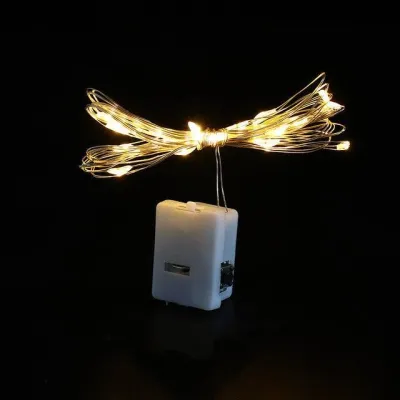
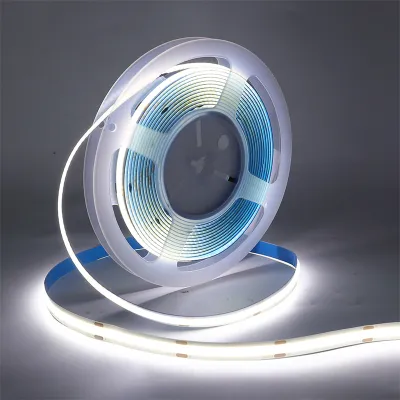
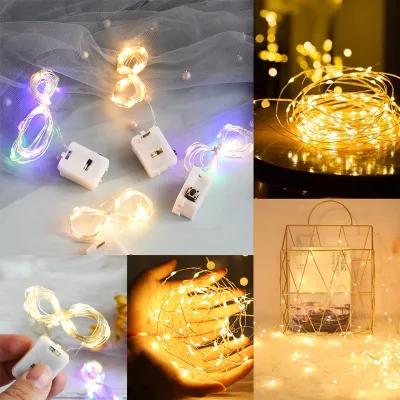
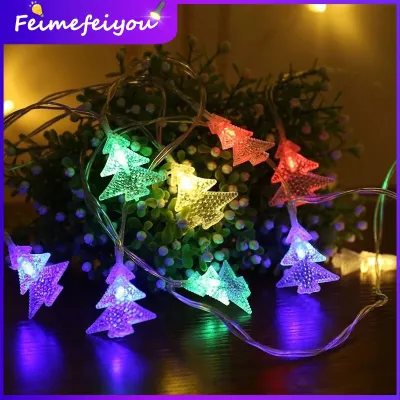
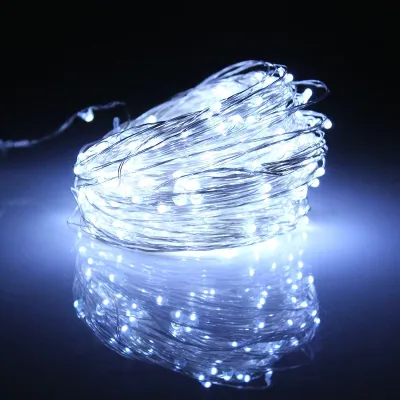
Prices are valid at publication and may change. Please refer to the product page for the latest price.
Battery Type and Lifespan The power source of your LED strip directly dictates its maintenance schedule and brightness longevity. Standard options typically run on AA or AAA alkaline batteries, while premium models utilize integrated rechargeable lithium-ion battery packs. AA batteries generally offer a capacity of 2,000 to 3,000 milliampere-hours (mAh), whereas AAA batteries provide a much lower capacity of 800 to 1,200 mAh. To estimate the run time of a strip, you can divide the total battery capacity by the current draw of the LEDs. For example, a one-meter strip drawing 400 milliamperes (mA) powered by a 2,000 mAh battery pack will run for approximately five hours at maximum brightness. High-density strips with more LEDs per meter produce a more seamless line of light but will deplete your batteries significantly faster than low-density alternative designs.
Climate Considerations Singapore’s tropical climate, characterized by relative humidity levels that frequently exceed 80% and average indoor temperatures around 30 degrees Celsius, heavily impacts the physical durability of LED installations. Standard adhesive backings often degrade, soften, and lose their grip under persistent warmth and moisture, causing the strip to sag or fall off within weeks. Additionally, high humidity can accelerate the oxidation of exposed copper contacts and lead to moisture ingress in poorly sealed battery compartments. When selecting a product, look for brands that feature robust battery box seals and high-quality adhesive backings, or plan to use supplementary mechanical mounting clips.
Light Quality and Output The visual impact of your decorative lighting depends on lumen output and color temperature. Battery-powered LED strips generally produce lower brightness levels—typically ranging from 100 to 300 lumens per meter—compared to their mains-powered counterparts, which are designed for primary illumination. For cozy, relaxing spaces like bedrooms or living room display cabinets, a warm white color temperature of 2700K to 3000K is highly recommended. For task-oriented areas, such as kitchen countertops or study desks, a cool white temperature of 5000K to 6500K provides better visibility. If you prefer dynamic, colorful accents for holiday decorations or gaming setups, look for RGB (Red, Green, Blue) or RGBW strips, which include dedicated white diodes for cleaner white light.
Control and Power Management Because battery power is finite, efficient control mechanisms are vital to avoid constant battery replacements. Built-in physical timers—such as an automated cycle that keeps the lights on for six hours and off for eighteen hours—are exceptionally useful for maintaining a consistent schedule without manual intervention. Remote controls utilizing Infrared (IR) or Radio Frequency (RF) signals allow you to adjust brightness levels; dimming your LED strip to 50% brightness can more than double its operational runtime. Some advanced models offer smart app connectivity via Bluetooth or Wi-Fi, allowing you to control the lights from your smartphone, though you must consider the standby power drain associated with these wireless receivers.
Top Brand Categories for Home Decoration LED Strips
Understanding the distinct categories of brands available in the Singapore market helps narrow down your choices based on your specific decorative goals, budget, and desired features.

Global Smart Lighting and Tech Brands
For homeowners seeking seamless integration into a modern smart home ecosystem, global technology and smart lighting brands represent the premium tier of the market. These brands specialize in advanced control options, allowing you to connect your battery operated led strip directly to your smartphone or home assistant via Bluetooth or Zigbee protocols.
- Smart Automation: The primary advantage of tech-focused brands is the ability to program complex schedules, create custom lighting scenes, and sync the lights with other smart devices in your home.
- Standby Power Trade-off: A critical consideration is the standby power consumption. Because the wireless receiver inside the battery pack must remain active to listen for app commands, it continuously draws a small amount of current even when the LEDs are turned off. This standby drain can deplete standard alkaline batteries over several weeks of non-use.
- Ecosystem Compatibility: Before purchasing, verify whether the specific battery-operated model requires a proprietary hub or bridge to connect to your local smart home setup, and ensure it supports the specific wireless protocols utilized by your existing smart devices.
Established Home Furnishing Retailers
Major physical and online home furnishing retailers offer proprietary or partnered lighting lines designed specifically for furniture integration. These options are highly accessible and focus on practical, everyday utility.
- Physical Inspection: Sourcing your lights from established local furniture showrooms allows you to physically inspect the build quality before buying. You can examine the thickness of the plastic casing, feel the strength of the battery cover latch, and view the actual light dispersion through the diffuser covers to ensure individual LED "dots" are not overly harsh.
- Furniture-Centric Design: These strips are typically engineered to fit perfectly inside standard wardrobe frames, under bookshelves, or along drawer runners. They emphasize warm, high-quality light with a high Color Rendering Index (CRI) to ensure your clothing and decor items appear true to color.
- Simplified Efficiency: Instead of complex app controls, these brands generally rely on simple physical switches, motion sensors, or basic RF remotes. The absence of power-hungry Wi-Fi or Bluetooth chips makes these models exceptionally battery-efficient, allowing them to remain on standby for months without draining the cells.
Specialty Decor and Craft Lighting Brands
When your decorating project requires extreme physical flexibility, ultra-thin profiles, or unique visual styles, specialty craft and decorative lighting brands are the ideal choice.
- Flexible Form Factors: This category includes micro-LED copper wire "fairy" lights, ultra-thin flexible strips, and silicone-encased neon-flex tubes. These designs are highly malleable, allowing you to bend them around tight corners, wrap them around headboards, outline intricate mirror frames, or shape them into custom wall art.
- Targeted Accent Use: Because these specialty strips prioritize aesthetic flexibility, they feature smaller LED chips and thinner conductive paths. Consequently, they deliver lower overall brightness and are strictly suited for accent or mood lighting rather than functional illumination.
- Runtime Limitations: Due to their compact battery packs (often utilizing smaller AAA batteries or button cells), these decorative lights have limited continuous runtimes. They are best reserved for temporary festive setups, evening dinner parties, or occasional accent use rather than daily, long-duration operation.
Where to Buy and Verify Authenticity in Singapore
Finding reliable hardware requires careful sourcing to avoid low-quality counterfeits or substandard products that fail prematurely or present safety hazards.
Official Channels To guarantee product authenticity and secure a valid manufacturer warranty, always prioritize purchasing from official brand websites or authorized local distributors. Authorized distributors can provide direct after-sales support, replacement parts, and reliable technical assistance if you encounter issues with your light strip or battery controller.
Physical Retailers Visiting large home improvement stores, DIY shops, or major department stores in Singapore offers several advantages. You can physically test the light output, compare different color temperatures side-by-side, and verify the physical dimensions of the battery box to ensure it fits within your intended installation space.
E-commerce Platforms When shopping on major online marketplaces, navigate to official flagship stores or look for verified seller badges. Be cautious of extremely low-priced listings from unverified third-party sellers, as these products may lack proper electrical certifications, use low-grade LEDs that dim rapidly, or feature weak adhesives unsuitable for humid environments.
Verification Checklist Before finalizing your purchase, perform these essential quality checks:
- Inspect the battery compartment to ensure the plastic is sturdy, the latch closes securely, and the metal contacts are clean and properly aligned.
- Read recent reviews from local buyers in Singapore to assess how the adhesive backing performs in non-air-conditioned rooms or high-humidity areas.
- Confirm the seller's return and exchange policy to protect yourself against receiving units with dead LEDs or defective remote controls.
Installation and Safety Guidelines for Battery-Powered Strips
Proper installation and regular maintenance are crucial to maximizing the lifespan of your LED strips and ensuring safe operation in your home.
Surface Preparation To prevent your LED strip from peeling off due to Singapore’s high humidity, thorough surface preparation is mandatory. Begin by wiping the mounting surface with isopropyl alcohol (rubbing alcohol) to remove all traces of dust, oil, and grease. Avoid using standard household glass cleaners, as they often leave a thin chemical residue that prevents the adhesive from bonding correctly. Allow the surface to dry completely before peeling off the adhesive backing. For textured surfaces, wood, or high-humidity environments like kitchens, consider using small adhesive mounting clips or silicone brackets to mechanically secure the strip.
Battery Safety To prevent damaging your lighting equipment, always practice safe battery management. If you plan to leave the LED strip unused for an extended period—such as after a holiday season—always remove the batteries from the compartment. Over time, unused alkaline batteries can leak potassium hydroxide, a corrosive substance that ruins metal contacts and renders the device unusable. Additionally, never mix old and new batteries, or combine different battery chemistries (such as mixing alkaline with rechargeable NiMH batteries) in the same compartment, as this can lead to rapid overheating, swelling, or rupture.
Heat Management Although LED lights generate significantly less heat than traditional incandescent bulbs, both the LED diodes and the battery pack still produce thermal energy during operation. Avoid enclosing the battery box in tight, unventilated spaces, under heavy fabric insulation, or inside warm, uncooled cabinets. Excessive heat accumulation can degrade battery capacity, shorten the overall lifespan of the LED chips, and increase the risk of battery malfunction. Ensure there is adequate air circulation around the battery compartment at all times.
Routine Maintenance Periodically inspect the battery compartment for any signs of corrosion, oxidation, or white powdery residue. If you observe any buildup, remove the batteries immediately. You can safely clean the metal contacts by gently rubbing them with a small cotton swab lightly moistened with vinegar or lemon juice to neutralize the alkaline residue. Afterward, wipe the contacts with a clean, slightly damp swab, and allow the compartment to dry completely before inserting fresh batteries.
Safety Boundary Notice If your lighting project involves any fixed electrical wiring, installation in wet or damp areas (such as bathrooms or outdoor balconies), working at heights, or mounting heavy suspended loads, always isolate the power supply, follow the product’s official installation instructions, and consult a qualified professional. Always check the applied product’s safety label and the treated item’s manufacturer instructions before proceeding. If instructions conflict, stop and consult the manufacturer.
Frequently Asked Questions (FAQ)
How long do battery-operated LED strips typically last on a single set of batteries?
The actual runtime of a battery-operated LED strip depends on several variables, including the total number of LEDs, the brightness setting, and the quality of the batteries used. A standard one-meter strip powered by three high-quality AA alkaline batteries will typically provide between 10 to 20 hours of continuous illumination at maximum brightness. If you utilize a built-in timer (such as six hours of daily use) or a motion-sensor switch that only activates the lights when motion is detected, a single set of batteries can easily last between one to three months before requiring replacement.
Can I use rechargeable batteries in my LED strip lights?
Yes, you can use rechargeable batteries, but you must be aware of the voltage differences and how they affect performance. Standard alkaline batteries provide a nominal voltage of 1.5 volts per cell, whereas common Nickel-Metal Hydride (NiMH) rechargeable batteries provide 1.2 volts. In a three-battery configuration, this results in a total voltage of 4.5 volts for alkaline compared to 3.6 volts for NiMH. This lower initial voltage may cause the LED strip to appear slightly dimmer or trigger premature low-battery indicators on some models. However, high-quality NiMH batteries maintain a very stable voltage discharge curve throughout their cycle, meaning your lights will maintain a consistent brightness level for longer before rapidly dimming, making them a highly cost-effective and environmentally friendly choice. Always verify the manufacturer’s product specifications to ensure compatibility with 1.2V rechargeable cells before making the switch.
Community discussion
Share your experience or ask a question. Comments are reviewed before publication.