
Selecting the ideal big table clock for your home is more than a matter of simple timekeeping; it is an exercise in balancing spatial design, functional utility, and mechanical reliability. In Singaporean homes, where interior layouts range from cozy high-rise apartments to spacious landed properties, a substantial timepiece serves as an anchor for a room’s overall aesthetic. The right brand choice depends heavily on the specific environment of each room, as the acoustic, visual, and physical demands of a bustling living room differ vastly from those of a tranquil bedroom or a focused home office.
To make an informed purchase, you must evaluate how different manufacturers approach movement engineering, material selection, and structural stability. This guide breaks down the essential criteria for assessing large table clocks and highlights the key brand characteristics that suit the distinct environments within your home.
Core Criteria for Evaluating Big Table Clock Brands
When researching a big table clock, the first step is defining what qualifies as “big” in a residential context. Generally, any table clock measuring over 10 inches (approximately 25 centimeters) in either height or width falls into this category. Before committing to a specific brand, measure the exact surface area where you plan to display the clock. This includes checking the depth of the shelf, mantel, or console, as well as the vertical clearance below overhead cabinetry or wall-mounted art. A clock that projects too far forward can easily be bumped, while one that is too tall will look cramped and disrupt the visual balance of your shelving.
Products mentioned in this guide
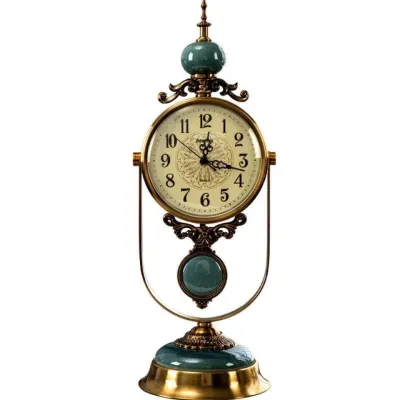
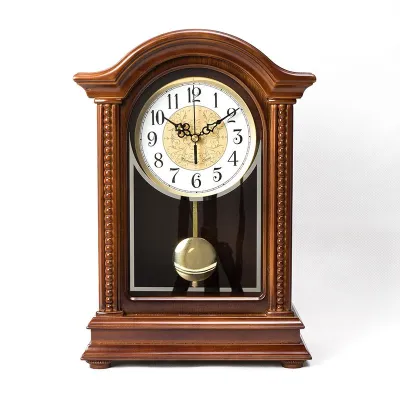
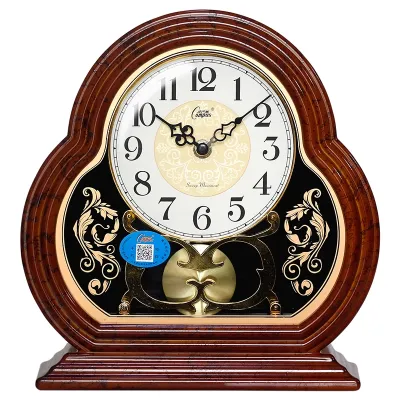
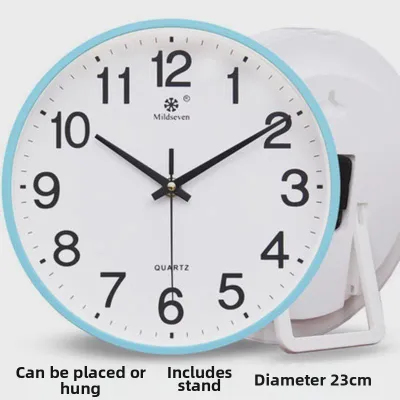
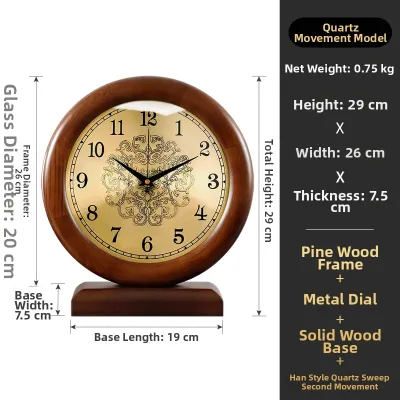
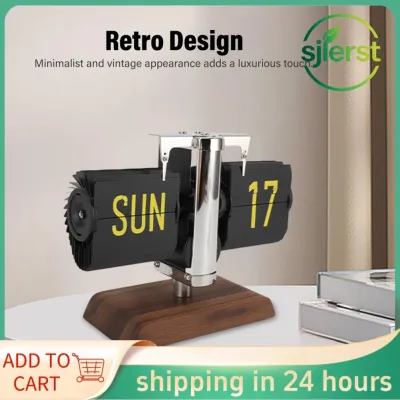
![[SG SELLER] DIGITAL AZAN TABLE/DESK CLOCK ( Big Screen Display) MUSLIM ALARM CLOCK/ISLAMIC GIFTS](https://img.lazcdn.com/g/p/9705e23374c50862242b1e9b0cc6e938.png_400x400q80.png_.webp)
Prices are valid at publication and may change. Please refer to the product page for the latest price.
The heart of any clock is its movement, which dictates its accuracy, maintenance requirements, and price point. Understanding these movement types will help you filter brands based on your lifestyle:
- Quartz Movements: Powered by a battery and regulated by a synthetic quartz crystal, these movements are incredibly accurate, typically losing or gaining only a few seconds per month. They require virtually no maintenance beyond a battery change every one to two years. Brands utilizing high-quality quartz movements are ideal for those seeking hassle-free, reliable daily timekeeping.
- Mechanical Movements: Driven by springs and gears, mechanical clocks require manual winding—either daily or weekly—or rely on a key-wound pendulum system. These timepieces are often positioned as luxury heritage items, showcasing intricate craftsmanship. However, they require periodic professional servicing, oiling, and manual adjustments, making them better suited for collectors and design enthusiasts.
- Digital Movements: Utilizing electronic displays, digital models offer high readability and can integrate multiple secondary functions like alarms, calendars, and temperature displays. They are typically powered by a mains outlet with a battery backup or rely on rechargeable cells.
Physical stability is another critical factor, particularly for households with young children or active pets. Because a big table clock has a larger surface area, it is more susceptible to tipping if bumped. Look for brands that design clocks with a low center of gravity, a wide, heavy base, or integrated non-slip rubber feet. Solid wood, heavy brass, and cast iron bases offer superior stability compared to lightweight plastic alternatives.
Finally, examine the manufacturer’s warranty and material guarantees. Reputable brands typically offer at least a one-year warranty on the movement and provide clear guidance on the materials used in the casing. Look for certifications such as the CE mark or local electrical safety marks for plug-in models, ensuring the internal electronics meet rigorous safety standards.
Living Room: Choosing Statement Brands and Focal Point Clocks
The living room is the social hub of the home, making it the perfect setting for a bold, statement-making big table clock. In this space, the clock functions as a decorative centerpiece, drawing the eye and anchoring the room’s design theme. When evaluating brands for the living room, prioritize those known for architectural presence, premium materials, and high dial visibility from across the room.

To select a clock that complements your existing living room furniture and lighting, consider the dominant design style of your space:
- Mid-Century Modern: If your living room features clean lines, tapered legs, and warm wood tones, look for brands that offer organic shapes, sunburst patterns, or minimalist dials housed in rich walnut or teak frames.
- Industrial Chic: For spaces with exposed brick, concrete, or metal accents, seek out brands specializing in raw, utilitarian aesthetics. Clocks featuring distressed metal casings, visible brass gears, and bold, high-contrast Arabic numerals work exceptionally well here.
- Classic Heritage: If your home leans toward traditional elegance, brands that produce classic bracket clocks, tambour designs, or glass-domed anniversary clocks with polished brass accents and Roman numeral dials will add a sense of timeless sophistication.
While visual impact is essential, do not overlook the acoustic profile of the clock. In a shared living space, a loud, persistent ticking sound can become highly distracting during quiet conversations, reading, or watching television. If you prefer a quiet environment, look for brands that explicitly advertise “silent sweep” or continuous-motion quartz movements. These movements allow the second hand to glide smoothly around the dial, eliminating the jarring start-stop noise associated with standard step quartz movements.
Additionally, verify the physical dimensions and weight distribution of the clock before placing it on high-value furniture. Ensure the depth of the clock’s base sits entirely within the boundary of your media console, sideboard, or mantelpiece. A clock that overhangs even slightly is a safety hazard and can easily be knocked over during routine cleaning or daily activity.
Bedroom: Selecting Silent and Sleep-Friendly Clock Profiles
In the bedroom, the primary design priorities shift from visual impact to sensory comfort. Because sleep quality is deeply influenced by light and sound, the ideal bedroom table clock must operate in near-absolute silence and offer customizable, low-light display options.
When shopping for a bedroom clock, verifying a completely silent movement is paramount. Standard quartz clocks feature a stepping motor that moves the second hand once per second, creating a distinct click that can sound surprisingly loud in a quiet room. To prevent this, look for brands that specialize in silent sweep movements or opt for completely silent digital displays. Always check product specifications and user feedback to ensure the movement is truly non-ticking.
Light pollution is another critical consideration for sleep hygiene. Many digital clocks feature bright blue or white LED displays that can disrupt your circadian rhythm and make it difficult to fall asleep. If you prefer a digital clock, choose brands that offer adjustable brightness settings, auto-dimming features that respond to ambient light, or a complete display shutoff option that only activates with a touch or sound. For analog clocks, look for brands that use soft, warm-toned backlights or luminescent hands that glow gently without casting excess light into the room.
From an aesthetic standpoint, the bedroom benefits from calming, minimalist designs. Brands that utilize muted color palettes, natural materials like light-colored wood, matte plastics, and non-reflective glass or acrylic covers help create a serene atmosphere. Avoid clocks with high-gloss finishes or highly reflective glass faces, as they can catch glare from streetlights or bedside lamps, creating distracting reflections.
Lastly, be cautious of clocks with loud hourly chimes or aggressive, unadjustable alarms. If you plan to use the clock as an alarm, select a brand that features a gradual wake-up alarm, which starts softly and slowly increases in volume. Ensure the alarm controls are intuitive and easy to locate by touch in the dark, with a prominent, easily accessible snooze button.
Home Office: Finding Functional and Productivity-Focused Brands
A home office requires a timepiece that supports focus, productivity, and efficient time management. In this environment, the ideal big table clock balances professional aesthetics with high readability and practical, secondary functions.
Readability is the most crucial factor for a workspace clock. When you are deep in a task, you should be able to glance up and instantly read the time without straining your eyes. Look for brands that design high-contrast dials—such as bold black numerals on a clean white background—and long, distinct hands. If your work involves managing tight schedules, coordinating with international clients, or tracking deadlines, consider brands that offer secondary dials or digital sub-displays showing the date, the day of the week, or a second time zone.
To maintain a professional, clutter-free desk environment, choose brands that lean toward utilitarian, architectural, or modern minimalist designs. A clean, streamlined clock with a matte finish and a simple geometric shape helps foster a sense of order and focus. Avoid overly ornate or whimsical designs that can act as visual distractions on your desk.
Some productivity-focused clock brands also integrate environmental sensors into their designs, displaying the room’s temperature and humidity levels. This is highly beneficial for maintaining a comfortable working environment during long hours, allowing you to monitor when to adjust your air conditioning, ceiling fan, or humidifier.
Power delivery and cable management are also key considerations for a home office setup. If you opt for a digital or smart table clock, check how the power cable is routed. Brands that design clocks with discrete, rear-facing cable channels or offer wireless, battery-operated alternatives help keep your desk free of tangled wires. If you choose a quartz model, look for brands known for long battery life, or those that feature a low-battery indicator so you are never caught off guard by a stopped clock during an important meeting.
Quick Comparison: Room-by-Room Clock Requirements
To help you quickly identify the right clock profile for each area of your home, the table below synthesizes the key functional requirements and design considerations discussed in the previous sections.
| Room | Primary Function | Recommended Movement Type | Key Design Feature | Potential Dealbreakers |
|---|---|---|---|---|
| Living Room | Decorative centerpiece & high-visibility timekeeping | Silent sweep quartz or high-end mechanical | Bold architectural design, premium materials (wood, metal, glass) | Loud ticking, narrow or unstable base, poor long-distance readability |
| Bedroom | Sleep-friendly timekeeping & gentle alarm | Silent sweep quartz or dimmable digital | Minimalist aesthetic, soft backlighting, non-reflective cover | Loud ticking, unshielded bright LED display, non-adjustable hourly chimes |
| Home Office | Productivity tracking & professional aesthetic | High-contrast quartz or multi-functional digital | High-contrast dial, secondary date/time-zone displays, environmental monitors | Cluttered or hard-to-read dial, messy cable routing, fragile build |
Placement, Care, and Safety for Singapore Homes
Operating and maintaining a big table clock in Singapore requires special consideration of the local tropical climate and typical housing layouts. The high ambient humidity, combined with rapid temperature transitions when switching air conditioning on and off, can place unique physical stress on clock components.
To protect your clock from climate-related damage, keep the following guidelines in mind:
- Material Selection: Avoid placing clocks made of untreated wood or rust-prone metals near open windows, balconies, or directly under air conditioning vents. The high humidity can warp untreated wood and cause internal metal gears or decorative casings to corrode. Opt for brands that use treated woods, anodized aluminum, stainless steel, or high-grade sealed synthetics.
- Sunlight Protection: Position your clock away from direct, intense sunlight. Prolonged UV exposure can fade dial faces, yellow plastic casings, and dry out the lubricants inside mechanical movements, leading to premature wear and inaccuracy.
- Placement Safety: In compact HDB or condominium layouts, maximize safety by placing large, heavy clocks on stable, flat surfaces away from high-traffic edges. Avoid placing a heavy clock on a flimsy shelf or a wobbly side table where it could easily be knocked over by passing family members or pets.
Maintaining your table clock is straightforward and requires only minimal, low-risk care. Regularly dust the outer casing and glass cover with a clean, dry microfiber cloth to prevent buildup. When changing batteries in quartz models, always inspect the battery compartment for signs of white powder or leakage, which can permanently damage the electrical contacts. If you notice any corrosion, carefully clean it off using a dry cotton swab after removing the battery.
Always consult the manufacturer’s instruction manual for approved cleaning agents, as harsh chemical sprays can strip protective coatings from wood, metal, or acrylic surfaces. For any internal mechanical faults, gear alignment issues, or electrical malfunctions in plug-in models, do not attempt to disassemble the clock yourself. Instead, seek the services of a qualified professional clock repair specialist to preserve the integrity and safety of your timepiece.
Frequently Asked Questions (FAQ)
How do I stop a big table clock from ticking too loudly?
The ticking sound of a clock is determined by its movement type. Step quartz movements move the second hand in distinct, one-second jumps, which creates an audible click. Silent sweep movements, on the other hand, use a continuous motor that glides the hand smoothly and silently around the dial.
If you already own a clock with a step movement and want to reduce the noise, check the manufacturer’s specifications to see if the movement can be replaced with a silent sweep alternative. For a quick, low-risk solution, try placing a small felt pad or a thin silicone coaster underneath the clock’s base. This helps dampen the vibration and prevents the hollow wood of your desk or shelf from acting as a soundboard and amplifying the ticking noise.
What is the best battery type for a large quartz table clock?
Most manufacturers of quartz table clocks recommend using standard, high-quality alkaline batteries or carbon-zinc batteries. Alkaline batteries provide a steady, long-lasting voltage suitable for standard timekeeping. Carbon-zinc batteries are often recommended for sensitive, low-drain quartz movements because they have a lower discharge rate.
Avoid using high-drain rechargeable batteries unless the manufacturer’s manual explicitly states they are compatible. Rechargeable batteries often deliver a slightly lower nominal voltage (1.2V compared to the 1.5V of standard alkaline batteries), which can cause quartz movements to run slow or fail to operate correctly. Always check the battery requirements printed on the battery compartment label or inside the product manual before inserting a new cell.
Community discussion
Share your experience or ask a question. Comments are reviewed before publication.