
Selecting a new born baby gift is a thoughtful gesture, but it comes with a significant responsibility: ensuring the safety and comfort of a highly sensitive infant. The absolute safest and most comfortable blanket materials for newborns are natural, highly breathable fibers, with organic cotton, open-weave cotton muslin, and bamboo-derived fabrics leading the list. These materials are highly favored because they allow optimal airflow, which is critical for regulating a newborn’s developing body temperature and preventing dangerous overheating. While synthetic fabrics like polyester fleece offer plush warmth, they carry strict safety boundaries and should generally be avoided for unsupervised infant sleep.
When choosing a blanket as a new born baby gift, understanding the physical properties of these fabrics allows you to select a present that is both comforting to the baby and highly practical for the parents. Newborn skin is incredibly thin and lacks the fully developed barrier protection of adult skin, making it highly susceptible to irritation, friction, and chemical residues. By focusing on fiber breathability, weave density, and ease of maintenance, you can ensure your gift provides a safe, cozy environment for the new arrival.
Comparing Cotton, Muslin, Bamboo, and Fleece for Newborns
To make an informed choice, it is essential to evaluate how different fibers perform under real-world conditions. Each material offers a unique balance of texture, thermal insulation, and breathability, making certain options better suited for specific environments and daily routines.
Products mentioned in this guide
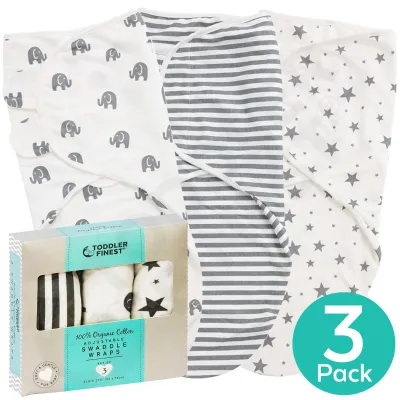
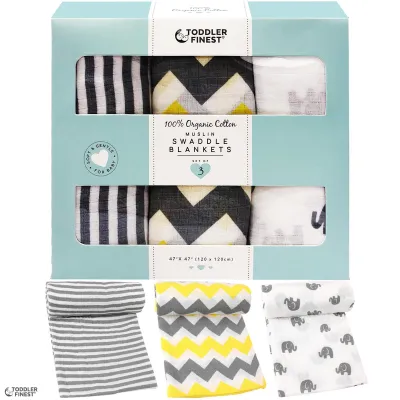
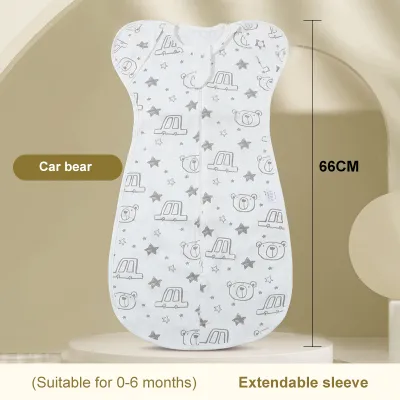
Prices are valid at publication and may change. Please refer to the product page for the latest price.
Cotton and Muslin: Breathable and Gentle
Standard cotton and cotton muslin represent the gold standard for infant bedding due to their exceptional durability and natural origin. Cotton fibers are inherently soft, hypoallergenic, and capable of withstanding the relentless washing cycles that come with newborn care. Standard woven or knitted cotton blankets provide a comforting, substantial weight that helps soothe babies, making them excellent choices for everyday use in temperate environments or air-conditioned rooms.
Muslin is a specific type of plain-weave cotton characterized by its exceptionally loose, open structure. This unique weave makes muslin incredibly lightweight and highly breathable, allowing heat to escape easily and reducing the risk of thermal distress. In warm, tropical climates like Singapore, muslin is highly prized for its versatility; it serves beautifully as a lightweight swaddle, a stroller shade, or a burp cloth.
However, these traditional materials do have specific limitations that gift-givers must consider. A thick, tightly woven cotton blanket can become surprisingly heavy and trap too much heat if used in a room without active ventilation. Conversely, a single layer of lightweight muslin may not offer sufficient warmth in heavily air-conditioned spaces, such as shopping malls or modern nurseries, unless it is carefully layered or paired with appropriate infant sleepwear.
Bamboo: Softness and Moisture Management
Bamboo-derived fabrics, which are typically processed into bamboo viscose or rayon, have surged in popularity as premium options for a new born baby gift. The standout feature of bamboo fabric is its extraordinarily smooth, silky texture, which feels incredibly cool and gentle to the touch. This ultra-soft surface minimizes friction against a newborn’s skin, making it an ideal choice for infants dealing with dry skin, cradle cap, or mild eczema.
Beyond its tactile appeal, bamboo excels at moisture management. The microscopic structure of bamboo fibers allows the material to absorb moisture rapidly and wick it away from the baby’s body, facilitating natural evaporation. This property is particularly beneficial in humid climates, keeping the infant dry and comfortable even if they tend to sweat during sleep.
Despite these advantages, bamboo fabrics require a higher level of care that might pose a challenge for busy new parents. To maintain the structural integrity and silkiness of bamboo viscose, manufacturers frequently recommend washing the fabric on a gentle cycle in cold water and line-drying it in the shade. Harsh detergents, hot water, and high-heat tumble drying can cause the fibers to pill, shrink, or lose their characteristic softness over time, which is an important trade-off to weigh when selecting a practical gift.
Fleece: Warmth and Overheating Risks
Fleece is a synthetic fabric, typically constructed from polyester fibers, designed to mimic the warmth and loft of natural wool. It is widely appreciated for its plush, cloud-like texture and its ability to provide immediate thermal insulation. Many decorative baby blankets feature fleece or sherpa backings because they feel incredibly cozy to adult hands and are highly durable.
However, the dense, synthetic nature of fleece introduces a critical safety concern: a severe lack of breathability. Unlike natural fibers, polyester fleece does not allow air to circulate freely and tends to trap body heat and moisture close to the skin. This heat retention can rapidly lead to overheating, which pediatric safety guidelines identify as a significant risk factor for Sudden Infant Death Syndrome (SIDS).
Consequently, fleece blankets must be used with extreme caution and clear boundaries. They are entirely unsuitable for swaddling, unsupervised sleep, or use in warm indoor environments. If you choose to gift a fleece blanket, it should be intended strictly for supervised outdoor use in chilly weather—such as a protective stroller cover during a cool evening walk—or as a soft play mat for supervised tummy time on the floor.
Safety Standards and Comfort Checks for Sensitive Skin
Evaluating a baby blanket goes beyond reading the primary material name on the packaging. To ensure a new born baby gift is genuinely safe for delicate skin, you should perform several physical checks and verify specific manufacturing standards.

Breathability and Overheating A reliable way to test a blanket’s breathability is the simple “breath-through” check. Hold a single layer of the fabric firmly against your mouth and attempt to breathe through it; if you experience significant resistance or feel your breath immediately warming up the fabric, the material is likely too dense for safe, unsupervised newborn sleep. Ensuring adequate airflow prevents carbon dioxide rebreathing and helps maintain a stable, safe body temperature.
Labels and Certifications Always examine the physical product label for exact fiber composition rather than relying solely on front-of-package marketing claims. Look for recognized independent textile certifications such as the Oeko-Tex Standard 100 or the Global Organic Textile Standard (GOTS). These certifications verify that the finished fabric has been rigorously tested for harmful levels of toxic chemicals, formaldehyde, and heavy metals, providing peace of mind for gifts destined for sensitive newborn skin.
Physical Safety Checks Before purchasing or gifting any baby blanket, conduct a thorough physical inspection of its construction. Run your fingers along the seams to ensure they are flat, soft, and free of rough nylon threads that could scratch a baby’s skin. Check the entire blanket for loose threads, hanging loops, or decorative elements like buttons, tassels, ribbons, and sequins; these embellishments can easily unravel, posing serious choking hazards or wrapping around a baby’s tiny fingers and toes.
Dyes and Finishes Newborn skin is highly permeable, meaning it can absorb chemical residues left behind by industrial textile processing. To minimize the risk of contact dermatitis and allergic reactions, prioritize blankets made with non-toxic, water-based, or baby-safe dyes. Opting for pastel shades, undyed natural fibers, or organic fabrics with minimal printing is an excellent way to ensure the blanket remains gentle on the baby’s skin from day one.
How to Choose the Right Blanket as a New Born Baby Gift
Selecting the perfect blanket involves translating material safety into a practical item that fits seamlessly into the parents’ daily routine and local environment.
Size and Weight For newborns, size and weight are paramount safety factors. A standard swaddle blanket should measure approximately 110cm by 110cm to 120cm by 120cm, providing enough fabric to wrap the baby securely without creating excessive, bulky layers. Avoid gifting oversized, heavy throw blankets for infants, as excess fabric can easily shift and cover the baby’s face, presenting a suffocation hazard. Lightweight, single-layer blankets are always the safest choice.
Climate and Environment In a tropical climate like Singapore, the local environment demands a highly versatile approach. While outdoor temperatures remain hot and humid, indoor environments like nurseries, apartments, and shopping centers are frequently chilled by powerful air conditioning systems. A thoughtful gift strategy is to provide a curated set: a couple of ultra-breathable, lightweight muslin swaddles for outdoor transit, paired with a slightly denser, knitted organic cotton blanket to keep the baby comfortable in cool, air-conditioned rooms.
Ease of Care New parents are often overwhelmed by laundry, washing multiple loads a day to keep up with spit-ups and diaper leaks. A blanket that requires delicate hand-washing, specialized detergents, or hours of careful air-drying can quickly become a burden rather than a helpful gift. Prioritize blankets that are explicitly labeled as machine washable and safe for low-heat tumble drying, ensuring the gift remains a practical, low-maintenance favorite in the household.
Frequently Asked Questions (FAQ)
Can I gift a weighted blanket for a newborn?
No, you should never gift or use a weighted blanket for a newborn or infant. Weighted blankets and weighted sleep swaddles pose severe safety risks, including chest compression, restricted breathing, and an increased risk of suffocation. Newborns do not possess the physical strength to push heavy materials away from their faces, making lightweight, non-weighted blankets the only safe option.
How many blankets should I include in a new born baby gift set?
Gifting a set of 2 to 3 blankets is highly practical and deeply appreciated by new parents. Because baby blankets are frequently soiled by spit-up, drool, and diaper accidents, parents need a continuous rotation. Having multiple blankets ensures that there is always a clean one available while others are in the washing machine or drying.
Is it safe to use a blanket with a satin trim for a newborn?
A blanket with a satin trim can be safe, but it requires careful scrutiny before gifting. You must ensure that the satin border is securely stitched to the main fabric with dense, high-quality thread and has no loose edges or frayed fibers. Avoid any designs where the trim forms loose loops or features dangling ribbons, as these can easily catch on a newborn’s fingers or toes.
Community discussion
Share your experience or ask a question. Comments are reviewed before publication.