
The safest and most comfortable kids blankets for Singapore’s warm climate are those made from highly breathable, moisture-wicking natural fibers like open-weave cotton muslin or bamboo-derived viscose, as well as specialized lightweight synthetic blends. Because Singapore combines intense tropical humidity with heavily air-conditioned indoor sleeping environments, children need blankets that prevent overheating while offering gentle protection against sudden chills. Selecting the right material involves understanding how fabric weight, weave, and moisture-handling capabilities interact with a child’s developing thermoregulation system.
Choosing bedding for children in this region requires balancing outdoor warmth with indoor cooling. A blanket that is too heavy will trap heat and cause sweating, while a blanket that is too thin might leave a child shivering under the direct flow of an air-conditioner. By focusing on materials that allow air to circulate and moisture to evaporate, parents can create a safe, cozy, and hygienic sleep environment that supports healthy rest.
Why Singapore's Climate Changes the Rules for Kids' Blankets
Singapore’s tropical climate presents a unique set of challenges for parents selecting bedding. Outdoors, the weather is consistently hot and humid throughout the year, with temperatures regularly exceeding 30 degrees Celsius. Indoors, however, many families rely on air-conditioning to create a comfortable sleeping environment, dropping temperatures significantly. This creates a stark contrast: a child might go from a warm, humid living room directly into a cool, dry bedroom, requiring bedding that can adapt to both conditions seamlessly.
Products mentioned in this guide
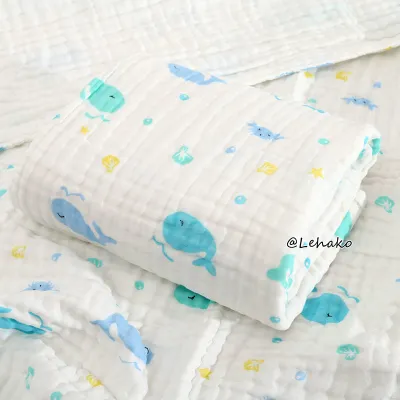
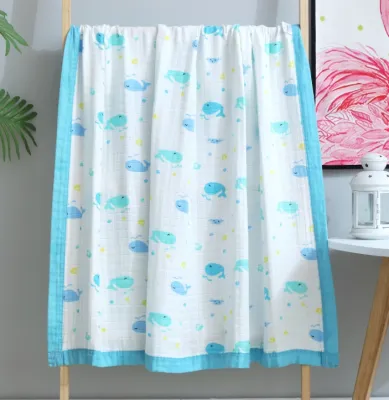
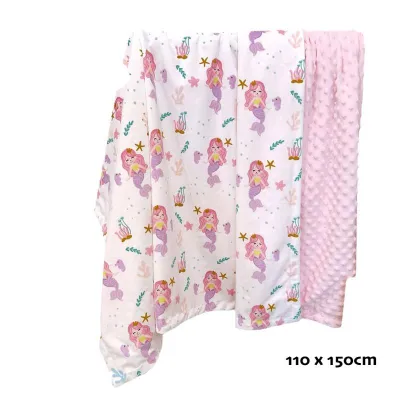
![[SG Stock] Super Soft Baby Kids Blanket Plush Minky Dot backing / Toddler Childcare Center Aircon Blanket (2 Size)](https://img.lazcdn.com/g/p/f863e1828cb9110bae5c6d7fa91c7123.jpg_400x400q80.jpg_.webp)
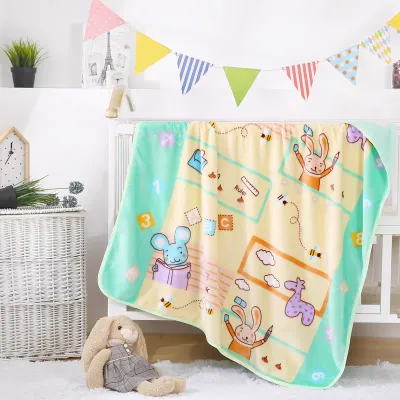
Prices are valid at publication and may change. Please refer to the product page for the latest price.
Children’s bodies regulate temperature differently than adults. Their surface-area-to-mass ratio is higher, meaning they lose heat more rapidly when exposed to cool drafts, yet they also sweat more quickly when slightly overheated. Because their internal thermoregulation systems are still developing, kids are highly susceptible to sudden chills from air-conditioning units as well as rapid overheating if their bedding traps too much body heat. This vulnerability makes standard, heavy blankets designed for temperate climates unsuitable for local use.
High humidity also introduces physical risks to the sleeping environment. When a blanket traps sweat, the moisture has nowhere to escape, leading to damp fabric that clings to the skin. This persistent dampness can trigger heat rashes, eczema flare-ups, and skin irritation. Furthermore, in Singapore’s humid air, slow-drying fabrics can quickly become breeding grounds for dust mites, mold, and mildew, which are common triggers for pediatric allergies and asthma.
The core objective when choosing kids blankets in Singapore is finding a material that balances lightweight warmth with high breathability. The ideal blanket must provide just enough insulation to protect against the air-conditioner’s chill while allowing excess body heat and moisture to escape. Achieving this balance ensures uninterrupted sleep, protects delicate skin, and maintains a hygienic sleeping environment that resists allergen buildup.
Essential Material Traits for Safety and Comfort
To find the perfect balance, parents should focus on specific physical and safety characteristics rather than relying on generic marketing terms.

Breathability and Airflow The physical construction of the fabric is the primary factor in determining breathability. Loose weaves, such as those found in gauze or muslin, contain tiny gaps between the threads that allow air to circulate freely. This open structure prevents a pocket of hot air from building up around the child’s body. When evaluating a blanket, holding it up to the light can help you visually assess the tightness of the weave and estimate its airflow capacity.
Moisture Management Effective moisture management is critical in a humid climate. There is a distinct difference between materials that simply absorb moisture and those that actively wick it away. Highly absorbent materials like standard cotton will soak up sweat but may hold onto that moisture, leaving the blanket damp and cold. Moisture-wicking fabrics, on the other hand, pull sweat away from the skin and spread it across the fabric surface so it can evaporate rapidly, keeping the child dry and comfortable.
Weight and Drape A blanket’s physical weight and how it drapes over the body are critical safety factors, particularly for younger toddlers. Heavy, stiff blankets can restrict a child’s natural movement during sleep and, in worst-case scenarios, pose a suffocation risk if pulled over the face. Lightweight fabrics with a soft, fluid drape conform gently to the child’s body without applying pressure, allowing them to roll over easily and adjust their position throughout the night.
Skin Sensitivity and Chemical Safety Parents must look beyond the “natural” label when evaluating safety. Many natural fibers undergo heavy chemical processing, dyeing, and finishing to achieve their soft texture or wrinkle-resistant properties. These residual chemicals can easily irritate a child’s sensitive skin, leading to contact dermatitis or worsening existing allergies. Choosing fabrics that are certified free from harmful substances is essential for protecting your child’s health.
Evaluating Common Blanket Fabrics for Tropical Use
Different fabrics offer distinct advantages and trade-offs when used in Singapore’s climate. Understanding these differences allows parents to make an informed choice based on their child’s specific sleeping environment.
Natural and Plant-Based Fibers (Cotton, Muslin, Bamboo-Derived)
Cotton muslin, often referred to as gauze cotton, is widely regarded as one of the most reliable choices for children’s bedding. Its open, plain-weave structure makes it exceptionally breathable and lightweight. However, parents should be cautious with standard cotton blankets that feature a tight, heavy weave, such as thick flannel or heavy knit blankets. While soft, these dense cotton variations retain moisture and take a long time to dry in Singapore’s humid conditions, which can lead to a musty odor.
Bamboo-derived viscose or rayon has become increasingly popular due to its silky, cool-to-the-touch feel and excellent drape. This material naturally feels cooler than cotton, making it highly appealing for warm nights. However, because manufacturing processes for bamboo textiles vary widely, some bamboo fabrics may not breathe as well as others. It is important to verify the manufacturer’s specific claims regarding breathability and to physically feel the fabric’s thickness before purchasing.
When choosing any natural fiber blanket, parents should pay close attention to the fabric weight, typically measured in grams per square meter (GSM). For Singapore’s climate, a lower GSM (typically under 200 GSM) is ideal. A heavy natural fiber blanket, even one made of high-quality cotton or bamboo, will still trap too much heat in an air-conditioned room and cause the child to sweat, defeating the purpose of choosing a natural material.
Synthetic and Blended Fabrics (Microfiber, Polyester Blends)
Modern synthetic fabrics, such as high-quality microfiber and polyester blends, offer several practical benefits for busy parents. These materials are incredibly lightweight, highly durable, and naturally resistant to wrinkling and shrinking. Most importantly, synthetics dry exceptionally fast after washing. In Singapore’s humid climate, where laundry can take a long time to air-dry indoors, the quick-drying nature of polyester blends is a significant convenience for frequent laundering.
The primary concern with synthetic blankets is their tendency to retain heat. Traditional polyester fibers are non-porous and can trap body heat and sweat, creating a clammy, uncomfortable sleeping environment. However, modern textile technology has introduced advanced synthetic weaves designed specifically for activewear and high-performance bedding. These specialized weaves feature engineered channels that actively wick moisture and encourage airflow, mimicking the performance of natural fibers.
To ensure a synthetic blanket is suitable, parents should physically test the fabric’s breathability. Avoid cheap, tightly woven synthetic blankets that feel slick or plastic-like to the touch, as these are highly likely to trap heat. Instead, look for synthetic blends that feature an open knit or a brushed texture designed to promote ventilation, ensuring the fabric remains comfortable even if the air-conditioning is turned off.
How to Verify Safety, Quality, and Care Labels
Before purchasing any blanket for your child, it is essential to perform a thorough check of the product’s labels and physical construction.
Certifications and Labels To guarantee that a blanket is safe for sensitive skin, look for recognized independent textile certifications. The most common and reliable certification is the OEKO-TEX Standard 100. This label ensures that every component of the blanket, from the threads to the dyes and finishes, has been rigorously tested for harmful levels of toxic chemicals. Checking for this certification on the product tag or the manufacturer’s official website provides peace of mind that the fabric is safe for close skin contact.
Care and Drying Instructions Always review the wash care label carefully before buying. In Singapore’s humid environment, hygiene is a constant battle, and blankets need to be washed frequently to remove sweat, dust mites, and dead skin cells. Avoid blankets that require dry cleaning or delicate line-drying in direct sunlight if you do not have the outdoor space. Choose machine-washable blankets that can be tumble-dried on low heat or air-dried quickly indoors without developing a musty smell.
Physical Safety Checks Perform a physical inspection of the blanket before introducing it to your child’s bed. Check all seams and edges for secure, tight stitching, as loose threads can easily wrap around a child’s fingers or toes, cutting off circulation. Ensure there are no small, detachable decorations such as buttons, sequins, beads, or long decorative tassels. These elements can easily detach during sleep or washing and pose a severe choking hazard for younger children.
Return and Trial Policies Children can be highly sensitive to the texture, weight, and feel of their bedding. What feels soft to an adult might feel scratchy or irritating to a child with sensory sensitivities. When shopping, prioritize retailers and brands that offer clear return or trial policies. This allows you to feel the fabric at home and ensure your child is comfortable with the texture and weight before committing to the purchase.
Frequently Asked Questions (FAQ)
How should I adjust blanket use for air-conditioned rooms?
When using air-conditioning, it is best to opt for a lightweight, breathable blanket rather than a heavy duvet or quilt. Heavy bedding can cause rapid overheating, which often prompts children to kick the blanket off entirely, leaving them exposed to the cold air. To maintain a stable sleeping temperature, dress your child in light, breathable cotton pajamas and layer them with a thin muslin or bamboo blanket. Additionally, ensure the child’s bed is positioned away from the direct path of the air-conditioner’s cold draft to prevent sudden temperature drops.
Are weighted or heavy quilts safe for toddlers in warm climates?
Heavy quilts, thick comforters, and weighted blankets are generally not recommended for infants and young toddlers. In a warm climate like Singapore’s, these heavy layers pose a significant risk of rapid overheating, which is a known risk factor for sleep disturbances and safety hazards. Furthermore, the physical weight of these blankets can restrict a young child’s movement, making it difficult for them to roll over or clear their airway if the blanket covers their face. If you are considering a weighted sensory blanket for an older child, always consult a pediatrician first and ensure the blanket’s weight strictly adheres to professional safety guidelines relative to your child’s body weight.
Community discussion
Share your experience or ask a question. Comments are reviewed before publication.