
Why Fabric Choice Matters for Newborn Sensitive Skin
Newborn skin is incredibly delicate, making fabric choice the single most critical decision when selecting a thoughtful newborn gift. An infant’s skin is up to 30% thinner than adult skin, which makes it highly susceptible to friction, chemical irritants, and chafing. Because the skin barrier is still developing, it is more permeable to external substances, meaning synthetic dyes or harsh chemical residues can easily cause irritation or allergic reactions.
Furthermore, a newborn’s ability to regulate body temperature is still developing. In Singapore’s tropical climate, where high outdoor humidity contrasts sharply with chilly, air-conditioned indoor spaces, finding a balance between breathability and warmth is essential. The wrong material can quickly trap sweat and heat, leading to heat rash (miliaria) or sleep discomfort. Selecting a highly breathable, moisture-wicking fabric is the ultimate way to ensure the baby stays comfortable and safe during sleep and play.
Top Safe and Soft Blanket Materials for Newborns
To find the ideal blanket, you must compare materials based on their tactile softness, thermal performance, and safety against direct skin contact. While store shelves are filled with beautiful designs, the underlying fiber structure determines how the fabric behaves under real-world conditions. Natural and high-quality semi-synthetic fibers generally offer the best performance for infant care.
Products mentioned in this guide
Prices are valid at publication and may change. Please refer to the product page for the latest price.

Cotton (Muslin and Jersey)
Pure 100% cotton remains the gold standard for infant bedding and blankets. Its natural fibers are inherently hypoallergenic, highly breathable, and exceptionally absorbent, allowing moisture to wick away from the skin rather than trapping it. This natural airflow helps maintain a stable body temperature, preventing the baby from overheating during naps.
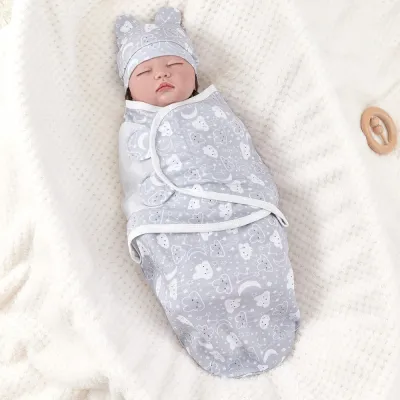
Muslin cotton features a loose, open plain weave that provides maximum breathability. This makes muslin swaddles incredibly lightweight and ideal for Singapore’s humid environment, as they get progressively softer with every machine wash. Jersey knit cotton, on the other hand, offers a different texture. It is knitted rather than woven, providing a comfortable, t-shirt-like stretch that gently hugs the baby, making it excellent for receiving blankets where a bit of elasticity helps secure a cozy wrap.
When shopping for a cotton newborn gift, look for organic cotton certifications such as GOTS (Global Organic Textile Standard) or OEKO-TEX Standard 100 on the product tag. These certifications verify that the textile has been tested for harmful substances and conventional agricultural residues. Even with certified organic cotton, always wash the blanket before its first use to ensure maximum cleanliness.
Bamboo Viscose and Rayon
Bamboo-derived fabrics have gained immense popularity due to their silk-like softness and luxurious drape. This incredibly smooth texture minimizes friction against a newborn’s sensitive skin, preventing mechanical irritation and chafing. Bamboo viscose is also exceptionally moisture-wicking, absorbing moisture faster than standard cotton to keep the baby dry and comfortable.
This cooling sensation is highly beneficial in tropical climates, helping to prevent sweat rash during afternoon sleep. However, consumers should understand the material reality behind the marketing. While often promoted as an entirely natural, antimicrobial miracle fabric, bamboo viscose is a semi-synthetic rayon. The chemical manufacturing process transforms the natural bamboo cellulose into a synthetic fiber, which strips away any inherent antimicrobial properties of the original plant.
Despite this processing, the physical performance of bamboo viscose remains outstanding. Its cooling touch, excellent breathability, and unmatched softness make it a premium choice for infant wear. When gifting bamboo blankets, focus on these physical performance benefits rather than unverified chemical claims.
Fleece and Synthetic Blends
Polyester micro-fleece is a common synthetic option known for its plush, cloud-like softness and affordable price point. While fleece blankets feel incredibly cozy to the touch, they possess limited breathability compared to natural fibers. Synthetic fibers are designed to insulate, which means they trap heat and moisture close to the body and can easily cause overheating in warm climates.
If you choose to give a fleece blanket as a newborn gift, advise the parents to use it selectively. It is not suitable for direct swaddling or unsupervised sleep in warm rooms. Instead, a fleece blanket serves beautifully as a stroller cover during evening walks, a clean play mat for tummy time on tiled floors, or an extra layer in heavily air-conditioned environments like shopping malls or pediatric clinics.
Materials to Avoid or Use with Caution
Not all soft fabrics are safe for direct contact with newborn skin. Traditional wool, while natural and highly insulating, has coarse fibers that can easily irritate delicate skin, causing itching, redness, or contact dermatitis. If a wool blanket is gifted, it must be used strictly as an outer layer over a protective sheet or clothing, never directly against bare skin.
Heavy synthetic blends—such as thick, high-pile polyester sherpa—should also be avoided as they trap excessive heat and moisture, increasing the risk of heat rash. Beyond the fibers themselves, decorative hazards pose significant safety risks. Avoid blankets featuring loose sequins, beads, long tassels, fringes, or rough embroidery. These elements can scratch sensitive skin, wrap around tiny fingers, or detach to become choking hazards.
Lastly, avoid textiles treated with harsh chemical finishes, such as synthetic flame retardants or heavy artificial fragrances. Always look for blankets verified by reliable safety standards like OEKO-TEX Standard 100 to ensure they are free from harmful chemical residues. Before using any new textile product on an infant, always check the applied product’s label and the manufacturer’s care instructions.
How to Choose the Perfect Newborn Gift Blanket
Selecting the perfect newborn gift requires looking beyond the material to evaluate practical dimensions like size, weight, and construction. First, consider the blanket’s intended function. Swaddle blankets are typically larger, measuring between 40×40 and 47×47 inches, which provides enough fabric to wrap a baby securely to mimic the womb. Receiving blankets are smaller, usually around 30×30 inches, making them highly versatile utility cloths for burping, covering a changing mat, or providing a light shield.
Edge finishing is another critical detail; look for flat, smooth seams or neatly hemmed edges. Thick, bulky bindings or rough polyester threads can press into a baby’s skin and cause discomfort during sleep. The weight of the fabric should be light enough to allow free movement while providing a comforting, gentle pressure.
Finally, practical care is paramount for new parents who face endless laundry cycles. Ensure the blanket is fully machine washable and durable enough to withstand low-temperature tumble drying. Avoid hand-wash-only or delicate dry-clean items, as they are highly impractical for a busy household.
Caring for Newborn Blankets to Maintain Softness and Safety
Proper maintenance is essential to preserve both the physical softness and the safety of a baby blanket. Before washing or using any new textile product on an infant, always check the applied product’s label and the manufacturer’s care instructions. It is highly recommended to wash all new blankets before their first use to eliminate manufacturing residues, dust, or chemical finishing agents accumulated during transit.
Use a mild, fragrance-free, and dye-free liquid detergent formulated specifically for baby skin. Avoid commercial fabric softeners and dryer sheets entirely. While they promise extra softness, these products leave a chemical coating on the fibers that significantly reduces the fabric’s natural breathability and moisture-wicking capabilities. This coating can also trigger skin allergies or contact dermatitis on sensitive newborn skin. Always follow the specific temperature and drying instructions on the manufacturer’s care label to prevent shrinkage and preserve the integrity of the weave.
Frequently Asked Questions (FAQ)
Are weighted blankets safe for newborns?
No, weighted blankets are strictly unsafe for newborns and infants under any circumstances. Pediatric safety guidelines warn that the extra weight of these blankets can restrict a baby’s chest wall movement, making breathing difficult. Additionally, if an infant rolls over onto their stomach, the weight can prevent them from turning back, significantly increasing the risk of suffocation. Weighted blankets also trap excessive body heat, which can lead to dangerous overheating. For safe sleep, stick to lightweight, breathable swaddles or infant sleep sacks approved by pediatric health authorities.
What is the difference between a swaddle and a receiving blanket?
The primary differences lie in their size, fabric thickness, and intended utility. A swaddle blanket is typically larger (around 47×47 inches) and made of lightweight, breathable material like muslin cotton. Its generous size and slight stretch allow parents to wrap the baby snugly to prevent the startle reflex. A receiving blanket is smaller (usually 30×30 inches) and often made of slightly thicker jersey cotton or flannel. While it can be used for swaddling very small newborns, its primary role is as a multi-purpose utility cloth—serving as a burp cloth, a stroller cover, a clean surface for diaper changes, or a light cover-up. Gifting a set of high-quality muslin swaddles is highly recommended, as they offer the greatest versatility during the first few months of a baby’s life.
Community discussion
Share your experience or ask a question. Comments are reviewed before publication.