
A high-quality branch LED light must balance aesthetic realism, robust structural materials, and strict electrical safety compliance to suit the unique climate and housing environments of Singapore. When selecting branch lights for your home, the best brands are those that prioritize low-voltage safety, offer certified power adapters, use high-quality flexible copper cores or durable resin structures, and feature high color rendering index (CRI) LEDs that emit stable, flicker-free light. Since Singapore’s tropical humidity can accelerate the degradation of low-grade plastics and adhesives, investing in reputable brands that offer warranties and carry the local Safety Mark ensures both longevity and peace of mind.
Key Quality Indicators When Evaluating Branch LED Brands
Material and Build Quality When evaluating branch LED brands, the choice of materials directly impacts both the lifespan and the aesthetic appeal of the product. High-quality brands typically offer two main construction styles: flexible copper wire branches and rigid molded resin branches. Flexible copper wire designs allow you to shape the branches to fit various decorative vases, but low-grade brands often use thin, brittle wires that snap after only a few adjustments. Premium manufacturers utilize multi-strand, oxygen-free copper wires wrapped in thick, protective insulating tape or flexible silicone sleeves, which can withstand repeated bending. For molded branches, such as those mimicking birch or willow twigs, top-tier brands use hand-wrapped, UV-resistant polymer wraps or high-density resin that realistically replicates bark textures without peeling, cracking, or releasing unpleasant chemical odors when warmed by the LEDs.
The realism of artificial leaves, petals, or bark textures is another key differentiator of premium brands. Cheap, unbranded branch lights often use thin, low-density polyethylene that looks synthetic, yellows quickly under ambient light, and frays at the edges. In contrast, reputable brands employ high-grade, semi-translucent frosted acrylics, soft silicone, or treated silk for cherry blossoms and floral elements. These premium materials excel at diffusing the LED light evenly, eliminating harsh hot spots and creating a soft, natural glow that enhances the room’s atmosphere.
Products mentioned in this guide
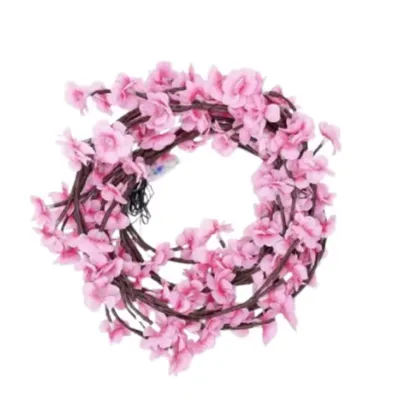
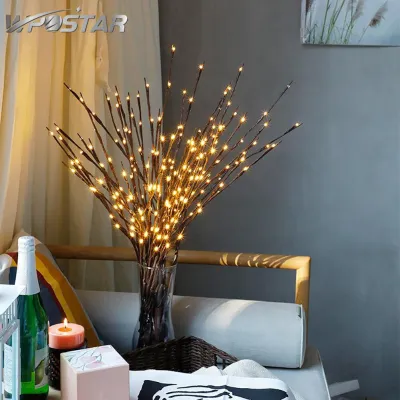
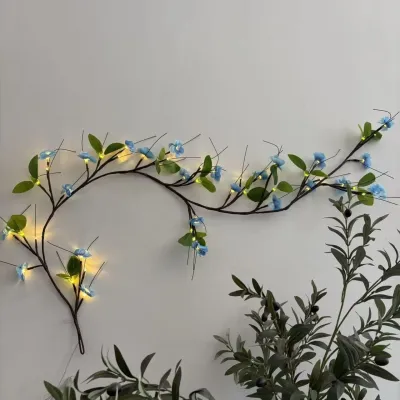
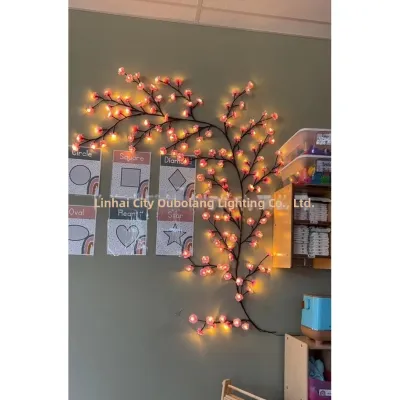
Prices are valid at publication and may change. Please refer to the product page for the latest price.
LED Chip Performance LED chip performance determines the visual comfort and quality of the light emitted. Premium brands use binned LED chips to ensure uniform brightness and color temperature across every single branch. In contrast, lower-quality lights often exhibit noticeable color variance, where some bulbs appear warm white while others lean towards a harsh, greenish-yellow tint. Look for brands that specify a Color Rendering Index (CRI) of 80 or higher, which ensures that your home decor, furniture, and wall colors look natural and vibrant under the light. For cozy Singaporean living spaces, a warm white color temperature of 2700K to 3000K is ideal, while festive or modern themes benefit from dynamic RGB options that offer smooth, gradual color transitions rather than abrupt, flashing patterns.
Wire and Connector Durability The structural integrity of the wires and connectors is crucial for safe, long-term operation. Because branch lights are often top-heavy, especially when decorated with acrylic crystals or dense artificial foliage, premium brands design their products with weighted bases or rigid lower trunks to prevent them from sagging or tipping over in tall vases. Furthermore, high-quality lights feature robust strain relief boots where the wire meets the power connector or battery box. This prevents the delicate internal copper wires from pulling away from the solder joints during handling, which is a common cause of premature product failure in cheaper alternatives.
Electrical Safety and Compliance Checks for Singapore Homes
Voltage Compatibility Singapore’s household electricity is delivered at 230V AC with a frequency of 50Hz. Because decorative branch lights operate on much lower direct current (DC) voltages—typically 5V, 12V, or 24V—they require an external step-down transformer or power adapter to run safely. Using an uncertified, low-quality adapter can lead to severe overheating, electrical short circuits, or even fire hazards. Before buying, always verify that the input specifications printed on the power adapter match Singapore’s 230V/50Hz standard, and ensure that the adapter’s output voltage matches the exact requirements of the branch light.

Safety Mark Requirements Under Singapore’s Consumer Protection (Safety Requirements) Scheme, controlled electrical products like AC adapters, power plugs, and decorative lighting chains must be registered with Enterprise Singapore and carry the Safety Mark. This mark features a distinctive logo alongside a unique 8-digit registration number, indicating that the adapter has undergone rigorous testing against local safety standards. For ultimate safety, especially in homes with curious pets or young children, consider low-voltage USB-powered or battery-operated branch lights. These operate on low DC voltages (typically 3V to 5V), which virtually eliminates the risk of dangerous electrical shocks, though they still require high-quality battery compartments to prevent chemical leakage.
Heat Dissipation and Enclosures While LEDs are highly energy-efficient, they still generate a small amount of heat from their internal driver circuits and resistors. If you plan to place branch lights inside enclosed glass vases, jars, or narrow decorative containers, heat can accumulate over hours of continuous operation. This trapped heat can accelerate the degradation of the wire insulation, yellow the plastic foliage, and shorten the lifespan of the LED chips. To prevent this, ensure there is adequate ventilation at the top of the vessel, or select brands that specifically design their lights with low-current, high-efficiency LEDs that remain completely cool to the touch even after hours of use.
Actionable Safety Checks Before purchasing any branch LED light, perform a thorough physical inspection of the product label. A genuine, certified product will clearly display the manufacturer’s name, model number, electrical specifications, and relevant safety certifications (such as CE, RoHS, or the local Safety Mark). Be cautious of spelling errors on labels, missing specifications, or adapters that feel unusually lightweight and hollow, as these are common indicators of counterfeit or sub-standard goods. If you notice any signs of damage, such as exposed copper wiring, a cracked adapter housing, flickering lights, or a faint burning smell, immediately disconnect the power supply and cease using the product.
Recommended Branch Light Styles for Different Decor Themes
Cherry Blossom and Floral Branches Cherry blossom and floral branch lights are highly favored in Singapore for adding an elegant, romantic touch to master bedrooms or serving as vibrant centerpieces during festive seasons like Chinese New Year. When evaluating floral branch lights, look closely at the realism of the petals and how they diffuse light. High-quality brands use soft, flexible silicone or frosted acrylic petals that wrap snugly around each LED bulb. This design scatters the light softly, mimicking the natural luminescence of a flower. Avoid cheap models that use rigid, clear plastics, which tend to create sharp, blinding glare points and look unnatural when switched off.
Weeping Willow and Vine Lights Weeping willow and vine lights are perfect for draping over bed headboards, wrapping around curtain rods, or running along floating shelves to create a dramatic, organic look. Because these lights rely on draping, branch flexibility and overall weight are critical factors. Look for brands that use ultra-flexible, multi-strand copper wire encased in a clear, weather-resistant PVC sleeve. This ensures the vines can drape naturally without stiff, awkward angles. The weight must be distributed evenly along the length of the vine so that it does not put excessive strain on your mounting hooks or wall adhesives.
Fiber Optic and Crystal Branches Ideal for modern, minimalist, or luxurious living rooms, fiber optic and crystal branch lights focus on light refraction and high-tech aesthetics. High-quality crystal branches feature cleanly faceted acrylic or glass crystals that catch the LED light and project sharp, beautiful patterns onto nearby walls. Fiber optic variants use high-purity PMMA plastic fibers that guide light to the very tips of the branches, creating tiny, shimmering points of light. When selecting these styles, verify the stability of the base, as the added weight of the crystals or fiber optic bundles requires a sturdy, well-balanced stand to prevent accidental tipping.
Bare Winter or Twig Branches Perfect for Scandinavian, rustic, or industrial interior themes, bare twig lights emphasize natural textures and subtle, minimalist lighting. The key quality indicator here is the realism of the bark texture. Premium brands use hand-wrapped paper tape or textured resin that realistically mimics the look of birch, willow, or cherry wood. The LEDs should be micro-sized (often called dewdrop or fairy LEDs) and seamlessly embedded directly into the twigs, making them almost invisible when turned off. This creates a magical, understated glow that enhances the cozy, warm atmosphere of your living space without overwhelming the room’s design.
Where to Buy Reliable Branch Lights and Verify Warranties
Preferred Retail Channels To ensure you are purchasing authentic, high-quality branch LED lights, it is best to shop through established channels. In Singapore, reputable home decor chains, specialized lighting showrooms in design hubs like Balestier or Jalan Besar, and official brand flagship stores on major online marketplaces are reliable options. Shopping at physical showrooms allows you to inspect the build quality, feel the materials, and verify the light output and color temperature in person. When shopping online, stick to official brand stores or authorized distributors to guarantee you receive genuine products with proper electrical certifications.
Red Flags to Avoid Be highly skeptical of unbranded branch lights sold by unverified third-party sellers on online marketplaces at suspiciously low prices. These products often bypass local safety testing, lack the required Safety Mark, and use thin, low-grade wiring that poses a fire hazard. Red flags include product listings with incomplete or vague technical specifications, a complete absence of warranty details, and sellers who do not provide a physical address or local contact information. Purchasing from these sellers makes it nearly impossible to seek support or obtain a refund if the product arrives damaged or fails within a few weeks.
Warranty and Returns A reliable manufacturer should offer a reasonable warranty period for decorative lighting, typically ranging from three months to one year. When your branch lights are delivered, perform an immediate quality check. Unbox the product carefully, inspect the wires for any cuts or exposed copper, and plug them in. Let the lights run for at least 30 to 45 minutes in a well-ventilated, supervised area. Check for any flickering, dead LED nodes, or excessive heat buildup in the power adapter. If you detect any defects, contact the seller immediately. Always keep the original packaging and your digital receipt, as most reputable brands require these to process warranty claims or hassle-free replacements.
Installation, Styling, and Maintenance Best Practices
Bending and Shaping Part of the appeal of branch LED lights is the ability to shape them to fit your specific decorative displays. However, improper bending can easily snap the delicate copper wires running inside the branches. To shape your lights safely, avoid bending a single section repeatedly at sharp, acute angles. Instead, use gentle, sweeping curves to mold the branches. Always support the base of the branch with one hand to absorb the tension while using your other hand to gently shape the upper twigs. This distributes the mechanical stress evenly and prevents the internal solder joints from breaking.
Placement and Ventilation Proper placement is essential to protect both your lights and your home. Ensure that the power adapter or transformer is placed in a well-ventilated, dry area where air can circulate freely around it. Never hide the power brick under thick rugs, behind tight sofa cushions, or inside completely sealed cabinets, as this can cause heat to build up to dangerous levels. Additionally, keep your branch lights away from direct, harsh sunlight coming through windows, as UV rays can degrade plastic foliage, fade colors, and cause artificial bark wraps to peel. Unless the product is explicitly rated IP44 or higher for outdoor use, keep it strictly indoors away from humid areas like open bathrooms or wet kitchens.
Cleaning and Storage Over time, dust will inevitably settle on the leaves, petals, and branches of your lights, which can dull their appearance and reduce light output. To clean them safely, always unplug the lights from the wall first. Use a dry microfiber cloth, a soft feather duster, or a can of compressed air on a low setting to gently remove dust from the delicate components. Never use wet cloths, liquid sprays, or harsh chemical cleaners, as moisture can seep into the LED housings or wire connectors, causing short circuits. If you need to store the lights during a home renovation or seasonal change, gently fold the branches back to their vertical alignment, wrap them loosely in bubble wrap or clean tissue paper, and store them in a sturdy box in a cool, dry place to protect them from Singapore’s high humidity.
Frequently Asked Questions (FAQ)
Can I leave branch LED lights on overnight?
While modern LED branch lights are highly efficient and generate significantly less heat than traditional incandescent bulbs, it is generally not recommended to leave them running overnight unattended. Even low-voltage LEDs can experience gradual heat buildup when left on for extended periods, especially if they are placed in enclosed glass vases or near flammable materials like curtains or bedsheets. For safety in high-density residential environments like HDB flats or condominiums, it is best to turn off the lights before going to bed. If you prefer to use them as a nightlight, select brands that feature built-in automatic timers (which typically turn the lights off after 6 hours) or plug them into a certified smart plug that you can schedule to shut off automatically.
Are battery-operated branch lights better than plug-in ones?
Whether battery-operated or plug-in branch lights are better depends entirely on your specific styling needs and placement scenarios. Battery-operated models offer unmatched convenience and aesthetic neatness, as they do not require proximity to a wall outlet and eliminate unsightly dangling cords, making them perfect for dining table centerpieces, floating shelves, or decorative jars. However, they tend to have lower overall brightness, and the light output will gradually dim as the batteries drain. For long-term installations where the lights will be used daily for several hours, plug-in or USB-powered models are far more practical and cost-effective, as they provide consistent, bright illumination without the ongoing expense and environmental waste of replacing batteries.
How do I fix a branch light section that stopped working?
If a section of your branch light stops working, begin with basic, non-invasive troubleshooting. First, check if the power source is functioning correctly by testing the adapter in a different wall outlet or replacing the batteries with a fresh set, ensuring they are inserted with the correct polarity. Inspect the main cable and connectors for any loose joints or visible signs of wear. If only a single branch or section is dark while the rest of the light remains illuminated, this usually indicates a broken copper wire or a failed solder joint inside that specific branch. Because decorative branch lights use delicate, integrated circuitry, attempting to cut, splice, or solder the wires yourself poses a safety hazard and can void any warranty. If the damage is internal, it is safest to discontinue use and replace the unit.
Community discussion
Share your experience or ask a question. Comments are reviewed before publication.