
Displaying a completed 50×70 cm puzzle in Singapore requires a frame that balances structural integrity with protection against the tropical climate. While a standard 50×70 cm frame is a common retail size, choosing the best brand involves evaluating factors like frame depth, weight, and backing material. High relative humidity in Singapore can cause low-quality frames to warp and puzzle pieces to sag or mold if not properly sealed.
To find the best option, you must weigh the convenience of ready-made retail frames against the precision of local custom framing studios and online made-to-measure shops. Each avenue serves different budgets, display goals, and puzzle thicknesses. Understanding the technical requirements of puzzle framing will ensure your hard work remains preserved on your wall for years to come.
What to Look for in a 50×70 Puzzle Frame
Before purchasing any frame, you must understand that a jigsaw puzzle is fundamentally different from a thin paper poster. A completed puzzle has a distinct thickness, usually ranging between 1.5 millimeters and 3 millimeters depending on the brand and cardboard quality. This added depth requires specific structural features that standard cheap picture frames often lack.
Products mentioned in this guide
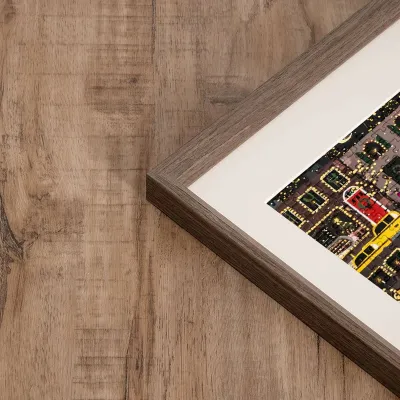
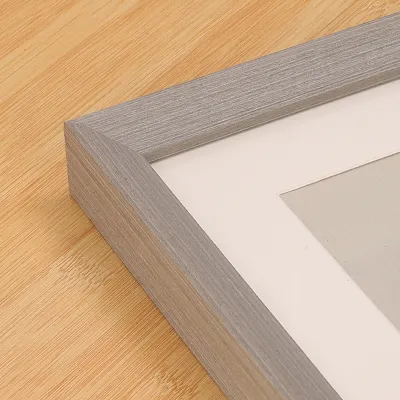
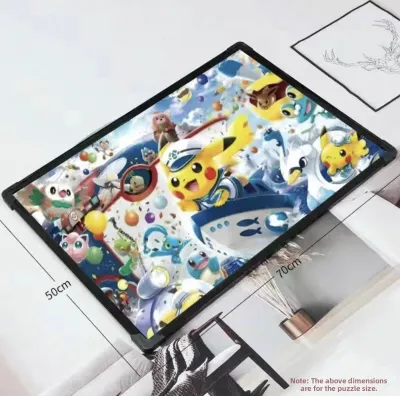
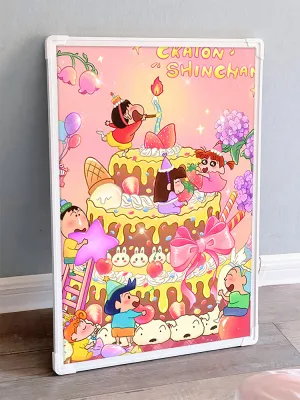
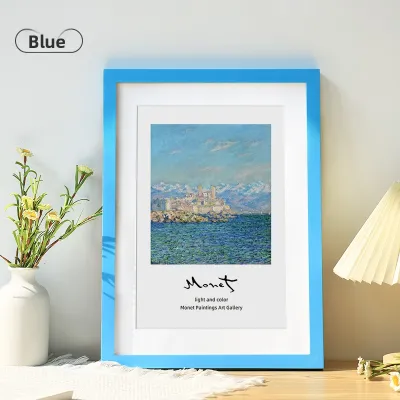
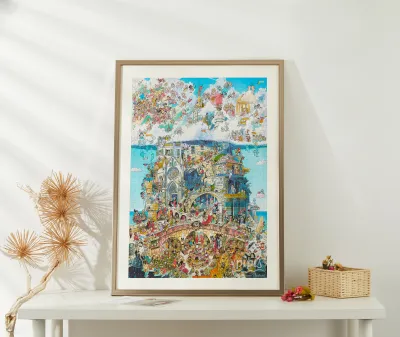
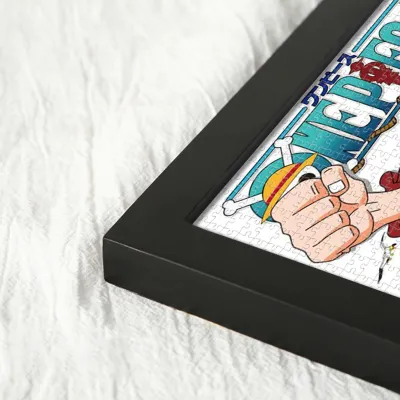
Prices are valid at publication and may change. Please refer to the product page for the latest price.
Exact Inner Dimensions While a puzzle might be labeled as “50×70 cm” on the box, the actual assembled dimensions can vary by a few millimeters. Manufacturing tolerances, cutting die variations, and the natural expansion of cardboard under local humidity can result in a finished puzzle that is slightly larger or smaller than nominal dimensions. For instance, a puzzle from a European brand might measure 50.2 by 70.3 centimeters when fully assembled. If your frame’s inner dimensions are exactly 50.0 by 70.0 centimeters, forcing the puzzle inside will cause the pieces to buckle, rise, or separate. Always measure your completed puzzle with a precise metal tape measure before selecting a frame.
Rabbet Depth The rabbet is the recessed channel or groove on the inner backside of the frame profile where the glazing, artwork, and backing board sit. For a successful puzzle display, the rabbet depth must be deep enough to accommodate the combined thickness of the front protective sheet, the puzzle itself, and the rear backing board. If the rabbet depth is too shallow—such as in basic poster frames designed only for thin paper—the backing board will protrude from the rear. This prevents the securing tabs from locking properly, putting uneven pressure on the frame structure and potentially causing the puzzle to slip.
Structural Rigidity A 50×70 cm frame is a medium-to-large format that carries significant physical weight, especially once the puzzle and backing are installed. Flimsy materials like thin, unreinforced plastic or low-density fiberboard (MDF) are prone to bowing or sagging over time under this weight. This risk is amplified by Singapore’s humid climate, which can soften weak composite materials. To prevent the top and bottom rails of the frame from curving outward, look for frames constructed from solid wood, reinforced aluminum, or high-density engineered composites with robust corner joints.
Secure Backing Mechanisms The backing board must be held firmly against the puzzle to provide uniform pressure across the entire 50×70 cm surface. Look for frames that utilize sturdy flexible metal tabs, rotating turn buttons, or screw-in metal retainers. Avoid frames that rely on simple metal push pins or weak, bendable metal points that easily snap or loosen over time. A secure backing system ensures that the puzzle pieces remain compressed flat against the glazing, preventing gravity from pulling the pieces downward and creating gaps.
Where to Buy 50×70 Puzzle Frames in Singapore
Finding the right retail source or brand in Singapore depends on your budget, how quickly you want to hang the puzzle, and the level of preservation you require. Singapore offers a mix of mass-market retail stores, specialized local framing workshops, and online made-to-measure services.

Ready-Made Frames from Retail Stores
Ready-made frames are the most accessible and cost-effective option for standard 50×70 cm puzzles. Major home decor and craft retailers across Singapore provide off-the-shelf solutions that are ideal for casual projects or tight budgets.
Local Retail Options You can find standard 50×70 cm frames at international home furnishing stores like IKEA (with popular series like Ribba, Lomviken, or Fiskbo) and craft retailers like Spotlight. Local art supply chains, such as Art Friend, also stock a reliable selection of ready-made frames in metric sizes. These retail outlets are widely distributed across Singapore, making it easy to purchase a frame on the same day you finish your puzzle.
Advantages of Ready-Made Options The primary benefit of ready-made retail frames is their affordability, with prices typically ranging from S$15 to S$45. They offer immediate availability, allowing you to complete your project without waiting weeks for production. Furthermore, shopping in person allows you to physically inspect the frame’s build quality, corner joints, and backing clips before making a purchase.
Limitations to Consider Ready-made frames are mass-produced, which means they generally feature standard MDF backing boards and basic acrylic or float glass glazing. The color and profile options are usually limited to neutral shades like black, white, and natural wood veneers. Because these frames are built to precise nominal sizes, they offer zero flexibility if your puzzle exceeds 50×70 cm by even a tiny fraction.
Verification Tip When shopping for a ready-made frame, always bring a physical tape measure to the store. Do not rely solely on the label on the packaging; measure the actual inner width and height of the frame opening to confirm it will accommodate your puzzle’s exact dimensions.
Custom Framing from Local Studios
If your puzzle is highly valuable, has sentimental value, or features non-standard dimensions, professional custom framing studios in Singapore offer the highest level of quality and preservation.
The Custom Framing Experience Singapore is home to numerous dedicated framing workshops, particularly clustered in heritage areas like Bras Basah Complex, as well as established names like Merlin Frame Maker. These studios provide a personalized consultation where you can choose from hundreds of high-quality wood, metal, or composite frame profiles. A professional framer will cut the frame, glazing, and backing to the exact millimeter of your specific puzzle.
Advantages of Custom Framing Custom framing allows you to use archival-quality, acid-free materials that protect your puzzle from environmental degradation. You can select specialized glazing, such as museum-grade anti-reflective glass or UV-blocking acrylic, which is crucial for preserving the puzzle’s ink colors. Additionally, the frame profile can be tailored to match your home’s interior decor, whether you prefer a minimalist modern look or an ornate classic style.
Preparation and Studio Policies Before taking your puzzle to a local studio, you must prepare it properly. Most framers prefer that the puzzle is already stabilized, either by applying specialized puzzle glue to the front or using adhesive mounting sheets on the back. It is highly recommended to call the studio ahead of your visit to confirm their specific policies regarding handling unglued or loose puzzles, as some workshops may charge an additional fee for mounting services.
Cost and Timeline Expectations Professional custom framing is a premium service. For a 50×70 cm puzzle, prices typically start around S$120 and can easily exceed S$300 depending on the frame profile and glazing type you select. The turnaround time also requires patience, usually taking anywhere from one to three weeks for the workshop to complete the fabrication.
Made-to-Measure Options from Online Shops
Online specialty frame shops and regional e-commerce platforms bridge the gap between cheap ready-made frames and expensive custom studios.
How Online Made-to-Measure Works These digital platforms allow you to input your puzzle’s precise measurements online. The seller then cuts a semi-custom frame kit to your specifications and ships it directly to your home in Singapore. This option provides a wider range of materials and finishes than physical retail stores without the premium price tag of a full-service framing studio.
Shipping and Packaging Considerations When ordering a large 50×70 cm frame online, shipping safety is a primary concern. Ensure the seller uses robust packaging, including reinforced corner protectors and thick bubble wrap, to protect the fragile glazing during transit. Large parcels can experience significant movement during local delivery, so reading customer reviews regarding shipping damage is essential before placing an order.
Return and Exchange Policies Because made-to-measure frames are cut to your specific dimensions, they are almost always non-refundable and exempt from standard return policies. If you make a measurement error of even a few millimeters, you will be left with an unusable frame. Double-check your measurements multiple times and read the online shop’s sizing guide carefully before finalizing your order.
Choosing the Right Glazing and Backing for Protection
Singapore’s tropical climate—characterized by high temperatures, intense sunlight, and elevated relative humidity—poses unique challenges for preserving framed puzzles. Choosing the right protective layers is critical to prevent fading, warping, and mold growth.
Acrylic vs. Glass Glazing For a medium-to-large 50×70 cm frame, acrylic (often referred to as plexiglass) is highly recommended over traditional glass. Acrylic is extremely lightweight, which significantly reduces the overall weight of the framed puzzle. This makes hanging the frame safer and minimizes the risk of the frame pulling away from the wall. Furthermore, acrylic is virtually shatterproof, providing an extra layer of safety in active households or during transport.
Evaluating the Trade-offs While acrylic is safer and lighter, it is more susceptible to surface scratches and can attract static electricity, which pulls dust and pet hair to the surface. Cleaning acrylic requires a soft microfiber cloth and specialized anti-static cleaners; using harsh glass cleaners or paper towels can permanently scratch the plastic. Glass, on the other hand, offers superior scratch resistance and is easier to clean with standard household products. However, the extreme weight of a 50×70 cm sheet of glass makes the entire assembly heavy, fragile, and dangerous if dropped.
The Importance of UV Protection Standard glass and basic acrylic do not block ultraviolet (UV) radiation. If your framed puzzle is hung in a room with large windows or direct sunlight, the UV rays will break down the inks over time, causing the vibrant colors to fade to dull, washed-out tones. To prevent this, consider upgrading to UV-filtering acrylic or glass. This specialized glazing blocks up to 99% of harmful UV rays, keeping your puzzle’s artwork vibrant for decades.
Selecting a Safe Backing Board The backing board provides the structural foundation for your puzzle inside the frame. Avoid using cheap, standard cardboard backings, as they contain high levels of acid. Over time, and especially in Singapore’s humid air, these acids will migrate into the puzzle paper, causing yellowing, staining, and physical degradation. Instead, opt for acid-free foam core boards, high-density plastic backing sheets, or moisture-resistant MDF that has been sealed to prevent off-gassing.
How to Secure and Hang Your Framed Puzzle Safely
Once you have selected your frame, glazing, and backing, the final step is assembling the components securely and mounting the heavy 50×70 cm frame safely on your wall.
Securing the Puzzle Inside the Frame To prevent the puzzle from shifting or sagging inside the frame, you must secure it properly. Applying a high-quality liquid puzzle conserver glue to the front surface is the most common method; it seals the pieces together into a single, solid sheet. Alternatively, you can apply heavy-duty adhesive mounting sheets to the back of the puzzle. If you prefer to keep the puzzle completely unglued for potential future disassembly, you must rely on a tight friction fit. This requires placing a rigid backing board of the exact thickness behind the puzzle to compress it firmly against the glazing.
Recommended Hanging Hardware For a 50×70 cm frame, do not rely on cheap, adhesive plastic hooks or simple sawtooth hangers, as they are not designed to support this weight long-term. Instead, install heavy-duty metal D-rings on the left and right sides of the frame backing, positioned about one-third of the way down from the top. Thread a strong, braided picture hanging wire through the D-rings, leaving a slight slack. For exceptionally heavy frames—especially those utilizing solid wood and real glass—consider using a French cleat system, which distributes the weight evenly across a metal or wood bracket mounted directly to the wall.
Wall Anchors for Singaporean Homes The type of wall anchor you need depends entirely on your home’s construction. Most Housing & Development Board (HDB) flats and many condominiums in Singapore feature internal walls made of reinforced concrete or solid structural brick. Mounting a frame on these walls requires using a rotary hammer drill with a masonry drill bit, followed by inserting high-quality plastic wall plugs (such as Fischer plugs) and screws. If you are mounting on drywall partitions (common in newer condo layouts or renovated study rooms), you must use specialized hollow-wall anchors or toggle bolts to prevent the screw from pulling out of the plasterboard.
Safety Boundaries and Professional Help Before you begin drilling into any wall, you must take essential safety precautions. Always isolate the electrical power to the room or area where you plan to drill to eliminate the risk of puncturing hidden electrical conduits or water pipes. Check the frame manufacturer’s instructions for weight limits and installation guidelines. If you are uncomfortable working at heights, handling a heavy glass frame, or are unsure of the wall’s structural integrity, stop immediately. Consult a qualified professional handyman or structural technician to complete the installation safely.
Frequently Asked Questions (FAQ)
Do I need to glue my 50×70 puzzle before framing it?
Gluing your puzzle is highly recommended for a 50×70 cm display. The adhesive binds the individual pieces into a single, cohesive sheet, preventing gravity from pulling the pieces downward and causing them to sag or fall out over time. If you wish to preserve the puzzle’s reusability, you can avoid glue by using adhesive backing sheets or relying on a highly compressed friction fit with a thick, rigid backing board.
Will a standard 50×70 frame fit all puzzle brands?
Not necessarily. While many puzzle manufacturers label their products as 50×70 cm, actual dimensions can vary slightly due to different cutting machinery, cardboard expansion, and manufacturing tolerances. A puzzle can easily be a few millimeters larger or smaller than the nominal size. Always use a tape measure to verify the exact height and width of your completed puzzle before purchasing a ready-made frame to avoid buckling or unsightly gaps.
How do I prevent my puzzle from sagging inside the frame?
To prevent sagging, replace flimsy cardboard backings with a rigid, acid-free backing board like foam core or high-density plastic. Ensure the frame’s backing clips exert uniform pressure across the entire surface. Additionally, apply a professional dust cover—such as heavy kraft paper secured with framing tape to the back of the frame—to seal out Singapore’s high humidity, which can soften the backing and cause the puzzle to warp.
Community discussion
Share your experience or ask a question. Comments are reviewed before publication.