
Refreshing your living space with green cushion covers is one of the most effective ways to introduce a sense of nature, luxury, or calm into your home. To find the best brands for your styling needs, you must look beyond surface aesthetics and evaluate textile weight, colorfastness, and structural construction. High-quality green cushion covers should feature durable fabrics like high-GSM linen, dense cotton canvas, or rich velvet, paired with robust hidden zippers and precise seam stitching. Whether you are aiming for a relaxed Japandi look with sage tones, a dramatic maximalist vibe with emerald velvet, or a tropical feel with botanical prints, choosing the right brand tier will ensure your decor remains vibrant and resilient over time.
Selecting the ideal green cushion cover requires balancing your design goals with practical performance. In a tropical climate like Singapore’s, factors such as humidity resistance, breathability, and UV colorfastness are just as critical as the shade of green you choose. By identifying brands that prioritize material transparency, precise manufacturing, and clear care instructions, you can confidently invest in pieces that elevate your interior styling.
How to Evaluate Brands for Quality Green Cushion Covers
When searching for brands that offer premium green cushion covers, the first point of evaluation must be fabric weight and durability. High-quality brands typically specify the fabric weight in grams per square meter (GSM). For natural fibers like linen or cotton canvas, look for a weight of at least 250 to 350 GSM, which indicates a dense, tightly woven textile that can withstand daily use without thinning or sagging. Cheaper, mass-produced covers often use lightweight fabrics under 150 GSM, which tend to lose their shape after a few washes and allow the white cushion insert to shadow through the weave.
Products mentioned in this guide
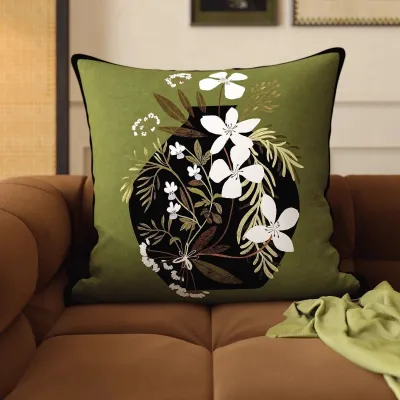
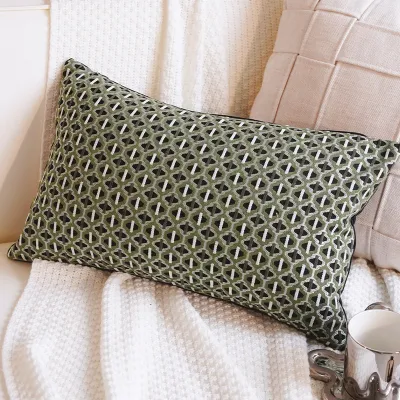
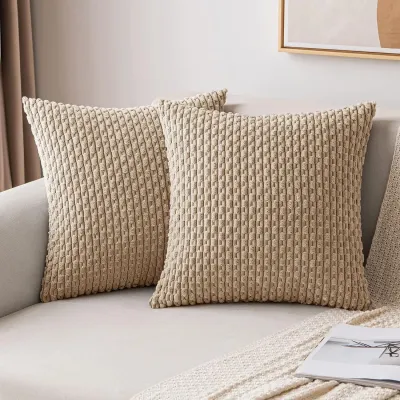
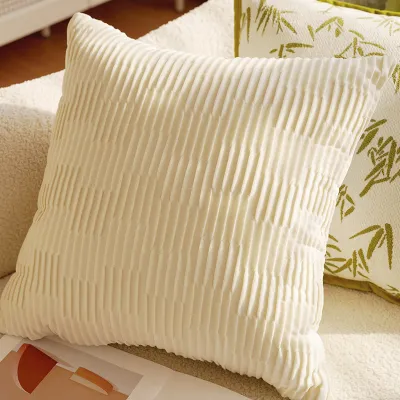
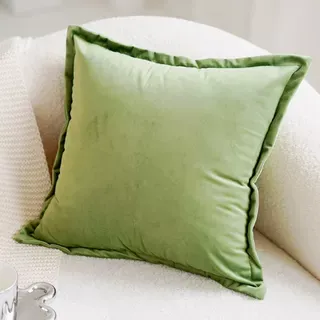
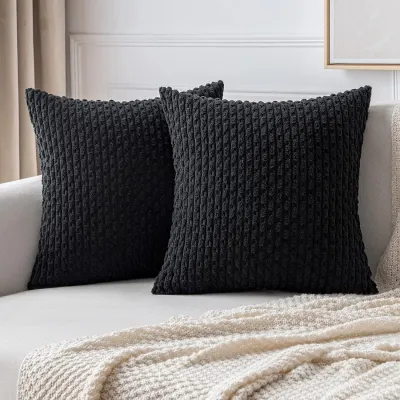
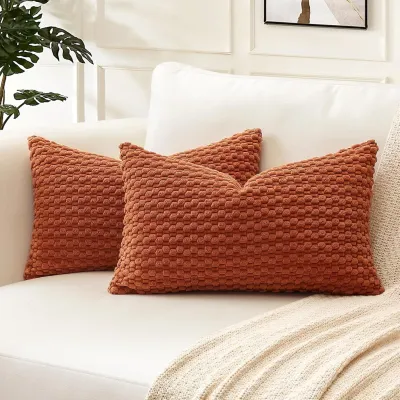
Prices are valid at publication and may change. Please refer to the product page for the latest price.
Zipper construction is another critical indicator of a brand’s manufacturing standards. Premium brands almost exclusively use hidden or concealed zippers, where the zipper tape is recessed behind a fabric flap to create a seamless edge. Look for brands that specify the use of YKK zippers or reinforced nylon coil zippers. The stitching at both ends of the zipper track should be reinforced with bartack stitches; this prevents the seams from bursting open when you compress a plump insert into the cover.
Color fastness is particularly vital for green textiles, as deep green dyes can be prone to crocking (rubbing off onto lighter surfaces) or bleeding during washing. Reputable brands often test their fabrics using standardized colorfastness scales, such as the ISO 105-B02 standard for lightfastness. Look for brands that explicitly state they use reactive dyes on natural fibers or solution-dyed yarns for synthetic blends. These dyeing methods ensure that the green pigments bond deeply with the fiber core, reducing the risk of premature fading or dye transfer onto your sofa.
Brand transparency regarding material sourcing and manufacturing certifications can help you verify quality claims. Look for textile certifications such as OEKO-TEX Standard 100, which guarantees that the cushion cover has been tested for harmful substances and is safe for direct skin contact. Brands that share detailed information about their weaving mills, dye houses, and artisan partnerships generally maintain much stricter quality control than brands sourcing from unverified mass-market factories.
Understanding the different brand tiers will help you align your budget with your quality expectations:
- Global Fast-Homeware Brands: These brands offer highly accessible, trend-driven green shades at lower price points, typically ranging from S$10 to S$30. While convenient, they often utilize lighter-weight fabrics, standard nylon zippers, and single-sided prints to keep costs low.
- Premium Design Studios: These mid-to-high-tier brands focus on curated color palettes, heavy-weight fabrics (such as upholstery-grade linen or cotton canvas), and robust construction. Prices generally range from S$40 to S$80, offering a great balance of longevity and refined aesthetics.
- Sustainable Artisan Labels: Operating at the premium end (S$80 and above), these labels specialize in hand-loomed, organic, or naturally dyed textiles. They offer unique textures and exceptional craftsmanship, though they often require more delicate, specialized care.
Brand Profiles for Sage and Earthy Green Aesthetics
Muted, earthy green tones like sage, olive, and moss are exceptional for creating a calming, grounded atmosphere. These shades act as organic neutrals, making them highly popular for minimalist, Japandi, or coastal interiors. When styling with these tones, the goal is to evoke a connection to nature, which is best achieved through brands that emphasize raw, tactile, and unrefined fabric textures.

For a successful earthy green aesthetic, seek out sustainable home goods labels and artisan studios that specialize in natural, unbleached fabrics. Brands that focus on European flax linen or organic cotton are excellent candidates. Linen, in particular, has a distinctive slub texture—characterized by slight, natural variations in yarn thickness—which adds visual depth to solid sage or olive covers. Organic cotton canvas offers a slightly more structured, matte appearance that grounds a modern minimalist living room.
Natural fabrics in earthy green shades come with distinct trade-offs that you should consider before purchasing:
- Raw Linen: Offers a beautiful, relaxed drape and a highly breathable texture that feels cool to the touch. However, it is prone to natural wrinkling, which some homeowners may find too casual or untidy for formal spaces.
- Organic Cotton: Provides a clean, crisp, and structured look that maintains its shape well. It is highly durable and easy to machine wash, but it lacks the rich, irregular tactile variation that makes linen so visually engaging.
Before finalizing your purchase, it is crucial to verify the undertones of the green shades, as earthy greens can lean either warm or cool. Sage green often features cool grey or blue undertones, which pair beautifully with light oak, concrete, and cool white walls. Olive and moss greens, on the other hand, typically possess warm yellow or brown undertones, making them ideal for spaces with walnut wood, brass accents, and warm cream palettes. To ensure compatibility with your existing decor, study the brand’s product photography under both natural daylight and warm artificial lighting, and read customer reviews to see if the color is described as “golden” or “dusty.”
Brand Profiles for Emerald and Jewel-Tone Elegance
Deep jewel tones like emerald, forest, and teal green bring a sense of opulence, sophistication, and dramatic depth to an interior. These rich colors are highly effective in maximalist, traditional, or contemporary glam spaces, where they serve as striking focal points. To fully realize the luxury of these shades, you should target brands that specialize in premium, light-catching textures.
Look for brand profiles that focus on heavy, high-end fabrics such as cotton velvet, silk-viscose blends, and dense jacquard weaves. Cotton velvet is highly prized for its deep, matte-luxurious appearance and heavy drape. Silk and viscose blends introduce a delicate, shimmering quality that reflects light beautifully across the room. Jacquard weaves, which feature patterns woven directly into the fabric rather than printed on top, offer a raised, tactile surface that feels incredibly substantial.
When choosing jewel-toned fabrics, light reflection and pile direction (often called “nap”) play a significant role in how the color appears in your home. Velvet is highly directional; when you brush the pile upward, the fabric absorbs more light, making the emerald or forest green appear darker and more saturated. When brushed downward, the pile reflects light, revealing a brighter, silvery sheen. Reputable luxury brands will often state the pile composition and direction in their product descriptions, helping you understand how the cushion will look from different angles in your room.
Plush, deep-green fabrics require careful maintenance to preserve their texture and color intensity. Cotton velvet is susceptible to pressure marks and water spotting, while delicate silk-viscose blends can easily snag on jewelry or pet claws. When evaluating premium brands, look for those that provide clear, detailed care instructions. Many high-quality velvet and jacquard covers will require professional dry cleaning or very gentle hand washing inside out. If you prefer low-maintenance luxury, look for brands offering high-performance polyester-velvet blends, which mimic the look of cotton velvet but are machine-washable and highly resistant to crushing.
Brand Profiles for Botanical and Patterned Green Designs
Patterned green cushion covers are excellent tools for breaking up large blocks of solid color, adding personality, and introducing dynamic movement to your seating arrangement. From bold tropical palm motifs to delicate botanical illustrations and structured geometric patterns, prints allow you to express a specific design theme. When shopping for patterns, the brand’s printing method and design philosophy will dictate the overall quality of the product.
Compare how different brand tiers approach pattern design to determine which fits your aesthetic:
- Artist-Collaborated and Curated Collections: Premium design brands often collaborate with independent textile artists to create exclusive, limited-edition prints. These designs typically feature hand-painted watercolors, intricate screen-printed details, and double-sided printing. The patterns are carefully scaled and balanced, resulting in a unique, sophisticated look.
- Mass-Produced Fast-Homeware Prints: These brands rely on digital printing on standard polyester or basic cotton backings. To cut production costs, the print is often only featured on the front of the cushion, leaving the back a plain, solid white or cream. The patterns can sometimes feel repetitive, flat, or overly synthetic.
Styling patterned green cushions requires a thoughtful approach to avoid overwhelming your space. A reliable design framework is the “Rule of Three,” which balances scale and pattern type. Start with one large-scale botanical print (such as a bold monstera leaf pattern) as your hero cushion. Pair it with a medium-scale geometric pattern (such as a green and cream stripe or lattice print) to add structure. Finally, ground the look with a solid, highly textured green cushion (such as an olive linen or sage velvet) that pulls a matching green tone from the patterned covers.
When browsing brand options, check customer reviews and detailed product photos for construction quality. Look closely at print alignment and pattern matching along the seams. On premium covers, the pattern should flow seamlessly across the zipper line and side seams rather than cutting off abruptly. Additionally, verify that the interior edges are finished with overlock stitching; this prevents the patterned fabric from fraying and unraveling during washing, ensuring your covers look pristine for years.
Essential Checks Before You Buy: Sizing, Zippers, and Care
Before purchasing your green cushion covers, conducting a few practical checks will ensure that your new decor fits perfectly, functions smoothly, and withstands the environmental conditions of your home.
Sizing and Dimensions
Cushion cover sizing can vary significantly between international and local brands. Standard square sizes typically include 40×40 cm, 45×45 cm, and 50×50 cm, while rectangular lumbar sizes often measure 30×50 cm or 40×60 cm. However, some European and North American brands list their sizes in inches (e.g., 18×18 inches or 20×20 inches), which translate to slightly different metric measurements (18 inches is approximately 45.7 cm). Always check the brand’s precise size chart rather than assuming a standard fit, as even a 1 cm discrepancy can cause your insert to bunch up or fit too loosely.
Closures and Hardware
The type of closure used on a cushion cover affects both its aesthetic appearance and its ease of use. Consider these three common closure types:
- Hidden Zippers: This is the industry standard for a clean, modern look. Ensure the zipper is recessed and color-matched to the green fabric so it remains invisible when placed on your sofa. Test the zipper glide if buying in-store, or look for reviews mentioning smooth zipper operation.
- Envelope Closures: These covers feature overlapping fabric panels on the back, allowing you to slip the insert in easily without any hardware. While durable and snag-free, the envelope flap must have a generous overlap (at least 8 to 10 cm) to prevent the insert from bowing outward and showing through the gap.
- Button Fastenings: Buttons add a charming, rustic, or vintage touch to a cushion. However, they require more effort to open and close during washing, and loose buttons can pose a minor snagging hazard for delicate clothing or throw blankets.
Achieving the Perfect Insert Fit
To achieve a plump, professional, and luxurious look, interior designers recommend using the “size up” rule for your cushion inserts. For standard square covers made of lightweight or medium-weight fabrics (like linen, cotton, or thin polyester), choose an insert that is 2 to 5 cm (1 to 2 inches) larger than the cover. For example, if you purchase a 45×45 cm green cushion cover, pair it with a 50×50 cm insert. This extra volume fills out the corners completely and prevents the cushion from looking flat or wrinkled.
There is an important exception to this rule: if your cushion cover is made of extremely stiff, heavy, or non-stretch fabrics—such as thick upholstery-grade jacquard, heavy wool, or genuine leather—you should use an insert of the exact same size. Forcing an oversized insert into an inflexible cover can strain the seams and zipper track, potentially leading to seam slippage or zipper failure.
Care and Climate Considerations
If you live in a tropical climate like Singapore, high relative humidity (often exceeding 80%) and intense equatorial sunlight present specific challenges for home textiles. To keep your green cushion covers looking fresh and clean, implement these practical maintenance steps:
- Preventing Mold and Musty Odors: High humidity can cause moisture to trap within natural fibers. Avoid placing cushions directly beneath air conditioning units where condensation might drip. If you use natural down or feather inserts, ensure your green covers are made of highly breathable fabrics like linen or cotton to allow moisture to evaporate. Alternatively, opt for high-quality microfiber or polyester inserts, which are less prone to harboring mold.
- Protecting Against UV Fading: Strong sunlight streaming through windows will rapidly fade green dyes, turning vibrant emeralds or rich olives into dull, washed-out shades. If your sofa is positioned near a sunny window, rotate your cushions weekly so they receive equal exposure, or use UV-filtering window films. For outdoor balconies or patios, only purchase covers made from solution-dyed acrylic fabrics, which are specifically engineered to resist UV degradation.
- Washing Instructions: Always check the manufacturer's care label before washing. To preserve the depth of green dyes, wash your covers inside out in cold water on a gentle cycle, using a mild liquid detergent free of optical brighteners (which can chemically alter and bleach green pigments). Hang the covers to dry in a shaded, well-ventilated area away from direct sunlight, and iron on the reverse side while the fabric is still slightly damp to remove wrinkles safely.
Frequently Asked Questions (FAQ)
How do I prevent green cushion covers from fading in sunlight?
To protect your green cushion covers from UV damage, avoid placing them in direct, unfiltered sunlight. Rotate your cushions weekly to ensure even light exposure, and consider installing UV-blocking window films on sun-facing windows. When purchasing covers for high-sunlight areas, look for brands that use solution-dyed acrylic or outdoor-grade polyester, which offer superior fade resistance. Always wash your covers inside out in cold water using a mild, bleach-free detergent, and dry them in a shaded, well-ventilated area rather than under direct sunlight.
What size cushion insert should I buy for a standard cover?
For a full, plump appearance, the general rule is to buy an insert that is 2 to 5 centimeters (1 to 2 inches) larger than the cushion cover. For instance, a 45×45 cm cover should be paired with a 50×50 cm insert. This ensures the corners are completely filled out and prevents a deflated look. However, if your green cushion cover is made of a very stiff, heavy, or non-stretch material like thick jacquard or leather, choose an insert of the exact same size to avoid putting excessive tension on the seams and zipper.
Can I mix different shades of green in the same room?
Yes, mixing different shades of green is highly effective and adds sophisticated visual depth to a room. To make the palette cohesive, select one dominant green tone—such as a muted sage or olive—to act as your grounding anchor. Then, introduce accent cushions in contrasting green shades, such as a deep emerald velvet or a vibrant forest green botanical print. Balance these tones by mixing in neutral textures like cream boucle, natural rattan, light oak wood, or warm brass accents to prevent the greens from overwhelming the space.

Community discussion
Share your experience or ask a question. Comments are reviewed before publication.