
Selecting the best brass diya lamp for daily home puja in Singapore requires balancing traditional aesthetics, correct oil capacity, and essential safety features suitable for modern apartments. For daily worship, solid brass is the ideal material due to its heat resistance, longevity, and spiritual significance. Finding the right lamp involves evaluating your altar space—whether it is a compact wall-mounted shelf in a Housing & Development Board (HDB) flat or a dedicated prayer room in a condominium—and ensuring the design prevents fire hazards under Singapore’s breezy tropical conditions.
What to Look for When Buying a Brass Diya Lamp
Many Singapore homes feature space-saving prayer altars, such as wall-mounted cabinets or compact corner tables. A diya that is too large can crowd the altar, leaving insufficient clearance for other sacred items or creating a fire hazard. Conversely, a diya that is too small might burn out too quickly or get lost visually. Measure both the footprint of the base and the height of the lamp. Ensure there is at least 60 to 90 centimeters of vertical clearance above the flame to prevent soot buildup or heat damage to the shelf above.
The volume of the oil reservoir directly dictates how long the flame will burn. For a standard morning or evening puja lasting 20 to 30 minutes, a small reservoir holding 10 to 15 milliliters of oil is sufficient. However, if your family observes longer prayer sessions or wishes the lamp to remain lit for several hours, you will need a deeper bowl holding 30 to 50 milliliters or more. Understanding this relationship prevents the need to constantly refill a hot lamp, which carries a risk of oil spills.
Products mentioned in this guide
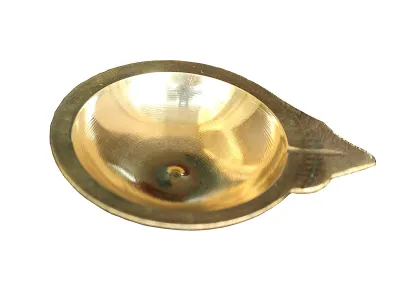
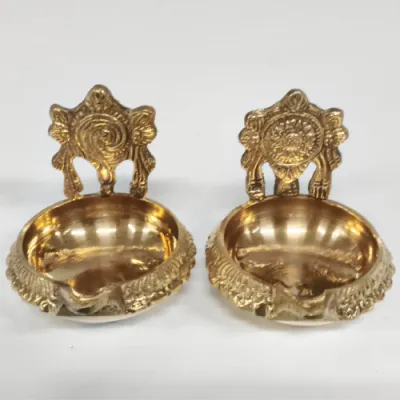
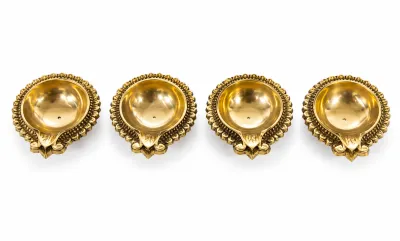
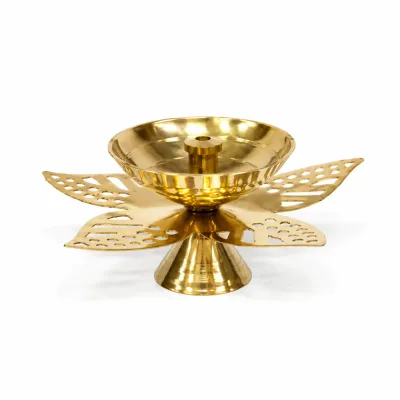
Prices are valid at publication and may change. Please refer to the product page for the latest price.
A stable base is the single most critical safety feature of any oil lamp. Look for designs that feature a wide, flared bottom and a low center of gravity. The base should be noticeably heavier than the top bowl to prevent accidental tipping if the altar is bumped. In Singapore households with active children, curious pets, or strong cross-drafts from open windows, a top-heavy or narrow-stemmed diya poses a significant safety risk. Always place the lamp on a flat, non-slip surface, preferably on a metal or stone tray that can catch any accidental drips.
High-quality daily puja requires genuine solid brass rather than cheap brass-plated zinc or iron alloys. Solid brass is highly durable, resists corrosion in Singapore’s humid climate, and distributes heat evenly. You can identify solid brass by its substantial weight; it feels remarkably heavy for its size. Furthermore, when lightly tapped with a metal spoon, solid brass produces a clear, ringing, bell-like tone, whereas plated alternative metals yield a dull, flat thud. Always read product descriptions carefully and avoid items labeled as “brass finish” or “gold-plated alloy” if you want a lamp that will last for generations.
Recommended Brass Diya Styles for Daily Worship
Single-Wick Diyas for Compact Altars
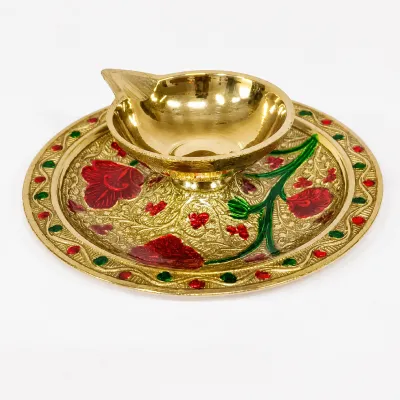
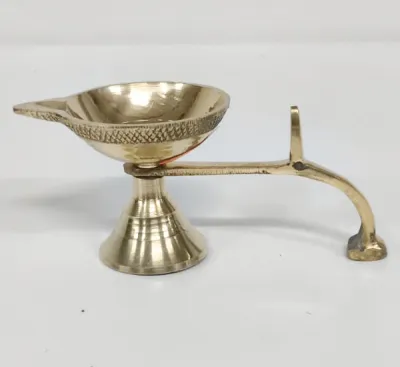
Single-wick brass diyas, often shaped like a small round bowl with a single pointed spout, are the most practical and popular choice for everyday worship. Their compact design makes them exceptionally versatile, fitting easily onto small floating shelves or inside shallow altar niches. Because they hold a modest amount of oil, they are ideal for standard daily prayers where the lamp is only meant to burn for a short, supervised duration.

Cleaning a single-wick diya is incredibly straightforward. With only one wick channel, there are fewer crevices where carbonized soot and sticky oil residue can accumulate. This simplicity makes daily maintenance a matter of seconds, encouraging consistent cleanliness on your altar. Additionally, they consume very little oil and cotton, making them highly economical for daily use.
However, these compact lamps do have limitations. Their small oil reservoirs mean they cannot support extended prayer sessions or overnight burns. Visually, a single-wick diya can also look understated or dwarfed on a larger, more elaborate altar. If your daily rituals require a grander visual focus or a flame that lasts for several hours, a single-wick model may feel insufficient.
Multi-Wick and Akhand Diyas for Extended Puja
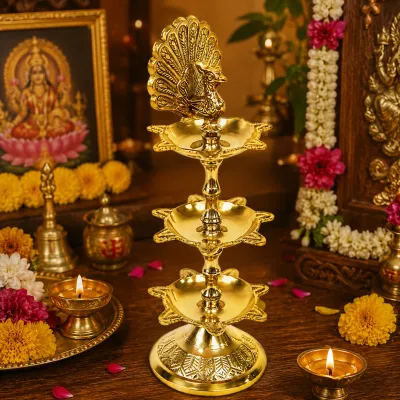
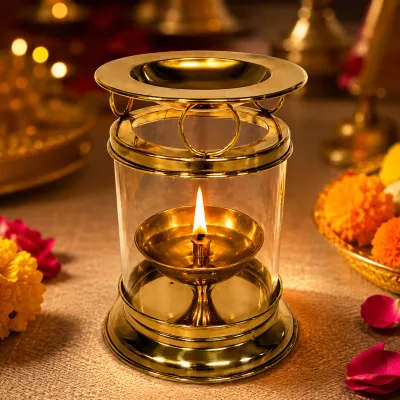
For households that observe extended daily rituals, festive occasions, or the tradition of keeping a perpetual flame, multi-wick and Akhand diyas are the preferred choices. Multi-wick diyas typically feature five, seven, or more wick slots arranged in a circular pattern, creating a bright, beautiful cluster of flames that serves as a magnificent focal point for the altar. Akhand diyas, on the other hand, are specifically designed for continuous burning, often featuring a deep central reservoir and a protective glass chimney.
When choosing these larger lamps, look for specific design features that enhance usability. A deep oil bowl is essential to minimize the frequency of refilling. Furthermore, high-quality multi-wick and Akhand diyas should incorporate heat-resistant handles or insulated bases, allowing you to move or adjust the lamp safely even while it is lit. Some Akhand models feature brass domes with ventilation holes that allow heat to escape while shielding the flame from sudden drafts.
The primary trade-off with these robust lamps is the increased maintenance they demand. Multiple flames generate significantly more soot, which can quickly blacken the brass and nearby altar walls if not managed. They also consume oil at a much faster rate, requiring careful monitoring to prevent the wicks from burning down to dry ash. Cleaning these intricate designs takes more time, as you must scrub multiple wick channels and wash soot off glass chimneys regularly.
Hanging Diyas (Vilakku) for Decorative Altars
Hanging brass diyas, traditionally known as hanging vilakkus, offer a striking blend of spiritual significance and artistic elegance. Suspended by ornate brass chains, these lamps draw the eye upward, creating a sense of sacred grandeur. They are particularly beneficial for altars with limited surface space, as hanging the lamp frees up valuable room on the altar table for offerings, scriptures, and deity idols.
Because hanging diyas involve suspended loads and open heat sources, proper installation is critical for safety. Ensure you isolate any nearby electrical wiring before drilling into your ceiling or altar shelf. Always follow the manufacturer’s installation instructions, and consult a qualified professional if you are unsure about ceiling load limits or secure anchoring. Use heavy-duty metal expansion bolts or secure screw hooks anchored directly into concrete ceilings or solid wood framing. Avoid hanging them from thin plasterboard or adhesive hooks, which can fail under the weight and cause a catastrophic fire.
Safety boundaries are paramount when positioning a hanging lamp. Ensure the diya hangs completely free, with a minimum clearance of 50 centimeters from any wall and at least one meter from combustible materials like curtains, window blinds, or hanging fabric garlands. Because hanging lamps can sway slightly, they are highly sensitive to drafts from ceiling fans or open balcony doors. Always adjust your fan speed or window openings to prevent the flame from flickering excessively or blowing toward nearby surfaces.
Fire Safety and Placement for Singapore Homes
Modern Singapore homes, particularly HDB flats and condominiums, often feature compact layouts where prayer altars are integrated into living or dining areas. To prevent fire hazards, you must establish strict clearance zones around your brass diya lamp. Maintain a minimum distance of 30 centimeters horizontally between the lit lamp and any combustible items, including wooden altar panels, books, paper offerings, and fabric runners. Ensure there is at least one meter of clear vertical space above the flame, as rising heat can easily scorch wooden cabinets or ignite hanging decorations.
Brass is a cast metal, and lower-quality or older diyas can occasionally develop microscopic cracks or seam failures over time. Before lighting a new diya for the first time, perform a simple leak test. Place the dry lamp on a sheet of clean paper towels and fill the reservoir with water or cheap cooking oil. Let it sit undisturbed for at least two hours. Check the paper towel underneath; any dampness indicates a micro-crack or a porous spot in the brass casting. If a leak is detected, do not use the lamp, as leaking oil can seep into wooden altars, creating a highly flammable surface that is incredibly difficult to clean.
An open flame must never be left unattended under any circumstances. Make it a strict habit to extinguish the diya flame before leaving the room for an extended period or going to sleep. When extinguishing the flame, avoid blowing on it directly. Blowing can cause hot, liquid oil to splatter onto your face, hands, or the surrounding altar. Instead, use a dedicated metal snuffer, a small metal spoon, or a damp cloth to gently smother the flame. This cuts off the oxygen supply safely and cleanly without scattering hot embers or oil.
Certain environmental conditions in Singapore increase the risks associated with open-flame lamps. High-rise apartments often experience strong, unpredictable cross-drafts when windows and balcony doors are open. These drafts can easily blow lightweight items into the flame or cause the flame to flare up unexpectedly. If you must leave the house, have guests over, or want to keep a light burning overnight, strictly avoid open flames. In these high-risk scenarios, high-quality LED brass diyas serve as an excellent, flame-free alternative. When opting for LED brass diyas, verify their voltage compatibility, plug type, and electrical certification. In Singapore, look for devices with the Safety Mark to ensure they meet local electrical safety standards and prevent electrical hazards.
How to Clean and Maintain Brass Diyas
Regular maintenance is the key to keeping your brass diya looking radiant and preventing the buildup of sticky, oxidized oil. Make it a habit to perform a quick wipe-down after every use. Once the flame is extinguished and the brass has cooled down to a warm, safe-to-touch temperature, use a soft microfiber cloth or a paper towel to wipe away any excess oil and loose soot. Cleaning the lamp while it is still slightly warm allows the oil to wipe off easily before it cools and hardens into a stubborn, gummy residue that attracts dust.
Over time, exposure to heat, oil, and Singapore’s humid air will cause brass to develop a dark patina or tarnish. Before applying any cleaning paste or commercial polish to your diya, check the manufacturer’s care instructions or product label. If the instructions conflict, or if the metal’s lacquer status is unidentified, stop and consult a professional restorer or the manufacturer to avoid stripping protective coatings. To restore its brilliant, golden shine without using harsh chemicals, you can use simple, non-toxic household ingredients. Create a thick paste by mixing equal parts of fresh lemon juice and baking soda, or use a mixture of tamarind paste and a pinch of salt. Apply the paste gently over the tarnished areas using a soft cloth or an old, soft-bristled toothbrush to reach into intricate carvings. Let it sit for five to ten minutes, then rinse thoroughly with warm water and dry immediately with a clean towel to prevent water spots.
When cleaning brass, preserving the metal’s surface is vital. Never use highly abrasive tools like steel wool, metal scouring pads, or stiff wire brushes, as these will leave permanent scratches on the polished brass surface. Avoid harsh chemical cleaners, strong acids, or industrial bleach, which can strip away the metal’s natural luster or damage protective lacquer coatings. If your brass diya has a lacquer finish designed to prevent tarnishing, do not scrub it or use acidic pastes; instead, wash it gently with mild dish soap and warm water, then dry it with a soft cloth.
A clean flame depends heavily on proper wick care. Over time, cotton wicks accumulate carbon buildup at the tip, which causes the flame to flicker, produce excess black smoke, and leave heavy soot deposits on your brass lamp. Before lighting your diya, use a pair of sharp scissors to trim away the burnt, blackened tip of the cotton wick. Ensure the wick holder is clear of old, charred fibers that can clog the oil flow. Keeping the wick trimmed to about 5 to 8 millimeters above the holder ensures a steady, bright, and virtually smokeless burn.
Where to Shop for Brass Diyas in Singapore
For those who prefer a tactile shopping experience, visiting specialized religious decor shops in Singapore is highly recommended. Little India, particularly along Serangoon Road and its adjacent arcade streets, hosts numerous traditional stores that import authentic, high-quality brassware directly from India. Shopping in person allows you to physically assess the weight of the diya, check its balance on a flat surface, and inspect the smoothness of the casting. Large home furnishing stores and cultural boutiques across the island also carry curated selections of modern and traditional prayer items.
If you prefer the convenience of online shopping, major e-commerce platforms offer a vast array of brass diyas. To ensure you receive a high-quality product, filter your search for highly rated, verified sellers who specialize in religious or cultural decor. Carefully read customer reviews, paying close attention to feedback that mentions the actual weight, material authenticity, and whether the product is truly solid brass or merely a lightweight plated alternative. Check the seller’s return and refund policies so you can easily exchange the item if it arrives with shipping damage or manufacturing defects.
Before finalizing your purchase or immediately upon receiving your delivery, run through a quick quality check. Confirm that the dimensions match your altar space and that the base sits perfectly flat without wobbling. Inspect the brass surface for any visible cracks, deep scratches, or uneven casting seams that could lead to leaks. Finally, perform the water leak test described in the safety section before adding oil. Taking these few precautionary steps ensures your new brass diya is safe, functional, and ready for daily worship.
Frequently Asked Questions (FAQ)
Can I use ghee instead of oil in a standard brass diya?
Yes, you can use ghee (clarified butter) in a standard brass diya, as it is highly auspicious and traditionally preferred for many rituals. However, because ghee solidifies at room temperature, it requires a slightly thicker cotton wick to draw the fuel effectively once melted. You may also need to warm the diya gently under warm water during cleaning to melt away any hardened ghee residue before washing it with soap.
How do I stop my brass diya from leaking?
To stop a brass diya from leaking, first identify the source of the leak. If oil is seeping through a removable wick holder, ensure the thread is tightly screwed in or apply a small amount of food-safe thread sealant. If the leak is caused by a microscopic crack in the cast brass reservoir, it is safest to replace the diya, as structural cracks cannot be reliably repaired at home and present a persistent fire hazard.
Are LED brass diyas acceptable for daily puja?
Yes, LED brass diyas are widely accepted as a practical and safe alternative for daily use, especially in modern Singapore apartments. While traditional oil lamps are preferred during actual prayer rituals, LED versions are highly recommended for continuous ambient lighting, overnight use, or in homes with strict fire safety regulations, active pets, or young children where open flames are unsafe. Ensure any plug-in or battery-operated LED model carries a local safety certification where applicable.
Community discussion
Share your experience or ask a question. Comments are reviewed before publication.