
Selecting the right brown cushion cover depends on matching its shade, texture, and structural details to your home’s overarching design theme. While brown is a versatile, grounding neutral, its expression can range from a light, rustic linen taupe in a Scandinavian living room to a sleek, dark espresso matte cotton in a minimalist space, or a distressed cognac faux leather in an industrial loft. By aligning the material properties and visual weight of the cushion cover with your interior style, you can elevate your sofa setup from a simple seating arrangement to a cohesive design statement.
Key Factors for Choosing Brown Cushion Covers in Singapore Homes
Singapore’s tropical climate presents unique challenges for home textiles. The persistent high relative humidity means that fabrics must be selected with breathability and moisture control in mind. Natural fibers, such as pure linen, cotton, and linen-cotton blends, are highly recommended for cushion covers. These materials feature loose weaves that allow air to circulate freely, preventing heat from becoming trapped against the sofa cushions.
In contrast, heavy synthetic fabrics like thick polyester blends or dense acrylics tend to trap moisture and body heat. Over time, this trapped moisture can create an ideal breeding ground for mold, mildew, and unpleasant odors. If you prefer synthetic options for their durability, look for high-performance, moisture-wicking microfibers that are specifically engineered to remain cool and dry in warm environments.
Products mentioned in this guide
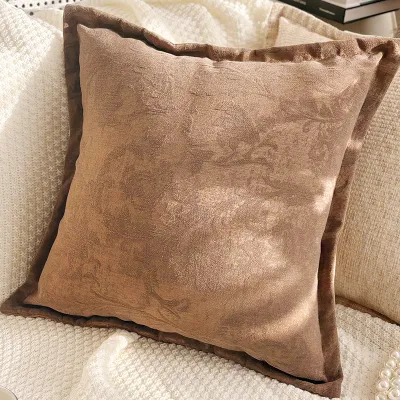
![[HOT UMCR] Brown Retro Plant 2D Flat Maple Design Cushion Cover Happy Autumn Harvest decor Holiday Decorati Pillow Cover](https://img.lazcdn.com/g/p/7aa8143907f97afcc8896518680bfce0.jpg_400x400q80.jpg_.webp)
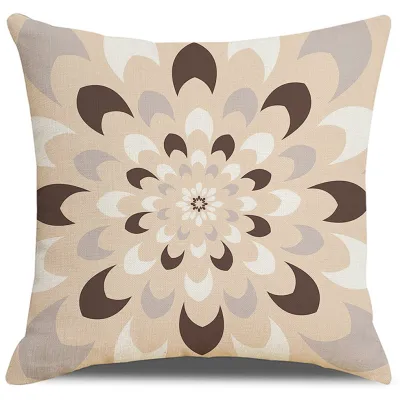
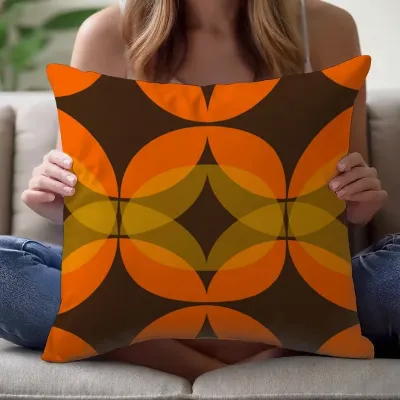
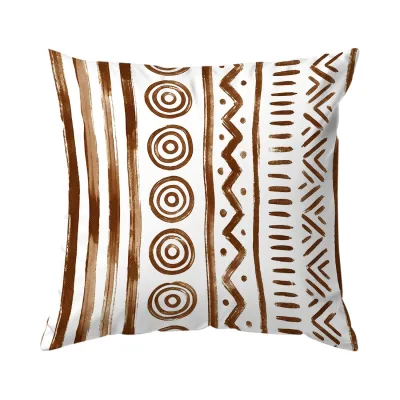
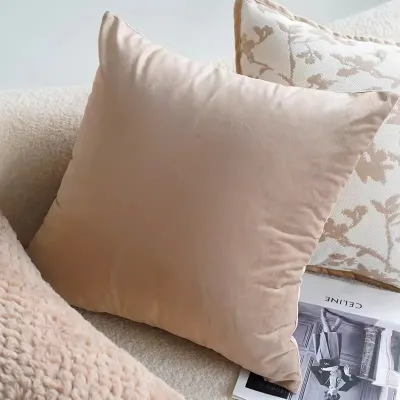
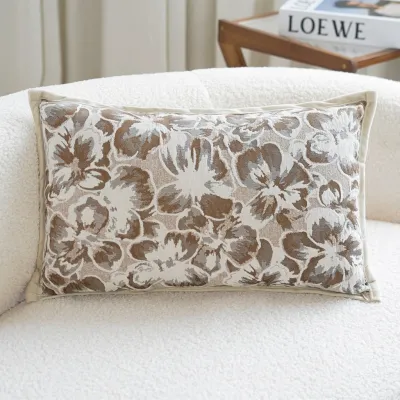
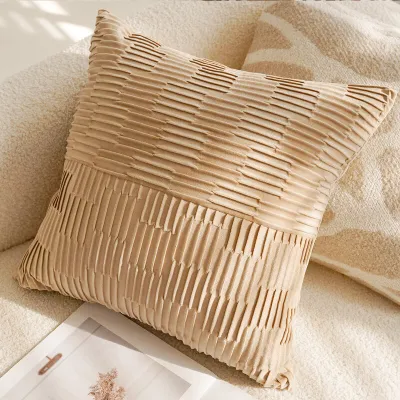
Prices are valid at publication and may change. Please refer to the product page for the latest price.
Sizing is another critical consideration, particularly given the layout of typical Singaporean homes. Whether you live in a cozy HDB flat or a modern condominium, space optimization is key. Standard three-seater sofas in these apartments generally have a shallower seat depth compared to large Western-style couches. Oversized cushion covers, such as those measuring 60×60 cm, can quickly overcrowd the seating area, reducing the usable space and making the living room look cramped.
To maintain balanced proportions, standard sizes like 45×45 cm or 50×50 cm are usually the most appropriate choices. These dimensions provide excellent lower back support without dominating the sofa’s silhouette. They also leave enough physical space on the seat cushions for family members and guests to sit comfortably without needing to move the decorative pillows aside.
From a color theory perspective, brown functions as an essential grounding neutral in interior design. Many Singaporean homes utilize bright white or off-white paint to maximize the perception of space, often paired with cool-toned LED lighting. While this combination makes rooms feel bright and clean, it can sometimes result in a sterile, clinical atmosphere.
Introducing brown cushion covers helps counteract this effect by injecting organic warmth into the room. Brown sits on the warm side of the color spectrum, meaning it naturally softens the harshness of cool light and stark white walls. It acts as a visual anchor, tying together disparate design elements like wooden coffee tables, indoor plants, and neutral flooring.
Finally, practical maintenance must not be overlooked when selecting cushion covers. Given the dusty nature of urban environments and the high humidity, soft furnishings require regular cleaning to prevent dust mite buildup. Selecting covers with clear, accessible care labels ensures you know exactly how to wash them without damaging the fibers.
Look for options that feature robust, hidden zippers that can withstand repeated opening and closing during laundry cycles. Machine-washable fabrics like cotton and linen are highly practical for busy households. For materials that cannot be easily washed, such as faux leather, ensure the surface can be easily wiped down with a damp cloth to remove surface dust and oils.
Scandinavian Style: Textured and Earthy Brown Cushion Covers
Scandinavian design is celebrated for its bright, clean, and nature-inspired aesthetic. To successfully integrate brown cushion covers into this theme, you should focus on light to medium shades that preserve the airy feel of the room. Excellent color choices include taupe, beige-brown, and warm caramel. These lighter tones harmonize beautifully with light-colored wood furniture, such as oak or birch, which are staples of Scandinavian interiors.

These softer shades of brown work to enhance the natural light entering your living space rather than absorbing it. A dark chocolate or espresso cushion can create a harsh, heavy visual block on a light-colored sofa, disrupting the breezy flow of the room. By keeping the color palette light and earthy, you maintain a seamless transition between your soft furnishings and the surrounding decor.
Texture plays a vital role in Scandinavian design, particularly through the concept of hygge, which emphasizes comfort and coziness. Since the color palette is kept relatively simple, visual interest must be introduced through tactile variety. Bouclé, chunky open knits, washed linen, and soft cotton weaves are outstanding material choices for this style.
A chunky knit brown cushion cover, for example, adds a layer of physical and visual warmth that invites you to relax. Washed linen offers a relaxed, slightly rumpled texture that feels casual and organic. These varied textures prevent a neutral-colored sofa from looking flat or uninspiring, adding depth without the need for busy, colorful patterns.
When styling your sofa, the key is to layer these textured brown covers with other soft, complementary neutrals. Try pairing a warm caramel bouclé cushion with an off-white cotton cover and a soft grey linen option. This combination creates a layered, sophisticated look that feels curated rather than matching.
Keep the arrangement somewhat asymmetrical to maintain a relaxed, informal vibe. You might place two cushions on one end of the sofa and a single, contrasting cushion on the other. This relaxed styling technique reflects the effortless, functional beauty that defines classic Scandinavian living spaces.
On the other hand, there are several fabrics and finishes you should actively avoid when styling a Scandinavian home. Highly glossy materials like silk, satin, or polished leather conflict with the matte, natural finishes of the theme. Heavy, dark velvets can also feel too formal and visually heavy for a light-filled room.
Similarly, avoid covers with bold, high-contrast geometric prints or synthetic, shiny embroidery. These elements introduce visual clutter and detract from the clean, organic simplicity of the space. Stick to solid colors or very subtle, woven-in textures to ensure your cushion covers remain aligned with the minimalist, nature-first Scandinavian philosophy.
Minimalist Style: Clean Lines and Solid Brown Cushion Covers
Minimalist interior design centers on the philosophy of “less is more,” prioritizing clean lines, functional beauty, and a lack of clutter. When choosing brown cushion covers for a minimalist living room, look for solid, muted, and deep shades. Deep mocha, rich espresso, and flat chocolate are excellent choices that provide a sharp, intentional contrast against neutral backdrops.
These darker, solid tones act as sophisticated accent points on a light grey, beige, or white sofa. Because minimalist spaces feature limited decor, each item must carry visual weight. A solid, deep brown cushion provides a clean, graphic contrast that defines the seating area without introducing distracting patterns or chaotic color schemes.
Structural details are incredibly important in minimalist design, as there are no busy patterns to hide poor craftsmanship. Pay close attention to the construction of the cushion covers. Look for designs with hidden zippers, seamless edges, or neat envelope closures that keep the zipper completely out of sight.
These refined details ensure that the cushion maintains a clean, uninterrupted geometric silhouette from every angle. Visible, bulky zippers or messy stitching can instantly disrupt the sleek, polished look of a minimalist sofa. The goal is to make the cushion look like a seamless extension of the furniture itself.
The choice of fabric should also reflect this focus on clean, premium finishes. High-quality, smooth fabrics with a matte finish are ideal for minimalist spaces. Consider dense matte cotton, low-pile subtle velvet, or smooth, high-grade microfiber. These materials feel luxurious to the touch while maintaining a clean, understated appearance.
A matte finish is particularly beneficial because it absorbs light rather than reflecting it, creating soft shadows that highlight the clean shape of the cushion. Avoid shiny synthetics or fabrics with a noticeable sheen, as they can look cheap and distract from the quiet sophistication of the room’s design.
Styling cushions in a minimalist home requires a disciplined, restrained approach. Instead of scattering numerous small cushions across the sofa, opt for fewer, larger, and exceptionally well-stuffed cushions. For a standard three-seater sofa, two well-proportioned 50×50 cm cushions placed at either end are often all you need.
Ensure that the cushion inserts are of high quality, such as feather-down or high-density microfiber, so they retain their plump, structured shape over time. Sagging, flat, or lumpy cushions will quickly detract from the sharp, clean lines of a minimalist living space, making the entire room look untidy.
Industrial Style: Rugged and Dark Brown Cushion Covers
Industrial design is characterized by its raw, unrefined aesthetic, often featuring exposed structural elements like brick walls, concrete floors, and metal beams. To complement this rugged look, choose rich, dark browns, deep cognac, and distressed leather tones. These warm, earthy colors pair beautifully with the cool, industrial materials commonly found in loft-style homes.
A cognac brown cushion, for instance, provides a stunning visual bridge between a cold grey concrete floor and a warm, rustic wooden coffee table. These deep, saturated shades of brown add a sense of history and warmth to the space, preventing the industrial elements from feeling too sterile or uninviting.
The materials you choose should feel durable, substantial, and utilitarian. Rugged fabrics such as faux leather, heavy-duty canvas, and waxed cotton are perfect for industrial spaces. These textiles have a heavy visual weight and physical durability that matches the industrial theme’s focus on functional, long-lasting design.
Faux leather cushion covers are particularly effective because they develop a beautiful worn look over time, mimicking the character of aged vintage pieces. Heavy canvas and waxed cotton offer a sturdy, matte texture that feels grounded and authentic, reminiscent of old utility bags or workshop gear.
While industrial style embraces hard, cold surfaces, the primary role of soft furnishings in these spaces is to provide physical comfort and visual softness. The worn, matte finishes of rugged brown cushion covers help to take the edge off sharp metal fixtures and cold concrete surfaces.
By placing soft, textured cushions on a metal-framed or dark leather sofa, you create a comfortable oasis within an otherwise raw, industrial environment. This contrast between hard and soft elements is what makes industrial-themed homes feel balanced, cozy, and livable.
However, using materials like faux leather and heavy canvas in Singapore’s humid climate requires careful maintenance. Faux leather can become sticky or suffer from peeling if it is exposed to persistent high humidity or direct, intense sunlight from a nearby window. Canvas can also harbor moisture if the room lacks proper air circulation.
To keep these rugged materials in top condition, wipe faux leather covers regularly with a dry, soft microfiber cloth to remove body oils and dust. Position your sofa away from direct sunlight to prevent the rich brown colors from fading and the materials from cracking. Always refer to the manufacturer’s care instructions for specific guidance on cleaning and conditioning these specialized fabrics.
Quick Comparison: Brown Cushion Covers by Interior Theme
To help you quickly identify the ideal option for your home, the table below summarizes the key design elements, materials, and styling pairings for each interior theme.
| Interior Theme | Recommended Brown Shades | Best Materials | Key Textures | Ideal Sofa Pairings |
|---|---|---|---|---|
| Scandinavian | Taupe, beige-brown, caramel | Washed linen, cotton, bouclé | Chunky knits, tactile weaves | Light grey fabric, light oak wood frame |
| Minimalist | Mocha, espresso, flat chocolate | Matte cotton, low-pile velvet, microfiber | Smooth, matte, seamless | Charcoal grey, off-white, or beige leather |
| Industrial | Cognac, dark brown, distressed tones | Faux leather, heavy canvas, waxed cotton | Worn, matte, rugged | Dark grey fabric, tan leather, exposed metal frame |
Frequently Asked Questions (FAQ)
Caring for your soft furnishings and choosing the right dimensions are essential steps in creating a comfortable home. Below are answers to common questions about selecting and maintaining brown cushion covers in Singapore.
How do I clean and maintain brown cushion covers in a humid climate?
To prevent the buildup of dust and allergens, vacuum your cushion covers weekly using a soft brush attachment. If a spill occurs, spot-clean immediately with a damp cloth and mild, diluted detergent, working from the outside of the stain inward.
Moisture is the primary cause of mold and mildew in humid environments. After spot-cleaning or machine washing, ensure the covers are completely dry before inserting the cushion pads. Hang them in a well-ventilated indoor area away from direct sunlight, which can fade rich brown dyes.
Before initiating any deep cleaning, always consult the manufacturer’s care label. Delicate textures like bouclé or structured materials like faux leather have specific washing limitations, and using incorrect water temperatures or harsh chemical detergents can permanently damage the fabric fibers.
What size cushion covers work best for standard Singapore HDB sofas?
For typical HDB and condominium sofas, cushion covers measuring 45×45 cm or 50×50 cm are the most versatile options. These sizes provide comfortable support without occupying excessive seat depth, which is crucial for maintaining open walking paths in cozy living rooms.
If you prefer a plump, high-end look, use a cushion cover that is slightly smaller than your insert. For example, pairing a 50×50 cm cover with a 55×55 cm feather or high-density microfiber insert creates a full, well-stuffed appearance. For a flatter, more tailored look, match the cover and insert sizes exactly.
Before purchasing, measure your sofa’s backrest height and seat depth. Deep-seated modern sofas can accommodate larger 50×50 cm cushions, whereas compact, low-profile mid-century modern sofas are better suited to 45×45 cm or rectangular lumbar covers to ensure comfortable seating proportions.
Community discussion
Share your experience or ask a question. Comments are reviewed before publication.