
Creating a sacred space at home brings a sense of peace, mindfulness, and spiritual grounding to your daily life. In Buddhist tradition, the act of lighting an altar lamp is deeply symbolic, representing the light of wisdom dispelling the darkness of ignorance. However, when establishing or maintaining a home altar within modern residential spaces—such as compact Housing & Development Board (HDB) flats or condominiums in Singapore—practical considerations must accompany your spiritual devotion. Selecting the right buddha altar lamp requires balancing traditional rituals with the realities of modern apartment living, fire safety, and daily maintenance.
The ideal choice is not a one-size-fits-all solution. It depends heavily on your daily schedule, the physical layout of your home, and your personal approach to worship. While some practitioners find deep meditative value in the daily ritual of preparing and lighting a traditional oil lamp, others require the safety and set-and-forget convenience of modern electric candles or dedicated LED altar lamps. By evaluating these three primary options against key criteria like fire risk, soot production, energy efficiency, and symbolic resonance, you can select a lighting setup that honors your practice while keeping your living environment safe and pristine.
Oil Lamps: Traditional Appeal and Mindful Maintenance
Traditional oil lamps, often crafted from polished brass, crystal, or heavy glass, represent the classic form of altar lighting. In Buddhist rituals, the physical flame is highly revered because it dynamically represents impermanence—the oil and wick are gradually consumed, mirroring the transient nature of life. When you light an oil lamp, you are engaging in a mindful, hands-on practice that requires focus, preparation, and care, which many practitioners find helps transition their minds into a state of meditation.
Products mentioned in this guide
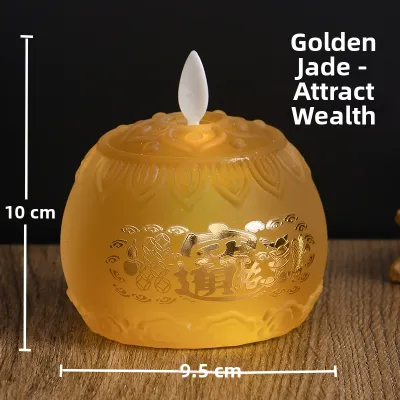
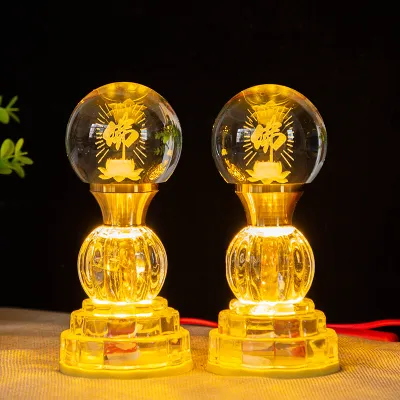
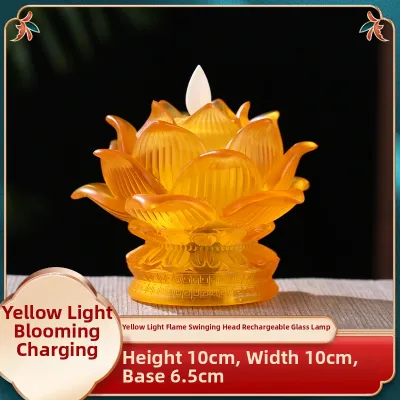
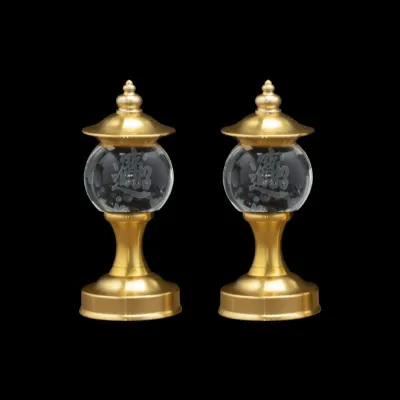
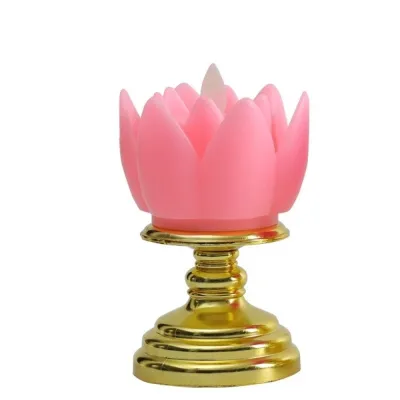
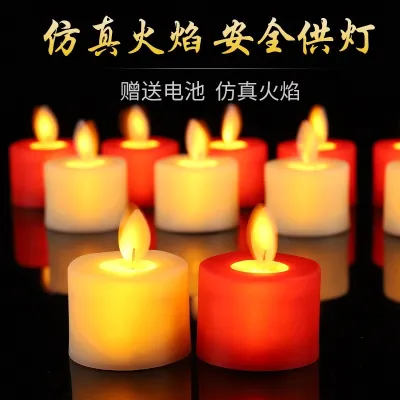
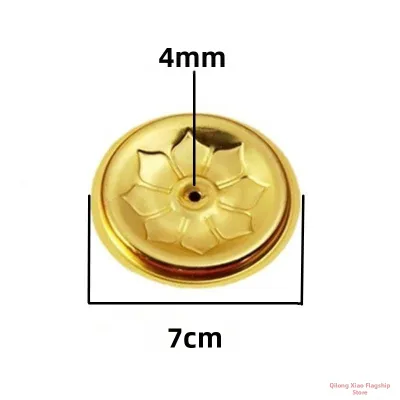
Prices are valid at publication and may change. Please refer to the product page for the latest price.
However, utilizing open flames inside modern, enclosed residential spaces introduces distinct practical challenges. Over time, even high-quality oils can produce a fine soot that accumulates on low ceilings and nearby walls, leading to discoloration that is difficult to clean without repainting. Additionally, the daily maintenance of an oil lamp is demanding. You must regularly trim the cotton wicks to prevent excessive smoke, carefully refill the oil reservoir to avoid spills, and clean the glass chimneys of any residue.
Safety is the most critical factor when choosing traditional oil lamps. An open flame must never be left unattended under any circumstances. If you step out of the house, even briefly, the flame must be safely extinguished. To minimize risks, always place the lamp on a stable, heat-resistant surface, such as a marble or tempered glass altar top, and keep it far away from flammable items like paper offerings, dry flowers, or window curtains that might flutter in a draft. Using a protective glass windshield (or wind guard) around the flame is highly recommended to stabilize the burn and prevent accidental flare-ups. Before committing to daily oil-lamp worship, review your household setup and ensure your space has sufficient ventilation to disperse heat and minor emissions safely.
Electric Candles: A Flameless and Hassle-Free Alternative
For households seeking the visual warmth of a traditional flame without the associated safety hazards, electric candles serve as an excellent modern alternative. These devices are designed to mimic the gentle flicker and warm glow of real wax candles, often utilizing moving plastic “wicks” or specialized LED filaments that replicate the organic motion of a live flame. This allows you to maintain the classic aesthetic of a candlelit altar while completely eliminating the risk of accidental fires, smoke damage, or soot accumulation.

The primary advantage of electric candles is their exceptional convenience, making them ideal for busy professionals, families with young children or active pets, and those living in apartments with limited ventilation. Unlike oil lamps, electric candles require virtually no daily upkeep. There are no wicks to trim, no oil levels to monitor, and no risk of staining your ceiling. They are also highly practical for practitioners who travel frequently, as they can be left on to maintain a warm, welcoming atmosphere at the altar without any safety concerns.
When choosing electric candles, you will need to decide between battery-operated and plug-in models. Battery-operated candles offer unmatched placement flexibility, allowing you to keep your altar completely free of visible wires. However, they require regular battery replacements or recharging, which can become tedious if you keep them illuminated for several hours each day. Plug-in models, on the other hand, provide continuous, reliable power but require careful wire management to ensure the power cords are tucked away neatly and do not detract from the clean, respectful appearance of your sacred space. While some traditionalists may feel that a flameless light lacks the literal warmth of a real fire, most modern practitioners view electric candles as a highly sensible and respectful compromise that aligns with safe urban living.
LED Altar Lamps: Durable, Bright, and Purpose-Built Designs
Dedicated LED altar lamps represent a purpose-built category of religious lighting designed specifically for long-term, daily home worship. These lamps are commonly styled in traditional Buddhist motifs, such as blooming lotus flowers, tiered pagodas, or ornate crystal globes. Because they are engineered specifically for altars, they combine sacred aesthetics with modern lighting technology, offering high energy efficiency, exceptionally low heat emission, and an incredibly long operating lifespan.
These features make LED altar lamps the premier choice for “perpetual lighting” (长明灯), where the lamps are left illuminated 24 hours a day, seven days a week, to symbolize the continuous, never-ending presence of the Buddha’s wisdom. Because LEDs generate negligible heat, they can run continuously for years without posing a fire hazard or causing thermal damage to delicate wooden altars or nearby statues. This constant illumination provides a comforting, serene focal point in the home, ensuring the altar is never left in darkness.
When selecting an LED altar lamp, pay close attention to the color temperature and light color, as these elements set the spiritual atmosphere of your space. Warm yellow or soft golden light is the most popular and versatile choice, as it creates a peaceful, meditative ambiance that complements general Buddha statues and traditional wooden altars. Red light, while also common, is traditionally reserved for specific deities (such as Guan Yin or Earth Deity altars) or utilized during major festive periods like Vesak Day and Chinese New Year to signify auspiciousness and joy.
Furthermore, always verify the technical specifications of any plug-in LED lamp before purchasing. In Singapore, ensure the power adapter is compatible with the standard 230V, 50Hz electrical supply and features a Type G three-pin plug. To guarantee electrical safety and prevent short circuits, look for models that carry recognized safety certifications, such as the local Safety Mark. Measure the distance from your altar to the nearest wall outlet beforehand to ensure the power cord can reach comfortably without being stretched tight or creating a tripping hazard.
Quick Comparison: Matching the Lamp to Your Worship Routine
To help you decide which lighting option best fits your lifestyle and spiritual practice, the table below compares traditional oil lamps, electric candles, and dedicated LED altar lamps across several essential decision criteria.
| Feature | Traditional Oil Lamps | Electric Candles | Dedicated LED Altar Lamps |
|---|---|---|---|
| Fire Risk | High (requires constant supervision) | Extremely Low (flameless) | Extremely Low (flameless, low heat) |
| Maintenance Level | High (daily cleaning, refilling, trimming) | Low to Medium (changing batteries or managing cords) | Very Low (set-and-forget, occasional dusting) |
| Traditional Authenticity | Highest (symbolizes physical consumption and impermanence) | Moderate (replicates candle flame aesthetics) | High (features traditional Buddhist motifs like the lotus) |
| Power Source | Liquid fuel (altar oil, ghee) and cotton wick | Batteries or plug-in power adapter | Plug-in power adapter (Type G plug recommended) |
| Continuous 24/7 Use | Strictly unsafe | Not recommended for battery models; safe for plug-ins | Excellent (designed specifically for perpetual use) |
| Best Suited For | Dedicated practitioners with well-ventilated spaces | Busy households wanting a classic candle look safely | Modern apartments requiring safe, 24/7 perpetual light |
Choosing the right lamp is ultimately about aligning these practical realities with your personal worship routine. If your daily practice involves sitting quietly by the altar for a set period, a traditional oil lamp can enhance your mindfulness. If you prefer a beautifully lit altar that remains safe and glowing throughout the day and night while you work, LED altar lamps or electric candles are the superior choice.
Essential Safety and Placement Tips for Home Altars
Regardless of the type of buddha altar lamp you choose, proper placement and safety practices are essential to maintain a respectful and hazard-free home altar. A well-organized altar not only prevents accidents but also fosters a more harmonious and peaceful environment for daily reflection.
For those utilizing traditional oil lamps, always establish a strict safety boundary. Position the lamps on a completely flat, non-combustible base made of stone, ceramic, or metal. Ensure they are placed at least 30 centimeters away from any flammable materials, including paper scriptures, incense holders, wooden offering plates, and decorative artificial flowers. Never place an oil lamp directly beneath a low-hanging wooden shelf or cabinet, as rising heat can scorch the wood and create a fire hazard. Always keep a small fire extinguisher or a fire blanket easily accessible in your home, and ensure that everyone in the household knows how to use it.
For electric candles and LED altar lamps, electrical safety must be your primary focus. Avoid daisy-chaining multiple extension cords or overloading a single wall socket with your altar lights, incense burners, and other decorative appliances. Instead, use a high-quality, surge-protected power strip that is certified safe for household use. Regularly inspect the power cables for any signs of wear, fraying, or damage, particularly where cords bend around the edges of wooden furniture. If a cord feels unusually warm to the touch during operation, unplug the lamp immediately and replace the power adapter.
Aesthetic symmetry is also key to traditional altar layout. Altar lamps are almost always placed in identical pairs, with one lamp positioned on the far left and the other on the far right of the central Buddha statue. This balanced arrangement symbolizes the dual aspects of wisdom and compassion. Ensure that all cables are neatly bundled and hidden behind the altar structure using cable ties or clips, which prevents pets or children from accidentally pulling the lamps down and keeps your sacred space looking orderly and serene.
Frequently Asked Questions (FAQ)
Can I use battery-operated lamps for daily worship?
Yes, battery-operated lamps are entirely acceptable and highly practical for daily worship, especially if your home altar is located far from a wall outlet or if you want to avoid the clutter of visible power cords. They offer excellent portability and eliminate any risk of electrical short circuits. However, if you plan to keep your altar lamps illuminated for several hours a day or wish to use them as perpetual lights (长明灯) that stay on 24/7, battery-operated models can quickly become expensive and environmentally unfriendly due to frequent battery replacements. In such cases, using rechargeable batteries or opting for a plug-in LED lamp with a safe power adapter is a much more sustainable and cost-effective solution.
What is the significance of the light color on a Buddha altar?
In Buddhist iconography, different light colors carry distinct symbolic meanings that can guide your choice of altar lamp. Warm yellow or golden light is the traditional standard and is universally appropriate for daily home worship. This warm, golden hue represents the Buddha’s wisdom, spiritual purity, and the path to enlightenment, creating a serene, peaceful, and highly respectful atmosphere that is conducive to meditation. Red light, on the other hand, is culturally associated with joy, vitality, and auspiciousness. While red lamps are frequently used for specific deities like Guan Yin or during major celebrations like Chinese New Year and Vesak Day, warm yellow remains the preferred baseline color for general Buddha statues, helping to maintain a calm and balanced mind during your daily practice.
Community discussion
Share your experience or ask a question. Comments are reviewed before publication.