
Selecting a buddha flower vase for a home altar in Singapore requires balancing spiritual reverence with practical home safety. In Singapore’s typical high-rise apartments, such as HDB flats and condominiums, space is often at a premium, and the home altar must be designed thoughtfully. The best flower vases for a Buddha altar are those that offer absolute physical stability, visually complement the main statue, and feature culturally respectful designs. Beyond aesthetics, the ideal vase must withstand daily water changes and be resilient enough to sit safely alongside incense burners, oil lamps, or electrical altar lights.
What Makes a Vase Suitable for a Buddhist Home Altar?
Flower offerings (known as gong hua) hold deep symbolic meaning in Buddhist practice. They serve as a visual reminder of impermanence (anicca); a beautiful, fresh blossom eventually fades, reflecting the transient nature of all conditioned things. Additionally, offering flowers is an act of deep respect and gratitude toward the Buddha, Dhamma, and Sangha. Because of this spiritual significance, the vessel holding these offerings should be chosen with care, reflecting the practitioner’s mindfulness and devotion.
When evaluating a buddha flower vase, three primary dimensions guide the decision: material durability, design motifs, and visual proportion. Durability ensures that the vase can withstand frequent handling during daily water changes. Traditional design motifs—such as the sacred lotus flower, auspicious clouds, or subtle inscriptions of the Heart Sutra—harmonize with the sacred atmosphere of the altar. The proportion of the vase must also respect the visual hierarchy of the altar, ensuring it does not overshadow the central Buddha image.
Products mentioned in this guide
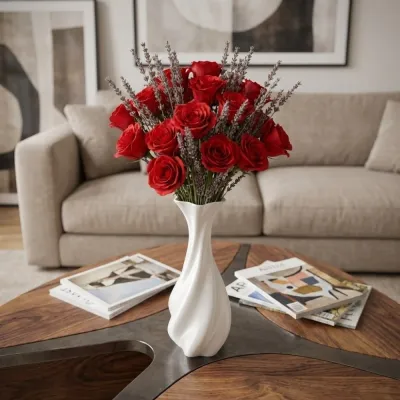
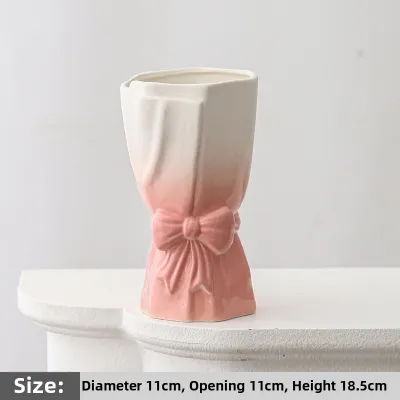
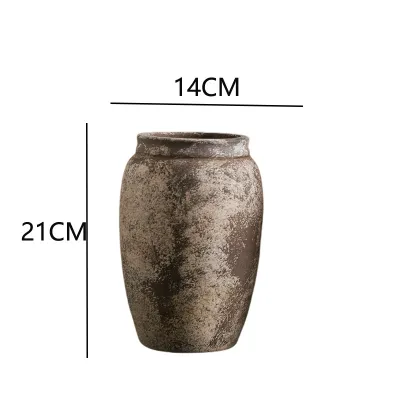
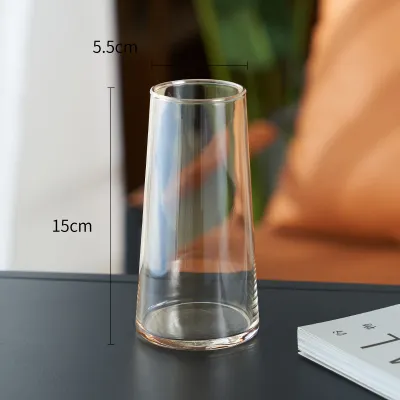
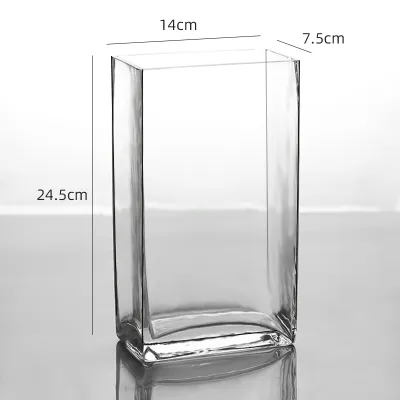
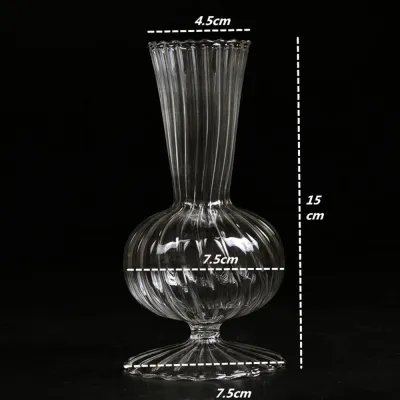
Prices are valid at publication and may change. Please refer to the product page for the latest price.
Base stability is arguably the most critical practical factor. A top-heavy or wobbly vase poses a significant risk on wooden altar surfaces. Accidental water spills can warp or stain expensive teak, rosewood, or custom-built altar cabinets. More importantly, water spillage near active electrical components—such as LED altar candles, hanging lamps, or electronic incense burners—presents a severe risk of short circuits or electrical hazards. If your altar features open-flame oil lamps or candles, a tipping vase could splash water onto hot oil, causing splattering and potential fire hazards. Therefore, a wide, heavily weighted base is an absolute prerequisite.
Recommended Materials and Designs for Buddha Vases
The material of your altar vase influences not only the visual aesthetic of your prayer space but also the daily maintenance routine. In Singapore’s tropical, humid climate, certain materials require more upkeep than others to prevent tarnishing, mold, or degradation. Understanding the characteristics of each material helps you select a vase that aligns with your lifestyle and the design of your home altar.

Brass and Metal Alloys
Brass and bronze have been the traditional materials of choice for Buddhist altar vessels for centuries. These metals carry an inherent solemnity, weight, and timelessness that immediately elevate the sacredness of the space. A solid brass buddha flower vase is virtually indestructible; it will not crack if accidentally knocked over, making it an exceptionally safe choice for busy households. The natural weight of metal provides excellent stability, even when holding long-stemmed floral offerings like lilies or chrysanthemums.
However, metal vases require consistent upkeep to retain their respectful appearance. In Singapore’s humid air, raw brass and bronze naturally oxidize over time, developing a dark patina or greenish spots. To maintain a bright, polished look, regular gentle polishing with specialized metal cleaners is necessary. If you prefer a low-maintenance option, look for brass vases finished with a protective clear lacquer coating, which prevents oxidation and only requires dusting with a dry microfiber cloth.
Before purchasing a metal vase, it is essential to verify its interior construction. Some traditional brass vases are cast in multiple parts and may have micro-seams that can slowly weep water over time. Ensure the interior is fully sealed, or check if the manufacturer recommends using a separate plastic or glass liner. Alternatively, some practitioners use brass vases exclusively for dry or high-quality silk flower arrangements to eliminate the risk of water-induced corrosion entirely.
Ceramic and Porcelain
Ceramic and porcelain vases offer a classic, culturally resonant aesthetic with a vast array of artistic glazes. For Buddhist altars, popular choices include pale green celadon, pure white Dehua porcelain (often referred to as “blanc de Chine”), and traditional blue-and-white porcelain. These vases frequently feature hand-painted or embossed motifs of lotus blossoms, which symbolize purity rising from mud, or elegant calligraphy of sacred scriptures.
One of the primary practical advantages of ceramic is its resistance to water damage. Unlike metal, glazed ceramic will not rust, corrode, or react with flower food, making it incredibly easy to clean during daily water changes. The smooth, non-porous glazed interior prevents algae from clinging to the walls, ensuring the water remains fresh and hygienic with minimal scrubbing.
When selecting a ceramic vase, turn it over to inspect the unglazed bottom ring. During the firing process, the bottom of the vase is left unglazed so it does not fuse to the kiln shelf. This raw ceramic surface can be highly abrasive. Ensure this bottom ring has been sanded perfectly smooth by the manufacturer. If it feels rough to the touch, it can easily scratch the polished lacquer or varnish of your wooden altar. You can resolve this by applying small, adhesive felt pads to the base, provided they do not compromise the vase’s stability.
Glass and Crystal
For modern Singaporean homes featuring minimalist, contemporary, or space-saving wall-mounted altars, glass and crystal vases are increasingly popular. Clear glass represents absolute purity and clarity of mind, which aligns beautifully with Buddhist teachings. Practically, a transparent vase allows you to monitor the water level and the condition of the flower stems at a glance, prompting timely water changes before the water becomes cloudy or develops an odor.
The primary drawback of glass is its fragility and lighter weight compared to brass or thick ceramic. A lightweight glass vase can easily tip over if holding top-heavy flowers. To mitigate this risk, prioritize heavy, thick-walled glass or solid lead-crystal vases with a flared, wide base. Avoid delicate, thin-walled novelty glassware, especially if you have pets or young children who might accidentally disturb the altar area.
If you appreciate the clean look of glass but find that water discoloration or stem decay shows too quickly, frosted, tinted, or textured glass is an excellent middle ground. Amber, light green, or smoky grey glass vases can diffuse the light, obscuring minor water cloudiness while still maintaining a serene, luminous aesthetic that complements modern interior decor.
Sizing and Placement Guidelines for Singapore Homes
In Singapore, where many families live in HDB flats or condominiums, altar spaces are often compact. Wall-mounted altars or small, dedicated cabinets are common. Consequently, choosing the correct size for your buddha flower vase is vital to avoid overcrowding and to maintain a balanced, respectful layout.
The golden rule of altar design is the “rule of proportion.” As a general guideline, the height of the flower vase should not exceed one-third to one-half the height of the main Buddha statue or image. For example, if your central Buddha statue stands 12 inches (approximately 30 cm) tall, your vases should ideally be between 4 and 6 inches (10 to 15 cm) in height. A vase that is too tall disrupts the visual hierarchy, drawing attention away from the sacred image, while a vase that is too small can look lost and insignificant.
Symmetrical arrangement is traditional in Buddhist altars, where a pair of identical vases is placed on the left and right sides of the main statue. This layout represents balance and harmony. However, if your altar is highly compact or wall-mounted, attempting to squeeze a pair of vases onto a narrow shelf can create a cluttered, chaotic appearance. In such cases, a single, beautifully chosen vase placed to one side of the statue is entirely acceptable and often looks much more serene.
When planning the layout, safety clearances must be your absolute priority. Vases filled with water must be kept at a safe distance from any heat sources or electrical devices. If your altar utilizes traditional oil lamps or wax candles, ensure the flowers and stems in the vase cannot droop or lean toward the open flames, which poses an immediate fire hazard. Similarly, keep the vases clear of electrical wiring for altar lights. In Singapore’s tropical climate, high humidity can cause condensation, so maintaining a clear physical separation between water vessels and electrical plugs or switches is crucial.
Buying Guide: What to Verify Before Purchasing
Whether you are shopping at local religious supply stores in Chinatown, Waterloo Street, or Geylang, or browsing online marketplaces, a systematic inspection is necessary to ensure you buy a high-quality, durable vase.
For in-store shopping, always perform a physical inspection. For ceramic and porcelain vases, check for structural integrity by gently tapping the side of the vase with your knuckle or a small wooden coin. A high-quality, crack-free ceramic vase will produce a clear, high-pitched ringing sound. If the tap results in a dull, flat thud, there may be an invisible hairline crack within the clay body that will eventually leak water. Place the vase on a completely flat glass or metal counter in the store and gently nudge the rim to verify that the base sits perfectly flat without any wobbling.
If you are purchasing your buddha flower vase online, take extra precautions to ensure the item arrives safely and matches your expectations. Carefully review the seller’s return and refund policies regarding transit damage. Because ceramics and glass are highly fragile, ensure the seller uses robust packaging, such as custom-fit styrofoam or multi-layered bubble wrap.
Avoid relying solely on highly stylized promotional renders, which can distort colors and proportions. Look for customer reviews that include real-life photos of the product in home settings. This allows you to verify the actual color tone—as glazes can vary significantly under different lighting—and assess how the vase looks in a real home altar environment. If dimensions are unclear, message the seller to confirm the exact height, base diameter, and mouth opening size before finalizing your purchase.
Daily Care and Maintenance for Altar Vases
Maintaining a clean and hygienic altar is considered an extension of one’s spiritual practice, reflecting mindfulness and respect. Neglected vases with stagnant water, decaying stems, and unpleasant odors are entirely contrary to the spirit of making a pure offering.
In Singapore, regular water changes are not only a matter of respect but also a public health responsibility. The National Environment Agency (NEA) actively campaigns against dengue transmission, and stagnant water in flower vases is a common breeding ground for Aedes mosquitoes. To prevent mosquito breeding, algae buildup, and foul odors, change the water in your altar vases daily, or at least once every two days. When changing the water, thoroughly rinse the stems of the flowers to remove any slimy residue.
When cleaning your vases, always use gentle, non-destructive methods. Wash the interior and exterior with a soft microfiber cloth or a non-abrasive sponge and mild, unscented dish soap. Avoid using harsh chemical cleaners, bleach, or acidic solutions, which can strip away protective lacquers on brass, dull the clarity of crystal, or erode delicate overglaze gold leaf details on ceramic. Never use steel wool, abrasive scouring pads, or stiff-bristled brushes, as these will leave permanent scratches on polished surfaces, ruining the pristine beauty of your altar vessels.
Frequently Asked Questions (FAQ)
Can I use regular decorative vases for a Buddha altar?
While any clean, stable container can physically hold flowers, dedicated Buddha flower vases are highly recommended. Dedicated altar vases are specifically designed with low centers of gravity and wide bases to prevent tipping on flat surfaces. Furthermore, they feature traditional motifs and proportions that harmonize with other altar implements, such as incense burners and water cups. Using a dedicated vessel demonstrates a higher level of mindfulness and intentionality in your daily practice, helping to maintain a cohesive, reverent, and peaceful atmosphere in your sacred space.
Should I use real or artificial flowers in these vases?
Both real and artificial flowers are acceptable, but they serve different lifestyles and carry different symbolic meanings. Offering fresh, real flowers is traditionally preferred because their natural blooming and eventual wilting beautifully illustrate the core Buddhist concept of impermanence. However, if your busy schedule makes daily water changes and frequent flower replacement difficult, high-quality silk flowers are a practical and respectful alternative. If you choose artificial flowers, ensure they are dusted regularly to keep the altar clean. Even when using dry or silk flowers, you must keep the interior of the vases dry and clean; do not leave stagnant water inside them, as this can damage the vase and create health hazards.
Community discussion
Share your experience or ask a question. Comments are reviewed before publication.