
The best burning barrel for home worship in Singapore is one that successfully balances fire safety, efficient ash containment, and strict compliance with local residential guidelines. Because the majority of Singapore’s population resides in high-density housing, selecting a personal burner requires careful consideration of your living environment. A high-quality burner not only honors cultural traditions but also protects your home, respects your neighbors, and adheres to environmental and fire safety regulations.
Choosing the right equipment depends on understanding physical specifications like material thickness, lid design, and thermal insulation. By selecting a model tailored to your specific housing type and following safe burning practices, you can perform your devotional duties responsibly without causing safety hazards or smoke nuisances in your community.
Singapore's Residential Rules for Burning Joss Paper
To ensure a safe and harmonious living environment, Singapore maintains clear regulations regarding the burning of joss paper. The National Environment Agency (NEA) and the Singapore Civil Defence Force (SCDF) oversee guidelines related to air quality, public cleanliness, and fire safety. While religious practices are respected, open burning must be conducted in a manner that does not pose fire risks or create excessive smoke nuisances for the surrounding community.
Products mentioned in this guide
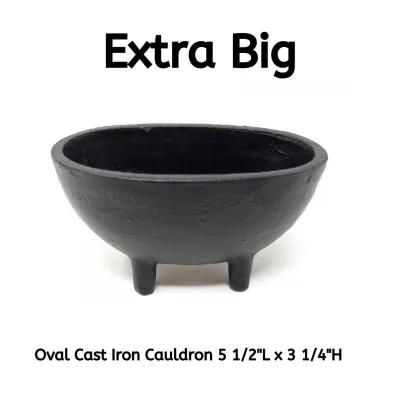
Prices are valid at publication and may change. Please refer to the product page for the latest price.
For residents living in Housing & Development Board (HDB) flats, public safety rules are highly specific. Burning joss paper is strictly prohibited in common corridors, stairwells, lift lobbies, and void decks. These areas are critical evacuation routes during emergencies, and keeping them clear of smoke, heat, and physical obstructions is a matter of law. Instead, residents are encouraged to use the designated communal red or green burning bins provided by the local Town Council at the ground level.
If you choose to use a personal burning barrel within your flat, such as on a service yard or an open balcony, you must ensure it does not cause smoke to drift into neighboring units. Some Town Councils have specific bylaws regarding the use of personal burners, and certain estates may restrict them if they generate persistent complaints. Always prioritize neighborly consideration and local safety guidelines when planning your setup.
Private condominium residents face a different set of regulations governed by their estate’s Management Corporation Strata Title (MCST) bylaws. MCST rules are often highly restrictive to maintain property values and prevent communal friction. Many private estates strictly prohibit any form of religious burning on private balconies, patios, or private enclosed spaces (PES). This is because smoke can easily trigger sensitive building-wide fire alarm systems or drift into adjacent apartments, causing air quality issues.
In almost all condominiums, residents must use the communal burning bins located at designated ground-floor areas, positioned safely away from residential blocks. Before purchasing any burning equipment, it is highly recommended that you verify the latest guidelines with your specific Town Council or MCST managing agent. Rules can vary significantly from one estate to another, and staying informed prevents potential fines, disputes, or safety hazards.
Essential Safety and Design Features to Evaluate
When shopping for a burning barrel, you must look beyond basic aesthetics and focus on structural integrity and safety engineering. A well-designed burner prevents accidental fires, minimizes smoke, and lasts for many years despite exposure to extreme heat and corrosive ash.

Material composition is the first line of defense against wear and tear. High-grade stainless steel, particularly 304-grade, or thick galvanized steel is highly recommended for residential burners. Cheap, thin sheet metal barrels warp rapidly under the intense heat generated by burning paper, which can prevent the lid from sealing properly and increase the risk of structural failure. When evaluating products, check the manufacturer’s specifications for material thickness and heat tolerance to ensure the barrel can withstand repeated, high-temperature use without degrading.
Ash containment and lid design are critical features for high-rise living, where wind currents can easily scatter hot embers. The best burning barrels feature secure, hinged, or weighted lids equipped with fine mesh screens or baffled, restricted air vents. These designs allow sufficient oxygen to enter the chamber for clean, complete combustion while keeping flying ash, sparks, and embers safely trapped inside. This containment is essential for preventing accidental fires on neighboring balconies or service yards.
Heat insulation and base protection are equally vital to safeguard your property. The bottom of a burning barrel can reach extremely high temperatures, which can crack ceramic floor tiles, melt waterproofing membranes on balconies, or scorch combustible surfaces. Look for burners that feature double-wall insulation, which helps keep the exterior surface temperature manageable. Additionally, the unit must have heat-resistant handles for safe positioning and elevated legs or an insulated base stand to create a reliable thermal barrier between the hot burning chamber and the ground.
Finally, consider the size and portability of the burner relative to your available space. A burner that is too large for a small HDB service yard increases fire risks by placing intense heat sources too close to walls, laundry, or utility pipes. Measure your designated outdoor or semi-outdoor space carefully before buying. Opt for compact designs with foldable legs or lightweight profiles that allow you to easily transport and store the unit in a dry utility closet when it is not in use.
Recommended Burning Barrel Types by Home Type
Choosing the right burning barrel depends heavily on your housing type and the physical space available for worship. Matching the burner to your specific residential layout ensures maximum safety and convenience.
Space-Saving and Portable Options for HDB Flats
HDB service yards and balconies present unique spatial challenges due to their limited square footage and close proximity to neighboring units. For these compact environments, small, cylindrical, or foldable stainless steel burners are the most practical choice. These specialized burners typically feature a narrow footprint, often measuring under 30 centimeters in diameter, allowing them to fit comfortably into tight corners without blocking pathways.
When selecting an HDB-friendly burner, prioritize models that feature secure, lockable mesh lids and integrated, slide-out ash collection trays. The lockable lid ensures that sudden drafts or high-altitude winds do not blow the burner open mid-use, while the integrated ash tray makes cleaning up simple and mess-free. These design elements are crucial for maintaining good relations with your neighbors and keeping your balcony clean.
However, compact burners come with distinct trade-offs that you must consider. Because of their small physical capacity, you cannot burn large quantities of joss paper all at once. You will need to feed the paper into the burner in small, controlled batches, which naturally extends the duration of your worship session and requires constant, active monitoring.
When browsing online marketplaces or visiting local religious supply shops in Singapore, look for products that are explicitly marketed for balcony or service yard use. Always cross-reference the product’s physical dimensions with your measured space, ensuring you have enough room to stand safely while tending to the burner.
Heavy-Duty and Insulated Options for Condos and Landed Homes
Residents of landed properties or ground-floor condominium units with spacious private patios have much more flexibility when it comes to choosing a burning setup. For these larger, open-air environments, heavy-duty, double-walled burning barrels are highly recommended. These robust units are built to handle larger volumes of joss paper, making them ideal for major festival observances.
These premium burners feature thick steel construction and double-wall insulation, which significantly reduces the amount of heat radiated to the surrounding environment. Many of these heavy-duty models are mounted on wheeled stands, allowing you to easily roll the heavy barrel to an open outdoor spot for burning and return it to a sheltered storage area once it has cooled completely. A wide, heavy base is also essential to ensure the barrel remains stable and secure against strong outdoor wind gusts.
Aesthetic integration is another benefit of these larger burners. Many heavy-duty models are designed with traditional decorative motifs, such as longevity symbols, or feature elegant matte black or bronze heat-resistant finishes that blend seamlessly with outdoor garden or patio decor.
Even with the benefit of a larger outdoor space, you must still maintain strict safety distances. Position the burning barrel well away from property boundary lines, dry garden foliage, overhanging roof eaves, and especially outdoor air conditioning compressors, which can easily draw smoke and ash into your home’s ventilation system.
Safe Setup, Operation, and Ash Disposal Practices
Operating a burning barrel safely requires a combination of proper preparation, active supervision, and responsible waste management. Following these practical guidelines helps prevent accidental property damage and ensures a respectful worship experience.
When setting up your burning barrel, always place it on a completely non-combustible, fire-resistant surface. A concrete floor, tiled balcony, or a dedicated heavy-duty fireproof silicone mat is highly recommended. Never place a hot burner directly on wooden decking, artificial turf, or near plastic storage containers. Ensure the setup area is well-ventilated to allow smoke to disperse, but keep it shielded from strong wind gusts. Additionally, maintain a safe clearance zone of at least one meter away from laundry racks, curtains, dry plants, and air conditioning units.
During operation, avoid the temptation to overload the barrel with large stacks of joss paper. Overloading restricts airflow within the chamber, leading to incomplete combustion, which produces thick, dark smoke and can cause sudden, dangerous flare-ups when oxygen suddenly rushes in. Instead, feed the paper in small, loose, and manageable batches. For safety, always keep a bucket of water, a bucket of dry sand, or a certified home fire extinguisher within arm’s reach throughout the entire burning process, and never leave a burning barrel unattended.
After your worship session is complete, allow the barrel and the accumulated ash to cool down completely. This cooling process can take several hours, so leaving the barrel undisturbed overnight is often the safest practice. Do not attempt to move, clean, or touch the barrel while it is still hot. Once the ash is entirely cold to the touch, carefully sweep or transfer it into a sturdy trash bag, tie it securely, and dispose of it in the general waste bin. Never dump warm or unextinguished ash into indoor rubbish chutes, as this can easily ignite a catastrophic chute fire.
To extend the lifespan of your burning barrel, regular maintenance is essential. Ash contains salts and chemical residues that become highly corrosive when they absorb moisture from Singapore’s humid air. Empty all residual ash after every use and wipe down the interior walls with a dry cloth or stiff brush. Avoid washing the interior with water unless absolutely necessary; if you do wash it, ensure the barrel is dried completely in direct sunlight before storing it in a dry, covered indoor cabinet or utility room to prevent rust.
Frequently Asked Questions (FAQ)
Is it legal to burn joss paper on an HDB common corridor?
No, it is strictly prohibited to burn joss paper in HDB common corridors, stairwells, lift lobbies, and void decks. These areas serve as vital fire escape routes and shared community spaces, and burning in these locations poses an immediate fire hazard while creating a severe smoke nuisance for neighbors. Residents should use the designated communal burning bins provided by the Town Council at the ground level, or use approved personal burners within their own private service yards, provided they comply with local estate regulations and do not cause a disturbance.
How can I stop flying ash from bothering my neighbors?
To prevent flying ash from drifting into neighboring units, always use a burning barrel equipped with a fine mesh screen lid or a solid lid with restricted, baffled air vents. Avoid burning on highly windy days when drafts can easily carry embers away. Additionally, do not overload the burner; burning joss paper in small, controlled batches ensures a cleaner burn with less loose ash. If necessary, you can lightly fold or slightly dampen the very edges of the joss paper stack to slow down the burn rate and minimize the generation of lightweight, floating embers.
How do I clean and store the burner to prevent rust?
Because ash contains salts and chemical residues that become highly corrosive when mixed with moisture, regular cleaning is vital. Once the burner has cooled completely, empty all residual ash into a trash bag. Use a dry, stiff-bristled brush or dry cloth to wipe down the interior walls. Avoid washing the interior with water unless absolutely necessary; if you do wash it, dry the barrel completely in direct sunlight immediately afterward. Always store the dry burning barrel indoors or in a well-ventilated, covered storage cabinet to protect it from Singapore’s high humidity and frequent rainfall.
Community discussion
Share your experience or ask a question. Comments are reviewed before publication.