
While power outages in Singapore are relatively rare, a sudden localized blackout or a tripped circuit breaker can plunge your HDB flat into complete darkness in an instant. Relying solely on your smartphone’s built-in flash is a poor long-term solution; it drains your phone’s critical battery, offers a harsh, directional glare, and fails to illuminate an entire room. High-quality camping flashlights and lanterns serve as the ultimate dual-purpose emergency lighting solution. Designed to withstand rugged outdoor conditions, these versatile tools are exceptionally well-suited for the concrete layouts and compact spaces of modern Singaporean apartments.
Selecting the right emergency light involves understanding how outdoor gear translates to indoor utility. Unlike tactical flashlights that throw narrow, piercing beams over long distances, the ideal indoor backup light focuses on wide, diffused illumination. By investing in reliable camping gear, you secure a robust emergency system that keeps your household safe, comfortable, and connected during unexpected power disruptions.
Key Features to Look for in an HDB Emergency Light
When evaluating camping flashlights for domestic emergency use, several specialized criteria set the best options apart from standard household torches. HDB flats present unique architectural environments—characterized by solid concrete walls, compact rooms, and highly functional communal spaces—that require specific lighting characteristics.
Products mentioned in this guide
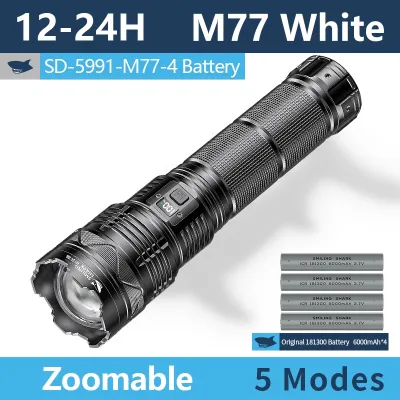
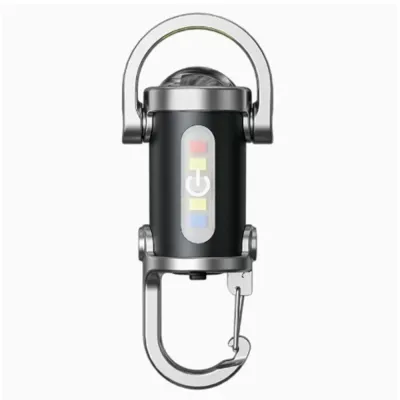
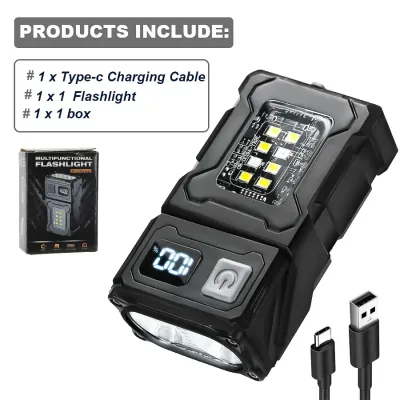
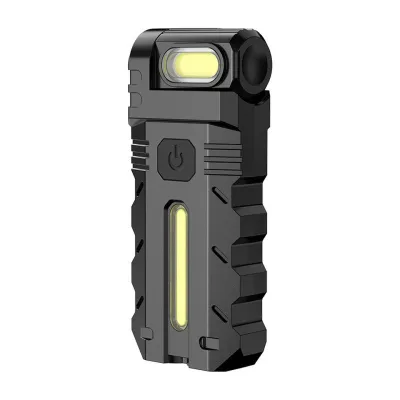
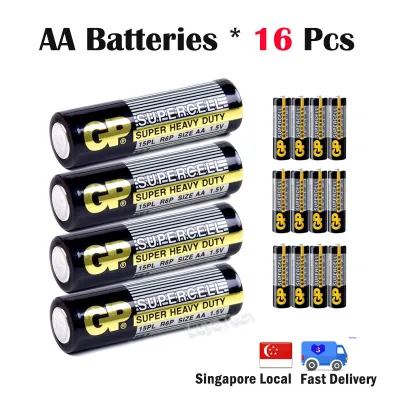
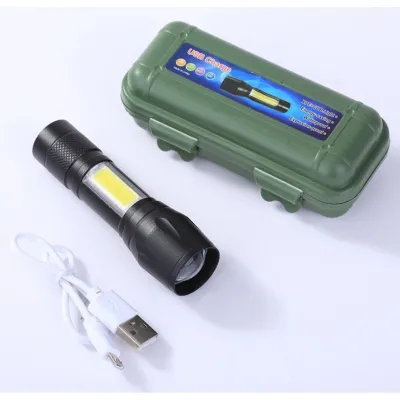
Prices are valid at publication and may change. Please refer to the product page for the latest price.
- Diffused and Ambient Lighting: Most tactical or standard flashlights emit a highly focused, intense beam. Indoors, this beam bounces off light-coloured walls and gloss-finished furniture, creating blinding glare and deep, disorienting shadows. For a comfortable indoor environment, look for lights that offer 360-degree ambient illumination or include high-quality diffusers. Soft, scattered light mimics your everyday ceiling fixtures, reducing eye strain and helping family members—especially children and the elderly—navigate the home safely.
- Versatile Mounting and Hands-Free Operation: During a power outage, you often need both hands free to check your electrical distribution board (DB box), prepare food, or tend to family needs. Camping lights excel here because they frequently feature diverse mounting mechanisms. Strong magnetic bases allow you to snap the light directly onto metal surfaces like your refrigerator door, steel bomb shelter frames, or metal window grilles. Built-in folding hooks or carabiner loops let you hang the light from door handles, wardrobe rails, or isolated ceiling fan fixtures.
- Modern Power Solutions and USB-C Rechargeability: Standardizing on USB-C rechargeability ensures your emergency lights can be topped up using the same cables and wall adapters you use for your smartphone. This eliminates the need to scramble for rare disposable battery sizes in the dark. Furthermore, a reliable backup light must feature a clear, multi-stage battery level indicator. Knowing whether your light has 20% or 100% capacity at a single glance prevents the frustration of a dead battery when you need it most.
- Durability and Storage Footprint: Because HDB storage space is often at a premium, emergency lights should be compact enough to fit into a dedicated living room drawer or a kitchen utility cabinet. Outdoor-grade durability ensures that if a light is knocked off a table onto hard homogeneous floor tiles, it will continue to function without cracking or failing.
Top Camping Flashlights for HDB Power Outages
To help you choose the right backup system, we have categorized the most effective camping flashlights and lanterns based on their form factor, light distribution, and power reliability. Each category excels in different areas of an HDB flat, from small bedrooms to spacious living areas.

Before making a purchase, always verify the current specifications, warranty terms, and local availability from authorized retailers or official brand stores in Singapore. Purchasing from reputable sources ensures you receive genuine products with certified battery cells, which is crucial for safety and longevity in our tropical climate.
Best for Ambient Room Lighting: Silicone Magnetic Lanterns
Silicone-body camping lanterns, such as the Olight Obulb series, represent a major advancement in compact emergency lighting. These small, spherical lights feature a durable, drop-resistant silicone dome that acts as a highly effective built-in diffuser. Instead of emitting a harsh glare, they cast a soft, warm glow that easily fills a standard HDB bedroom or bathroom without dazzling your eyes.
One of the primary benefits of these silicone models is their exceptional physical resilience. HDB floors are typically finished with hard ceramic tiles, polished marble, or vinyl. If a glass or hard-plastic lantern is accidentally knocked off a bedside table in the dark, it can easily shatter. A silicone-bodied lantern, however, simply bounces safely off hard surfaces, ensuring your light source remains fully operational when you need it most.
Additionally, these compact lights almost always feature a strong magnetic base. This allows you to stick them instantly to the steel frame of your household shelter (bomb shelter) door, the side of your fridge, or even your metal window grilles. Their tiny, pocket-sized footprint means they can be tucked away in bedside drawers, ready to be grabbed in an instant.
Key Limitations: Because of their small size, silicone magnetic lanterns generally have a lower maximum lumen output, often capping out between 55 and 150 lumens. While this is more than enough to read a book or navigate a dark bathroom, it will not brightly illuminate a large 5-room HDB living and dining area. Furthermore, when storing these in Singapore’s humid climate, always check the manufacturer’s IP water-resistance rating to ensure the charging contacts are well-protected against atmospheric moisture and corrosion.
Best for Versatile Mounting: Compact Lanterns with Magnetic Bases
For areas where you need a mix of directional task lighting and broad ambient light, compact hard-shell lanterns with built-in magnets and integrated kickstands are highly effective. Popular examples include the Fenix CL26R series and the Goal Zero Lighthouse Micro. These rugged tools are designed to sit flat on a table, hang from a hook, or stick to any magnetic surface.
These lanterns typically offer multiple lighting modes, allowing you to toggle between full 360-degree illumination, a downward-facing directional light, or a forward-facing flashlight beam. This versatility is incredibly useful during an HDB power outage. For instance, if you need to work in the kitchen, you can stick the lantern to the side of your microwave or range hood and set it to downward mode to light up your countertops without casting shadows on your work area.
Another hidden benefit of these high-quality camping lanterns is their robust battery engineering. While they are built to withstand freezing outdoor temperatures, this high-grade battery design translates to excellent charge retention and longevity when stored in warm, non-air-conditioned HDB storerooms or utility closets. They experience very low self-discharge rates, meaning they will hold their charge for months on end.
Key Limitations: Because they maintain a compact, highly portable form factor, these lanterns use moderately sized internal lithium-ion batteries (typically a single 18650 cell or equivalent). While they can run for days on low power, running them on their highest brightness settings will drain the battery within a few hours. To maximize their utility during an outage, always check the manufacturer’s stated runtime on medium or low settings—usually, a modest 50 to 100 lumens is perfectly adequate for indoor use and will extend the battery life significantly.
Best for Extended Outages: High-Capacity Lanterns with Power Bank Features
During a prolonged power outage—which, while rare, can happen during major substation faults or electrical maintenance—keeping your communication channels open is vital. High-capacity camping lanterns with built-in power bank functionality, such as the Nitecore LR series, offer a heavy-duty solution that provides both high-intensity light and emergency power for your personal devices.
These lanterns feature large internal battery packs, often ranging from 5,000 to over 10,000 mAh. In an emergency, this massive capacity allows you to plug your smartphone directly into the lantern’s USB output port. Keeping your phone charged ensures you can stay in touch with family, contact your Town Council’s Essential Maintenance Service Unit (EMSU), or monitor real-time updates from utility providers.
With their high battery capacity, these lanterns can deliver up to 500 to 1,000 lumens of light. This is bright enough to illuminate an entire HDB living room and dining area. By placing the lantern on a central table and pointing it upward, you can bounce the light off your white ceiling, creating a highly effective, shadow-free indirect lighting setup for the whole family.
Key Limitations: The primary trade-off for this high capacity is physical size and weight. These lanterns are significantly bulkier and heavier than their compact counterparts, requiring a dedicated spot in your storage cabinet rather than a small drawer. Additionally, you must verify the exact USB power output specifications. Some older or lower-end models only output a slow 5V/1A charge, which may struggle to charge modern, power-hungry smartphones efficiently. Look for models that support at least 5V/2A or modern fast-charging protocols.
Best for Task Lighting: Focusable Flashlights with Diffuser Caps
If you prefer a traditional handheld flashlight but still want the benefits of a lantern, a focusable everyday carry (EDC) or camping flashlight paired with a slip-on silicone diffuser cap is an excellent hybrid option. Brands like Olight, Fenix, and Nitecore offer highly reliable pocket flashlights that can be easily converted into ambient light sources using these simple, frosted silicone caps.
This hybrid setup gives you the best of both worlds. When you first experience a blackout, you can use the flashlight’s focused beam to safely navigate dark corridors, search through deep cupboards, or inspect your household shelter’s DB box to see if a circuit breaker has tripped. Once you have identified the issue, you can slip the frosted diffuser cap over the bezel. This instantly transforms the piercing spotlight into a soft, omnidirectional glow, allowing you to set the flashlight upright on its tail (tail-standing) to light up an entire bedroom.
Furthermore, because these are standard handheld flashlights, they offer immense utility beyond home emergencies. You can use them for evening runs, night cycling, or searching for dropped items under heavy furniture, ensuring you get regular use out of your investment.
Key Limitations: The most obvious drawback is that you must keep track of a separate, easily misplaced silicone diffuser cap. If you lose the cap, you are left with a harsh spotlight that is difficult to use comfortably as ambient room lighting. Additionally, you must check the flashlight’s physical design; tail-standing requires a flat, stable tail-cap. Flashlights with protruding rubber switch buttons cannot stand vertically on flat surfaces, making them much harder to use as makeshift table lamps in the dark.
Comparing the Top Emergency Flashlight Picks
To help you quickly determine which style of camping light best fits your household’s emergency preparedness plan, we have summarized their key characteristics in the comparison table below. Each design serves a distinct role during an HDB power outage.
| Flashlight Category | Best Use Case in HDB | Light Type (Ambient vs. Focused) | Mounting Options | Power Bank Feature (Yes/No) | Key Limitation |
|---|---|---|---|---|---|
| Silicone Lantern | Bedrooms, bathrooms, and children's rooms | Ambient (Highly Diffused) | Magnetic base, small hanging loops | No | Lower maximum lumen output; check IP rating |
| Compact Magnetic Lantern | Kitchens, bomb shelters, and localized tasks | Multi-directional (Ambient & Downlight) | Strong magnets, folding hooks, stand | No (or very limited emergency output) | Smaller battery capacity; must manage brightness levels |
| High-Capacity Power Bank Lantern | Living rooms, dining areas, and device charging | Ambient (High-Lumen 360-degree) | Hanging loops, tripod mounts | Yes (High-capacity output) | Bulky and heavy; requires dedicated storage space |
| Focusable Flashlight with Diffuser | DB box inspection, dark corridors, and hybrid use | Focused beam (converts to ambient with cap) | Tail-standing (flat tail-cap required) | No | Requires keeping track of a separate diffuser accessory |
By combining different types of lights—such as keeping a silicone lantern in the bedroom and a high-capacity power bank lantern in the living room—you can create a comprehensive emergency lighting plan that covers every square metre of your home.
Storing and Maintaining Your Backup Lights in an HDB
An emergency light is only useful if it works when the power goes out. Because Singapore experiences high year-round temperatures and relative humidity levels that often exceed 80%, proper storage and routine maintenance are essential to prevent battery degradation and equipment failure.
- Choose the Right Storage Location: Store your emergency flashlights in a cool, dry, and easily accessible location. Avoid keeping them in areas prone to high heat and humidity, such as cabinets right next to kitchen stoves, laundry yards, or deep inside unventilated storerooms. A dedicated "emergency drawer" in your living room console or a central hallway cabinet is ideal. Ensure every member of the household knows exactly where this drawer is and can access it in total darkness.
- Implement a Periodic Battery Maintenance Routine: Modern camping flashlights rely on lithium-ion batteries. Unlike older disposable batteries, lithium-ion cells perform best when they are not left completely discharged or permanently sitting at 100% capacity for years. To maximize their lifespan, set a recurring digital calendar reminder every 3 to 6 months to check your lights. Discharge them slightly if they have been sitting idle, and top them up to around 70% to 80% capacity (or fully charge them if you prefer them ready for immediate maximum runtime).
- Utilize Physical or Electronic Lockout Modes: Many modern flashlights use electronic switches that draw a tiny, continuous amount of power even when turned off (known as parasitic drain). Over several months, this can completely drain a battery. To prevent this, check if your flashlight has an electronic lockout mode (usually activated by holding down the power button for a few seconds). Alternatively, you can perform a physical lockout by unscrewing the flashlight's tail-cap by a quarter-turn. This breaks the physical electrical contact, ensuring the battery remains fully charged and preventing the light from accidentally turning on and overheating inside a dark drawer.
- Keep a Maintenance Log: Stick a small piece of painter's tape or a label to the body of the flashlight or lantern, noting the last date it was charged and inspected. This simple physical reminder ensures you never have to guess whether your backup lights are ready to perform during a sudden blackout.
- Observe Safety Boundaries: If your power outage is accompanied by a burning smell near your electrical distribution board (DB box) or if you suspect a serious electrical fault in your home's fixed wiring, do not attempt to fix it yourself. Isolate the main power switch if it is safe to do so, avoid touching any exposed wires, and immediately contact a licensed electrical worker or your Town Council's emergency maintenance services for professional assistance.
Frequently Asked Questions (FAQ)
Can I use my camping headlamp as an emergency light for my HDB flat?
Yes, camping headlamps are excellent for hands-free task lighting, making them highly practical when you need to inspect your DB box or navigate dark corridors safely. However, they are generally poor choices for ambient room lighting. Because headlamps emit a focused, directional beam at eye level, wearing one while sitting with family members in a small room can cause uncomfortable glare and sharp shadows. Every time you look at someone, you will accidentally blind them with the beam. For communal spaces, a diffused lantern is a much more comfortable choice.
Are solar-powered camping flashlights effective for HDB emergencies?
Generally, no. Solar panels integrated into small camping flashlights are highly inefficient and require hours of direct, unfiltered sunlight to generate a meaningful charge. In a typical HDB apartment—especially those on lower floors, units facing inner courtyards, or windows with solar-tinted films—getting sufficient direct sunlight is highly impractical. For reliable emergency preparedness, HDB residents should rely on USB-C rechargeable flashlights, which can be quickly and predictably powered up from wall outlets, laptops, or portable power banks.
Community discussion
Share your experience or ask a question. Comments are reviewed before publication.