
Selecting the ideal cushion cover cartoon design for a child’s bedroom in Singapore involves balancing playful aesthetics with practical safety and climate-appropriate materials. Because Singapore experiences high relative humidity and warm temperatures year-round, children’s bedding and decor accessories must prioritize breathability to prevent skin irritation and heat accumulation. The most suitable options feature certified non-toxic fabrics, robust physical safety details like recessed zippers, and dimensions that suit local bedroom layouts without overwhelming the space.
By focusing on these core functional requirements rather than fleeting design trends, you can select cushion covers that remain useful, safe, and visually appealing as your child grows. This guide outlines how to evaluate fabric safety certifications, choose the right materials for different age groups, and select sizes that harmonize with typical Singaporean bedroom dimensions.
Quick Guide: Balancing Safety, Comfort, and Cartoon Style
When decorating a child’s room, cushions serve as versatile accessories for play, rest, and reading. However, the tropical climate of Singapore means that textiles close to a child’s skin require careful selection. A high-quality cushion cover cartoon print must do more than just display a favorite character; it must support a healthy, comfortable sleeping and lounging environment.
Products mentioned in this guide
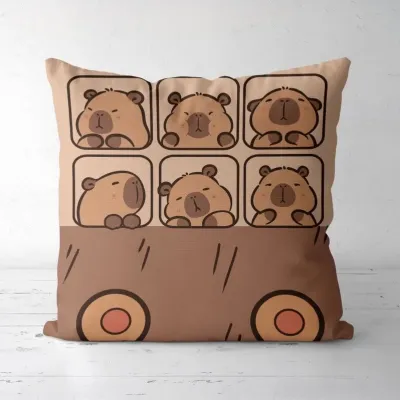
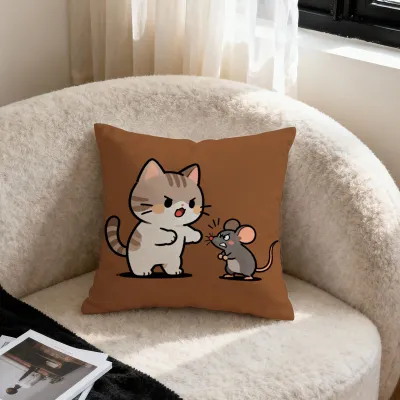
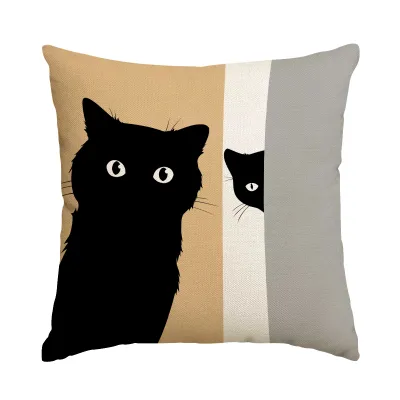
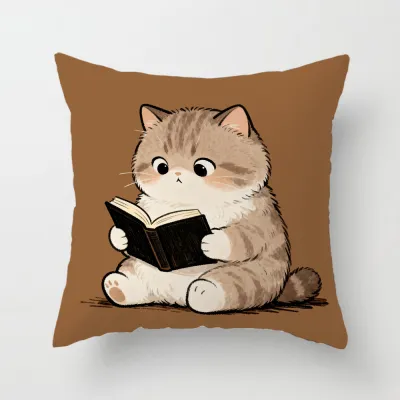
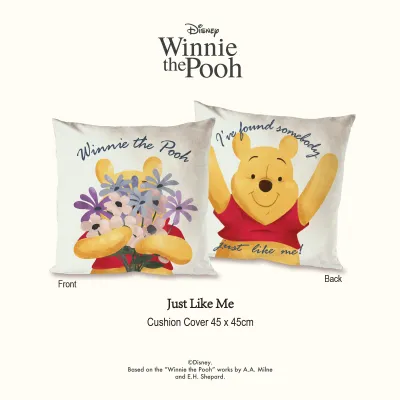
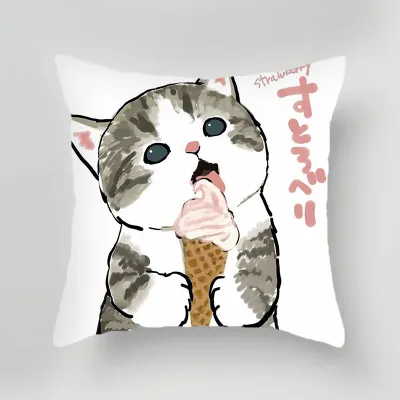

Prices are valid at publication and may change. Please refer to the product page for the latest price.
Parents should focus on three primary decision pillars when shopping: material breathability, structural safety, and long-term durability. Ensuring the fabric allows for adequate airflow helps mitigate the risk of heat rash, which is common in humid environments. Physical safety, such as the absence of sharp metal pulls or loose decorative elements, protects children during active play.
By centering your search on these core functional requirements, you can select cushion covers that remain useful, safe, and visually appealing as your child grows. This guide outlines how to evaluate fabric safety certifications, choose the right materials for different age groups, and select sizes that harmonize with typical Singaporean bedroom dimensions.
Material Safety and Physical Design: What to Look For
Children’s skin is significantly thinner and more sensitive than adult skin, making it highly susceptible to chemical residues left behind during textile manufacturing. When evaluating cartoon cushion covers, the printing process itself deserves close scrutiny. Cheaply manufactured synthetic prints can sometimes release volatile organic compounds (VOCs) or contain heavy metals and azo dyes that trigger contact dermatitis.

To guarantee chemical safety, look for recognized independent textile certifications on the product packaging or manufacturer’s specifications. Certifications such as Oeko-Tex Standard 100 ensure that every component of the cushion cover, including the threads, zippers, and prints, has been rigorously tested for harmful substances. Avoid relying on vague marketing claims like “natural” or “eco-friendly” without verifying these official labels.
Beyond chemical safety, the physical construction of the cushion cover plays a vital role in preventing injuries. Standard exposed zippers with dangling metal pulls pose a scratching hazard to a child’s face during sleep and can easily snag delicate bedsheets or floor rugs. Look for designs featuring hidden, recessed, or reverse-coil zippers that are tucked neatly beneath a fabric flap to eliminate direct skin contact.
Physical hazards also include small decorative attachments that are easily overlooked. While tassels, pom-poms, glued-on plastic eyes, or sequins can make a cartoon character look more three-dimensional and engaging, they present severe choking hazards for toddlers and infants. If a cushion cover features any trim, pull firmly on the attachment to verify that it is securely double-stitched rather than merely glued. For younger children, it is always safest to choose flat, printed designs without any loose or protruding elements.
Best Cushion Cover Materials by Age and Room Use
Different developmental stages and room settings call for specific fabric characteristics. A cushion cover used on a toddler’s cot requires a completely different material profile than one destined for a high-traffic playroom floor. Matching the material to the specific age group and functional environment ensures both comfort and longevity.
Organic Cotton for Toddlers and Sensitive Skin
For infants and toddlers, 100% organic cotton stands as the gold standard for cushion covers. Organic cotton is grown without synthetic pesticides and processed without harsh chemical bleaches or finishes, minimizing the risk of allergic reactions or respiratory irritation. Its natural fibers are incredibly soft to the touch, providing a gentle surface for a child’s delicate skin during naps or quiet play.
The inherent breathability of organic cotton is particularly beneficial in Singapore’s climate. It allows body heat to dissipate efficiently and absorbs moisture, keeping the child cool and dry whether the bedroom is air-conditioned or naturally ventilated. This thermal regulation is crucial for preventing sweat-induced wakefulness and skin chafing.
When purchasing organic cotton covers, parents should verify the fabric weight and care instructions. High-quality cotton cushion covers should have a tight, substantial weave that feels durable rather than flimsy. Always check if the fabric has been pre-shrunk during manufacturing; if not, washing it at high temperatures to eliminate dust mites may cause the cover to shrink, making it impossible to fit over the cushion insert again.
Breathable Linen-Cotton Blends for Older Kids
As children reach school age, their bedroom activities transition from floor play to reading, studying, and lounging. For these older kids, linen-cotton blends offer an excellent balance of comfort, durability, and climate suitability. Linen is renowned for its exceptional moisture-wicking and heat-conducting properties, making it feel instantly cool to the touch even on warm afternoon days.
By blending linen with cotton, manufacturers create a fabric that retains the cooling benefits of linen while incorporating the softness and wrinkle-resistance of cotton. This blend is highly resistant to the dampness that can accumulate in humid rooms, reducing the likelihood of mildew or musty odors developing within the cushion fibers.
Linen-cotton blends also possess remarkable structural integrity, meaning they can withstand years of active use and regular laundering without losing their shape or thinning out. While the fabric may feel slightly textured initially, high-quality blends soften beautifully with each wash. This subtle texture is highly tolerated by older children and lends a more sophisticated, relaxed aesthetic to a bedroom that is transitioning away from early childhood decor.
Machine-Washable Performance Blends for Playrooms
Playrooms, reading nooks, and floor seating areas are high-traffic zones prone to spills, dirt, and rough handling. For these active spaces, cushion covers made from high-quality, tightly woven performance blends—such as polyester-cotton mixes—are highly practical. These synthetic-natural blends are engineered to resist staining, tearing, and fading, making them resilient against daily wear.
When selecting a performance blend, it is critical to verify that the cartoon print is fully colorfast. Check the product care label to ensure it explicitly permits machine washing, ideally at temperatures that can effectively sanitize the fabric. Low-quality prints on synthetic fabrics can crack, peel, or bleed during washing, which not only ruins the design but can also leave sticky, uncomfortable residues on the surface.
Additionally, examine the fabric’s weave density to assess its resistance to pilling. Frictional wear from children sliding, sitting, or tossing the cushions can cause loose fibers on low-grade polyester blends to bunch up into small, scratchy balls (pills). A tight, dense weave prevents this fiber separation, ensuring the cushion cover remains smooth, comfortable, and visually appealing over dozens of wash cycles.
Sizing and Theme Selection for Compact Bedrooms
Singaporean residential properties, such as HDB flats and condominiums, often feature compact bedroom layouts where space must be managed efficiently. Selecting the right cushion dimensions and visual themes is essential to prevent the room from feeling cluttered or visually chaotic.
- Dimension Planning: For standard single beds, daybeds, or small reading corners, standard cushion cover sizes like 40×40 cm or 45×45 cm are highly recommended. These dimensions provide adequate back and head support without taking up excessive physical space. Oversized cushion covers, such as 60×60 cm or larger, can easily overwhelm a small bed, leaving little room for the actual sleeping pillow and posing a potential suffocation hazard for very young children.
- Insert Compatibility: Before purchasing a new cartoon cushion cover, always measure your existing cushion inserts carefully. As a general rule of thumb, cushion covers are designed to be slightly smaller (approximately 2 to 5 cm smaller) than the corresponding insert. This minor size difference ensures a plump, fully stuffed appearance and prevents the corners of the cover from looking empty or saggy. If you buy a cover that matches the exact dimensions of a deflated or older insert, the cushion may look flat and uninviting.
- Theme Longevity: While children often develop intense, rapid phases of loving specific licensed cartoon characters from movies or television shows, these preferences can change within a few months. To avoid a continuous cycle of replacing decor, consider choosing stylized, timeless cartoon motifs. Abstract animals, space exploration themes, whimsical botanical characters, or geometric-style illustrations offer the same playful charm as media-licensed characters but possess much greater longevity. These versatile designs can easily transition with your child as their tastes mature, saving you money and reducing textile waste.
Pre-Purchase Checklist: Verifying Fit and Care Requirements
Before finalizing your purchase of cartoon cushion covers, whether shopping at a local boutique in Singapore or browsing online marketplaces, run through this practical checklist to ensure a successful buy and avoid the hassle of returns:
- Label and Specification Verification: Confirm the exact dimensions required for your inserts. Check the fabric composition breakdown on the product page or physical label to ensure it matches your expectations (e.g., 100% organic cotton vs. a polyester blend). Verify the maximum washing temperature and drying instructions to ensure they align with your household laundry routine.
- Hardware and Construction Inspection: Ensure the zipper is a hidden or recessed type with a fabric cover flap. Check that the zipper pull features a secure metal stopper at the end of the track to prevent the slider from coming off during washing or rough play. Gently tug at any seams to verify the stitching is tight and even, with no loose threads that a child could pull.
- Retailer Policy Review: Carefully read the merchant's return and exchange policies, particularly when purchasing textiles online. Some retailers classify bedding and cushion covers as hygiene items and do not accept returns once the packaging is opened. Ensure you have recourse if the product arrives with manufacturing defects, such as misaligned cartoon prints, uneven stitching, or broken zippers.
Frequently Asked Questions (FAQ)
How often should I wash my child's cushion covers?
In Singapore’s warm and humid climate, children’s cushion covers should ideally be washed once every one to two weeks. Because cushions are frequently sat on, dragged across the floor, and drooled on during naps, they easily accumulate sweat, dead skin cells, and environmental dust, which can attract dust mites. If your child has allergies or asthma, or if a spill occurs, wash the covers immediately using a mild, fragrance-free detergent. Always refer to the manufacturer’s care label for specific water temperature limits and drying instructions to prevent fabric shrinkage or print damage.
Can I use adult-sized cartoon cushion covers in a child's room?
Yes, adult-sized cushion covers (such as 50×50 cm or 60×60 cm) can be used in a child’s bedroom, particularly as floor cushions in a reading nook or as back support on a daybed. However, you must exercise extra caution when introducing adult decor items into a child’s space. Adult cushion covers are rarely subjected to the same stringent safety standards as dedicated children’s products. You must manually inspect the cover to ensure it lacks sharp exposed zippers, loose decorative buttons, delicate sequins, or long tassels that could pose choking or physical safety hazards to younger children.

Community discussion
Share your experience or ask a question. Comments are reviewed before publication.