
To wake a heavy sleeper, a casio alarm clock must offer either a physical, high-decibel mechanical bell or a highly persistent, adjustable electronic alarm paired with an easily accessible snooze button. While smartphones often fail due to software updates, silent modes, or low battery, a dedicated Casio table clock provides foolproof hardware reliability. To find the right model for your needs, you must choose between the jarring, physical ring of an analog twin-bell clock and the highly functional, multi-alarm capability of a digital desk clock.
Selecting the ideal clock requires balancing the physical alarm mechanism with your specific sleep depth and bedroom environment. A clock that is too quiet will fail to wake you, while one with a poorly designed interface might lead to accidental shut-offs in your sleep. By understanding how different Casio designs target different sensory triggers, you can establish a foolproof wake-up routine that ensures you never sleep through an important commitment.
Why Casio Alarm Clocks Are a Reliable Choice for Heavy Sleepers
Casio has established a decade-spanning reputation for robust quartz movements and reliable timekeeping. For heavy sleepers, this engineering heritage translates into devices that perform consistently year after year. Unlike modern smartphones, which are subject to software crashes, unexpected operating system updates, silent mode overrides, or distracting late-night notifications, a dedicated table clock serves a single, critical purpose. It operates on isolated hardware, meaning its alarm will sound regardless of network connectivity or background app activity.
Products mentioned in this guide
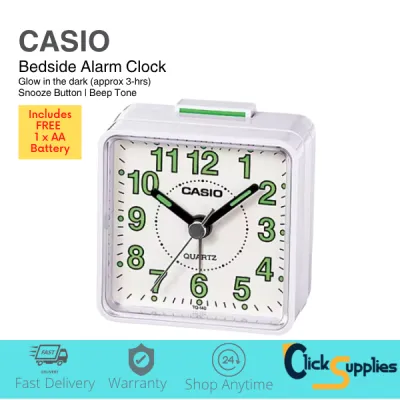
![[Powermatic] CASIO TQ-140-1B MINI TRAVELLERS BEEPER SOUND ALARM TABLE CLOCK](https://img.lazcdn.com/g/p/127da21fd62f01c85f6d095258e86296.jpg_400x400q80.jpg_.webp)
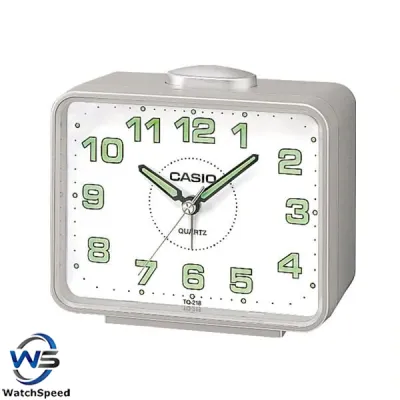
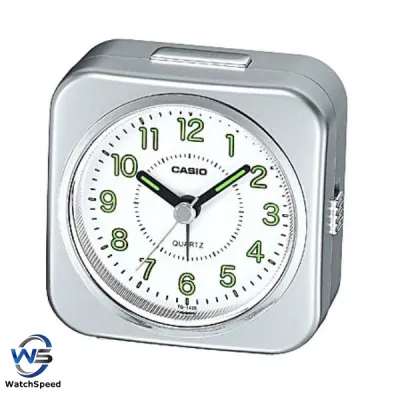
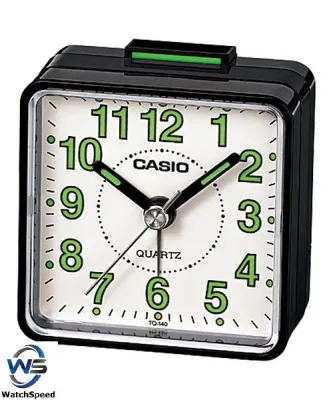
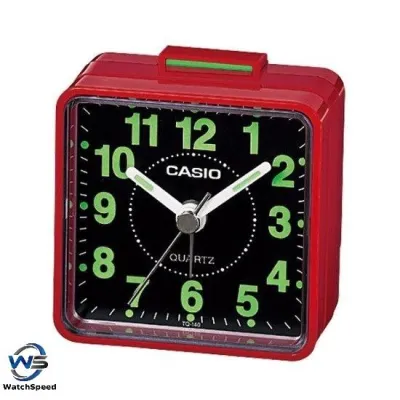
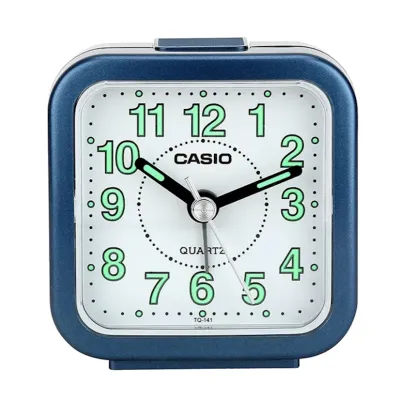
Prices are valid at publication and may change. Please refer to the product page for the latest price.
Dedicated hardware also allows for superior acoustic design. Smartphones must balance speaker size with slim aesthetics, resulting in thin, directional sound that is easily muffled by a pillow or blanket. Casio alarm clocks, by contrast, feature dedicated speaker chambers or physical metal bells designed specifically for maximum sound projection. The physical buttons on these clocks are engineered for tactile feedback, allowing you to interact with the device reliably even when you are half-awake.
Furthermore, using a dedicated alarm clock improves overall sleep hygiene. Keeping your smartphone away from your bedside table eliminates the temptation to scroll through social media or check emails late at night. This reduction in blue light exposure and mental stimulation helps you fall into a deeper, more restorative sleep, while the reliable presence of a physical clock ensures you can wake up without the anxiety of a dead phone battery. For those who struggle to rise in the morning, this combination of reliability and sleep-environment optimization is invaluable.
Key Features to Look for in a Loud Casio Alarm Clock
To choose an alarm clock that can successfully break through deep sleep, you must evaluate several critical design features. Not all alarms are created equal, and understanding the engineering behind volume, snooze functionality, and visibility will help you make an informed decision.

Alarm Volume and Sound Type
Sound waves behave differently depending on how they are generated. Mechanical bells, common in analog Casio models, utilize a physical hammer striking two metal bells. This produces a sharp, high-frequency physical resonance that physically penetrates deep sleep stages. The acoustic energy of a mechanical bell is directional and intense, making it incredibly difficult for the brain to ignore or incorporate into a dream.
Digital models, on the other hand, generate sound electronically through piezoelectric speakers. These alarms typically produce a series of rhythmic beeps that often increase in frequency and volume the longer they run. While they lack the raw, physical vibration of a metal bell, high-quality digital clocks allow for adjustable volume settings. When selecting a digital model, always check the product specifications for adjustable volume sliders or high/low switches, as some basic models emit a fixed, medium-volume beep that may not suffice for extreme heavy sleepers.
Additionally, the power source of the clock directly influences its maximum volume potential. AC-powered digital clocks, or those utilizing larger C or D batteries, can drive larger, more powerful speakers than slim models running on a single AA battery. If you choose a battery-operated digital clock, ensure you monitor the battery level closely, as declining voltage will gradually reduce the maximum decibel output of the speaker long before the display fades.
Snooze Functionality and Button Design
The snooze button is a double-edged sword for deep sleepers. A large, top-mounted snooze bar is easy to locate in a half-asleep state, allowing you to temporarily silence the alarm without fully waking. However, the design of this button must prevent accidental deactivation. If the button to turn the alarm off completely is located too close to the snooze bar, or if it is a simple toggle switch that can be easily flipped in the dark, you run the risk of disabling the alarm entirely while remaining asleep.
For heavy sleepers, the ideal configuration is a massive, top-mounted snooze bar paired with a secure, multi-step off switch located on the back or side of the clock. This layout forces you to physically pick up or reach around the clock to turn the alarm off permanently, increasing the likelihood that you will wake up fully. Some Casio models feature a snooze interval of five minutes, repeating up to seven or eight times, which provides a reliable safety net for those prone to falling back asleep immediately.
Conversely, many basic mechanical analog clocks lack a snooze function entirely. On these models, once you flip the physical switch to “off,” the alarm will not sound again until the next day. While this lack of a safety net can be risky, it also forces a psychological boundary: you know that turning the alarm off means you must get out of bed immediately. Consider your personal habits carefully before choosing between the safety of a repeating digital snooze and the strict discipline of a single-use analog switch.
Display Visibility and Nighttime Readability
Sleep hygiene is closely linked to bedroom lighting. A clock with a display that is too bright can disrupt melatonin production and make it difficult to fall asleep, while a completely dark clock face can cause anxiety when you wake up in the middle of the night and cannot easily check the time. Balancing nighttime readability with sleep comfort is essential.
Digital Casio clocks often feature LCD screens with on-demand backlights. These backlights are activated by pressing the top snooze bar, illuminating the screen for a few seconds before automatically turning off. This design ensures the bedroom remains completely dark during the night while still allowing you to check the time instantly when needed. Some premium digital models offer a continuous, low-intensity backlight with a dimmer switch, allowing you to customize the brightness to your exact preference.
Analog models typically rely on luminescent paint on the hands and hour markers, often referred to as Neo-Brite. This material absorbs light during the day and emits a soft glow in the dark. While this system requires no battery power, the glow will gradually fade over several hours. If you frequently wake up in the early morning hours, look for analog models that include a built-in micro-light activated by a physical button, which provides clear visibility regardless of how long the clock has been in the dark.
Recommended Casio Alarm Clock Types for Deep Sleepers
Casio offers a diverse range of table clocks, each catering to different sleep preferences and wake-up requirements. By focusing on the specific categories within the Casio lineup, you can identify the design philosophy that best matches your morning routine.
Digital Desk Clocks with Large Snooze Bars
Digital desk clocks are the modern standard for bedroom timekeeping. These models feature clear, high-contrast LCD screens that display the time in large, easily readable digits, alongside secondary information such as the date, day of the week, and ambient room temperature. The primary appeal of this category for heavy sleepers is the integration of progressive electronic alarms paired with highly accessible snooze mechanisms.
On these models, the snooze bar typically spans the entire top surface of the clock. This oversized design makes it incredibly easy to locate blindly in the dark. The alarm sound itself is usually a progressive beep that starts slowly and quietly, then rapidly escalates in speed and volume if left uninterrupted. This gradual escalation is designed to wake you gently during lighter sleep stages while still providing the necessary volume to break through deep REM sleep if you fail to respond initially.
Another advantage of digital desk clocks is their silent operation. Unlike analog clocks, which contain moving gears that can produce a continuous ticking sound, digital clocks are completely silent. This makes them the ideal choice for light sleepers who are easily disturbed by repetitive background noises but still require a loud, reliable alarm to wake them up in the morning.
Analog Clocks with Mechanical Bell Alarms
For those who find electronic beeps easy to ignore, analog clocks with mechanical bell alarms offer an uncompromising solution. These clocks, often designed with a classic twin-bell aesthetic, feature a physical metal hammer positioned between two hollow metal bells. When the alarm time is reached, an internal motor drives the hammer to strike the bells rapidly, creating an incredibly loud, metallic ringing sound.
This physical ringing is accompanied by a distinct vibration that can travel through your bedside table, adding a tactile element to the auditory wake-up call. The sheer volume and jarring frequency of a mechanical bell make it one of the most effective tools for waking extreme heavy sleepers or individuals with mild hearing impairment. It is a sensory assault that is nearly impossible to sleep through.
However, this mechanical power comes with specific trade-offs. The physical gears of an analog clock can produce a faint, continuous ticking sound. While many modern Casio analog clocks utilize a smooth, silent sweep second hand to eliminate this issue, you should always verify the movement specifications if you are sensitive to ticking. Additionally, as noted previously, many twin-bell models lack a snooze function, meaning you must commit to waking up as soon as you turn the physical switch off.
Dual-Alarm and Multi-Function Digital Models
For individuals with complex schedules, shifting shift work, or partners who wake up at different times, dual-alarm digital models provide essential flexibility. These clocks allow you to program two completely independent alarm times, each with its own dedicated on/off switch. This feature is particularly useful for heavy sleepers who require a strategic, two-stage wake-up process.
By setting the first alarm to sound thirty minutes before your actual get-up time, you can use it as a gentle warning to pull you out of deep sleep. The second alarm, set for your actual wake-up time, then serves as the final, non-negotiable call to action. This two-stage approach reduces morning grogginess (sleep inertia) by allowing your brain to transition gradually from deep sleep to wakefulness.
Multi-function digital models also frequently include automatic calendar adjustments, ensuring you never miss an alarm due to a leap year or a change in the month. Some advanced models also feature weekday/weekend alarm settings, which automatically disable the alarm on your days off, preventing the frustration of an early wake-up call when you have the opportunity to sleep in.
How to Verify Loudness and Reliability Before Buying
When shopping for a Casio alarm clock, especially through online marketplaces in Singapore, you cannot physically test the volume of the alarm before making a purchase. Therefore, you must rely on specific verification steps to ensure the model you select will meet your needs.
First, carefully analyze user reviews on retail platforms, focusing on specific keywords. Search for terms such as “loud,” “heavy sleeper,” “snooze bar,” and “battery life.” Pay close attention to reviews written by self-proclaimed deep sleepers, as their feedback will provide a realistic assessment of the clock’s volume. Be cautious of reviews that simply describe the alarm as “loud enough,” as this is highly subjective; instead, look for descriptions of the sound quality, such as “jarring,” “piercing,” or “impossible to sleep through.”
Second, verify the power source and electrical specifications of the clock. If you are purchasing an AC-powered digital model, ensure it is compatible with Singapore’s electrical system, which operates on a 230V supply voltage at 50Hz. Look for models that include a safety certification, such as the local Safety Mark, to ensure the device has been tested for electrical safety. For battery-powered models, check the size and number of batteries required. Clocks that utilize AA or C batteries generally offer more robust and consistent alarm volumes over a longer period than those relying on smaller AAA batteries.
Third, examine the physical dimensions and weight of the clock. A heavy, solid clock is less likely to vibrate off the edge of your nightstand when the alarm is sounding. This is particularly important for mechanical bell models, which generate significant physical movement during operation. A clock that rattles excessively or moves across the table can fall and sustain damage, rendering it useless.
Finally, review the return policy of the retailer. Because hearing thresholds and sleep depths vary greatly from person to person, an alarm that is deafening to one individual may be manageable for another. Ensure you can return or exchange the clock if, after testing it in your home environment, you find the volume or sound frequency is insufficient to wake you reliably.
Setup and Maintenance Tips for Consistent Wake-Ups
Once you have selected and purchased your Casio alarm clock, proper setup and maintenance are crucial to ensure it continues to perform reliably. Neglecting basic care can lead to diminished alarm volume, inaccurate timekeeping, or complete hardware failure.
- Battery Management: Always use high-quality alkaline batteries from reputable brands. Avoid cheap zinc-carbon batteries, as they have a lower energy density and are highly prone to leaking over time. Battery leaks can corrode the internal contacts of your clock, causing permanent damage. Replace the batteries at least once a year, or immediately if you notice the display dimming, the backlight flickering, or the alarm volume sounding weaker than usual.
- Strategic Placement: Position the clock on your nightstand at a strategic distance. It should be close enough that you can easily hear the alarm and see the display, but far enough away that you must physically sit up or stretch to reach the snooze bar. This physical movement helps to stimulate blood flow and increase alertness, making it much harder to fall back asleep after silencing the alarm.
- Environmental Protection: Singapore's warm, highly humid climate can be challenging for electronic devices. Keep your alarm clock away from open windows where it might be exposed to rain, condensation, or direct sunlight. High humidity can accelerate the oxidation of battery terminals and damage internal circuitry, while direct sunlight can warp plastic casings and degrade LCD displays over time.
- Regular Testing: Periodically test the alarm mechanism, especially if you have not used it for an extended period. Set the alarm for a few minutes ahead of the current time and allow it to ring for its full duration. This ensures the gears (in analog models) or the speaker (in digital models) are functioning correctly and that the volume level remains consistent.
Frequently Asked Questions (FAQ)
Can I adjust the alarm volume on all Casio alarm clocks?
No, you cannot adjust the alarm volume on all models. While many digital Casio clocks feature volume sliders, high/low switches, or progressive beeping patterns that increase in volume over time, basic analog mechanical bell clocks produce a fixed volume. The loudness of a mechanical bell is determined by the physical force of the hammer striking the metal bells, which cannot be electronically adjusted. If you require precise control over the volume of your alarm, a digital model with adjustable settings is the better choice.
Do Casio alarm clocks have a backup battery in case of a power outage?
AC-powered digital Casio clocks typically feature a backup battery compartment, which usually accommodates a small button cell or a standard AA battery. This backup power source does not run the display or sound the alarm; instead, it preserves the internal time and alarm settings during a power outage. Once mains power is restored, the clock will display the correct time and resume its scheduled alarms. Battery-only models do not require a separate backup battery, as they run continuously on their primary batteries regardless of external power conditions.
Are mechanical bell alarms louder than digital Casio alarms?
Generally, yes. Mechanical bell alarms produce a sharp, high-frequency physical ringing that carries more acoustic energy than the electronic beeps of most digital clocks. This physical sound wave, combined with the vibration of the clock body, creates a highly jarring sensory experience that is exceptionally effective at breaking through deep sleep. However, the perceived loudness can vary depending on individual hearing sensitivity and the specific acoustics of your bedroom. For extreme heavy sleepers, the mechanical bell remains the gold standard for reliable wake-ups.
Community discussion
Share your experience or ask a question. Comments are reviewed before publication.