
Finding the best Casio alarm clock with light for your bedroom depends on how you balance nighttime visibility with your personal sensitivity to ambient light. For sleepers who want to read the time instantly from across a large room, a digital LED clock with a continuous display is ideal. If you prefer a completely dark sleeping environment but still want on-demand illumination, a compact LCD clock with a push-button backlight is the most practical choice. Meanwhile, traditionalists who value silent operation will find their match in an analog clock featuring a quiet sweep movement and luminous hands that glow softly without electricity.
Casio has established a reputation for manufacturing durable, reliable, and highly functional timepieces over several decades. Their bedroom clocks are designed with distinct user profiles in mind, ranging from heavy sleepers who require robust, loud alarms to light sleepers who need absolute silence and minimal light pollution. Navigating the various models requires looking closely at display styles, lighting mechanisms, alarm features, and power configurations to ensure your chosen clock enhances rather than disrupts your sleep hygiene.
By understanding how different lighting technologies interact with your bedroom’s environment, you can make a choice that supports your nightly rest and morning routine. This guide breaks down the essential selection criteria, explores the primary categories of Casio alarm clocks with light, and provides a structured comparison to help you identify the perfect model for your bedside table.
Products mentioned in this guide


![[Powermatic] CASIO TQ-140-1B MINI TRAVELLERS BEEPER SOUND ALARM TABLE CLOCK](https://img.lazcdn.com/g/p/127da21fd62f01c85f6d095258e86296.jpg_400x400q80.jpg_.webp)
Prices are valid at publication and may change. Please refer to the product page for the latest price.
How to Choose the Right Casio Alarm Clock with Light
Casio utilizes three primary lighting technologies across its alarm clock lineup, each offering a distinct visual experience during the night. Digital LED clocks use active light-emitting diodes that display numbers continuously, providing high contrast and excellent visibility even in a pitch-black room. Digital LCD clocks, on the other hand, feature passive liquid crystal displays that remain dark until you press a button to activate a temporary backlight. Analog clocks rely either on passive luminous paint applied to the hands and markers, which glows softly after absorbing ambient light, or a built-in miniature bulb that illuminates the physical dial face when prompted.
The physical layout and dimensions of your bedroom play a significant role in determining which clock style is most suitable. In a spacious master bedroom, a clock with small digits or a faint luminous display may be difficult to read from a distance, making a large, bright LED display highly practical. Conversely, in a smaller bedroom or a cozy guest room, a large, continuously lit LED screen can easily cast an unwanted glow over the entire space. For these compact areas, a smaller LCD clock with an on-demand backlight or a subtle analog clock is often much more appropriate to maintain a restful environment.
Beyond visual preferences, the auditory and mechanical characteristics of the clock are crucial for undisturbed sleep. Many people find the repetitive ticking sound of traditional analog clocks highly distracting when trying to fall asleep. To address this, it is vital to look for analog models specifically equipped with a quiet sweep movement, which allows the second hand to glide smoothly and silently around the dial. Additionally, evaluate the alarm features, such as progressive beeping patterns that gradually increase in volume, manual volume controls, and the duration of the snooze function, to ensure the waking mechanism matches your morning habits.
Power requirements and electrical safety are also essential considerations, especially when choosing between battery-operated and AC-powered models. In Singapore, where the standard utility voltage is 230V at 50Hz, ensuring that any AC-powered alarm clock has a compatible power adapter is essential for safe operation. Using an imported clock designed for a different voltage standard without the correct transformer can lead to electrical malfunctions or safety hazards. Always verify that the power supply matches local electrical standards and carries the necessary safety certifications before plugging it in.
For AC-powered digital clocks, having a reliable battery backup feature is highly beneficial. A battery backup ensures that even during temporary power fluctuations or unexpected electrical outages, the clock’s internal memory preserves your current time and alarm settings. This prevents the frustration of waking up to a flashing display and a missed alarm. For purely battery-operated models, look for clocks that use standard, easily accessible battery sizes like AA or AAA, and consider using high-quality alkaline batteries to ensure consistent performance and longevity.
Ultimately, selecting the right clock is about aligning the device’s physical features with your daily routine and sleep preferences. By evaluating how much light you tolerate in your bedroom, where the clock will be positioned, and whether you prefer digital precision or analog simplicity, you can narrow down the options to a timepiece that perfectly complements your lifestyle. Taking the time to assess these factors beforehand ensures that your new clock will be a helpful tool rather than a nightly source of irritation.
Top Casio Alarm Clock Categories with Light Features
Best Digital LED Clocks for High Visibility
Casio’s digital LED alarm clocks are engineered for maximum readability, making them a popular choice for individuals who want to check the time instantly at any hour. The self-illuminating nature of LED technology means that the digits themselves emit light, providing high contrast against a dark background. This constant visibility is particularly useful for those who wake up frequently during the night and want to know the time without having to reach out and fumble for a button in the dark.

To prevent these displays from becoming too bright in a dark bedroom, many modern Casio LED models are equipped with adjustable brightness settings or automatic light sensors. Models with manual dimming allow you to select a low-intensity setting that is comfortable for your eyes at night. Clocks with automatic sensors go a step further by detecting the ambient light levels in the room and automatically lowering the display’s brightness when the bedroom lights are turned off, then boosting it again when the sun rises or the room lights are switched on.
Despite these advanced dimming features, it is important to note that any continuously emitting light source can be a potential disruption for highly light-sensitive sleepers. Even on its lowest setting, an LED display can cast a faint ambient glow in a small, dark room. If you require complete darkness to achieve restful sleep, you should carefully verify if the specific LED model you are considering has a feature to turn the display off entirely, or consider choosing an LCD or analog alternative that remains dark until activated.
Best Analog Clocks with Luminous Dials for Silent Sleep
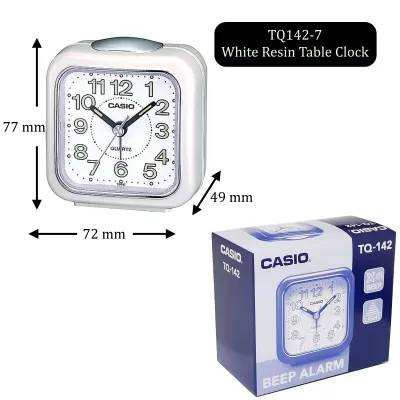
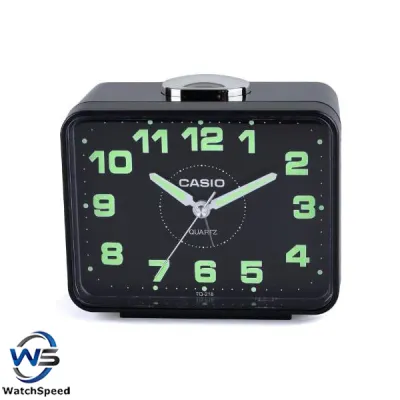
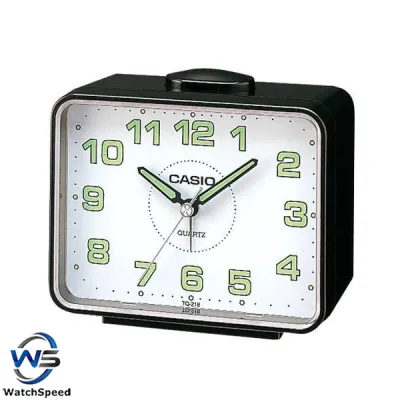
For those who appreciate a classic, traditional aesthetic, Casio’s analog alarm clocks offer a timeless design combined with practical nighttime visibility. The primary lighting feature on these models is the application of phosphorescent luminous paint to the hands and hour markers. This material absorbs natural or artificial light during the day and emits a soft, passive glow in the dark, providing a completely silent and non-electric way to read the time without adding any active light pollution to your bedroom.
To ensure a peaceful sleeping environment, Casio equips many of its bedroom analog clocks with a quiet sweep movement. Unlike standard quartz movements that produce a distinct, repetitive ticking sound every second, a quiet sweep mechanism allows the second hand to move in a continuous, smooth motion. This elimination of mechanical ticking is a significant benefit for light sleepers who are easily disturbed by repetitive background noises, allowing them to enjoy the classic look of an analog dial in complete silence.
Because the passive glow of luminous paint naturally fades over several hours in the dark, many Casio analog models also include a built-in dial light for added convenience. This light is typically activated by pressing a prominent button on the top or side of the clock, illuminating the entire face with a gentle light for a few seconds. This dual-lighting system ensures that you can easily read the clock in the early hours of the morning, even after the luminous paint has lost its initial charge, without disrupting your sleep cycle.
Best Compact LCD Clocks with Push-Button Backlight
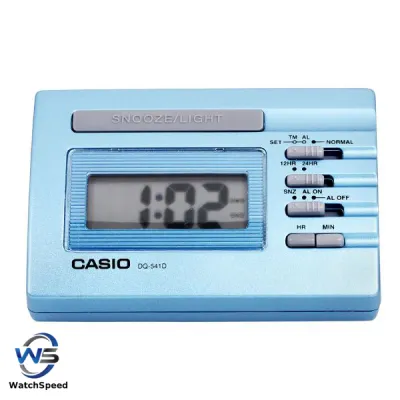
If your primary goal is to maintain a completely dark bedroom environment, a classic Casio LCD digital clock is the ideal choice. Unlike LED screens, standard liquid crystal displays do not emit any light on their own. Instead, they remain dark throughout the night, completely eliminating light pollution. When you need to check the time, a simple press of the snooze/light button on top of the clock activates a built-in backlight, illuminating the screen clearly for a few seconds before automatically turning off.
These LCD models are typically battery-operated and feature a highly compact, lightweight design. This makes them incredibly versatile, fitting easily onto minimalist nightstands, narrow shelves, or even into a suitcase for travel. Because they do not require a continuous connection to a wall outlet, you have complete freedom in where you place them, allowing you to keep your bedside area neat and free from cluttered power cords.
However, the on-demand nature of the push-button backlight does involve a clear trade-off. Because the light only stays active for a short duration to conserve battery power, you cannot simply open your eyes and read the time from a distance without physically interacting with the clock. If you prefer to monitor the time continuously throughout the night without moving, this style of clock may feel less convenient than an always-on LED display or a luminous analog model.
Comparing Casio Light and Alarm Features
To help you synthesize these options, it is useful to compare the three primary categories side-by-side. Each technology serves a distinct type of sleeper, and understanding the trade-offs in light behavior, power source, and noise levels will clarify which model fits your bedside table.
| Clock Category | Light Type & Behavior | Brightness Control | Alarm Sound/Movement Noise | Power Source Options | Best Bedroom Scenario |
|---|---|---|---|---|---|
| Digital LED | Always-on, self-emitting digits | Manual dimming or auto-sensor | Electronic beep / Silent operation | AC power (230V) with battery backup | Large bedrooms, users wanting constant visibility |
| Analog Luminous | Luminous hands/markers + button light | Passive glow (fades) + temporary dial light | Beep or bell / Silent sweep (non-ticking) | AA or AAA Alkaline batteries | Traditional decor, light sleepers wanting silence |
| Compact LCD | Push-button temporary backlight | No adjustment (on/off via button press) | Electronic beep / Silent operation | AA or AAA Alkaline batteries | Minimalist nightstands, travel, absolute dark lovers |
This comparison highlights how light control directly correlates with the power source and physical design of each clock type. Digital LED clocks offer the highest level of constant visibility but require a continuous connection to an electrical outlet, making them less portable and more likely to introduce ambient light into your bedroom. In contrast, LCD and analog models offer excellent battery-operated portability and keep the room dark, but they require physical interaction or ambient light charging to remain readable throughout the night.
Another critical factor to consider is the style of the alarm sound itself. Casio’s digital models (both LED and LCD) typically feature electronic beeping alarms, which often include progressive patterns that start softly and gradually speed up to ensure you wake up. Analog models, however, offer a choice between electronic beeps and traditional mechanical bells. Mechanical bell alarms provide a much louder, physical striking sound that is highly effective for heavy sleepers who find electronic beeps easy to ignore, though they can be quite jarring for light sleepers.
Ultimately, the best choice depends on matching these features to your personal sleep profile and bedroom layout. If you wake up frequently and want to check the time instantly without moving, an LED clock or a luminous analog model is highly suitable. If you are easily disturbed by light or sound, prioritizing a silent sweep analog clock or a push-button LCD model will help you maintain a peaceful, dark sanctuary for a better night’s rest.
Setup, Placement, and Maintenance Tips
To get the best performance from an analog clock with luminous hands, proper placement is key. Luminous materials rely on phosphorescent compounds that must absorb light energy to glow in the dark. Positioning your clock on a nightstand that receives natural daylight during the day, or near a bedside lamp that is kept on for a few hours in the evening, ensures that the hands and markers will charge sufficiently and emit a clear, readable glow when you turn off the lights.
For digital LED and LCD clocks, placement should focus on protecting the display panels from environmental wear. Avoid placing these clocks in direct sunlight, as prolonged exposure to ultraviolet (UV) rays can degrade liquid crystal displays and LED panels, causing the digits to fade or become permanently illegible. Additionally, direct sunlight can create intense glare on the screen, making it difficult to read the time during the day and forcing you to adjust the clock’s position.
Regularly inspecting the battery compartment of your Casio clock is a simple yet effective maintenance step. Over time, alkaline batteries can leak, releasing corrosive chemicals that can ruin the internal circuitry. It is good practice to check the battery compartment every six months for any signs of white powdery residue or corrosion. If you plan to store the clock or go on an extended trip, always remove the batteries beforehand to prevent potential damage.
If you are using an AC-powered Casio model, ensure that the power cord is routed safely behind furniture to prevent tripping hazards or accidental unplugging. In Singapore, verify that the AC adapter is rated for the standard 230V electrical supply and carries the appropriate safety marks. When setting up your clock for the first time, perform a test run of the alarm volume and snooze function to ensure it is audible from your sleeping position and that you understand how to deactivate it quickly.
Frequently Asked Questions (FAQ)
Do Casio digital LED clocks emit too much light for sleeping?
This depends largely on your personal light sensitivity and the specific model you choose. While basic LED clocks with fixed brightness can cast a noticeable glow in a dark room, many modern Casio LED models feature manual brightness adjustments or automatic light sensors that dim the display significantly at night. However, if you are highly sensitive to any ambient light, even a dimmed LED might feel too bright; in such cases, an LCD clock with a push-button backlight or an analog clock with a passive luminous dial is a safer choice to ensure uninterrupted sleep.
How long do luminous hands on Casio analog clocks glow in the dark?
The glow duration of luminous hands and markers depends on the intensity and length of their exposure to light beforehand. Generally, after being exposed to bright light, the luminous material will emit a strong, easily readable glow for the first one to two hours in complete darkness. After this initial period, the brightness will gradually fade over the course of the night. If you need to check the time in the early hours of the morning, you may need to use the clock’s built-in, button-activated dial light to read the hands clearly.
Community discussion
Share your experience or ask a question. Comments are reviewed before publication.