
Selecting the right toilet light ceiling fixture is a critical decision when renovating or upgrading a standard Housing & Development Board (HDB) flat in Singapore. With a standard ceiling height of 2.6 metres, HDB bathrooms present unique spatial and environmental challenges. A fixture that is too thick can make the compact space feel cramped, while inadequate moisture protection can lead to premature driver failure or electrical hazards. By understanding the key technical specifications and evaluating the top lighting brands available locally, you can secure a durable, safe, and visually comfortable lighting setup.
To help you navigate the local market, this guide reviews the leading ceiling light brands that offer ultra-slim profiles and high moisture resistance suitable for 2.6m HDB toilets. We will examine their core product strengths, compare their specifications, and outline the essential safety precautions required for installation in Singapore’s humid climate.
Essential Criteria for an HDB Toilet Light Ceiling
Before purchasing any light fixture, you must evaluate how its physical and technical specifications align with the structural realities of a standard HDB toilet. The combination of a 2.6-metre ceiling height and high humidity levels dictates strict limits on fixture design.
Products mentioned in this guide
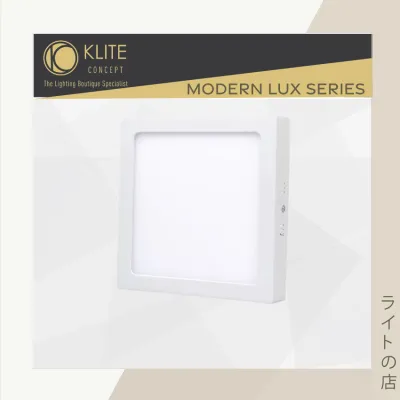
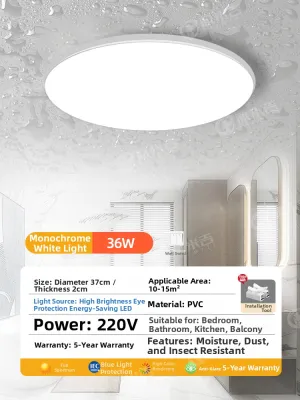
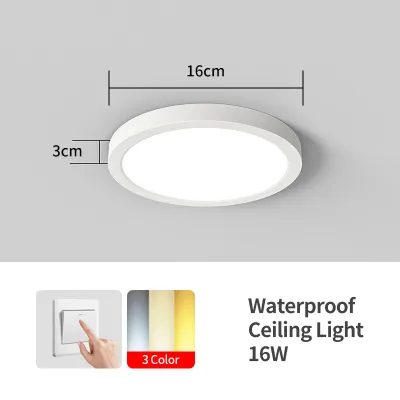
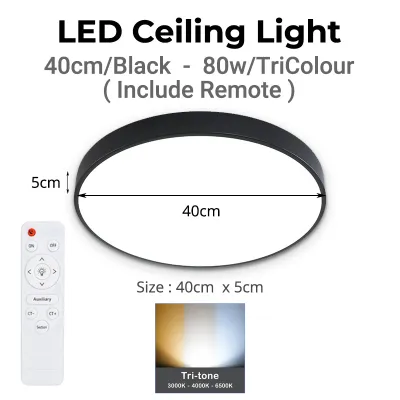
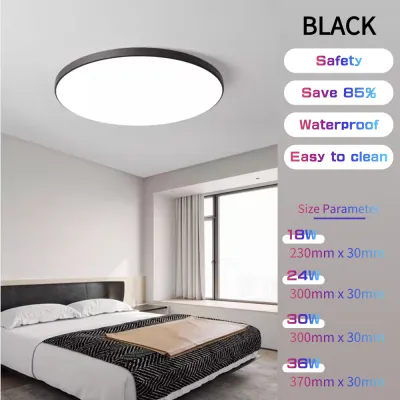
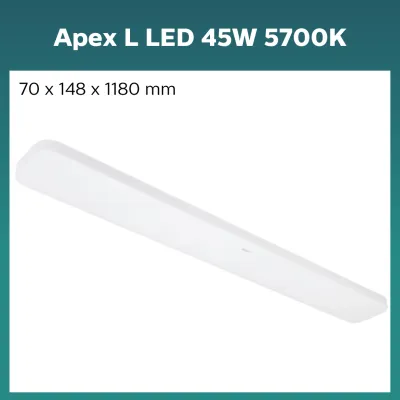
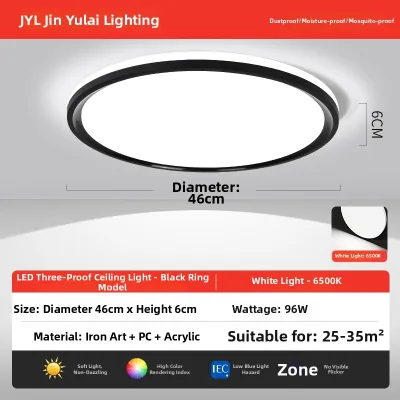
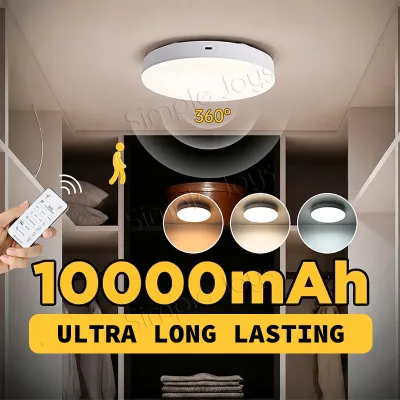
Prices are valid at publication and may change. Please refer to the product page for the latest price.
Profile and Thickness
In a space with a 2.6-metre ceiling clearance, vertical space is at a premium. Standard HDB toilet doors usually stand around 2.1 metres high, leaving minimal visual clearance above the doorway. Installing a thick, suspended, or deeply protruding light fixture can make the bathroom feel claustrophobic and may even present a physical obstruction for taller individuals or during routine cleaning.
For these compact spaces, ultra-slim surface-mounted or flush-mount LED designs are highly recommended. Ideally, the fixture should have a profile thickness of 35mm or less. Flush-mount lights sit tight against the concrete ceiling slab, preserving maximum headroom and distributing light horizontally across the walls to make the small space feel larger and more open.
Moisture and Dust Resistance
Bathrooms are high-humidity zones subject to steam, condensation, and direct water splashes. Standard indoor light fixtures are not built to withstand these conditions, as moisture can easily penetrate unsealed housings, causing short circuits, corrosion of internal wiring, or rapid degradation of the LED driver.
When shopping for a toilet light ceiling fixture, always verify its Ingress Protection (IP) rating. The IP rating consists of two digits: the first indicates protection against solid particles, and the second indicates protection against liquids. For HDB toilets, a minimum rating of IP44 is highly recommended. An IP44 rating ensures the fixture is protected against solid objects larger than 1mm and, crucially, against water splashing from any direction. If the light will be installed directly above a shower zone, consider upgrading to an IP65-rated fixture for enhanced water-tightness.
Illumination and Color Temperature
An HDB toilet serves multiple purposes, from high-precision tasks like shaving and applying makeup to quick nighttime visits. Therefore, the light must provide sufficient brightness without causing harsh glare off highly reflective wall tiles or mirrors.
- Lumen Output: For a typical HDB toilet measuring between 4 to 6 square metres, a total light output of 800 to 1,200 lumens is generally sufficient. Relying on lumen output rather than wattage ensures you achieve the desired brightness while maintaining energy efficiency.
- Color Temperature: A neutral white color temperature of 4000K is often considered the ideal balance for bathrooms. It provides clean, natural illumination that represents skin tones accurately without the clinical coldness of daylight (6500K) or the heavy yellow tint of warm white (3000K), which can distort colors and make cleaning tasks more difficult.
- Color Rendering Index (CRI): Look for fixtures with a CRI of 80 or higher (Ra > 80) to ensure colors appear natural and vibrant under the light.
Recommended Ceiling Light Brands for 2.6m Ceilings
Several reputable lighting brands are widely distributed in Singapore, offering fixtures that meet the strict requirements of HDB toilet installations. Below is an analysis of the top four brands, highlighting their unique advantages and potential limitations.

Philips: Widely Available and Moisture-Resistant
Philips is a household name in Singapore, recognized for producing highly reliable consumer electronics and lighting solutions. Their bathroom-specific ceiling light ranges are engineered to withstand high-humidity environments while maintaining consistent light output over years of continuous use.
- Product Strengths: Philips offers dedicated moisture-resistant LED flush mounts (such as the Philips Moire or specialized IP44-rated bathroom series) that feature robust synthetic covers. These covers resist yellowing over time and are completely sealed against dust and insects. Their integrated LED drivers are engineered to handle minor voltage fluctuations common in residential grids.
- Availability and Support: Because Philips is a dominant brand in Singapore, finding replacement units, accessories, or professional support is incredibly straightforward. Their products are stocked across major home improvement stores, local lighting showrooms along Balestier Road and Jalan Besar, and authorized online merchant stores.
- Limitations: The primary trade-off with Philips is price. Their high-quality, smart-enabled, or ultra-slim architectural lines carry a premium price tag compared to generic alternatives. Additionally, some of their entry-level utility models may feature thicker profiles, requiring buyers to double-check dimensions before purchasing.
Panasonic: Slim Profiles and High Light Quality
Panasonic is highly regarded for its Japanese engineering, focusing on energy efficiency, eye comfort, and sleek, minimalist designs that integrate seamlessly into modern HDB interior aesthetics.
- Product Strengths: Panasonic ceiling lights often incorporate advanced optical diffusers that distribute light evenly across the room, eliminating harsh shadows and reducing direct glare. This makes them exceptionally well-suited for grooming tasks in front of the bathroom mirror. Many of their modern LED ceiling models feature incredibly slim profiles (under 30mm) that maximize overhead clearance.
- Eye-Care Technology: Panasonic emphasizes flicker-free technology in their LED drivers, which helps reduce eye strain during prolonged exposure. Their fixtures also boast high color rendering capabilities, ensuring your bathroom looks bright, clean, and accurately illuminated.
- Limitations: Panasonic's premium slim and smart models can be difficult to source during peak renovation seasons. Homeowners may need to check stock availability with specialized local distributors or order in advance to align with their renovation schedules.
Opple Lighting: Budget-Friendly Ultra-Slim Options
Opple Lighting has established itself as a major player in the global and local lighting industries, offering highly competitive pricing without compromising on the essential functional aspects of modern LED technology.
- Product Strengths: Opple is an excellent choice for budget-conscious homeowners, landlords managing rental properties, or those undertaking quick BTO bathroom refreshes. They offer a wide variety of ultra-slim, surface-mounted LED ceiling lights that easily resolve the 2.6m height constraint. Many of their utility models feature a clean, low-profile disc design that blends unobtrusively into concrete ceilings.
- Value Proposition: Opple fixtures deliver reliable brightness and decent energy efficiency at a fraction of the cost of premium brands. Their simple mounting brackets make them popular among local contractors for quick, straightforward installations.
- Limitations: While Opple offers excellent value, buyers must be diligent when checking product specifications. Not all of their ultra-slim models are rated IP44 or higher. Some entry-level models are rated IP20, meaning they lack the necessary moisture seals for wet zones. Always verify the specific IP rating on the packaging before purchasing an Opple light for a toilet.
NVC Lighting: Durable and Project-Tested
NVC Lighting is a prominent commercial and residential lighting manufacturer known for producing robust, hard-wearing fixtures built to handle demanding environments.
- Product Strengths: NVC fixtures are highly favored by local developers and electrical contractors for commercial projects and condominium builds due to their exceptional structural durability. Their residential bathroom ceiling lights feature thick, impact-resistant polycarbonate diffusers and heavy-duty aluminum or thermal plastic bases that dissipate heat efficiently, prolonging the lifespan of the internal LEDs.
- Reliability: If you are looking for a highly durable, low-maintenance fixture that you can install and forget for several years, NVC is a strong contender. Their drivers are highly stable and designed to operate reliably in warm, humid tropical environments.
- Limitations: NVC's consumer-facing retail presence in Singapore is smaller than that of Philips or Panasonic. Their packaging is often industrial, and they offer fewer smart-home integrations or decorative design variations. Finding their full catalog may require visiting specialized electrical supply wholesalers rather than standard retail home decor shops.
How to Choose the Right Brand for Your Needs
Selecting the ideal brand depends on your budget, aesthetic preferences, and specific installation requirements. Use the comparison matrix below to evaluate your options at a glance.
Brand Comparison Matrix
| Brand | Best For | Key Strength | Typical Profile Thickness | Price Tier |
|---|---|---|---|---|
| Philips | General reliability & easy sourcing | Superior driver quality & long-term brand support | 25mm – 45mm | Mid to High |
| Panasonic | Optical comfort & grooming accuracy | High CRI, glare-free diffusers & slim profiles | 20mm – 35mm | Mid to High |
| Opple Lighting | Budget upgrades & tight spaces | Very cost-effective, ultra-slim utility designs | 15mm – 30mm | Budget |
| NVC Lighting | Heavy-duty durability | Commercial-grade builds & excellent heat dissipation | 30mm – 45mm | Budget to Mid |
Decision Guidance
- Choose Panasonic if you prioritize superior visual comfort, require highly accurate color rendering for makeup application or grooming, and want a sleek, low-profile design that maximizes your 2.6m ceiling height.
- Choose Philips if you want peace of mind, reliable local warranty support, and a highly durable fixture that is easily available at almost any local hardware or lighting shop.
- Choose Opple if you are working within a strict budget or renovating a rental property, provided you carefully verify that the specific model selected carries at least an IP44 moisture-resistance rating.
- Choose NVC if you prioritize commercial-grade durability, long-term driver stability, and want a robust fixture that can withstand the heavy humidity of a poorly ventilated HDB bathroom.
Pre-Purchase Checklist
Before heading to the cashier or checking out your online shopping cart, complete these essential verification steps:
- Measure the Existing Footprint: If you are replacing an old ceiling light, measure the footprint of the existing fixture. Ensure the new ultra-slim light has a diameter wide enough to cover any unpainted concrete patches or old screw holes.
- Verify the Voltage and Certification: Singapore's residential grid operates at 230V, 50Hz. Ensure the fixture is rated for this voltage and carries the Enterprise Singapore Safety Mark, which guarantees the product has been tested and certified safe for local use.
- Confirm the IP Rating: Double-check the product label or technical spec sheet to ensure the specific model is rated IP44 or higher. Do not rely solely on generic marketing terms like "moisture-resistant" or "bathroom-friendly."
- Check the Dimming Compatibility: If your bathroom switch is connected to a dimmer, verify whether the ceiling light's LED driver supports dimming. Standard LED drivers will flicker or buzz if connected to a dimming switch without proper compatibility.
Safe Installation and Maintenance in Humid Environments
Installing and maintaining electrical fixtures in a damp environment like an HDB toilet requires strict adherence to safety protocols. Because water conducts electricity, taking shortcuts during installation can lead to severe safety hazards.
Electrical Safety Boundaries
Any electrical work involving fixed wiring in Singapore must comply with local safety regulations. Before commencing any installation or replacement work, you must isolate the power supply:
- Isolate the Power: Do not simply flip the wall switch off. Go to your home's main Consumer Unit (DB box) and switch off the specific Miniature Circuit Breaker (MCB) controlling the bathroom lighting circuit. Use a reliable voltage tester to confirm the wires are completely dead before touching them.
- Hire a Professional: For your safety and to ensure compliance with local building codes, it is highly recommended to hire an Energy Market Authority (EMA) licensed electrician to perform the installation. A professional will ensure correct wiring polarity, proper earthing, and secure sealing of the junction box.
HDB Structural Constraints
Unlike private properties with plasterboard false ceilings, standard HDB toilets feature solid concrete ceiling slabs. This structural reality introduces specific installation constraints:
- Avoid Deep Drilling: The concrete slab of your ceiling is also the floor slab of the unit directly above you. Drilling too deeply can damage embedded electrical conduits, water pipes, or compromise the waterproofing membrane installed in the upper unit's floor. Limit drilling depth to the minimum required for standard wall plugs (typically 20mm to 30mm).
- Use Proper Anchors: Always use high-quality plastic wall plugs designed for solid concrete. Ensure the mounting bracket is perfectly flush against the ceiling to prevent moisture and steam from bypassing the fixture's rear seals.
Routine Maintenance
To ensure your toilet light ceiling fixture remains bright and safe over its lifespan, perform regular, low-risk maintenance using these steps:
- Power Down Before Cleaning: Always turn off the wall switch and allow the light to cool down completely before attempting to clean it.
- Use a Dry or Slightly Damp Cloth: Wipe the exterior diffuser with a clean, dry microfiber cloth to remove dust and lint. If there are stubborn water marks or grime, use a slightly damp microfiber cloth. Never use abrasive scrubbers, chemical solvents, or wet dripping cloths, as liquid can seep past the edges and compromise the internal seals.
- Inspect the Seals: During your regular cleaning, visually inspect the rubber or silicone gaskets around the rim of the fixture. If you notice cracking, dry rot, or gaps, it may be time to replace the seal or the entire fixture to prevent moisture ingress.
Frequently Asked Questions (FAQ)
Can I install recessed downlights instead of a surface ceiling light in my HDB toilet?
Standard HDB toilets are constructed with solid concrete ceiling slabs and do not come with a false ceiling. Because recessed downlights require a hollow ceiling cavity (typically 70mm to 100mm deep) to house the fixture body and driver, you cannot install them directly into the concrete slab.
To install recessed downlights, you would first need to construct a gypsum false ceiling. However, in a standard HDB flat with a 2.6-metre ceiling height, building a false ceiling will drop the overhead clearance to 2.4 metres or lower. This significant reduction in vertical space can make the toilet feel cramped and visually oppressive. Therefore, low-profile, surface-mounted, or flush-mount ceiling lights remain the most practical, space-saving, and cost-effective solution for standard HDB bathrooms.
What is the ideal wattage for a standard HDB toilet?
With modern LED technology, wattage is no longer an accurate measure of brightness, as different fixtures produce different amounts of light per watt. Instead of focusing on wattage, you should evaluate the total lumen output of the fixture.
For a standard HDB toilet (typically 4 to 6 square metres), a light output of 800 to 1,200 lumens is highly recommended to ensure safe navigation and comfortable grooming. A high-quality, energy-efficient LED fixture will typically achieve this brightness using only 10W to 15W of power. Always check the product packaging or technical specification sheet for the rated lumen output rather than relying solely on the wattage rating to judge how bright the light will be in your space.

Community discussion
Share your experience or ask a question. Comments are reviewed before publication.