
Selecting the right xmas lights for your home during the festive season involves balancing aesthetic appeal with strict safety standards. In Singapore, where residential spaces range from cozy high-rise apartments to spacious landed properties, the tropical climate and local electrical regulations play a critical role in determining which lighting products are suitable. Investing in reliable, certified brands ensures your holiday decorations remain vibrant, durable, and safe throughout the Christmas season.
Choosing high-quality festive lighting requires understanding how different products perform under specific conditions. This guide provides a comprehensive framework for evaluating fairy light brands, matching their technical features to your decorating environment, and verifying their safety credentials before installation. By focusing on electrical compliance, build quality, and practical installation practices, you can create a stunning holiday display that protects your home and loved ones.
How to Evaluate Fairy Light Brands for Quality and Safety
Evaluating fairy light brands begins with a thorough understanding of local electrical standards and compliance requirements. In Singapore, the electrical grid operates on a standard voltage of 230V AC at a frequency of 50Hz, utilizing Type G three-pin plugs. Because decorative lighting chains and their associated power adapters are classified as controlled goods under the Consumer Protection (Safety Requirements) Registration Scheme (CPS Scheme) administered by Enterprise Singapore, they must undergo rigorous testing to ensure they meet local safety standards.
Products mentioned in this guide
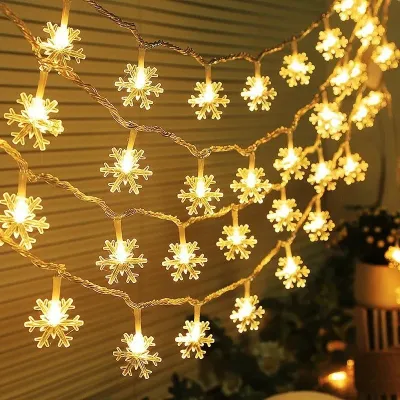
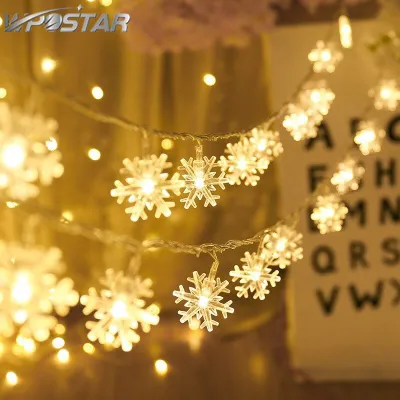
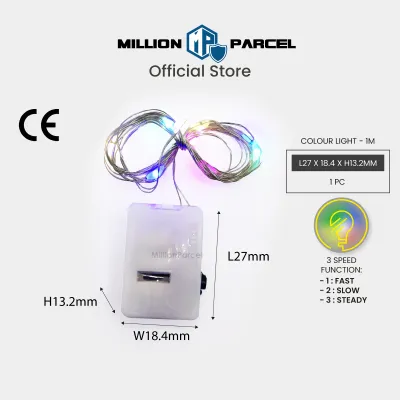
![[V.Home] *Any 2 off $2* LED Fariy String Lights USB w/Remote for Gift Party Wedding Christmas Festival Decoration](https://img.lazcdn.com/g/p/3642250970409f384190a5dde2dfc56b.jpg_400x400q80.jpg_.webp)
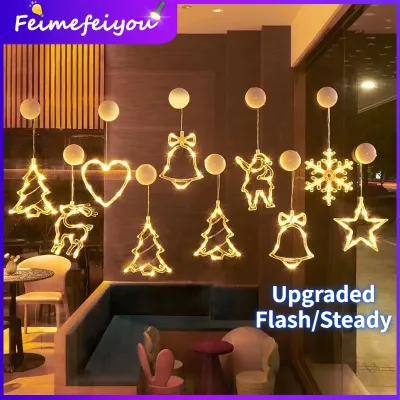
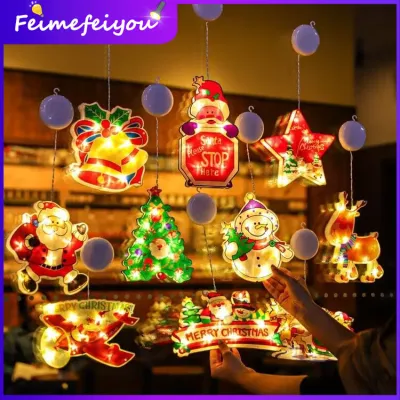
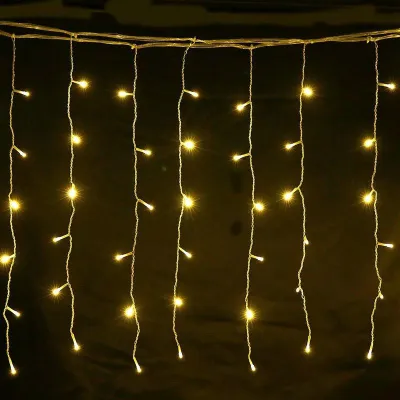
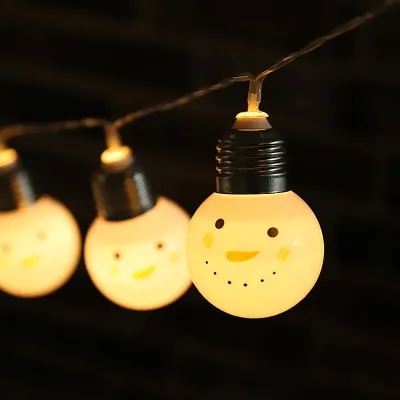
Prices are valid at publication and may change. Please refer to the product page for the latest price.
When assessing any brand, the presence of a valid SAFETY Mark is the most critical indicator of compliance. This mark, which features a distinctive logo and a unique eight-digit registration number, must be permanently affixed to the plug or the AC adapter/transformer of the light string. You can verify the authenticity of this mark by entering the registration number into the official Enterprise Singapore Consumer Product Safety database, which confirms that the product has been tested against hazards such as electrical shock, short circuits, and overheating.
Beyond regulatory compliance, the physical construction of the wiring determines the longevity and safety of the lights. Reputable brands construct their light strings using multi-strand copper cores wrapped in robust, flexible insulation, typically made of high-grade PVC or rubber. In contrast, cheap, unbranded imports often utilize thin, single-strand copper or copper-clad aluminum wires that break easily under physical tension. These micro-fractures in the wire can lead to localized resistance, hot spots, electrical arcing, and ultimately, a significant fire risk.
Another hallmark of a premium fairy light brand is the consistency of its LED chips. High-quality manufacturers employ a rigorous binning process, sorting LEDs by color temperature and luminous intensity to ensure uniform light output across the entire string. This prevents the distracting visual inconsistency common in cheaper alternatives, where a single string might display varying shades of warm white or uneven brightness levels. Furthermore, well-engineered LED chips incorporate efficient heat sinks or heat-dissipating designs, ensuring they remain cool to the touch even after hours of continuous operation.
Finally, inspect the physical build quality of the plug, controller, and connection points. Reliable brands design their products with robust strain relief sleeves where the cable enters the plug and the control box, preventing the wires from pulling loose during installation. The control boxes themselves should feature hermetically sealed buttons and gaskets to prevent dust and moisture from reaching the internal circuit board. Investing in established brands that prioritize these manufacturing details ensures a reliable performance that lasts for multiple holiday seasons, rather than failing after a few weeks of use.
Matching Brand Features to Your Christmas Setup
Selecting the best fairy light brand also depends on where and how you plan to install the decorations. Different environments present distinct challenges, from the delicate handling required for indoor ornaments to the harsh weather resistance needed for outdoor landscaping.

Indoor Trees, Mantles, and Delicate Decor
Indoor festive displays require lighting brands that prioritize flexibility, close-proximity safety, and aesthetic warmth. For these applications, low-voltage options—such as those operating on 5V USB power, 12V, or 24V transformers—are highly recommended over mains-powered strings. Low-voltage systems significantly reduce the risk of electrical shock, making them the safest choice for homes with young children, curious pets, or real pine Christmas trees that can dry out and become highly flammable.
When decorating delicate indoor features like mantles, wreaths, or table centerpieces, look for brands that offer flexible copper wire designs, often referred to as micro or starry fairy lights. These ultra-thin, insulated copper wires can be bent and shaped around intricate structures without losing their form or placing physical strain on delicate foliage. It is essential to choose brands that utilize a durable, multi-layered protective coating over the copper wire to prevent the insulation from scratching off, which could cause a short circuit if the bare wires touch.
A cozy, traditional festive atmosphere relies heavily on the precise color temperature of the LEDs. Premium indoor brands typically specialize in warm white options, specifying exact color temperatures between 2700K and 3000K to deliver a soft, inviting glow rather than a harsh, sterile blue-white light. Additionally, look for brands that integrate convenient safety features such as automatic timers (for example, cycling 6 hours on and 18 hours off) and cool-touch technology, which guarantees the diodes emit virtually no heat and can safely rest against fabrics, paper ornaments, or dry wood.
To ensure a frustration-free decorating experience, evaluate how the brand packages and structures its light strings. High-quality indoor lights are often wound around sturdy plastic spools or cardboard reels, allowing you to unwind them smoothly without creating knots. Brands that use high-tensile, tangle-resistant wire coatings save significant time during both the setup and teardown phases, preventing the frustrating kinking that can damage internal copper strands.
Outdoor Facades, Balconies, and Gardens
Decorating outdoor spaces in Singapore requires lighting brands engineered to withstand extreme tropical weather conditions. The year-end festive season coincides with the northeast monsoon, bringing frequent heavy downpours, high relative humidity, and intense UV exposure during sunny intervals. Standard indoor fairy lights will fail rapidly under these conditions, posing severe electrical hazards.
The absolute baseline requirement for any outdoor fairy light brand is a verified Ingress Protection (IP) rating. This rating consists of two digits: the first indicates protection against solid particles, and the second indicates resistance to liquids. For sheltered balconies or covered patios, an IP44 rating is the minimum standard, offering protection against splashing water from any direction. For fully exposed areas such as garden trees, rooflines, fences, or lawns, you must select brands that offer IP65 or IP67 ratings, which guarantee the lights are completely dust-tight and capable of resisting powerful water jets or temporary immersion.
In addition to water resistance, outdoor cables must be protected against UV degradation. Singapore’s intense tropical sun can cause standard PVC insulation to become brittle, crack, and peel within weeks, exposing the underlying copper wire to moisture and air. Premium outdoor lighting brands utilize heavy-duty rubberized cables, such as neoprene or UV-stabilized PVC jackets, which remain flexible and intact despite prolonged exposure to harsh sunlight. These cables are significantly thicker and more robust, preventing damage from wind-induced friction against tree branches or accidental pulling during installation.
The electrical connections of outdoor brands must also feature specialized weatherproof designs. Look for brands that utilize molded, screw-lock connectors equipped with internal rubber O-rings to create a watertight seal between joinable light strings. The power transformer or AC adapter must either carry an outdoor-appropriate IP rating (typically IP64 or higher) or be housed within a dedicated, weather-resistant electrical enclosure. Ensuring that every component of the outdoor lighting system is rated for wet environments prevents moisture from tripping your home’s residual current devices and guarantees a safe, uninterrupted display.
Smart and App-Controlled Festive Lighting
For homeowners seeking advanced customization, dynamic color displays, and seamless home automation, smart app-controlled fairy lights represent the cutting edge of festive decor. These systems utilize individually addressable RGB or RGBW (Red, Green, Blue, and Warm White) LEDs, allowing you to control the color, brightness, and animation of every single bulb independently through a mobile application.
When evaluating smart lighting brands, prioritize those that offer stable local server support and reliable connectivity options. Because smart lights require constant communication with your mobile device or smart home hub, brands that support dual-band Wi-Fi (2.4GHz and 5GHz) or advanced Bluetooth mesh technology provide a much more stable connection. This minimizes latency and ensures that your lighting commands, schedule changes, or animation adjustments are executed instantly without frustrating connection dropouts.
The quality of the companion mobile application is a major differentiating factor among smart lighting brands. Leading brands invest heavily in software development, offering intuitive apps that feature advanced camera-mapping technology. By scanning your decorated Christmas tree with your smartphone camera, the app detects the precise 3D position of each LED, allowing you to apply complex, pixel-perfect animations, custom color gradients, and even sync the lights to play in tandem with holiday music. Check user reviews on app stores to verify the stability, ease of use, and frequency of software updates for the brand’s application.
Integration with broader smart home ecosystems is another key consideration. Ensure the smart fairy light brand you choose is fully compatible with your existing smart home setup, whether you use Google Home, Apple Home, or Amazon Alexa. This compatibility allows you to incorporate your Christmas lights into automated daily routines—such as turning on automatically at sunset and turning off at midnight—or controlling them alongside your standard household lighting using convenient voice commands.
Keep in mind that smart light controllers contain sensitive microprocessors that require a continuous, stable power supply. If you plan to install smart lights outdoors on a balcony or in a garden, verify that your home’s Wi-Fi signal is strong enough to reach the controller’s location. Placing the smart controller too far from your router can cause intermittent connectivity issues, preventing the app from communicating with the lights or disrupting scheduled automation sequences.
Where to Find and Verify Trusted Brands in Singapore
Securing authentic, high-quality festive lighting in Singapore requires choosing the right purchasing channels and performing diligent product verification upon delivery. With numerous online and physical retailers offering festive decorations, knowing how to distinguish genuine, certified products from substandard counterfeits is essential.
To guarantee product authenticity and reliable warranty support, always purchase fairy lights from official brand flagship stores on major e-commerce platforms, authorized local lighting distributors, or established physical home improvement and department stores. These retailers source their inventory directly from manufacturers and ensure that all products imported into Singapore comply with local electrical safety regulations. Purchasing from authorized sources also grants you access to official manufacturer warranties, which are invaluable if a technical defect arises during the festive season.
Upon receiving your fairy lights, perform a thorough physical inspection before plugging them into any power source. First, examine the product packaging for clear branding, comprehensive manufacturer contact details, and explicit technical specifications. The packaging should clearly state the operating voltage (230V, 50Hz), power consumption in watts, and the IP rating if the lights are marketed for outdoor use. Avoid products that arrive in generic, unbranded boxes with missing or vague technical information, as these are common indicators of low-quality imports.
Next, locate and verify the safety certifications on the product itself. For mains-powered lights and low-voltage power adapters, look for the rectangular SAFETY Mark logo printed or embossed on the casing. Carefully read the eight-digit registration number printed beneath the logo and cross-reference it on the Enterprise Singapore Consumer Product Safety database. A valid registration confirms that the specific model has been tested and certified for safe use in Singapore. Be wary of fake safety labels that lack the unique registration number or display suspicious formatting.
Examine the physical construction of the plug, transformer, and wiring to assess the overall build quality. The plastic casing of the power adapter should feel solid and durable, with no visible gaps, sharp plastic edges, or rattling sounds when gently shaken. The brass pins of the Type G plug must be straight, secure, and properly aligned. Flimsy wires that feel exceptionally thin, loose connection points, or an adapter that feels unusually lightweight and hollow are warning signs of poor internal components that pose a high risk of electrical failure.
Avoid buying extremely cheap, unbranded fairy lights from unverified third-party sellers on online marketplaces or temporary festive stalls. While these listings may appear highly cost-effective, they frequently bypass mandatory safety testing and utilize substandard internal circuitry that lacks thermal and short-circuit protection. If these lights malfunction, they can damage your home’s electrical wiring, trip your circuit breakers, or cause electrical fires. Furthermore, these sellers rarely offer reliable customer service, leaving you with no recourse if the product fails shortly after purchase.
To protect your investment, always retain your physical or digital purchase receipts, invoices, and warranty cards. If you discover a manufacturing defect, such as dead LED pixels, a malfunctioning controller, or a faulty power adapter, having documented proof of purchase from an authorized retailer ensures a smooth and hassle-free return or replacement process. Testing your lights immediately upon delivery—well before the Christmas decorating rush begins—allows ample time to resolve any issues and secure a fully functional, safe replacement.
Safe Installation and Post-Christmas Storage Practices
Proper installation and meticulous post-holiday storage are vital to maintaining the safety and extending the lifespan of your festive fairy lights. Even the highest-quality brands can suffer damage or pose electrical hazards if handled incorrectly during setup or packed away carelessly.
Before beginning any installation, always check the applied product’s label and the treated item’s manufacturer instructions (such as your artificial tree’s safety manual). If instructions conflict, the item is unidentified, or the use is not covered, stop and consult the manufacturer or a qualified professional.
When installing your fairy lights, always adhere strictly to the manufacturer’s guidelines regarding daisy-chaining. Many LED light strings are designed to be connectable, allowing you to link multiple sets end-to-end to cover larger areas. However, every system has a maximum limit on the number of strings that can be safely powered by a single transformer or plug. Exceeding this limit overloads the primary power adapter and the leading wires, causing them to overheat, degrade the insulation, and potentially melt or ignite.
Before plugging any light string into a wall socket, unroll the entire length of the cable and perform a visual inspection. Run your fingers along the wire to check for any physical abnormalities, such as frayed insulation, exposed copper strands, sharp kinks, or cracked LED housings. If you detect any damage, do not attempt to patch the wire with electrical tape; instead, replace the damaged string entirely to prevent electrical shocks or short circuits. For outdoor installations, ensure that all electrical connections, splitters, and controllers are elevated off the ground using heavy-duty plastic cable ties or mounting brackets to prevent them from coming into contact with pooling rainwater.
Always prioritize personal safety by isolating the main electrical power at the distribution board (DB) or turning off the wall switch before installing fixed outdoor lighting, working at heights on ladders, or handling electrical wires near damp ground. Working with live electrical components in wet outdoor environments carries an extremely high risk of severe shock. If your installation involves complex wiring, high-altitude mounting on rooflines, or integration into your home’s main electrical panel, always hire a licensed electrical technician to complete the work safely and in compliance with local building codes.
Once the festive season concludes, take the time to dismantle your holiday display carefully. Avoid pulling or yanking the light strings from branches, mantles, or hooks, as this physical tension can easily snap the delicate copper conductors inside the insulated jacket, rendering the lights useless for the following year. Gently untangle each strand and wipe down outdoor cables with a dry cloth to remove any accumulated dirt, moisture, or organic debris before packing them away.
To prevent the wires from tangling and experiencing internal stress during storage, wind the light strings systematically. You can wrap them around a clean piece of sturdy cardboard, a dedicated plastic light reel, or a commercial storage spool. This structured winding prevents the cables from twisting, kinking, or knotting, which are primary causes of wire fatigue and broken LED connections. Avoid wrapping the strings too tightly, as constant tension can stretch the insulation and weaken the solder joints inside the diodes.
Store your neatly wound lights inside a clean, heavy-duty, airtight plastic container to protect them from environmental elements. Place several packs of silica gel inside the container to absorb any residual moisture, which is crucial for preventing corrosion on the metal plug pins and internal electronic components in Singapore’s highly humid climate. Store the container in a cool, dry, temperature-stable indoor closet or cabinet. Avoid storing your lights in damp utility rooms, outdoor storerooms, or areas exposed to direct sunlight, as extreme heat and humidity will rapidly degrade the plastic insulation and significantly shorten the lifespan of the LEDs.
Frequently Asked Questions (FAQ)
Do all Christmas fairy lights need a SAFETY Mark in Singapore?
Yes, any decorative lighting chain designed to connect directly to the 230V mains power supply, as well as any AC adapter or transformer used to power low-voltage LED lights, is classified as a controlled goods item under Enterprise Singapore’s Consumer Protection (Safety Requirements) Registration Scheme. These components must undergo rigorous testing to meet local safety standards and must display a valid SAFETY Mark along with its unique eight-digit registration number. While the low-voltage LED wire itself does not require a mark, the power source that plugs into your wall socket absolutely does.
Can I use indoor fairy lights outside if they are under a sheltered balcony?
No, you should never use indoor-rated fairy lights in any outdoor setting, even on a fully sheltered balcony. Singapore’s tropical climate features exceptionally high relative humidity, wind-blown rain, and temperature fluctuations that cause condensation to form on exposed surfaces. Indoor lights lack the necessary IP (Ingress Protection) ratings, water-resistant seals, and UV-stabilized insulation required to withstand these conditions. Using them outdoors can lead to moisture ingress, short circuits, electrical shocks, or trip your home’s Earth Leakage Circuit Breaker (ELCB).
Community discussion
Share your experience or ask a question. Comments are reviewed before publication.