
Selecting the best Christmas LED light strips in Singapore for the holiday season requires balancing festive visual appeal with the practical realities of local homes. Whether you want to illuminate a cozy HDB living room, frame a condominium balcony, or light up a landed property garden, choosing the right christmas led light setup involves evaluating technical specifications, local electrical standards, and tropical weather durability. By focusing on key parameters like ingress protection, power compatibility, and control methods, you can create a beautiful, safe holiday display that lasts throughout the festive period and beyond.
Key Features to Evaluate for the Perfect Festive Glow
When planning your holiday lighting display, the first step is deciding on the visual output and physical characteristics of the LED strips. Color temperature and lighting modes significantly influence the atmosphere of your space. Traditional holiday setups often rely on warm white light (typically around 2700K to 3000K) to evoke a cozy, classic, and nostalgic Christmas feel. On the other hand, RGB (Red, Green, Blue) and RGBIC (RGB with Independent Control) light strips offer dynamic, multi-colored displays. RGBIC technology is particularly popular for holiday decorating because it allows different segments of the same strip to display different colors simultaneously, enabling flowing rainbow effects, chasing patterns, and custom festive color schemes.
Measuring your decorating space accurately is critical to achieving a clean, professional look. LED light strips are available in fixed lengths, but many high-quality models feature cuttable designs, marked by clear scissor icons along the copper pads, allowing you to trim the strip to fit exact dimensions. If you need to cover larger areas like ceiling coves or long staircases, look for extendable light strips that support pin connectors. However, you must verify the maximum supported length specified by the manufacturer; extending a strip past its recommended limit can overload the power adapter, leading to severe dimming at the ends or overheating of the controller.
Products mentioned in this guide
![[SG STOCK]4M LED String Light Fairy Curtain Lights Wedding Festive Christmas Decoration Lighting String Curtain Ceiling Light](https://img.lazcdn.com/g/p/a82072ff68bccf57e2f850ca54d08ffb.jpg_400x400q80.jpg_.webp)
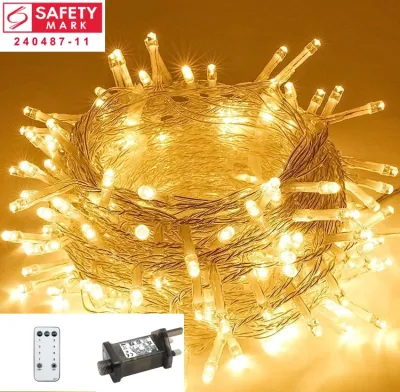
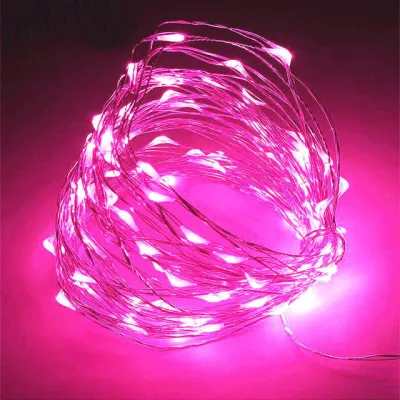
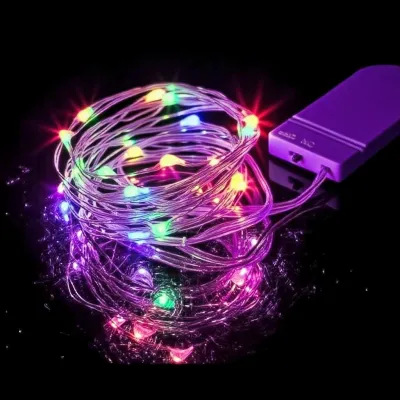
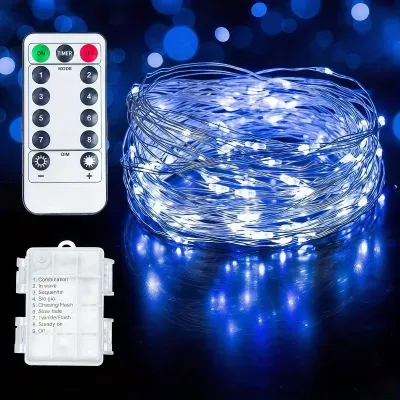
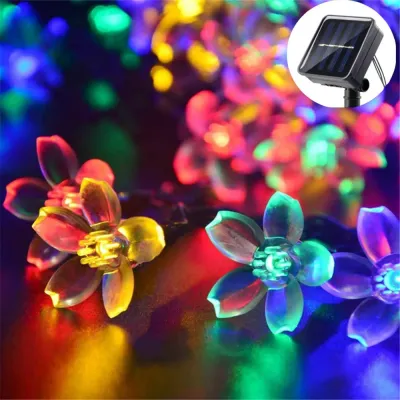
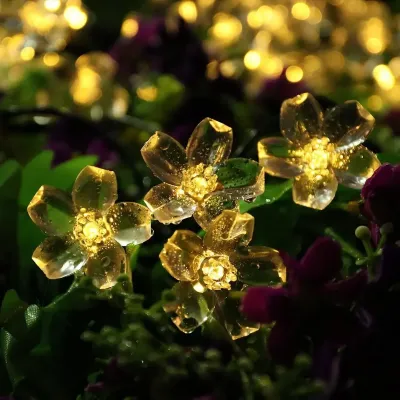
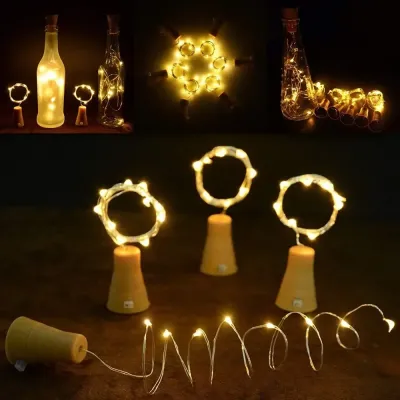
Prices are valid at publication and may change. Please refer to the product page for the latest price.
The choice of power source is another vital factor that depends on the scale of your display. USB-powered LED strips, operating on a low 5V current, are highly convenient for small, localized accents such as TV backlighting, mantels, or small tabletop Christmas trees. They can easily draw power from a power bank, a USB wall charger, or even a television port. However, because of their lower voltage, USB strips are generally limited in maximum length and brightness. For larger, continuous installations that require high-intensity illumination, wall-plug adapters operating at 12V or 24V are necessary. These systems deliver stable electrical current over longer runs without suffering from voltage drop.
Electrical Safety and Compatibility for Singapore Homes
Electrical safety must be your top priority when installing temporary holiday lighting, especially when running lights for long hours. Singapore’s domestic power grid operates at a standard voltage of 230V AC at a frequency of 50Hz. When purchasing a christmas led light strip, always verify that the power adapter is rated for this input voltage. Furthermore, ensure the product comes with a standard Type G three-pin plug, which is the official plug type used in Singapore. Using cheap, ungrounded, or loose-fitting travel adapters to connect foreign plugs to local wall sockets is a major electrical hazard that can lead to short circuits or electrical fires.

To ensure the quality and safety of your lighting equipment, look for recognized safety certifications on the product labels. In Singapore, electrical appliances and power adapters should ideally carry the local SAFETY Mark, which indicates that the product has been tested and certified by Enterprise Singapore under the Consumer Protection Safety Scheme. If you are purchasing international brands online, look for robust global safety certifications such as CE, UKCA, or IEC. These markings guarantee that the product has undergone rigorous testing for insulation, heat resistance, and electrical safety, giving you peace of mind during the festive season.
Proper power load management is essential to prevent overloading your home’s electrical circuits. Avoid the temptation to daisy-chain multiple extension cords or connect too many high-wattage light strips to a single power outlet. When using multi-way power strips, always check their maximum wattage capacity, which is typically around 3000 watts for a standard 13-amp socket in Singapore. Keep the total combined wattage of all plugged-in holiday decorations well below 80% of the rated limit of the power strip. If you are using outdoor extension cords, ensure they are specifically rated for outdoor use and kept completely dry.
Navigating Indoor and Outdoor Lighting in a Tropical Climate
Singapore’s unique tropical climate requires careful consideration of where you place your holiday lights. The Ingress Protection (IP) rating of an LED strip determines its resistance to dust and moisture, which is crucial for choosing the right installation environment. Standard indoor LED light strips typically carry an IP20 rating, meaning they offer no protection against water and should only be used in dry, air-conditioned, or well-ventilated indoor spaces. Installing an IP20 strip on an open balcony or outdoor patio exposes it to moisture, which will quickly cause electrical failure or short circuits.
For outdoor installations, such as decorating condo balconies, landed property facades, or garden hedges, you must use light strips with a rating of IP65 or higher. An IP65-rated strip is dust-tight and protected against water splashes and light rain, while an IP67-rated strip offers complete protection against heavy downpours and temporary immersion. Additionally, outdoor lights in Singapore must withstand intense UV rays and high humidity. Look for outdoor-rated strips encased in high-quality, UV-resistant silicone sleeves rather than cheap PVC, as PVC can rapidly yellow, become brittle, and crack under the hot tropical sun, allowing water to seep into the circuitry.
Before installing any visible exterior decorations, you must also navigate local housing guidelines. If you live in an HDB flat or a private condominium, consult your respective Town Council or Condominium Management Corporation Strata Title (MCST) by-laws. Many residential estates have specific regulations regarding the installation of temporary fixtures on common corridors, exterior building facades, or shared balconies. These rules are designed to maintain aesthetic consistency, prevent damage to common property, and ensure that decorations do not create safety hazards for your neighbors or block essential maintenance access.
Smart App-Controlled Strips vs. Traditional Plug-and-Play
Modern technology has transformed holiday decorating, presenting a choice between advanced smart LED strips and traditional plug-and-play models. Smart LED light strips connect to your home automation system, offering features like app-based scheduling, color customization, and voice control via platforms like Google Home, Amazon Alexa, or Apple Home. With a smart setup, you can program your christmas led light strips to turn on automatically at sunset, change colors to match your holiday music playlist, or sync with other smart devices in your home to create an immersive festive environment.
However, smart lighting relies heavily on your home network infrastructure. Most smart LED strips require a stable 2.4GHz Wi-Fi network connection to communicate with your smartphone or smart home hub. Because 2.4GHz signals travel further and penetrate concrete walls better than 5GHz signals, they are preferred for smart home devices. However, if your router is located far from your holiday display, or if you have thick concrete walls typical of Singaporean homes, you may experience lag or disconnection issues. Some smart strips also feature Bluetooth connectivity, which allows for direct local control from your phone without relying on a Wi-Fi router, though this limits your control range.
Traditional plug-and-play LED light strips remain an excellent, cost-effective alternative for many households. These strips do not require a network connection, app downloads, or account registration. They are operated using a simple inline physical controller or a basic infrared (IR) or radio frequency (RF) remote control. Traditional strips are highly reliable, turn on instantly when powered, and are incredibly easy for all family members to operate. If you prefer a budget-friendly setup, have limited Wi-Fi coverage in your decorating area, or simply want a straightforward installation without any technical troubleshooting, traditional plug-and-play models are the ideal choice.
Damage-Free Installation and Post-Holiday Storage
Installing your holiday lights securely without damaging your home’s surfaces is key to a stress-free decorating experience. Many LED light strips come with pre-applied double-sided adhesive backing. While this tape is highly secure, removing it can easily tear off paint, plaster, or wallpaper from Singapore’s concrete walls or drywall partitions. To prevent costly wall repairs, avoid sticking the strip’s pre-applied adhesive directly to painted surfaces. Instead, use damage-free mounting solutions such as removable adhesive clips, plastic cable hooks, or tension rods inside window frames. If you must use tape, opt for high-quality painters’ tape or masking tape, which can be removed cleanly without leaving a sticky residue.
Cable management is another critical aspect of a safe installation. Loose, dangling wires not only look untidy but also present serious tripping hazards, particularly in high-traffic areas like living rooms, hallways, or near dining tables. Use temporary cable ties or cord organizers to bundle excess wiring and secure them neatly along baseboards or furniture legs. Ensure that power adapters and controllers are placed in well-ventilated areas where heat can dissipate safely, rather than being tucked under heavy curtains, rugs, or sofa cushions.
Once the holiday season comes to an end, taking the time to store your lights properly will extend their lifespan for future years. Avoid pulling or ripping the light strips off their mounts, as this can sever the delicate internal copper wiring. Gently detach the strips and coil them loosely around a cardboard spool or a plastic reel to prevent kinking. Storing LED strips with tight bends can permanently damage the internal circuits, causing entire sections of the strip to fail. Place the coiled lights in a dry, airtight plastic container, and include a few silica gel packets to absorb any residual moisture. This protects the delicate electronic components and adhesive backing from degrading in Singapore’s high humidity.
Frequently Asked Questions (FAQ)
Can I hang LED light strips in my HDB common corridor?
Yes, you can hang festive lights in your HDB common corridor, but you must strictly adhere to safety and community guidelines. According to the Singapore Civil Defence Force (SCDF) fire safety regulations, you must maintain a minimum clear escape passage of 1.2 meters along the corridor at all times. Your decorations must not obstruct escape routes, staircases, or fire fighting equipment. Additionally, ensure your lights do not cause a glare nuisance to your neighbors or violate your specific HDB Town Council’s by-laws. Always use damage-free mounting methods, such as removable hooks, that leave no permanent marks or residue on public walls.
Do smart LED light strips work if my Wi-Fi goes down?
Yes, smart LED light strips will still function if your Wi-Fi or internet connection goes down, but their smart capabilities will be limited. Without an active network connection, you will not be able to use voice assistants, remote mobile app controls from outside your home, or cloud-based automated schedules. However, you can still control the lights locally. Most smart strips feature an inline physical controller button to turn the lights on and off or cycle through basic colors. Additionally, if the strip supports Bluetooth or is paired with a local physical remote, you can continue to adjust the lighting settings directly within physical range.
Community discussion
Share your experience or ask a question. Comments are reviewed before publication.