
Finding sufficient space for a dedicated workstation can be a challenge in Singapore homes. With many residents operating from compact HDB study corners, shared bedrooms, or multi-functional living room nooks, desk surface area is at an absolute premium. A traditional table lamp with a wide, heavy base can easily consume up to twenty percent of a small desk’s usable footprint, leaving little room for a laptop, monitor, notebooks, or a mousepad.
Investing in a high-quality desk lamp with clamp solves this spatial dilemma immediately. By securing the light source to the edge of your desk, a nearby shelf, or a bed headboard, you completely free up your tabletop. This setup not only maximizes your physical workspace but also allows you to position the light source higher and more flexibly, reducing harsh shadows and improving overall ergonomics during late-night study or work sessions.
Why Choose a Clamp Desk Lamp for Small Spaces?
The primary advantage of a clamp-on light is its ability to reclaim dead space. Traditional lamps require a flat, stable surface directly on your desk to stand upright. In contrast, a clamp mechanism utilizes the vertical edge of your furniture, turning otherwise unused borders into structural support. This is particularly beneficial for narrow console tables, built-in study ledges, or compact floating desks where every square centimeter counts.
Products mentioned in this guide
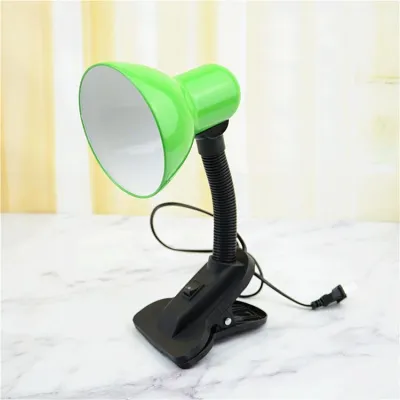
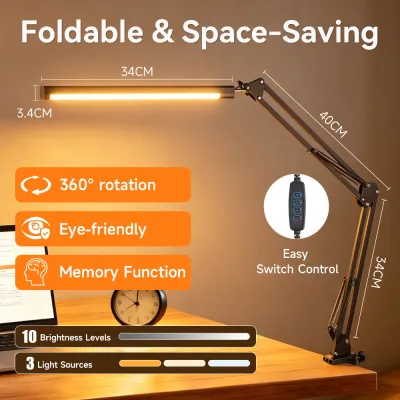
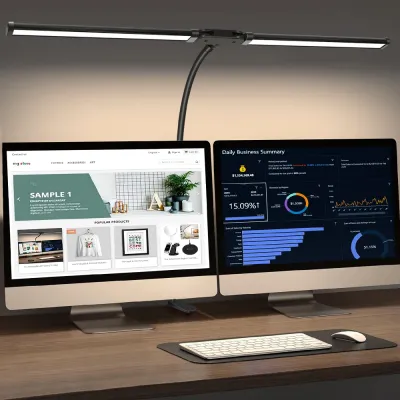
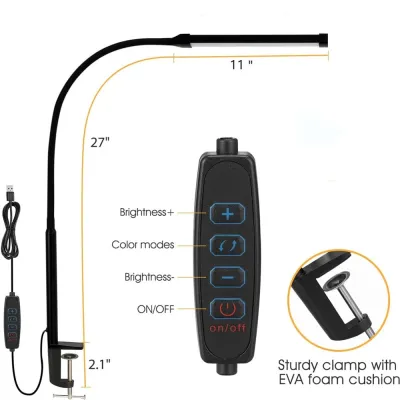
Prices are valid at publication and may change. Please refer to the product page for the latest price.
Beyond saving physical space, clamp lamps offer significant ergonomic benefits. In tight study corners, a poorly positioned light source often casts the shadow of your head or hands directly onto your reading material or keyboard. Because clamp lamps typically feature adjustable swing arms or flexible goosenecks, you can elevate the light source well above eye level and angle it downward. This overhead positioning mimics natural daylight, distributes illumination more evenly across your tasks, and helps prevent the eye strain associated with uneven glare.
Furthermore, keeping your desk surface clear has a psychological benefit. A cluttered workspace can increase cognitive load and stress, making it harder to focus. By elevating your lighting, you create a clean, minimalist environment that fosters better concentration. It also makes cleaning and wiping down your desk surface much simpler, as there are no heavy bases to lift or dust around.
Key Features to Look for in a Space-Saving Clamp Lamp
Selecting the right clamp lamp requires more than just picking a design that matches your decor. Because these lamps rely entirely on a mechanical grip, you must verify several physical and technical specifications to ensure compatibility with your home setup.

Clamp Mechanism and Desk Thickness
Before purchasing, measure the thickness of your desk or shelf. Most standard clamp lamps accommodate surfaces ranging from 1.5 cm to 6 cm, but limits vary widely by model. You must also inspect the underside of your desk. Built-in metal support frames, beveled edges, or integrated cable management trays can block a clamp from seating fully. If your desk has a flush back against a wall, ensure there is at least a 1 cm to 2 cm gap to slide the clamp bracket down.
Arm Reach and Adjustability
Consider the depth of your desk when choosing between a flexible gooseneck and an articulated swing arm. For shallow desks or narrow shelves (under 50 cm deep), a compact gooseneck is highly efficient as it can be bent into tight angles without protruding backward into a wall. For deeper desks or drafting tables, an articulated metal swing arm with tension springs provides the necessary reach to project light over the center of your workspace while remaining clamped securely at the far back edge.
Lighting Quality and Controls
For intensive study or work, prioritize lamps that offer adjustable color temperatures (ranging from warm white to cool daylight) and step-free brightness dimming. Look for manufacturers that specify flicker-free LED arrays, as invisible high-frequency flickering can cause headaches and eye fatigue over long hours. Capacitive touch controls located on the lamp head or an easily accessible inline controller are highly practical when the clamp base is tucked away behind monitors or furniture.
Power and Cable Management
In Singapore, electrical appliances must be compatible with a 230V, 50Hz power supply and should ideally feature a standard 3-pin Type G plug. Verify the length of the power cable before buying; clamp lamps mounted on high shelves or the far corners of a desk often require longer cords (at least 1.8 to 2 meters) to reach wall sockets safely. Avoid stretching cables tightly across walkways, as this creates a serious tripping hazard and can pull the lamp off its mount.
Top Clamp Desk Lamp Recommendations for Different Study Corner Needs
To help you find the ideal match for your specific home layout, we have categorized the most reliable clamp desk lamps based on common spatial constraints and study configurations.
Best for Deep Desks and Drafting Tables
When your workspace is deep but you want to keep the tabletop clear, you need a lamp with exceptional reach and a wide light distribution. For these setups, heavy-duty metal architect swing-arm lamps are the premier choice. These models feature dual-segment arms with integrated steel springs and tension-control knobs, allowing you to extend the light source up to 90 cm from the clamp base without sagging.
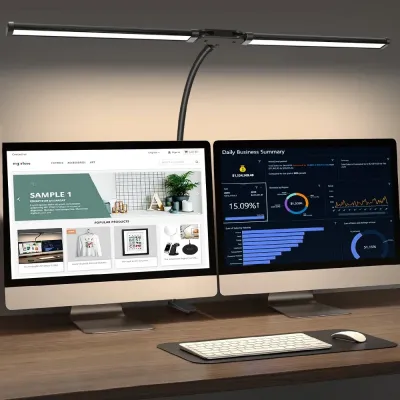
To illuminate a large desk surface effectively, look for long, rectangular lamp heads (often called bar lights or t-bars) that house wide LED arrays. These designs provide a broad, horizontal beam angle that eliminates dark spots in the center of your desk. Because these long arms create significant leverage, ensure the lamp comes with a heavy-gauge steel or aluminum G-clamp. The clamp must be tightened firmly to a solid wood or thick MDF desk edge to counterbalance the weight of the extended arm safely.
Best for Shallow Ledges and Narrow Shelves
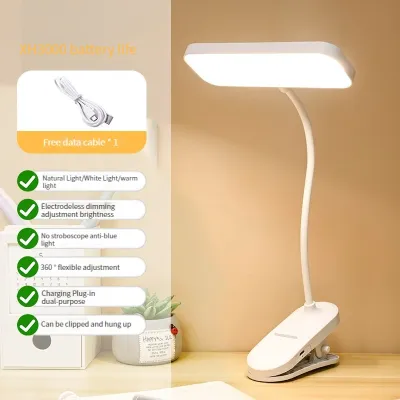
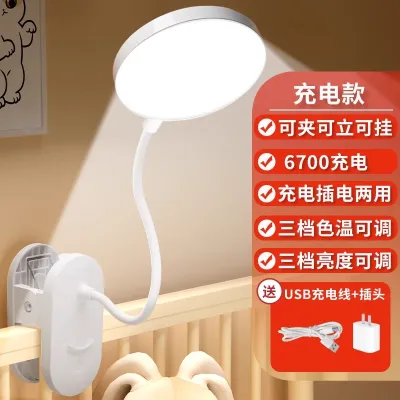
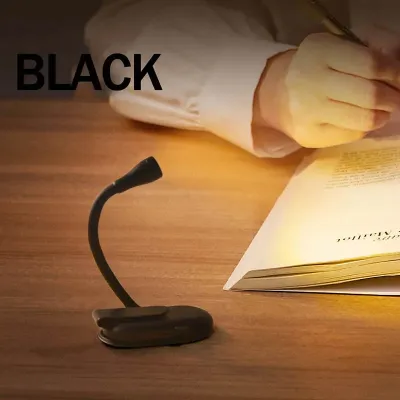
If you work at a narrow floating shelf, a window sill, or a shallow pull-out laptop tray, a large swing-arm lamp will feel overwhelming and physically intrusive. Instead, opt for a lightweight, compact LED gooseneck clamp lamp. These models feature a small, spring-loaded clip or a highly compact screw clamp that takes up minimal space on a ledge.
Gooseneck arms made of silicone-coated steel can be twisted, coiled, and adjusted in any direction without requiring clearance behind the desk. This allows you to position the light precisely over your keyboard or book without the arm bumping into the wall behind your shelf. Because these setups are highly localized, look for lamps with a focused beam angle that concentrates light directly downward, preventing stray light from scattering across the rest of the room.
Best for Shared Workspaces and Flexible Angles
In shared bedrooms or dual-user study rooms, managing light spill is crucial to avoid disrupting others. For these environments, an asymmetric clamp desk lamp or a dual-head adjustable clamp lamp is highly effective. Asymmetric optical designs direct light at a precise forward angle, illuminating your desk surface completely while ensuring zero direct glare reaches your eyes or spills over to the other side of the room.
Alternatively, dual-head clamp lamps feature two independent light bars on a split swing arm. You can fold them together for concentrated, ultra-bright illumination, or spread them apart up to 180 degrees to cover two adjacent work areas simultaneously. When the study session is over, these flexible designs can be folded flat against the wall or tucked neatly behind your monitor, keeping the shared space looking tidy and organized.
Installation and Safety Tips for Clamp Lamps
While clamp lamps are generally simple to install, taking a few precautionary steps will protect your furniture and ensure a safe working environment.
- Protect Delicate Surfaces: The metal or hard plastic brackets of a screw clamp can easily scratch, dent, or crack delicate furniture surfaces, especially veneered MDF, glass, or polished solid wood. Always place a thin protective pad, such as a piece of adhesive felt, a rubber sheet, or a small square of cardboard, between the clamp pads and your desk before tightening.
- Verify Weight and Balance: Never over-extend a heavy metal swing-arm lamp on a lightweight, folding, or unstable table. Extending the arm fully forward shifts the center of gravity, which can cause the entire desk to tip over. Keep the main weight of the arm aligned as closely as possible with a sturdy leg of the desk.
- Check for Electrical Safety Certification: In Singapore, power adapters and plug-in light fixtures are classified as Controlled Goods. Always verify that the power adapter or plug carries the mandatory SAFETY Mark issued by Enterprise Singapore. This certification ensures the device has been tested and approved for safe domestic use.
- Avoid Cable Clutter: Do not daisy-chain multiple extension cords or adaptors behind your desk to power your lamp and computer. In tight, poorly ventilated study nooks, overloaded power strips can overheat. Secure your lamp's power cable along the desk leg using hook-and-loop fasteners or cable clips to keep it neat and prevent accidental snags.
Frequently Asked Questions (FAQ)
Can I use a clamp lamp on a glass desk?
Yes, you can use a clamp lamp on a glass desk, but you must take extra precautions to prevent the glass from cracking under pressure. Standard glass tops are susceptible to localized stress from the point pressure of a tightened clamp. To minimize this risk, always use a clamp with wide, rubber-padded gripping surfaces to distribute the force evenly. Additionally, you can sandwich a small block of wood or thick plastic between the clamp and the glass on both the top and bottom surfaces to act as a buffer. Always consult your desk manufacturer’s manual to verify if the glass is tempered and rated to support clamped accessories before installation.
What is the ideal color temperature for studying?
For active studying and tasks requiring high concentration, a cool white light with a color temperature between 4000K and 5000K is highly recommended. This range mimics natural daylight, which helps promote alertness, reduces eye strain when reading fine print, and keeps you focused. However, if you are studying late at night close to bedtime, switching to a warmer tone around 2700K to 3000K is beneficial. Warmer light minimizes blue light exposure, helping your body wind down naturally for sleep. Choosing a clamp lamp with adjustable color temperature controls allows you to transition seamlessly between these modes throughout the day.
Community discussion
Share your experience or ask a question. Comments are reviewed before publication.