
Swapping out your cushion case cover collection is one of the most effective, low-effort strategies for refreshing your interior decor in Singapore. Whether you want to breathe new life into a neutral sofa, soften a modern minimalist living room, or introduce seasonal textures to your bedroom, cushion covers offer an immediate transformation without the high cost or commitment of a complete furniture overhaul. The key to a successful refresh lies in selecting brands that align with your aesthetic goals, budget, and the practical demands of Singapore’s climate. By understanding the diverse retail landscape—ranging from global furnishing giants to bespoke local design studios—you can curate a collection that is both visually striking and highly durable.
How to Match Cushion Cover Styles with Your Space
Singaporean homes feature a diverse array of interior design styles, shaped by both spatial layouts and personal tastes. Minimalist spaces, common in modern HDB flats and condominiums, rely heavily on clean lines, neutral color palettes, and uncluttered surfaces. In these environments, a well-chosen cushion case cover acts as a subtle focal point, introducing depth and warmth without disrupting the sense of calm. Tropical modern interiors, which embrace Singapore’s lush landscape, benefit from rich greens, warm earth tones, and organic textures like linen and cotton. Contemporary spaces, on the other hand, offer more flexibility, allowing for a mix of bold geometric patterns, metallic accents, and high-contrast color schemes.
To successfully anchor a room using cushion covers, think of them as the visual bridge between your furniture and your broader decor. If you have a neutral-colored sofa in shades of grey, beige, or cream, cushion covers are the perfect vehicle for introducing accent colors. You can draw inspiration from existing elements in the room, such as the tones in an artwork, the metallic finish of a floor lamp, or the green of a potted indoor plant. If your room already features bold colors, use solid-colored cushion covers in complementary or contrasting shades to balance the visual energy and prevent the space from feeling chaotic.
Products mentioned in this guide
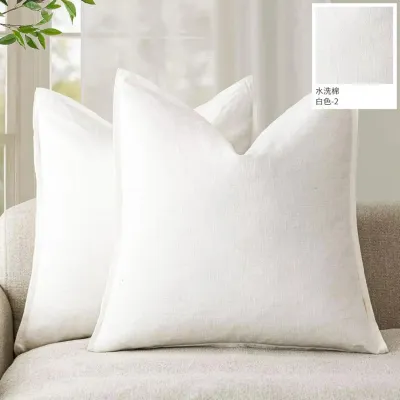
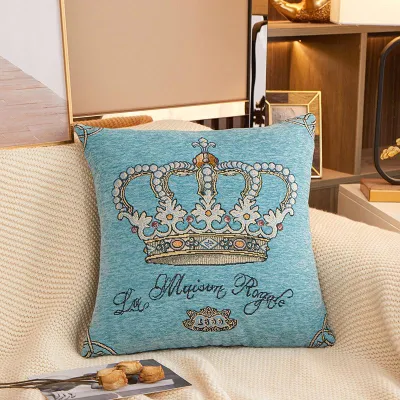
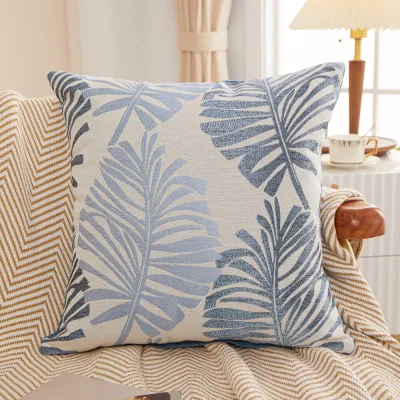
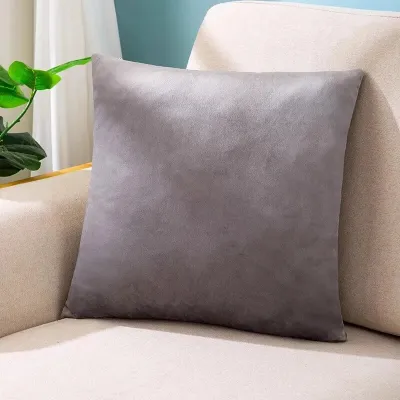
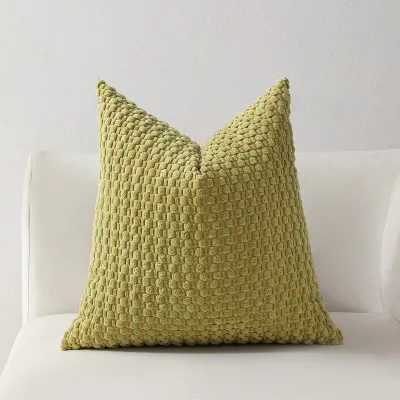
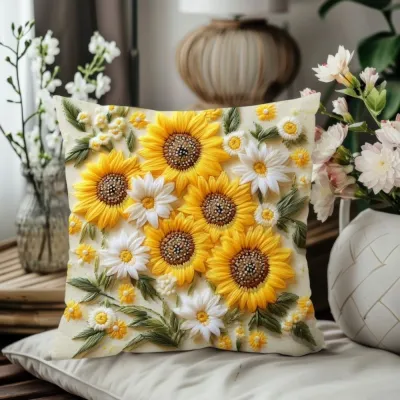
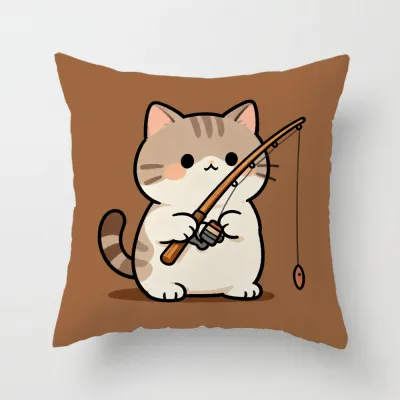
Prices are valid at publication and may change. Please refer to the product page for the latest price.
Achieving a layered, professionally styled look on standard sofas and armchairs requires a thoughtful mix of sizes, shapes, and textures. A classic styling formula starts with larger square cushions (such as 50×50 cm or 55×55 cm) in a solid, textured fabric to serve as the background layer. Position these at the outer corners of the sofa. Next, layer smaller square cushions (such as 45×45 cm) featuring a subtle pattern or a contrasting color in front of them. Finally, complete the arrangement with a rectangular lumbar cushion in a distinct texture, such as a chunky weave or an embroidered detail, placed in the center. This step-down approach creates visual depth and ensures that every cushion is visible and functional.
Types of Brands to Explore for Diverse Style Options
Finding the perfect cushion covers involves navigating a rich retail landscape that spans multiple categories of brands and retailers. In Singapore, homeowners have access to global home furnishing giants, local design boutiques, and curated online platforms, each offering distinct advantages in terms of style, price, and material quality. Understanding how these brand types differ allows you to shop strategically, combining budget-friendly basics with unique statement pieces to create a highly personalized and balanced home environment.

Global Home Furnishing Brands
Global home furnishing brands are the go-to destination for many Singaporeans looking for quick, accessible, and trend-driven decor updates. These international retailers excel at producing massive, cohesive collections that reflect current design trends from around the world. One of their primary advantages is the sheer variety of colors, patterns, and sizes available under one roof, making it easy to find matching sets or complementary designs. Additionally, these brands typically operate large physical showrooms across Singapore, allowing you to touch the fabrics, test their softness, and see the exact colors under realistic showroom lighting before making a purchase.
However, mass-market production comes with certain limitations. Because these designs are manufactured in high volumes, they lack the exclusivity and unique character of artisanal products; you are highly likely to see the same cushion case cover in other homes. The materials used in entry-level ranges may also lean toward synthetic blends that are less breathable in humid conditions, though higher-end lines within these global brands often feature pure cotton or linen.
These brands are best utilized for sourcing your foundational pieces. They are ideal for buying high-quality, solid-colored neutrals that form the base of your cushion arrangement, as well as affordable, highly seasonal designs that you plan to swap out frequently. By using global brands for your background layers, you can allocate more of your decor budget toward unique focal pieces.
Local Singaporean Design Studios and Boutiques
For those looking to inject distinct character, cultural heritage, or artistic flair into their living spaces, local Singaporean design studios and independent boutiques are invaluable. These creators often design cushion covers that reflect local narratives, tropical botanical motifs, or modern interpretations of regional heritage, such as Peranakan-inspired patterns or shophouse architectural details. Choosing local brands not only supports the creative community but also ensures your home features highly distinctive pieces that spark conversation.
The craftsmanship of boutique brands is typically superior, with a strong focus on premium, natural fabrics, hand-printed designs, and meticulous stitching. However, these benefits come with trade-offs. Boutique cushion covers operate at higher price points, often ranging from S$50 to over S$100 per cover. Furthermore, because these items are produced in small, artisanal batches, popular designs can sell out quickly and may not be restocked once the run is complete.
The ideal scenario for boutique pieces is to treat them as the “hero” or statement items in your arrangement. A single, beautifully embroidered or hand-painted cushion cover from a local studio can sit front and center on a solid-colored armchair or at the heart of a neutral sofa, instantly elevating the entire room’s aesthetic.
Curated Online Home Decor Retailers
Curated online home decor platforms and online-first brands have transformed how Singaporeans shop for textiles, offering a bridge between mass-market affordability and boutique exclusivity. These digital retailers specialize in aggregating independent global designers or focusing on highly specific, niche design aesthetics that are difficult to find in traditional brick-and-mortar stores. Whether you are searching for minimalist wabi-sabi textures, relaxed bohemian tassels, or vintage-inspired linen prints, online curators provide a highly targeted shopping experience.
The primary challenge of shopping online is the inability to physically feel the fabric weight, texture, or stiffness before purchasing. Colors can also appear differently on screens depending on display settings, and international shipping can introduce waiting times of several weeks.
To mitigate these risks, successful online shopping requires a methodical approach. Always read the detailed material composition rather than relying solely on the product images. Look for listings that specify the fabric weight (often measured in grams per square meter, or GSM) and weave type. Take time to read customer reviews, paying close attention to any user-uploaded photos that show the cushion cover in natural lighting. Finally, verify the retailer’s return and exchange policies to ensure you can return the item if the color or quality does not match your expectations upon arrival.
Essential Specifications to Check Before Purchasing
While style and color are the first elements that catch your eye, the practical performance of a cushion case cover depends entirely on its technical specifications. In Singapore’s distinct climate, overlooking these details can lead to frustrating purchasing mistakes, such as covers that do not fit your existing inserts, fabrics that trap heat and moisture, or delicate materials that degrade quickly under regular washing. Taking a few minutes to verify these specifications before buying ensures your covers remain beautiful and functional for years.
Sizing and Insert Compatibility
Ensuring a perfect fit starts with understanding standard cushion cover dimensions. The most common sizes found in Singapore retail stores are 45×45 cm and 50×50 cm, alongside rectangular lumbar sizes like 30×50 cm. To determine what size cover you need, do not measure an old, flattened cover; instead, measure the actual cushion insert across its center from seam to seam while holding it flat.
A key styling secret used by professional interior designers is the “size down” rule. To achieve a plump, full, and luxurious cushion appearance, select a cushion case cover that is slightly smaller than your insert. For example, a 50×50 cm feather or down insert fits beautifully inside a 45×45 cm cover, filling out the corners and preventing a saggy look. Conversely, if you prefer a relaxed, slouchy, and casual aesthetic—often favored in bohemian or coastal designs—choose a cover that matches the insert’s dimensions exactly or is slightly larger, particularly if the insert is filled with lightweight polyester fiberfill.
Fabric Choices for a Tropical Climate
Singapore’s warm, humid climate demands careful consideration of fabric types. For everyday use in high-traffic areas like the living room, natural fibers such as cotton and linen blends are highly recommended. Cotton is exceptionally breathable, easy to wash, and soft against the skin, while linen offers a textured, relaxed look and naturally wicks away moisture. These materials are highly durable and withstand frequent washing without losing their structural integrity.
Delicate fabrics like pure silk, heavy velvet, or intricate wool embroidery add undeniable luxury, but they require specific environmental conditions. In Singapore, these materials are best reserved for air-conditioned spaces, such as master bedrooms or formal study rooms, where humidity is controlled. Without climate control, delicate organic fibers can trap moisture, making them susceptible to musty odors or mold.
When evaluating fabric options, remember that a material name alone does not guarantee performance. Always check the product description or physical tag for details on weave density and composition. A high-quality cotton cover will feel substantial and have a tight weave, preventing the insert from showing through. Always consult the manufacturer’s care labels to verify if a fabric is machine washable or requires professional dry cleaning.
Closure Types and Maintenance Requirements
The type of closure on a cushion cover affects both its visual neatness and how easy it is to maintain. The three most common closure styles are:
- Hidden Zippers: These are sewn into the bottom seam or back of the cover, completely concealed from view. They provide a sleek, modern finish and keep the insert securely inside, though low-quality zippers can catch on fabric or break under tension.
- Envelope Closures: Featuring overlapping fabric panels on the back, these covers have no hardware, making them incredibly easy to slip on and off. They are highly durable and safe for machine washing, but they can gap open if the insert is too thick.
- Button Ties: These use exposed buttons or fabric ties as a decorative element. While they add a charming, rustic touch, they require a bit more effort to open and close during washing cycles.
Before finalizing your purchase, review the manufacturer’s washing instructions. For busy households, prioritize machine-washable covers that can handle gentle cycles. Check for temperature limits (usually 30°C or cold wash) and drying instructions, as high heat in clothes dryers can cause natural cotton and linen covers to shrink significantly or cause vibrant prints to bleed.
Navigating the Shopping Experience in Singapore
Creating a cohesive home decor scheme requires balancing the convenience of online shopping with the tactile reassurance of physical retail. In Singapore, the most successful home refreshes often combine both approaches. Visiting local showrooms, boutique stores, and design experience centers allows you to interact with the fabrics firsthand. You can assess the weight of the canvas, feel the softness of a linen-cotton blend, and observe how the fabric’s colors shift under different lighting temperatures—such as warm showroom lights versus the natural daylight of your home.
If you prefer the convenience of online shopping, you can still ensure a high-quality outcome by shopping smart. Some premium online textile brands allow you to order small fabric swatches for a nominal fee, which is an excellent way to test the color and texture against your existing furniture. When browsing, make it a habit to look past the stylized marketing photos. Focus instead on the technical specifications list, checking for exact fabric percentages (e.g., 60% linen, 40% cotton) and construction details like double-stitched seams.
To ensure your new cushion covers coordinate seamlessly with your existing layout, preparation is key. Before shopping—whether online or in-store—take high-resolution photos of your living room, sofa, and existing decor in natural daylight. If your sofa has removable cushion covers, consider taking one of the small covers or a fabric swatch with you to the store. This allows you to hold potential new cushion case cover designs directly against your sofa’s material, ensuring that the undertones of the colors match perfectly and that the textures complement rather than clash with your primary furniture.
Frequently Asked Questions (FAQ)
Finding the right cushion covers often raises practical questions about long-term care and versatility. Here are quick, actionable answers to help you maintain your home decor investments.
How often should I wash my cushion case covers?
For standard indoor use in living rooms and bedrooms, washing your cushion covers every two to three months is generally sufficient to remove dust, skin oils, and environmental allergens. However, if you have pets, young children, or allergy sufferers in the home, you may need to wash them more frequently, such as once a month. Always refer to the specific manufacturer care label before washing; delicate prints, embroidered details, or structured fabrics may require hand washing or professional dry cleaning to prevent shrinkage and preserve fabric integrity.
Can I use outdoor cushion covers indoors?
Yes, you can use outdoor cushion covers indoors, but it is important to understand the tactile trade-offs. Outdoor covers are engineered to resist water, UV rays, and mildew, which often makes the fabric stiffer, rougher, or less breathable than standard indoor textiles. While they are highly durable and stain-resistant—making them excellent for high-use areas like dining benches or playrooms—they may not provide the cozy, soft comfort you want for a primary lounging sofa or bedroom. Always feel the fabric texture first to ensure it meets your comfort standards.
What is the best way to store seasonal cushion covers?
To prevent damage and maintain freshness when storing seasonal cushion covers, ensure they are completely clean and fully dry before packing them away. Any residual moisture can lead to mold, mildew, or musty odors, which thrive in Singapore’s humid environment. Avoid storing your covers in sealed plastic bags or airtight plastic containers, as these can trap moisture and cause fibers to degrade. Instead, fold them neatly and place them in breathable cotton or canvas storage bags, and store them in a cool, dry wardrobe with a moisture absorber.
Community discussion
Share your experience or ask a question. Comments are reviewed before publication.