
To support lower back health, high-density foams like memory foam and latex are the gold standard because they provide structured support, maintain physiological spinal alignment, and resist flattening under continuous pressure. On the other hand, if your goal is styling an inviting living space, down alternatives, polyester fiberfills, and natural feather-and-down blends are superior. They offer the necessary loft, soft drape, and flexibility required for decorative arrangements.
The choice is not about finding a single superior material, but rather identifying whether a cushion’s primary function is physical ergonomics or visual styling. While a functional lumbar cushion must withstand sustained weight without collapsing, a decorative cushion must remain soft, malleable, and aesthetically pleasing. Understanding these distinct material behaviors ensures you select the correct fill for your specific needs.
How to Evaluate Cushion Fills: Support vs. Aesthetics
When selecting the ideal cushion fill, you must first define the primary role the cushion will play in your environment. A cushion cannot easily excel at both rigid ergonomic support and plush, slouchy aesthetics. Evaluating these two pathways requires looking at distinct material properties.
Products mentioned in this guide
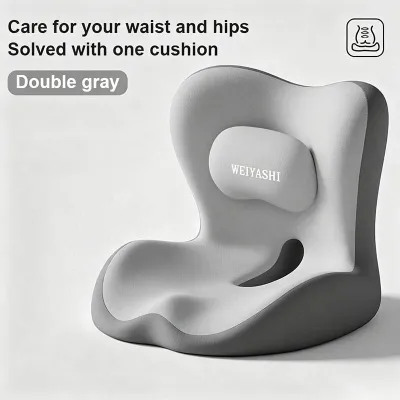
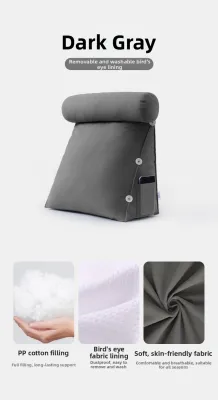
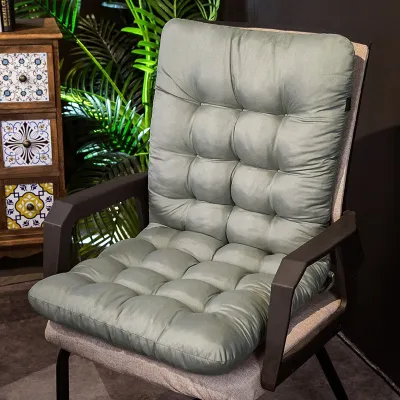
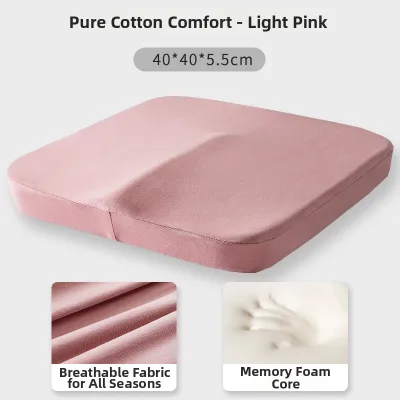
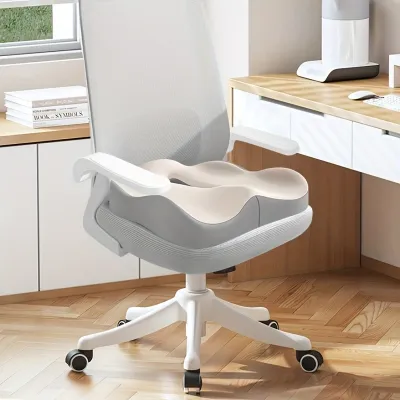
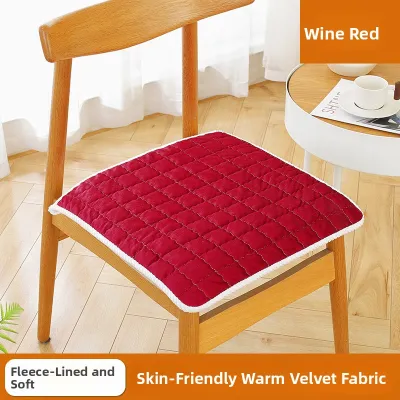
Prices are valid at publication and may change. Please refer to the product page for the latest price.
For functional lumbar support, the key attributes are firmness, resilience, ergonomic contouring, and shape retention. Sitting places significant pressure on the lumbar spine, which naturally curves inward. Without adequate support, the lower back muscles must work harder, leading to fatigue and discomfort. A supportive cushion must possess enough compressive resistance to counteract your body weight, contouring to your back to distribute pressure evenly without bottoming out over hours of use.
For decorative cushions, the priorities shift entirely to visual appeal. Here, the key attributes are loft (the height and volume of the cushion), drape (how the fabric sits and folds naturally), and moldability. For instance, interior designers often use the “karate chop” technique to create a neat crease in the top of a pillow, a styling trick that requires a highly malleable fill. A rigid foam cushion cannot achieve this inviting, lived-in look.
Evaluating your daily activities helps clarify this choice. If you are styling a home office chair or a deep-seated sofa where you spend hours working or reading, prioritize ergonomic support. If you are decorating a formal living room sofa, entryway bench, or bedscape where cushions are primarily viewed rather than sat against, prioritize aesthetic drape and loft.
Top Fill Materials for Functional Lumbar Support
If your goal is to alleviate lower back discomfort or maintain healthy posture during long hours of sitting, you need materials engineered for structural integrity. Synthetic and natural foams are the most reliable choices for this application.

Memory Foam and High-Density Polyurethane
Memory foam, or viscoelastic polyurethane foam, responds to both body heat and pressure. When you lean against it, the foam softens and contours precisely to the unique shape of your lumbar spine, creating a customized support cradle. This pressure-relieving quality makes it highly effective for reducing localized discomfort. High-density polyurethane foam, while less contouring than memory foam, offers a firmer, more immediate upward resistance, which is excellent for those who prefer rigid spinal alignment and maximum pushback.
When evaluating these synthetic foams, pay close attention to the density rating, which is typically specified by the manufacturer. High-quality lumbar cushions generally utilize foam with a density of at least 50 kg/m³ for long-lasting support. Lower-density foams may feel soft initially, but they will compress completely under weight, rendering them ineffective for ergonomic support over time.
A key consideration for the tropical climate of Singapore is heat retention. Traditional memory foam features a closed-cell structure that traps body heat, which can lead to uncomfortable sweating during long sitting sessions. To mitigate this, look for open-cell memory foam structures, gel-infused layers, or cushions with ventilated channels that promote airflow. Pairing the foam insert with a highly breathable, moisture-wicking cover, such as linen, bamboo, or high-performance mesh, is also crucial for maintaining thermal comfort.
Natural and Synthetic Latex
Latex is harvested from the sap of rubber trees (natural latex) or manufactured chemically (synthetic latex). Unlike memory foam, which has a slow, sinking response, latex is highly resilient and bouncy. It provides an immediate, buoyant pushback that keeps your spine aligned without the “sinking” sensation, making it exceptionally easy to shift positions throughout the day.
The open-cell molecular structure of latex is naturally breathable, making it inherently cooler than standard memory foam. This cooling property is a significant advantage in warm, humid environments. Furthermore, natural latex is naturally resistant to dust mites, mold, and mildew, which thrive in humid conditions.
When evaluating latex cushions, check the product label to determine if it is 100% natural, synthetic, or a blend. Natural latex offers superior durability and environmental benefits but comes at a higher price point. Look for certifications such as the Global Organic Latex Standard (GOLS) or OEKO-TEX Standard 100. These certifications verify that the material has been tested for harmful substances and emissions, which is particularly important for individuals with respiratory sensitivities or chemical allergies.
Top Fill Materials for Decorative and Aesthetic Use
When cushions are used to add color, texture, and warmth to a room, the fill material must allow the fabric cover to look its best. Soft, fibrous, and natural feather fills are ideal for creating a plush, inviting aesthetic.
Down Alternative and Polyester Fiberfill
Polyester fiberfill represents the most common and budget-friendly cushion fill available. It consists of synthetic polyester fibers blown into a casing, providing a lightweight, fluffy feel that is excellent for filling out decorative covers. However, basic fiberfill has a tendency to clump and mat over time, especially when subjected to regular use, leading to a lumpy, deflated appearance.
To achieve a more luxurious look without using animal products, high-quality down alternatives are an excellent choice. These are typically made from ultra-fine polyester gel fibers or microfibers that mimic the loft, softness, and drape of natural down. Down alternatives are hypoallergenic, resistant to clumping, and provide a plush, rounded appearance that elevates the look of any sofa or bed.
To maintain the visual appeal of synthetic fiber cushions, regular maintenance is required. Check the care label of your insert; many polyester and down alternative inserts are machine washable, which is a major advantage for busy households. Regular machine washing on a gentle cycle followed by low-heat tumble drying (often with dryer balls to break up clumps) can restore the original loft and fluffiness of the fibers.
Feather and Down Blends
For those seeking a premium aesthetic, natural feather and down blends are unmatched. Down consists of the fluffy, quill-less undercoating of geese or ducks, providing incredible loft and softness. Feathers, which have a central quill, provide structure, weight, and springiness. A blend of the two creates a cushion that feels substantial, drapes beautifully against furniture, and holds styling shapes perfectly.
When reviewing product tags, look at the down-to-feather ratio. A common blend is 10% down and 90% feathers, which offers a heavy, structured cushion that is highly moldable. Increasing the down content (e.g., 25% down, 75% feathers) results in a softer, fluffier cushion with more loft, but it will require more frequent fluffing to maintain its shape. If the feather content is high, ensure the inner casing is made of a high-thread-count, “down-proof” fabric (such as tightly woven cotton cambric) to prevent sharp quills from poking through the cover.
Natural fills can sometimes trigger allergies due to dust or improper cleaning of the feathers during manufacturing. Ensure the manufacturer uses washed, sanitized feathers. Additionally, natural fills are sensitive to moisture; in highly humid climates, they must be kept dry and fluffed regularly to prevent musty odors or mold development.
Cushion Fill Material Comparison Matrix
This comparison matrix provides a quick-reference summary to help you compare the discussed materials across key decision dimensions.
| Material Type | Primary Use Case | Firmness Level | Shape Retention | Drape / Aesthetics | Maintenance Needs |
|---|---|---|---|---|---|
| Memory Foam | Lumbar Support | Medium to Firm | Excellent | Low (Rigid) | Low (Wipe clean cover only) |
| High-Density Polyurethane | Lumbar Support | Firm | Very High | Low (Rigid) | Low (Spot clean) |
| Latex | Lumbar Support | Medium-Firm | Excellent | Low (Resilient) | Low (Air out occasionally) |
| Down Alternative | Decorative | Medium-Soft | Moderate | High (Plush) | Medium (Occasional fluffing/wash) |
| Polyester Fiberfill | Decorative | Soft to Medium | Low (Clumps) | Medium | Medium (Frequent fluffing/wash) |
| Feather & Down Blends | Decorative | Soft | High (When fluffed) | Excellent (Drapes perfectly) | High (Daily fluffing required) |
Actionable Guide: Choosing the Right Cushion for Your Space
To finalize your purchase, use this practical, condition-based decision framework to select the right material for your home.
- Choose Memory Foam or Latex if you experience lower back discomfort during long sitting sessions and require structured, resilient support that conforms to your body.
- Choose Down Alternative if you want a plush, allergen-free, machine-washable decorative accent that maintains a full, rounded shape with minimal effort.
- Choose Feather and Down Blends if you prefer a luxurious, heavy drape, love the classic "karate-chopped" designer look, and do not mind regular fluffing.
- Choose High-Density Polyurethane if you need an affordable, highly rigid support insert for a deep sofa or armchair to prevent sinking.
Singapore Climate Considerations
In Singapore’s tropical climate, high relative humidity (often exceeding 80%) poses a significant challenge for home textiles. Moisture can easily trap inside cushion inserts, creating an ideal breeding ground for mold, mildew, and dust mites. To protect your investment, select breathable cover materials such as pure linen, cotton canvas, or specialized performance fabrics. For functional lumbar cushions, look for covers with anti-microbial treatments or removable, washable outer layers. If choosing natural feather/down inserts, ensure your home is well-ventilated or air-conditioned, and occasionally air the inserts out in a shaded, dry area to release trapped moisture.
Sizing and Styling Advice
To achieve a plump, high-end look on your furniture, a professional styling secret is to size up your insert. For soft decorative fills (like down alternatives or feather blends), select an insert that is 5 cm (approximately 2 inches) larger than your cushion cover. For example, if you have a standard 45 x 45 cm (18 x 18 inches) decorative cover, pair it with a 50 x 50 cm (20 x 20 inches) insert. This extra volume fills out the corners completely, preventing a saggy, deflated appearance.
However, this rule does not apply to firm lumbar support cushions. Because memory foam and latex inserts are rigid and pre-shaped, you must match the insert dimensions exactly to the cover size (e.g., a 30 x 50 cm lumbar cover requires a 30 x 50 cm lumbar insert). Forcing a rigid foam insert into a smaller cover will distort the ergonomic shape and compromise the support it provides. Always verify the closure types, preferring high-quality hidden zippers that allow for easy cover removal and washing.
Frequently Asked Questions (FAQ)
Can I use a decorative cushion fill for lumbar support?
No, soft decorative fills such as standard polyester fiberfill or feather blends are not recommended for proper lumbar support. Under the sustained weight of your torso, these materials compress completely, offering virtually no resistance to keep your spine in its natural alignment. This lack of support can lead to poor posture, muscle strain, and lower back discomfort. If you want a cohesive look without sacrificing comfort, place a firm, dedicated lumbar insert (like memory foam) inside a decorative cover that matches your room’s aesthetic. This allows you to achieve the necessary ergonomic support while maintaining your home’s design theme.
How do I know if a cushion insert is the right size for my cover?
For soft, malleable decorative fills (such as down alternatives or feather blends), the industry standard is to choose an insert that is 5 cm (approximately 2 inches) larger than the cover dimensions. This ensures a plump, professional finish and prevents empty, drooping corners. For firm, structured materials like memory foam or latex, you must select an insert that matches the cover’s dimensions exactly. Using an oversized insert with rigid foam will warp the cushion’s shape, stress the zipper seams, and reduce the effectiveness of its ergonomic contouring. Always measure your flat, empty cover from inside seam to inside seam before purchasing an insert.
Community discussion
Share your experience or ask a question. Comments are reviewed before publication.