
Quick Answer: Which Cushion Material is Best for Rattan Chairs?
To determine the best cushion material for a rattan chair, you must first separate the cushion into its two core components: the outer fabric cover and the inner filling. There is no single “best” material because the ideal choice depends on your specific environment, lifestyle, and comfort preferences. For everyday softness and breathability in warm climates, cotton is an excellent choice. If you prioritize a premium, organic aesthetic that complements the natural texture of rattan, linen is unmatched. For high durability, stain resistance, and easy maintenance, polyester is the superior option.
Crucially, foam is not a cover fabric but a filling material. A complete, high-quality rattan chair cushion must pair one of these fabric covers with a supportive, high-density foam insert to prevent you from feeling the hard, uneven weave of the rattan frame beneath you. Choosing the correct combination ensures both tactile comfort and long-term durability.
Clarifying the Comparison: Fabric Covers vs. Foam Fillings
A common point of confusion when shopping for a rattan chair cushion is comparing “foam” directly against fabrics like cotton, linen, or polyester. In reality, these materials perform entirely different roles within a single cushion. The outer cover—made of cotton, linen, polyester, or a blend—is what makes direct contact with your body. It dictates the tactile feel, visual style, breathability, and cleaning requirements of the cushion.
Products mentioned in this guide
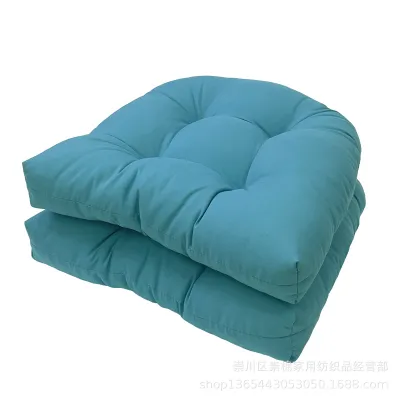
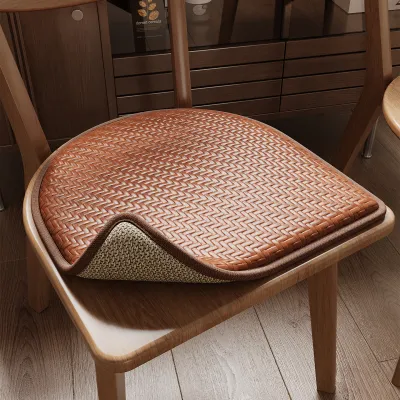
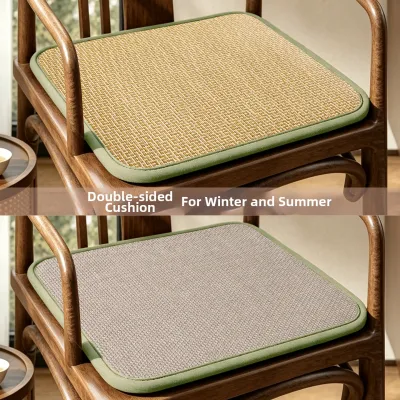
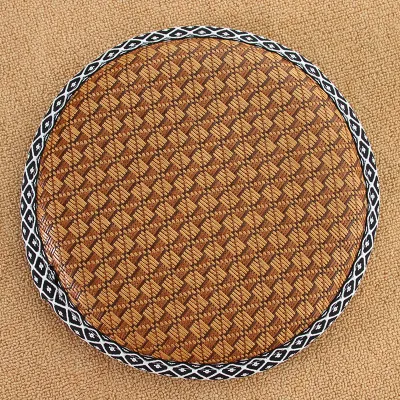
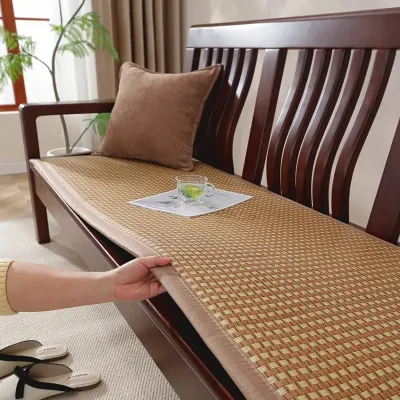
Prices are valid at publication and may change. Please refer to the product page for the latest price.

Conversely, the inner filling—typically consisting of polyurethane foam, memory foam, or polyester fiberfill—serves as the structural engine of the cushion. It determines the level of support, shape retention, and overall comfort. Rattan furniture, while beautiful and slightly flexible, features an uneven, textured weave that can quickly become uncomfortable to sit on for extended periods. Without a high-quality filling to distribute weight and bridge the gaps in the weave, even the most luxurious cover fabric will fail to deliver a comfortable seating experience.
Fabric Cover Materials: Cotton, Linen, and Polyester Compared
Selecting the right cover material for your rattan chair cushion is a balance of aesthetics, tactile comfort, and practicality. Because rattan furniture is often used in relaxed, airy spaces—such as sunrooms, living rooms, or covered balconies—the fabric must handle local environmental factors like humidity and temperature while aligning with your interior design. Each of the three primary fabric options offers distinct characteristics that alter how the chair feels and how much maintenance it requires over its lifespan.
Cotton: Breathability and Softness
Cotton is a classic choice for indoor rattan chair cushions, highly favored for its natural softness and exceptional breathability. In warm or humid environments, cotton fibers allow air to circulate freely, helping to dissipate body heat and prevent that sticky, uncomfortable feeling during long lounging sessions. This makes cotton cushions highly comfortable for daily use in spaces cooled by ceiling fans or natural cross-breezes.
However, pure cotton has several practical trade-offs. It is highly absorbent, meaning it quickly drinks up spilled liquids, sweat, and oils, which can lead to staining and deep-set odors if not cleaned promptly. Cotton is also prone to wrinkling and can shrink if washed at high temperatures.
When choosing a cotton cover, it is essential to check the fabric weave density and thread count on the product label. A tight, heavy-duty weave like cotton duck or canvas is highly recommended for rattan furniture, as it provides the necessary tensile strength to resist pilling and tearing when rubbed against the textured, sometimes sharp edges of natural rattan fibers.
Linen: Natural Texture and Aesthetic Match
Linen offers a premium, relaxed look that perfectly matches the organic, earthy aesthetic of rattan furniture. Made from flax fibers, linen features a distinct slub texture—characterized by slight, natural irregularities in the yarn—which beautifully echoes the hand-woven craftsmanship of rattan frames. Beyond its visual appeal, linen is highly valued for its outstanding moisture-wicking properties and breathability. It absorbs moisture quickly and dries just as fast, keeping the seating surface cool and dry even in tropical climates.
Despite these benefits, pure linen requires a high level of maintenance. It wrinkles almost instantly upon contact, which contributes to its casual, lived-in charm but may frustrate those who prefer a crisp, neat appearance. Pure linen can also feel slightly stiff or rough when brand new, though it softens significantly with subsequent washes.
To get the best of both worlds, look for fabric blends such as linen-cotton or linen-polyester. These blends retain the gorgeous, textured appearance of linen while introducing the softness of cotton or the wrinkle-resistance and durability of polyester.
Polyester: Stain Resistance and Durability
Polyester is the modern workhorse of cushion fabrics, offering exceptional durability, stain resistance, and ease of maintenance. Unlike natural fibers, polyester is synthetic, meaning its fibers do not easily absorb liquids. Spills tend to bead up on the surface, allowing you to wipe them away before a stain can form. This makes polyester cushions incredibly practical for high-traffic areas, households with active pets, or homes with young children.
Polyester is also highly resistant to stretching, shrinking, and abrasion, meaning it can withstand years of friction against a rough rattan frame without showing signs of wear. The primary drawback of standard polyester is its limited breathability. In hot or humid climates, cheap polyester covers can trap heat and moisture, leading to a sweaty seating experience.
To counter this, look for high-quality, textured performance polyester blends. Many modern manufacturers weave polyester in ways that mimic the breathability and matte texture of natural linen or cotton, providing a sophisticated look without sacrificing the fabric’s inherent durability and stain-fighting properties.
Foam Fillings: Density and Support for Rattan Weaves
While the cover fabric determines what you feel against your skin, the inner filling determines whether you can sit on your rattan chair for hours or if you will want to stand up after ten minutes. Rattan chairs, by their nature, feature open weaves and firm structural supports that can press uncomfortably into your body if your cushion is too thin or soft. This is why the choice of filling—specifically the type and density of foam—is so critical.
High-density polyurethane (PU) foam is widely considered the gold standard for rattan chair cushions. It offers a firm, supportive base that distributes body weight evenly and prevents “bottoming out,” which occurs when a cushion compresses completely, leaving you sitting directly on the hard rattan frame. High-density foam also boasts excellent shape retention, bouncing back to its original form even after prolonged use.
In contrast, low-density foam, shredded foam, or cheap polyester fiberfill inserts may feel incredibly plush and soft at first, but they compress rapidly under weight. Over time, these softer fillings will flatten permanently, forcing you to replace them much sooner.
When shopping, check the product specifications for foam density and thickness. For standard dining or accent rattan chairs, a high-density foam core of at least 5 to 7 centimeters is recommended, while deeper lounging chairs may benefit from cushions up to 10 centimeters thick to ensure maximum comfort.
Choosing for Your Environment: Indoor vs. Covered Outdoor
The environment where your rattan chair resides should heavily dictate your cushion material choices. If your rattan chair is kept strictly indoors within an air-conditioned living room or a well-ventilated bedroom, you have the freedom to prioritize luxury and touch. In these controlled settings, natural fibers like pure cotton or linen-cotton blends excel, as they offer an inviting softness and an elegant, organic look that enhances your indoor decor.
However, if your rattan chair is placed on a covered balcony, patio, or sunroom, the environmental challenges multiply. High humidity, blowing rain, and indirect sunlight can quickly ruin unprotected cushions. In these semi-outdoor environments, synthetic performance fabrics like solution-dyed polyester are essential. These fabrics are treated to resist water, mold, and mildew, which are common threats in humid climates. They also feature higher UV resistance ratings, preventing the fabric colors from fading under sun exposure.
Even under a cover, natural fibers in humid areas can absorb ambient moisture from the air, leading to musty odors and mold growth. If you do choose natural fibers for a semi-outdoor space, ensure you check the care labels and regularly bring the cushions indoors to air out and dry completely. Instruct readers to verify manufacturer labels for specific water-repellent treatments, UV resistance ratings, or indoor/outdoor suitability before purchasing.
Decision Framework: Which Material Should You Choose?
To make the right investment for your rattan furniture, use this structured decision framework to match your lifestyle and environment with the ideal cushion setup:
- Choose Cotton if you are placing your rattan chair indoors, value a soft and highly breathable natural fabric, and do not mind performing regular washing to keep the covers clean and fresh.
- Choose Linen if you want to create a high-end, organic, or bohemian aesthetic, love natural textures, and prefer a relaxed, lived-in look that embraces minor wrinkling.
- Choose Polyester if your chair will be placed on a covered balcony or semi-outdoor space, or if you have children or pets and require a highly durable, stain-resistant, and easy-to-clean cushion.
- Choose High-Density Polyurethane Foam as the filling if you want long-lasting comfort, excellent support, and a cushion that maintains its shape over years of daily use without bottoming out against the rattan weave.
- Verify first if the cushion cover includes practical features such as a hidden zipper, which allows you to easily remove the cover for machine washing or dry cleaning according to the manufacturer's care instructions.
Measure your chair carefully before purchasing any cushion. Rattan chairs often feature curved backs or tapered seats; ensuring the cushion dimensions precisely match your chair’s seat pan will prevent the cushion from sliding, bunching, or wearing out prematurely along the edges. Always check the manufacturer’s care label on both the cover and the foam insert to ensure proper maintenance and avoid damaging the materials during cleaning.
Community discussion
Share your experience or ask a question. Comments are reviewed before publication.