
Finding the perfect customised cushion in Singapore depends entirely on your specific goals. If you want to print a high-resolution family photo or a quirky graphic for a personal gift, online print-on-demand platforms offer the fastest, most convenient single-piece orders. For homeowners looking to match a specific living room color scheme or upgrade their HDB or condominium interiors with luxury textures, a bespoke upholstery or home decor studio is the superior choice. If you are organizing a corporate event, wedding, or community gathering, bulk merchandise suppliers provide the most cost-effective scaling. To make the right choice, you must balance design flexibility, material quality, and the specific service model of the provider.
Key Dimensions to Compare Customised Cushion Brands
Before committing to a custom order, it is essential to understand the technical and material variables that differentiate one service from another. Not all customisation is equal; a method that works beautifully for a photographic print may look out of place in a formal living room, while a luxury fabric may limit your design options. Evaluating these dimensions ensures your final product matches your expectations for both aesthetics and durability.
Design Flexibility and Print Methods
The method used to apply your design directly impacts the cushion’s appearance, texture, and longevity. Different technologies yield vastly different visual and tactile results.
Products mentioned in this guide
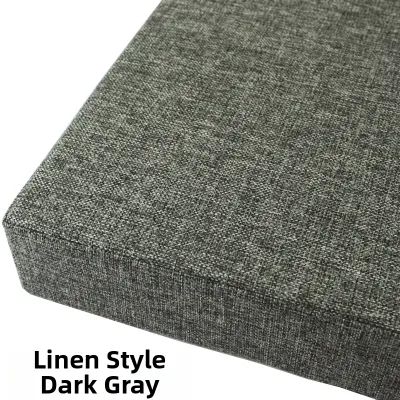
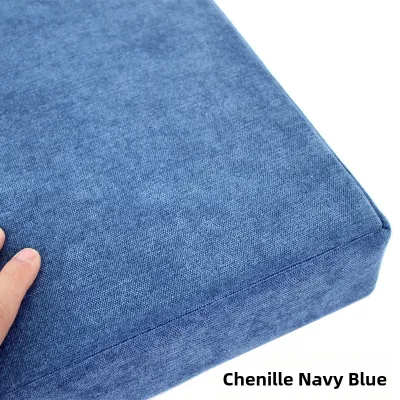
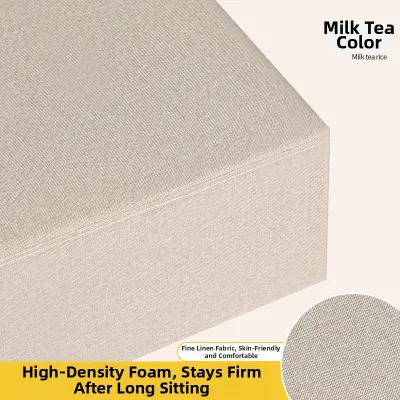
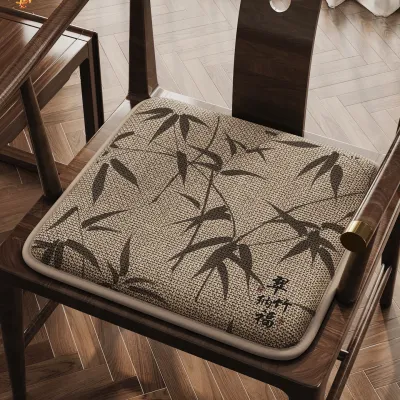
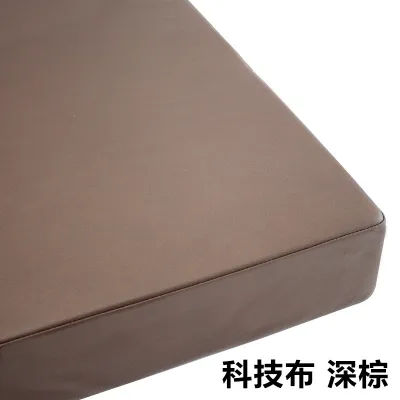
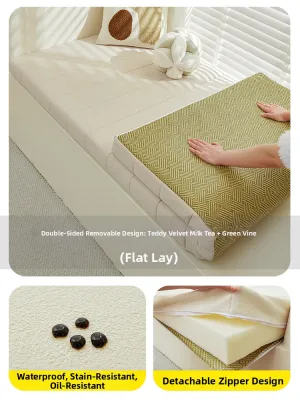
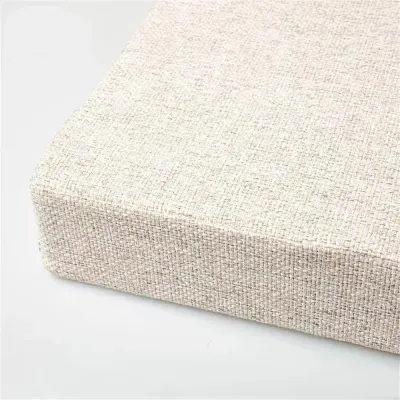
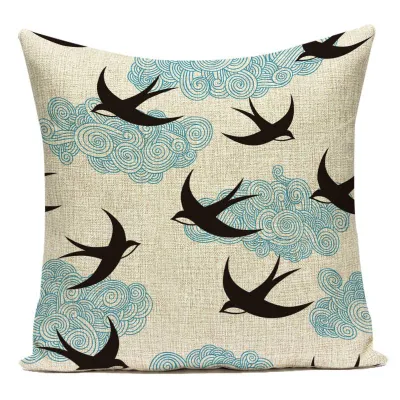
Prices are valid at publication and may change. Please refer to the product page for the latest price.
- Dye Sublimation: This process uses heat to transfer dye directly into the fabric fibers, typically polyester. It allows for full-bleed, edge-to-edge printing with vibrant, high-resolution photographic detail. Because the ink becomes part of the fiber, the print does not crack, peel, or stiffen the fabric over time.
- Direct-to-Fabric (DTF/DTG) Printing: This method injects ink directly onto the surface of natural fabrics like cotton or linen. It is highly suitable for detailed designs and multi-colored illustrations, though colors may appear slightly more muted than on synthetic fabrics, and the print can gradually fade after multiple washes.
- Screen Printing: Best reserved for bulk orders, screen printing applies thick layers of ink through a stencil. It offers excellent color accuracy and vibrancy for simple logos or bold, solid-color graphics, but it cannot reproduce gradients or photographs.
- Embroidery: For a premium, tactile feel, embroidery uses colored threads stitched directly into the fabric. This is highly durable and elegant, making it ideal for monogrammed initials, simple geometric patterns, or corporate logos, though it is restricted to smaller, less complex designs.
When selecting a provider, always verify their image resolution requirements. Most print-on-demand services require images to be at least 150 to 300 DPI (dots per inch) in CMYK color format to avoid pixelation and color shifting during production.
Fabric Choices and Fillings
The choice of fabric and filling determines not only how the cushion looks on your sofa but also how comfortable it is to use daily, especially in Singapore’s tropical climate.
- Synthetic Fabrics: Polyester blends, micro-velvet, and peach skin fabrics are highly durable, wrinkle-resistant, and essential for dye-sublimation printing. They are excellent for high-traffic areas or households with pets, though they may feel less breathable in humid conditions.
- Natural Fabrics: Linen, cotton canvas, and silk offer a premium, breathable feel and a sophisticated texture that complements high-end interior decor. These materials are typically decorated using embroidery, direct-to-fabric printing, or fabric applique.
- Polyester Fiberfill: The most common and affordable filling option. It provides a lightweight, bouncy loft but can clump over time with heavy use.
- Cluster Fiber: Made of tiny polyester fiber balls, this filling resists clumping better than standard fiberfill and mimics the soft feel of down.
- Memory Foam: Offers firm, ergonomic support, making it ideal for lumbar cushions or office chair back supports, though it retains more heat.
- Duck Feather Inserts: The gold standard for luxury home decor. Feather inserts provide a heavy, substantial feel and allow you to achieve the classic "chop" look on your cushions, though they require regular fluffing and must be protected from moisture to prevent odor.
Size, Shape, and Structural Customisation
Standard online platforms typically restrict orders to square dimensions, such as 40×40 cm or 45×45 cm. If your furniture requires a unique layout, specialized local studios offer much greater physical flexibility.
- Custom Shapes: Specialized makers can craft round, cylindrical (bolster), rectangular (lumbar), or completely custom-contoured cushions to fit specific chairs or bay window seats.
- Piping and Welting: Adding a contrasting fabric border or piping along the seams elevates the cushion's structure and gives it a tailored, professional finish.
- Zippers and Closures: High-quality cushions feature concealed or invisible zippers color-matched to the fabric, hidden along the bottom seam. This allows the cover to be removed easily for cleaning without disrupting the design.
- Double-Sided Customisation: Verify whether a brand offers double-sided printing or matching fabric on both sides. Some budget providers save on costs by using a plain, unprinted white or black backing fabric on the reverse side.
Types of Customisation Services Available in Singapore
The custom cushion market in Singapore is diverse, ranging from instant digital design portals to traditional upholstery workshops. To find the right provider, it helps to categorize them by their primary business model and target audience.

Online Print-on-Demand Platforms
Online print-on-demand (POD) platforms are designed for speed, convenience, and individual customization. Users can upload photos directly from their smartphone or computer, adjust the placement using an interactive web-based 3D preview tool, and place an order for a single item.
- Best For: Personal gifts, novelty photo cushions, and quick single-piece projects.
- Key Advantages: No minimum order quantity (MOQ), user-friendly design interfaces, and relatively low price points (typically ranging from S$20 to S$40 per cushion).
- Limitations: Fabric choices are almost exclusively limited to synthetic polyester blends to accommodate sublimation printing. The physical shapes are restricted to standard squares, and there is minimal room for custom structural details like contrast piping or custom-sized inserts.
Bespoke Home Decor and Upholstery Studios
For homeowners and interior designers seeking a high-quality customised cushion that matches specific furniture or drapery, local upholstery and bespoke decor studios in Singapore offer a personalized, hands-on service. These studios allow you to browse physical fabric books from international textile houses, ensuring perfect color coordination under your home’s lighting.
- Best For: High-end residential styling, custom bay window cushions, outdoor patio seating, and matching existing upholstery.
- Key Advantages: Access to premium natural fabrics (such as Belgian linen, cotton velvet, and outdoor-rated Sunbrella fabrics), precise custom sizing to the millimeter, and superior craftsmanship including reinforced seams and custom piping.
- Limitations: Significantly higher costs (often starting from S$80 to S$150+ per cushion depending on fabric choice), longer production lead times (typically two to four weeks), and the necessity of a physical or digital consultation to finalize specifications.
Corporate and Event Merchandise Suppliers
If you need to order cushions in bulk for a corporate branding campaign, a promotional giveaway, or a large-scale family event, merchandise suppliers are the most logical choice. These businesses are optimized for high-volume production and consistent quality control across hundreds of units.
- Best For: Corporate gifts, promotional events, hotel branding, and large-scale community projects.
- Key Advantages: Low per-unit costs when ordering in bulk, standardized packaging options, and consistent color matching for corporate brand guidelines.
- Limitations: High minimum order quantities (usually starting at 30 to 50 units), limited individual personalization (every cushion in the batch must share the same design), and limited fabric options, usually restricted to durable polyester or basic cotton canvas.
Evaluating Material and Print Quality for Long-Term Use
Investing in a custom product means you want it to last. Because custom cushions are non-refundable once printed or sewn, performing due diligence on material and construction quality before placing an order is essential. Use this quality checklist to evaluate potential providers:
- Removable Covers vs. Sealed Cushions: Always check if the cushion cover is removable. Budget providers often print and stuff the cushion, then sew it completely shut. This means you cannot wash the cover without washing the entire cushion, which can ruin the filling. Look for options with concealed zippers so you can easily remove the cover for laundering.
- Print Durability and Fade Resistance: Ask the provider about the wash-fastness of their prints. Dye-sublimation prints are highly resistant to fading because the ink is fused with the fibers. Direct-to-fabric prints on natural cotton or linen can fade slightly with hot water washes; these should be washed in cold water on a gentle cycle.
- Seam and Stitching Strength: Custom cushions undergo significant stress when sat on or leaned against. High-quality makers use overlocked or double-stitched seams to prevent fraying, especially along the zipper opening where the fabric is stretched during insert removal.
- UV Resistance for Outdoor Use: Singapore's intense tropical sunlight and high humidity can quickly fade prints and degrade fabrics. If your cushions are intended for a balcony, patio, or outdoor lounge, ensure the provider uses UV-resistant, water-repellent performance fabrics (like solution-dyed acrylics) and mildew-resistant polyester inserts. Standard indoor cotton or polyester will degrade and mold quickly in outdoor environments.
- Fabric Swatches and Sample Prints: If you are ordering a high-value bespoke cushion or a large batch for an event, ask the studio if they offer fabric swatches or a physical sample print. This allows you to verify the exact texture, weight, and color accuracy before committing to the full financial investment.
Decision Framework: Matching Your Needs to the Right Service
To finalize your decision, match your specific project requirements to the most appropriate service type in Singapore. This framework helps you balance budget, timeline, and material quality.
Choose an Online Print-on-Demand Platform if:
- You only need a single cushion or a small set of personalized gifts.
- Your design features a high-resolution photograph, digital artwork, or complex colorful graphics.
- You prefer a fast, automated ordering process with direct home delivery.
- You are comfortable with standard square sizes and synthetic fabrics like polyester or micro-velvet.
Choose a Bespoke Upholstery or Decor Studio if:
- You are decorating a specific room and require precise color matching with your walls, curtains, or existing furniture.
- You want premium, natural, or textured fabrics such as linen, velvet, or specialized outdoor-rated materials.
- You require non-standard dimensions, custom shapes, or high-end tailoring details like contrasting piping and hidden zippers.
- You prefer a consultative process where you can touch fabric samples and verify construction details.
Choose a Corporate or Event Merchandise Supplier if:
- You are ordering a large volume of cushions (typically 30 or more) with a unified design or corporate logo.
- Your primary goal is to minimize the cost per unit while maintaining professional presentation.
- You have a flexible timeline that accommodates bulk production and shipping schedules.
Before finalizing any custom order, always verify the following:
- Fabric Composition: Ensure the material matches your comfort and breathability expectations.
- Care Instructions: Confirm whether the item requires dry cleaning, gentle hand washing, or is safe for standard washing machines.
- Defect Policies: Since custom items are generally ineligible for standard returns, confirm the provider's policy regarding printing errors, incorrect sizing, or manufacturing defects.
Frequently Asked Questions (FAQ)
Can I use my own fabric for a custom cushion cover?
Yes, but this service is typically only offered by bespoke upholstery and custom sewing studios in Singapore, often referred to as using Customer’s Own Material (COM). These specialized workshops allow you to purchase fabric from an independent textile merchant and bring it to them to be professionally tailored into cushion covers. They will charge a labor or making fee based on the size and complexity of the design (such as adding piping or zippers). Conversely, online print-on-demand platforms cannot accept customer-supplied fabrics, as their automated printing machinery requires pre-treated, standardized synthetic fabrics to ensure proper ink absorption and color setting.
Are customised cushions machine washable?
Whether a customised cushion is machine washable depends entirely on the fabric composition and the printing technology used. Cushions made via dye-sublimation on polyester covers are highly durable and can generally be machine-washed on a gentle cycle with mild detergent without risk of fading or cracking. However, cushions made from delicate natural fibers like silk, wool, or heavily textured linen, as well as those featuring detailed embroidery or hand-painted elements, should never be placed in a washing machine. These premium options typically require spot cleaning, gentle hand washing in cold water, or professional dry cleaning. Always consult the care instructions provided by your specific manufacturer before washing.
Community discussion
Share your experience or ask a question. Comments are reviewed before publication.