
If you’re creating a Japandi-style home, choosing the right lighting is crucial. A well-selected pendant light from a brand like Daiyo can serve as a functional sculpture, unifying your space with its minimalist charm and warm glow. The best choices harmonize natural materials, simple forms, and soft, inviting light, acting as a deliberate focal point in an otherwise uncluttered room.
What Makes a Pendant Light Truly Japandi?
The Japandi aesthetic is a thoughtful fusion of Japanese rustic minimalism (wabi-sabi) and the warm, clean functionality of Scandinavian design. Far from being just a light source, a pendant in this style is a key decorative element. To determine if a Daiyo pendant light fits this vision, look for three essential characteristics.
First, prioritize natural textures. Materials like wood, rattan, bamboo, and paper-like diffusers connect your interior to the natural world. These materials add tactile warmth and visual interest that balances the minimalist philosophy of using fewer, more meaningful objects.
Products mentioned in this guide
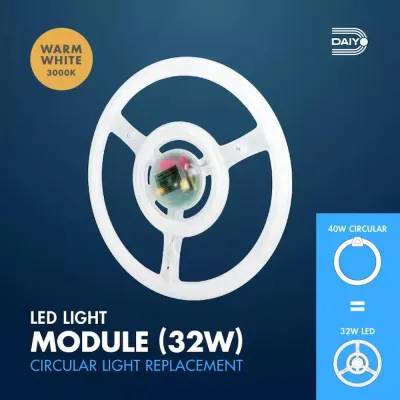
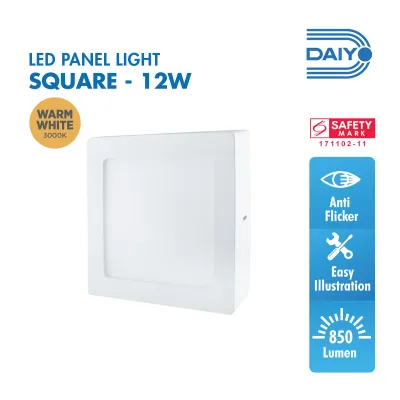
Prices are valid at publication and may change. Please refer to the product page for the latest price.
Second, the quality of light is paramount. Japandi interiors call for a warm, cozy, and inviting atmosphere. This typically means using bulbs with a color temperature between 2700K and 3000K. The light should be soft and diffused, not harsh or clinical, creating a serene ambiance that encourages relaxation.
Finally, the silhouette must be simple and intentional. Look for uncluttered forms, whether they are gentle organic curves or clean geometric shapes. In a Japandi room, where decor is sparse, the pendant light itself is a statement piece. Its form, material, and the light it casts are all part of the carefully curated design.
Top Daiyo Pendant Designs for Japandi Spaces
When exploring Daiyo’s collection for your Japandi home, focus on the material and form rather than ornate details. These categories will help you identify designs that align with the Japandi ethos of simplicity, nature, and function.

Woven Rattan and Bamboo Pendants
Woven pendants are a hallmark of organic, nature-inspired design. The interplay of light and shadow created by a rattan or bamboo shade can add a layer of dynamic texture to a room. When the light is on, it casts beautiful, intricate patterns on ceilings and walls; when off, the fixture itself serves as a natural sculpture.
When choosing a woven Daiyo pendant, consider the style of the weave. A tight, uniform weave often aligns more with the clean, orderly side of Scandinavian design and works well over a dining table or in a living room. A looser, more irregular weave can evoke a more rustic, wabi-sabi feel, perfect for a cozy reading nook or a relaxed bedroom setting.
Be mindful that these natural materials require some care. Woven shades can accumulate dust over time. Regular, gentle cleaning with a soft, dry brush or the brush attachment of a vacuum cleaner is necessary to keep them looking their best.
Minimalist Wood and Matte Metal Pendants
For a look that leans into the modern, functional side of Japandi, seek out pendants that combine the warmth of wood with the clean lines of metal. These fixtures often feature a simple wooden element—perhaps a cap, a ring, or a linear beam—paired with a matte black, white, or brushed brass shade or socket.
This combination is highly versatile. A single wood-accented pendant provides a minimalist focal point above a small round table, while a row of two or three can elegantly illuminate a kitchen island or a long dining table. The contrast between the natural grain of the wood and the smooth, industrial finish of the metal is central to the Japandi principle of balancing different textures.
Given Singapore’s humid climate, it’s wise to check the product specifications. Look for information confirming that any wood components are properly sealed or treated to resist moisture, ensuring the fixture remains in good condition for years to come.
Paper-Inspired and Frosted Glass Pendants
Soft, diffused light is essential for creating the serene atmosphere of a Japandi interior. Pendants with shades made from frosted glass, ribbed glass, or high-quality acrylic that mimics traditional Japanese rice paper are excellent choices for achieving this effect. These materials soften the light source, eliminating harsh glare and casting an even, gentle glow throughout the space.
These types of pendants are particularly well-suited for areas where you want to create a calm, intimate feeling, such as bedrooms, hallways, or cozy corners of a living room. The light they produce is similar to that which filters through a traditional shoji screen, promoting a sense of peace and tranquility.
When selecting one of these fixtures, a critical safety check is in order. Always look for the manufacturer’s label on the light fixture to verify the maximum recommended bulb wattage. Using a bulb that is too powerful can generate excess heat, which could potentially damage or discolor the glass or acrylic diffuser over time.
How to Size and Place Your Pendants Perfectly
Selecting the right pendant is only half the battle; positioning it correctly is what makes it feel integral to your space. Proper sizing and placement ensure the light is functional, proportionate, and contributes to the room’s overall harmony.
For a dining table, a useful rule of thumb is to choose a pendant with a diameter that is roughly one-half to two-thirds the width of your table. This ensures the fixture is substantial enough to make a statement but doesn’t overwhelm the setting. For a rectangular table, you might consider a long linear pendant or a series of smaller pendants.
Hanging height is just as important. The bottom of the pendant should typically hang between 70 cm and 90 cm above the surface of a dining table. This height is low enough to create a sense of intimacy and focus the light on the table, yet high enough that it doesn’t obstruct views or conversations across the table.
Consider scale and grouping to match your space. A single, large, sculptural pendant can act as the sole focal point in a living room with high ceilings. Over a kitchen island, a popular choice is to hang a linear series of two or three smaller, identical pendants. This creates a balanced, rhythmic look and provides even illumination for tasks.
Finally, think about visual weight. A pendant made of solid, dark wood will appear much heavier and more dominant than a light, airy rattan or paper fixture of the same size. Denser fixtures often need more negative space around them to feel balanced, while lighter ones can be grouped more closely or used in smaller rooms without feeling overpowering.
Essential Installation and Safety Checks in Singapore
Ensuring your new pendant light is installed safely and correctly is non-negotiable. This involves understanding local electrical standards and the structural considerations of your home, especially for HDB flats and condominiums.
First, confirm electrical compatibility. Singapore’s standard power supply is 230V at 50Hz. Most light fixtures sold by local retailers like Daiyo are designed for this standard. Also, check the bulb base type; the most common for pendants are the E27 and E14 screw-in bases. Make sure your chosen bulbs match the fixture’s requirements.
Next, address structural safety. Before hanging any fixture, you must be confident the ceiling can support its weight. This is particularly crucial for heavy pendants made of solid wood, metal, or glass. If you have a false ceiling, do not mount a heavy fixture directly to it. The mounting hook must be securely anchored into the solid concrete slab above. For HDBs and condos, it’s always best to verify your ceiling’s load-bearing capacity.
For any installation that involves hardwiring, modifying existing wiring, or hanging a particularly heavy fixture, it is strongly recommended that you hire a licensed electrician. This ensures the work is done safely, complies with all local regulations, and protects your home and family. Do not attempt complex electrical work yourself unless you are qualified.
Even for basic tasks like changing a lightbulb or cleaning a fixture, always practice basic electrical safety. Turn off the power to the circuit at your main distribution board (DB) or circuit breaker box before you begin.
Frequently Asked Questions (FAQ)
Can I use smart bulbs with Daiyo Japandi pendants?
Yes, in most cases, you can use smart bulbs with Daiyo pendants. As long as the smart bulb has the correct base (e.g., E27) to fit the fixture’s socket, it will work. This can be a great way to control brightness and color temperature to perfectly match your mood. However, you should never use a smart bulb in a fixture that is connected to a physical wall dimmer switch, as the conflicting dimming signals can cause flickering and may damage the bulb’s electronics.
How do I clean woven rattan or bamboo pendant lights?
For natural fiber shades, you should only use dry cleaning methods. Use a soft-bristled brush, a clean microfiber duster, or a vacuum cleaner with a soft brush attachment to gently remove dust. Avoid using wet cloths or liquid cleaning agents. Moisture can cause the natural fibers to warp, swell, or even develop mold, especially in Singapore’s humid environment.
Community discussion
Share your experience or ask a question. Comments are reviewed before publication.