
Selecting the right decorative art for your home requires balancing personal aesthetics with distinct architectural realities. Whether you live in a compact Housing & Development Board (HDB) flat or a high-rise private condominium, spatial limits, natural light, and tropical humidity play critical roles in determining which pieces will elevate your space rather than clutter it. By understanding how to work with your specific layout and environmental conditions, you can choose artwork that enhances your home’s design while remaining durable for years to come.
To make an informed decision, you must look beyond the visual appeal of a print or canvas. You need to consider the physical dimensions of your walls, the existing interior theme, and the structural requirements of installing art safely. This guide provides a practical framework for selecting, sizing, and preserving artwork tailored specifically to the unique characteristics of Singaporean residential spaces.
Assessing Spatial Constraints in Singapore HDB and Condo Layouts
Singaporean residential architecture presents distinct spatial characteristics that directly impact how you display artwork. Older HDB flats, constructed in the 1970s and 1980s, often feature ceiling heights of approximately 2.6 meters, which can feel visually restrictive if you hang oversized, dark paintings. Newer Build-To-Order (BTO) flats and modern condominiums frequently incorporate structural columns, household shelters, and bulkheads that segment your walls, leaving you with limited continuous vertical surfaces.
Products mentioned in this guide
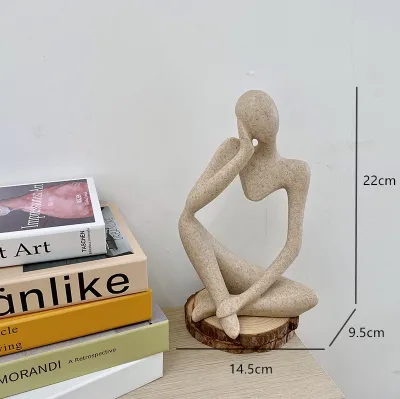
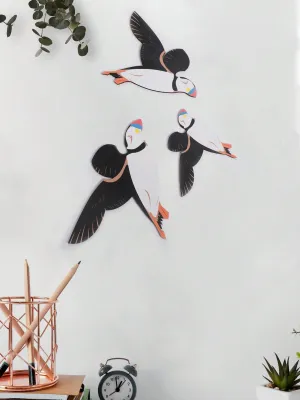
![[SG SELLER] Green Wall Artificial Backdrop Hanging Plant Leaves Decor Art Design Balcony Office Home Wall Plant](https://img.lazcdn.com/g/p/ae8d016afbda92477174419d44317a35.jpg_400x400q80.jpg_.webp)
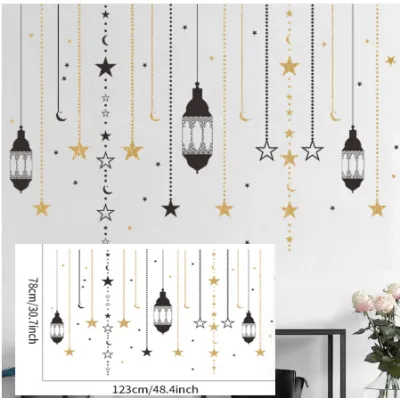
![[SG SELLER] 7/8/10 inch A4 Vintage Photo Frame Creative Table Wall Hanging Picture Frame Home Decor](https://img.lazcdn.com/g/p/748a9b224a748add79bdf6de4a3c6a99.jpg_400x400q80.jpg_.webp)
Prices are valid at publication and may change. Please refer to the product page for the latest price.
In modern condominium layouts, developers often prioritize floor-to-ceiling glass windows to maximize views and natural light. While this creates a bright, airy ambiance, it severely reduces the amount of solid wall space available for hanging art. The solid walls that do exist are often narrow strips between doors or adjacent to built-in wardrobes, requiring a careful approach to scale and composition.
These architectural factors dictate the visual weight of the art you should select. Visual weight refers to how much attention an object commands in a room. Large, highly detailed, or high-contrast pieces carry significant visual weight and can make a small living room feel cramped. Conversely, lighter compositions with ample negative space help push the walls visually outward, creating an illusion of depth and openness.
Before purchasing any artwork, establish a systematic evaluation framework for your target wall. Start by measuring the total width and height of the blank wall space, excluding areas blocked by furniture, light switches, air-conditioning units, or door frames. Note the primary light sources in the room: is the wall exposed to direct afternoon sun from west-facing windows, or does it receive soft, indirect ambient light? Understanding these physical parameters prevents you from buying pieces that are either dwarfed by their surroundings or overwhelmingly large.
Selecting the Right Decorative Art for Local Interior Themes
Popular interior design themes in Singapore—such as Scandinavian minimalism, Japanese-inspired Muji, warm Japandi, and sleek Modern Contemporary—rely on specific color palettes and textures. Your choice of decorative art should act as an extension of these design philosophies rather than an afterthought. The right piece coordinates with your furniture and architectural features to create a cohesive, intentional environment.

In many local homes, space optimization relies heavily on custom built-in carpentry, including full-height shoe cabinets, TV feature walls, and integrated study desks. Because these wooden structures dominate the visual landscape of the room, your wall art must coexist harmoniously with them. Choosing art that matches the undertones of your carpentry prevents the space from feeling visually chaotic or over-furnished.
Minimalist and Japandi Art for Clutter-Free Spaces
Minimalist and Japandi design themes prioritize simplicity, organic textures, and a sense of calm. For these spaces, line art, abstract ink washes, and subtle textured plaster pieces work exceptionally well. These styles rely on clean lines and organic shapes to add visual interest without introducing unnecessary noise to a compact living room or study.
Negative space is a critical component of minimalist art. The empty background surrounding the main subject provides visual “breathing room,” which is essential in smaller HDB layouts. This empty space allows the eyes to rest, making the entire room feel more organized, tranquil, and spacious.
To maintain this lightweight visual profile, pay close attention to the framing and finishes. Matte finishes—such as textured fine art paper or unglazed canvas—are highly recommended because they do not reflect glare from overhead LED downlights. Frame these pieces with thin, low-profile frames made of light oak, birch, or slim matte black metal to preserve the clean, unburdened aesthetic.
Botanical Prints to Enhance Natural Light
Incorporating biophilic design elements is an excellent way to bring a sense of nature into highly urbanized Singaporean apartments. Botanical prints featuring tropical fronds, eucalyptus leaves, or delicate watercolor florals complement Scandinavian and resort-style interiors, adding warmth and organic texture to the home.
To maximize the airy feel of your room, select botanical prints with clean white, off-white, or light beige backgrounds. These bright backdrops act as reflective surfaces, bouncing natural light from your windows deeper into the room. This simple visual trick makes your living area feel brighter and more connected to the outdoors.
However, you should avoid dense, dark forest scenes or botanical prints with solid black backgrounds in rooms with limited window access. In dimly lit areas, such as internal hallways or small bedrooms, these heavy compositions absorb what little light is available, making the space feel enclosed and somber. Keep dark botanical designs reserved for highly specific, well-lit feature walls.
Abstract and Geometric Pieces for Modern Themes
Modern Contemporary and Modern Luxury interiors often feature bold lines, metallic accents, and polished surfaces. Abstract color blocks and geometric patterns are ideal for these environments because they introduce personality, movement, and sophistication without relying on literal or old-fashioned imagery.
To ensure your abstract art looks integrated rather than accidental, limit the artwork’s color palette to two or three dominant tones. These colors should directly reference the accents already present in your room, such as the hue of your throw cushions, the metallic finish of your light fixtures, or the pattern of your area rug. This repetition of color establishes visual harmony across the space.
If you want to add depth to flat, uniform condo walls without introducing loud colors, consider textured canvas or mixed-media abstract pieces. Textured plaster art, heavy impasto brushstrokes, or layered paper designs catch light in subtle, shifting ways throughout the day, creating a dynamic focal point that remains sophisticated and understated.
Sizing and Placement Strategies for Optimal Wall Proportions
Achieving the correct scale is just as important as choosing the right artistic style. An undersized frame on a large wall looks lost and cheap, while an oversized canvas can make a room feel cramped and unbalanced. Proper scaling ensures your artwork integrates seamlessly with your furniture and architectural features.
When hanging art above a major furniture piece—such as a living room sofa, a bed headboard, or an entryway console table—apply the two-thirds rule. The total width of your artwork, or the combined width of a multi-piece set, should span approximately 60% to 75% of the width of the furniture below it. This ratio anchors the art to the furniture, creating a balanced, unified focal point rather than two disconnected elements.
| Placement Scenario | Recommended Art Layout | Visual Benefit |
|---|---|---|
| Above a 3-seater sofa | Single large canvas (approx. 120cm wide) or triptych set | Anchors the seating area, creates a clean focal point |
| Narrow HDB corridor | Grid of 3 to 4 small, matching frames | Encourages close-up viewing, adds rhythm to a transitional space |
| Condo double-height wall | Oversized vertical abstract piece or large diptych | Accentuates vertical space, emphasizes luxury proportions |
| Dining nook | Curated gallery wall with varied frame sizes | Adds personal character, defines the dining zone visually |
Gallery walls—which consist of a curated collection of smaller frames—are highly effective in narrow transitional spaces like HDB corridors, entryways, or cozy dining nooks. In these areas, viewers are physically close to the wall, allowing them to appreciate smaller details and personal photographs. Conversely, a single, large-scale statement piece is better suited for expansive condo living areas, where it delivers a clean, uncluttered, and sophisticated look from a distance.
The standard gallery guideline is to hang art so that its center point is 57 to 60 inches (approximately 145 to 152 cm) from the floor, representing average human eye level. However, in HDB flats with lower ceiling clearances, hanging the art slightly lower—around 54 to 56 inches—prevents the piece from feeling squeezed against the ceiling. If you are hanging art above low-profile, modular furniture, lowering the hanging height slightly ensures the art remains visually connected to the piece below it.
Before drilling any holes or applying adhesive strips, always map out your layout. Measure your wall and use blue painter’s tape to outline the exact dimensions of your frames on the wall surface. Leave this tape up for a day or two to evaluate how the scale, spacing, and placement feel from different viewing angles and seating positions in the room.
Finally, always consider structural safety and wall composition. HDB internal walls are often constructed from dense pre-cast concrete or structural columns that require a hammer drill and masonry wall plugs for secure mounting. Condo partition walls are frequently hollow drywall, which cannot support heavy frames unless you use specialized toggle bolts or hollow-wall anchors. If you plan to hang heavy framed art weighing over 5 kilograms, verify your wall type, use appropriate load-bearing hardware, and consult a qualified professional installer to prevent structural damage or injury.
Choosing Climate-Resistant Materials and Framing
Singapore’s tropical climate, characterized by high temperatures and relative humidity levels that frequently hover between 60% and 90%, poses a significant threat to home decor. Moisture in the air can cause paper prints to warp, canvas to sag, and mold spores to thrive behind glass frames. Selecting climate-resistant materials is essential to protecting your investment.
Avoid cheap, untreated MDF (medium-density fibreboard) frames, as they readily absorb moisture from the air, causing them to swell, warp, and disintegrate over time. Instead, opt for moisture-resistant framing materials such as anodized aluminum, high-quality synthetic polystyrene frames, or professionally sealed solid wood (such as teak, oak, or ash) that has been treated to resist rot and warping.
Direct sunlight from large condo windows can cause pigments to fade and paper to yellow. Protect your prints by choosing UV-blocking acrylic or glass glazing. Acrylic is particularly beneficial for local homes because it is lightweight, highly impact-resistant, and less prone to internal condensation than standard glass, making it much safer to hang in high-traffic areas or directly above a bed.
Never hang unprotected paper prints, delicate silks, or raw, unsealed canvases in high-humidity zones. This includes kitchens (where grease and steam accumulate), bathrooms, and walls directly adjacent to indoor laundry drying racks or air-conditioning units where rapid temperature fluctuations can cause moisture to condense on the frame.
Always review the manufacturer’s product specifications and care labels for explicit details on humidity and UV resistance. For routine maintenance, gently wipe your frames and acrylic glazing with a dry, clean microfiber cloth. Avoid using wet cloths, glass cleaners, or harsh chemical solvents, especially on unsealed canvas prints, as moisture penetration can dissolve inks and ruin the artwork.
Frequently Asked Questions (FAQ)
How high should I hang decorative art in an HDB living room?
For a standard HDB living room, hang your decorative art so that the center of the piece sits between 57 and 60 inches (145 to 152 cm) from the floor. If you are hanging the artwork directly above a sofa, ensure the bottom edge of the frame is positioned roughly 8 to 10 inches (20 to 25 cm) above the top of the sofa backrest. This spacing keeps the artwork visually anchored to your furniture rather than floating awkwardly on the wall.
Can I mix different art styles in a small condo bedroom?
Yes, you can mix different art styles in a small condo bedroom, but you must establish a unifying element to prevent the space from looking cluttered. Use matching frame colors and materials, identical matting widths, or a shared underlying color palette across the different pieces. To maintain a restful atmosphere conducive to sleep, avoid mixing too many high-contrast, busy, or visually heavy styles in a confined resting space.
Community discussion
Share your experience or ask a question. Comments are reviewed before publication.