
When dealing with the compact footprints of modern Singapore apartments, maximizing visual square footage is a primary design goal. Choosing the right mirrors wall installations is one of the most reliable ways to make a small HDB flat or condominium unit feel twice its actual size. Rather than undergoing expensive structural renovations to knock down walls, homeowners can use reflective surfaces to alter spatial perception, enhance natural light, and create a sense of architectural depth. Selecting the ideal setup involves understanding how different brand categories, materials, and installation methods perform within Singapore’s unique housing layouts and tropical climate.
How Mirrors Wall Designs Create the Illusion of Space
The science behind using mirrors wall installations to enlarge a room relies on basic optical physics. When light hits the highly reflective silvered backing of a mirror, it bounces back into the room rather than being absorbed by a solid wall. This reflection fools the human eye into perceiving a continuation of space, effectively doubling the visual depth of the room. In compact Singapore living rooms, placing a mirror opposite a window or a bright light source allows daylight to bounce deep into dark corners, eliminating shadows that typically make a room feel cramped and restrictive.
The physical characteristics of the mirror—such as its frame thickness, shape, and overall dimensions—greatly influence this spatial illusion. Large, frameless mirrors offer an uninterrupted reflection that blends seamlessly with the surrounding walls, often mimicking an open doorway or a glass partition. Conversely, grid-style paneled mirrors, which feature thin metal or wooden dividers across the glass, mimic the appearance of multi-pane windows. This architectural detailing adds visual interest and makes a solid wall feel like an exterior window looking out into another space, which can be highly effective in windowless dining alcoves or narrow entryways.
Products mentioned in this guide
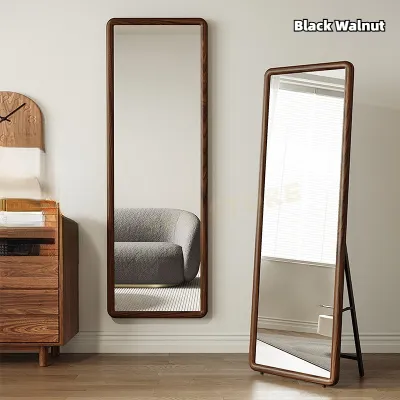
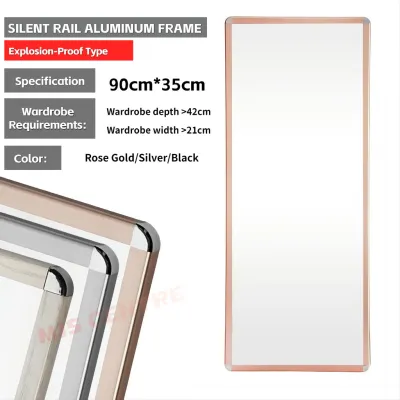
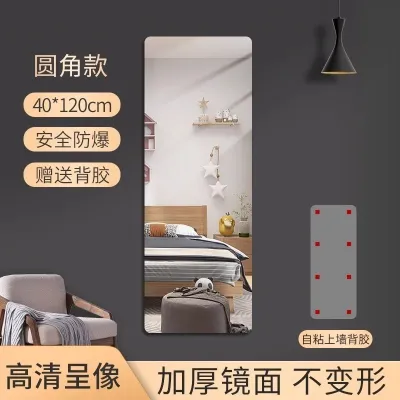

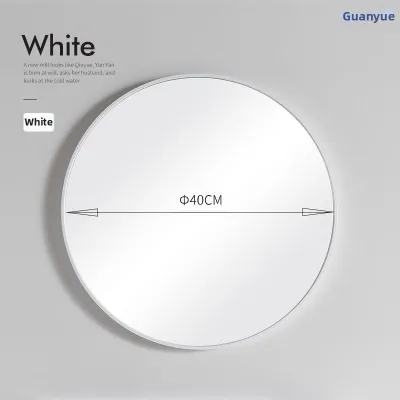
Prices are valid at publication and may change. Please refer to the product page for the latest price.
To achieve the best results in a small room, the placement strategy must focus on what the mirror will reflect. The primary goal is to capture and multiply open spaces, clean architectural lines, or outdoor views, rather than reflecting cluttered areas, open storage racks, or blank, unadorned walls. Reflecting a cluttered kitchen counter or a busy utility area will simply double the visual noise, making the room feel more chaotic and confined. Homeowners should carefully analyze the sightlines from key seating areas before finalizing the mounting position of any large reflective panel.
Where to Buy: Top Mirror Brand Categories in Singapore
Finding the perfect decorative mirror in Singapore requires navigating a diverse retail landscape. Homeowners can choose from industrial glass fabricators, global furniture giants, or curated local design boutiques, each offering distinct advantages depending on the budget, spatial constraints, and design goals of the project.

Custom Glass and Mirror Specialists
For homeowners seeking to maximize spatial expansion, custom glass and mirror specialists offer bespoke solutions that ready-made retail products cannot match. These local contractors can fabricate oversized, floor-to-ceiling, or wall-to-wall mirrors that fit perfectly into specific architectural niches, such as the end of a narrow HDB hallway or an awkward structural column in a condominium. By covering an entire wall with a custom-cut frameless mirror, you can create the convincing illusion of a “false wall” that opens up an entirely new room, a technique frequently used by interior designers in show flats.
The process of acquiring a custom mirror typically begins with an on-site consultation, during which professional installers take precise measurements of the wall. This step is critical because walls in Singapore residential buildings are rarely perfectly plumb or square; even a minor deviation of a few millimeters can cause unsightly gaps or uneven joints in a large mirror installation. After measurement, the glass is custom-cut, edge-polished, and transported to the site. Professional installation teams then secure the heavy glass panels directly to the wall using high-strength industrial adhesives and mechanical supports, ensuring a perfectly flush and safe fit.
While custom mirrors offer unparalleled spatial impact, they do come with specific limitations that homeowners must consider. Custom fabrication typically requires longer lead times, often taking anywhere from two to four weeks from measurement to final installation. The cost is also significantly higher than mass-produced retail options, with prices often starting at several hundred Singapore dollars and increasing based on glass thickness, beveling details, and installation complexity. Additionally, because these mirrors are permanently bonded to the wall, they cannot be easily removed or relocated, making them less suitable for rental properties or homeowners who anticipate frequent layout changes.
Global Home Furnishing Retailers
For standard HDB or condominium layouts, global home furnishing retailers offer a highly accessible and cost-effective route to sourcing decorative mirrors. Retailers such as IKEA, Castlery, and HipVan provide a wide array of ready-to-hang mirrors in standard sizes that are designed to complement contemporary interior styles. These brands frequently update their collections to reflect global design trends, offering everything from minimalist thin-profile metal frames to organic shapes and warm timber borders that add depth without visually dominating a small room.
One of the primary advantages of purchasing from global retailers is convenience. Standardized sizes mean that these mirrors are typically in stock and available for immediate purchase or quick delivery, allowing homeowners to complete their decor projects without lengthy waiting periods. Furthermore, these products are designed with the DIY enthusiast in mind, coming complete with clear installation guides, pre-installed mounting brackets, and standardized weight specifications. This makes it straightforward for homeowners to select a mirror that fits their specific wall space and aesthetic preferences.
However, when opting for ready-made mirrors from global retailers, it is crucial to verify the structural limits and mounting requirements of the product. Large statement mirrors can be surprisingly heavy, often exceeding 10 to 15 kilograms. Homeowners must carefully check the maximum weight limits of the included mounting hardware and ensure they use appropriate wall anchors rather than relying on basic nails or adhesive hooks. If the product instructions specify professional installation or require specific heavy-duty anchors, these guidelines must be strictly followed to prevent the mirror from falling and causing severe damage or injury.
Local Boutique Decor and Furniture Brands
Homeowners looking to inject personality and unique design elements into their small spaces should consider local boutique decor and furniture brands in Singapore. Independent retailers such as Born in Colour, Soul & Tables, and Journey East curate distinctive, design-forward mirrors that often double as functional art pieces. These boutiques frequently collaborate with local and regional designers to offer sculptural, asymmetrical, or organically shaped mirrors—such as pebble or teardrop designs—that draw the eye and act as captivating focal points.
By introducing a unique, eye-catching mirror shape, you can distract the viewer from the limited square footage of a room. Instead of focusing on the narrowness of a hallway, the eye is drawn to the elegant curves or artisan finishes of a boutique mirror, which creates a sense of curated luxury and deliberate design. Many of these local brands prioritize sustainable materials, such as reclaimed teak, hand-carved timbers, or brushed brass finishes, providing a level of craftsmanship and texture that mass-market products often lack.
When purchasing from local boutique brands, homeowners should inquire about specialized delivery and installation services. Because these artisan pieces are often fragile, heavy, or feature intricate, non-standard mounting systems, professional handling is highly recommended. Many local boutiques offer white-glove delivery services, where trained staff will transport, unpack, and safely mount the mirror in your desired location. While this service may incur an additional fee, it provides peace of mind and ensures that the delicate frame and backing are not damaged during transit or installation.
Key Specifications to Check Before You Buy
Selecting a decorative mirror involves more than just choosing an appealing frame; you must also evaluate the technical specifications of the glass and backing to ensure long-term durability and safety, particularly in Singapore’s humid tropical climate.
- Glass Thickness and Clarity: The thickness of the mirror glass is a critical factor determining both its safety and optical performance. For large wall-mounted mirrors, a glass thickness of 5mm or 6mm is highly recommended. Thinner glass, such as 3mm or 4mm, is more flexible and prone to bending when secured to a wall that is not perfectly flat. This slight flexing causes a subtle distortion in the reflection, which completely ruins the illusion of expanded space and can even cause eye strain or headaches over time. Thicker glass provides a rigid, distortion-free reflection and is significantly more resistant to accidental impacts.
- Edge Finishing: The way the edges of the mirror glass are finished affects both its aesthetic appeal and structural safety. Beveled edges feature an angled cut around the perimeter of the glass, which refracts light like a prism and creates an elegant, frame-like boundary without adding any physical weight or bulk. Polished flat edges are smooth, clean, and highly minimalist, making them the ideal choice for modern frameless designs or when multiple mirrors are installed side-by-side to create a seamless reflective wall. Seamed edges are lightly sanded to remove sharp corners but remain rough; these are only suitable when the mirror edge is completely hidden inside a protective frame.
- Backing and Moisture Resistance: Singapore's high relative humidity, which often hovers around 80% or higher, poses a significant threat to the longevity of mirrors. Over time, moisture and airborne contaminants can penetrate the protective backing of a mirror, causing a chemical reaction known as desilvering. This manifests as unsightly black spots or dark, creeping edges that ruin the mirror's appearance. To prevent this, look for mirrors labeled as "copper-free" or those featuring advanced epoxy or polyurethane protective backings. These materials offer superior resistance to oxidation and moisture, making them essential for mirrors placed in bathrooms, kitchens, or areas near open windows.
- Frame Material Durability: The durability of the frame material is equally important in a humid environment. Frame materials such as powder-coated aluminum, stainless steel, and high-quality plastics are highly stable and resist corrosion and moisture damage. If you prefer the warmth of natural wood, ensure the frame is made from treated hardwoods (like teak or oak) that have been sealed with a moisture-resistant lacquer. Untreated softwoods, cheap medium-density fibreboard (MDF), or low-grade laminates can absorb moisture from the air, leading to warping, swelling, mold growth, and eventual separation from the glass.
Safe Installation and Strategic Placement Tips
Properly mounting a large wall mirror is vital to ensure structural safety and maximize its spatial impact. A falling mirror poses a severe safety hazard, so homeowners must carefully assess their walls and follow safe installation practices.
- Wall Assessment: Before purchasing or mounting a mirror, you must identify the type of wall in your home. Most structural walls in Singapore HDB flats and condominiums are made of solid concrete or precast panels, which are highly stable but require a rotary hammer drill, masonry drill bits, and heavy-duty plastic wall plugs or expansion anchors to secure heavy loads. In contrast, internal partition walls in newer developments are often drywalls made of gypsum board mounted on metal or timber studs. Drywalls have much lower weight-bearing capacities and require specialized hollow-wall anchors, spring toggles, or direct mounting into the wall studs to prevent the mirror from tearing through the plasterboard.
- Professional Help: While hanging a small, lightweight mirror can be a straightforward DIY task, installing oversized, exceptionally heavy, or high-placed mirrors requires professional expertise. If a mirror weighs more than 15 kilograms, features a complex mounting system, or is being installed in a challenging location (such as high on a double-volume ceiling or above a delicate piece of furniture), you should hire a qualified handyman or professional installation service. These professionals have the specialized tools, load-rated fasteners, and experience necessary to ensure the mirror remains permanently and safely anchored to the wall.
- Electrical Safety: Drilling into walls carries the risk of puncturing hidden utility lines. In Singapore homes, electrical conduits and water pipes are often embedded directly within concrete walls or run behind drywall partitions. Before drilling any holes for mirror brackets, always use a digital wall scanner or stud finder with live-wire detection to map out the area. Pay close attention to the positioning of light switches, power outlets, and air-conditioning trunking, as electrical cables typically run vertically or horizontally from these fixtures. If you are uncertain about the location of utilities, consult a qualified professional to avoid catastrophic electrical shocks or water damage.
- Placement Strategy: To get the most out of your mirror, avoid placing it directly opposite west-facing windows or areas that receive harsh, direct afternoon sunlight. Intense sunlight can cause blinding glare, making the room uncomfortable to sit in, and the localized heat buildup can damage the mirror's backing adhesive over time. Instead, position the mirror adjacent to windows or opposite light-colored walls to gently diffuse natural light throughout the room. Additionally, ensure the mirror does not directly face cluttered shelving, laundry racks, or open storage areas, as this will visually double the clutter and make your small room feel even more crowded.
Frequently Asked Questions (FAQ)
What is the ideal height to hang a wall mirror in a small room?
As a general design rule, the center of a wall-mounted mirror should hang at average eye level, which is approximately 145cm to 150cm from the floor. This height ensures that most people can comfortably view themselves without straining or bending. If you are hanging a mirror above a piece of furniture, such as a living room console table or an entryway shoe cabinet, leave a proportional gap of about 15cm to 20cm between the bottom of the mirror frame and the top of the furniture. This gap prevents the mirror from looking crowded and allows space for decorative items to be displayed on the tabletop without blocking the reflective surface.
How do I clean decorative mirrors without damaging the frame or backing?
To maintain the crystal-clear reflection of your mirror without causing damage, always use a soft, lint-free microfiber cloth and a mild, non-ammonia-based glass cleaner. Avoid spraying the cleaning solution directly onto the mirror surface, as the liquid can run down the glass and seep behind the frame or into the edges. This accumulated moisture can attack the silver backing, leading to desilvering and black edge spots. Instead, spray a small amount of cleaner onto the microfiber cloth first, gently wipe the glass in a circular motion, and immediately buff it dry with a second, dry microfiber cloth to prevent streaks.
Community discussion
Share your experience or ask a question. Comments are reviewed before publication.