
To make a typical HDB living room feel significantly more spacious and bright, the most effective solution is a large, thin-framed or frameless arched decorative mirror. Positioning a mirror that spans approximately two-thirds the width of your sofa or console table creates an immediate illusion of depth, softening the rigid, rectangular lines common in Singapore housing layouts. By reflecting natural light and open pathways, the right mirror choice transforms a compact communal area into an airy, welcoming space.
How to Measure Your HDB Wall for the Perfect Fit
Before purchasing a decorative mirror, you must accurately assess your available wall space to ensure the piece enhances rather than crowds your living room. HDB flats present unique spatial characteristics. For instance, modern 4-room and 5-room BTO (Build-To-Order) units generally feature standard ceiling heights of approximately 2.6 to 2.8 meters. Older resale flats may offer slightly different vertical clearances, sometimes interrupted by structural beams or lower-hanging utility pipes.
To find the ideal dimensions, start by measuring the exact width and height of the clear wall area where you plan to mount the mirror. A common design error is filling the entire wall surface, which results in a cramped, claustrophobic aesthetic. Instead, you should leave a comfortable margin of “breathing room”—ideally at least 15 to 30 centimeters of open wall space—around all edges of the mirror. This boundary ensures the mirror looks like a curated design choice rather than an ill-fitting structural addition.
Products mentioned in this guide
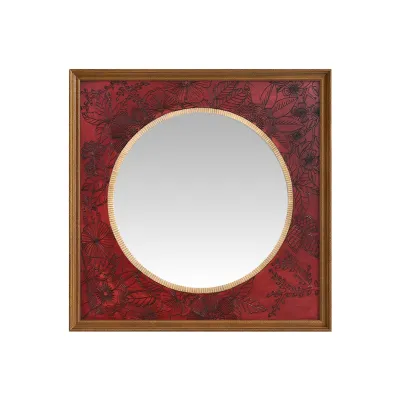
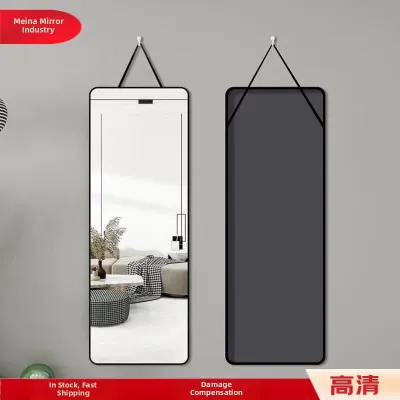
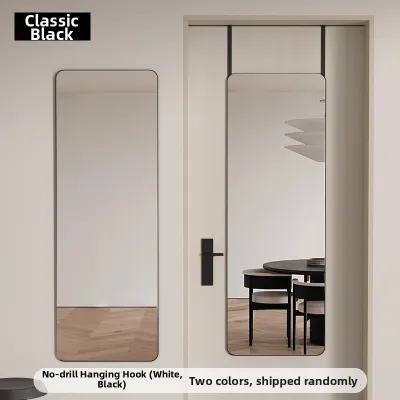
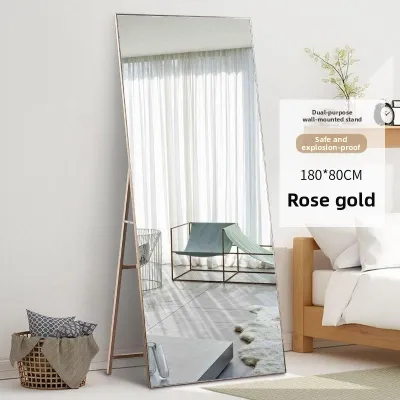
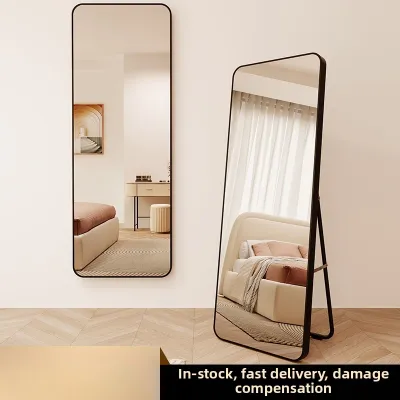
Prices are valid at publication and may change. Please refer to the product page for the latest price.
Additionally, look out for existing architectural and utility features that might restrict your installation. In Singapore homes, these frequently include surface-mounted electrical trunking, light switches, air-conditioning conduits, or built-in carpentry like shoe cabinets and TV consoles. Ensure your measurements account for these fixtures so the mirror can hang flat and centered without interfering with daily home operations.
Ideal Mirror Sizes Based on Furniture and Wall Proportions
Achieving visual balance in an HDB living room requires coordinating the size of your mirror with the furniture directly below or adjacent to it. If you plan to hang a mirror above a major piece of furniture, such as a three-seater sofa, a sideboard, or an entryway console table, apply the “two-thirds rule.” This interior design guideline suggests that the width of the mirror should be approximately 60% to 75% (roughly two-thirds) of the width of the furniture beneath it. This proportion anchors the mirror to the furniture, creating a unified focal point rather than two disconnected elements.

When deciding between a single large statement mirror and a curated gallery wall of smaller mirrors, a single large piece is almost always superior for expanding a compact space. While a gallery wall of small mirrors can look charming, the multiple frames segment the reflection, which can make a small room feel busy and visually fragmented. A single, expansive reflective surface provides an uninterrupted view that effectively mimics a window, making the living room feel twice its actual size.
To calculate the right reflective surface area, aim for a mirror that occupies enough visual real estate to bounce light across the room without overwhelming the space. For a standard HDB living room wall, a mirror measuring between 80 to 120 centimeters in diameter (for round shapes) or 90 by 120 centimeters (for rectangular shapes) generally provides the optimal balance. This size is substantial enough to capture and distribute ambient light without dominating the entire wall or clashing with your existing decor.
Shapes and Frame Styles That Create an Airy Atmosphere
The physical geometry and framing of a decorative mirror play a critical role in how light and space are perceived. Heavy, dark materials absorb light and draw the eye inward, whereas sleek, minimalist designs allow the gaze to flow naturally across the room, enhancing the overall sense of openness.
Choosing the Right Shape for Your Sightlines
Different mirror geometries affect the visual flow of your living room in distinct ways. Rectangular mirrors are highly versatile; when hung horizontally (landscape), they visually stretch the width of a narrow wall, making the living room feel wider. When hung vertically (portrait), they draw the eye upward, emphasizing vertical space and making standard HDB ceilings feel loftier.
Conversely, round and arched mirrors are exceptionally effective at softening the sharp, rigid angles typical of HDB architecture. Because most flats feature prominent structural columns, square window frames, and boxy layouts, introducing organic curves through an arched or circular mirror breaks up the monotony. This architectural contrast creates a smoother, more relaxed visual transition as you move through the living space.
Selecting Frames That Keep the Room Feeling Light
To maximize the reflective area and maintain an airy atmosphere, prioritize frameless designs, beveled-edge mirrors, or ultra-thin metal frames. Frameless mirrors blend seamlessly into the background, creating a borderless transition that makes the wall feel as though it opens directly into another room. Thin metal frames in brushed brass, matte black, or satin silver add a touch of modern sophistication without occupying valuable visual weight.
If you prefer a framed look to match a specific interior style, such as Scandinavian, Japandi, or modern organic, opt for light-toned wood finishes like white oak, ash, or birch. These light, natural textures complement a bright color palette beautifully. Avoid thick, heavily carved, or dark-stained frames, as these dense materials act as visual roadblocks, trapping light and making a compact HDB living room feel smaller and more enclosed.
While simple frameless mirrors are highly budget-friendly, often starting under S$100 in local home decor stores, premium metal-framed or custom-sized options can range from S$300 to over S$600. Investing in a high-quality, lightweight frame ensures durability and safety over years of use.
Strategic Placement to Bounce Light and Add Depth
Where you position your mirror is just as important as its size and style. Proper placement maximizes the distribution of natural light and creates a convincing illusion of depth.
To achieve the brightest possible layout, place your mirror on a wall directly opposite or adjacent to a primary window. This positioning allows the mirror to capture incoming daylight and bounce it deep into the darker corners of your HDB flat. This is particularly beneficial for units that face inner courtyards or have deep access corridors that limit direct sunlight.
When planning the placement, carefully consider what the mirror will reflect. A mirror essentially doubles whatever is in its line of sight. To enhance the feeling of open space, position the mirror so it reflects a pleasant, tidy view, such as indoor houseplants, a well-styled dining area, or an open balcony. Avoid placing a mirror where it directly reflects high-clutter zones, such as open kitchen shelving, shoe racks near the main entrance, or dark, narrow hallways, as this will inadvertently double the visual clutter in your home.
For installation height, the general rule of thumb is to position the center of the mirror at average eye level, which is approximately 1.5 meters (60 inches) from the floor. However, safety must be your primary concern when mounting heavy decorative items. HDB walls vary significantly by construction type. Structural walls and household shelter (bomb shelter) walls are made of reinforced concrete, which requires a hammer drill, masonry drill bits, and heavy-duty plastic or metal wall plugs to support suspended loads securely.
In contrast, internal partition walls in newer BTO flats are often made of lightweight drywall or hollow blocks. Mounting a heavy mirror on drywall requires specialized toggle bolts or locating the internal metal studs for secure anchoring. Because a heavy mirror constitutes a significant suspended load, you must prioritize structural safety. Before mounting, check the mirror manufacturer’s weight limits and installation instructions. If your flat has custom wallpaper or delicate wall treatments, verify compatibility first. If the manufacturer’s instructions conflict with your wall type, or if you are unsure of the wall’s structural integrity, stop the installation immediately and consult a qualified professional handyman or structural engineer.
Common Sizing and Hanging Mistakes to Avoid
Avoiding common decor pitfalls will ensure your decorative mirror functions as intended to enhance your HDB living room’s spatial quality.
One frequent mistake is choosing a mirror that is far too small for a large, blank wall—often referred to as the “postage stamp” effect. A tiny mirror on a vast wall looks disjointed, gets lost in the space, and fails to reflect enough light to make a meaningful difference. If you have a large empty wall, commit to a properly proportioned statement piece.
Another error is hanging the mirror too high. When a mirror is mounted close to the ceiling, it primarily reflects the upper, darker portions of the room, ceiling fans, or air-conditioning units rather than the active living space. This high placement disrupts the natural sightline and fails to connect with the room’s furniture.
Finally, never ignore what is directly opposite the mirror. Placing a mirror opposite a cluttered utility area or a messy study desk will make your living room feel twice as disorganized. Always test the reflection from various seating angles in the room before drilling permanent holes.
Frequently Asked Questions (FAQ)
Can I use a freestanding floor mirror instead of a wall-mounted one in an HDB?
Yes, a freestanding or leaning floor mirror is an excellent alternative, especially for renters who want to avoid drilling into concrete walls. Leaning mirrors can add vertical drama and a relaxed, contemporary feel to your living room. However, they do consume valuable floor space, which can be a premium in smaller HDB layouts. If you have young children or pets, you must secure the top of the leaning mirror to the wall with safety anchors to prevent accidental tipping.
How high should I hang a decorative mirror above a console table?
When styling a mirror above a console table, aim for a clearance gap of approximately 15 to 20 centimeters (6 to 8 inches) between the bottom of the mirror frame and the top of the table. Hanging the mirror within this range ensures that the two pieces read as a cohesive, balanced vignette. If the gap is too wide, the mirror will appear to float awkwardly on the wall, breaking the visual connection with your furniture.
Community discussion
Share your experience or ask a question. Comments are reviewed before publication.