
In Singapore’s urban landscape, where modern apartments—from newly built BTO flats to compact condominiums—often feature limited square footage, space optimization is a primary design goal. Standard layouts frequently present challenges such as narrow entryways, long corridors, and combined living-dining zones that can feel restrictive if not styled thoughtfully. To mitigate these spatial limitations, interior designers regularly rely on optical techniques rather than costly structural alterations. Incorporating a strategically positioned mirror with hanger is one of the most effective, reversible methods to instantly alter the perception of space in a home.
The transformative power of a mirror lies in fundamental optical principles. When light—whether natural sunshine streaming through a balcony sliding door or artificial light from track fixtures and pendant lamps—strikes a reflective surface, it bounces back into the room instead of being absorbed by dark walls. This scattering of light instantly brightens dim corners and elongates narrow corridors, making the entire layout feel airy and open. Furthermore, a mirror creates visual depth. By reflecting the opposite side of a room, it tricks the human eye into perceiving a secondary space beyond the physical wall, effectively doubling the visual boundaries of a compact living or dining area.
In typical Singaporean layouts, the entryway is often a narrow passageway flanked by a household shelter door or a shoe cabinet. Placing a mirror with hanger in this zone immediately breaks the visual bottleneck, making the transition from the outside world into your home feel seamless and open. Similarly, long, windowless corridors leading to bedrooms can feel like dark tunnels. A well-placed hanging mirror at the end of the hallway or along the side wall catches light from the living room, transforming a purely functional transition zone into an elegant, bright gallery space.
Products mentioned in this guide
![[SG Ready Stocks] Full Length Mirror Standing Hanging Nordic Mirror Aluminium Frame Tall Removable Big Mirror](https://img.lazcdn.com/g/p/113357e90d7fcbbd9862b7bb5120d14d.jpg_400x400q80.jpg_.webp)
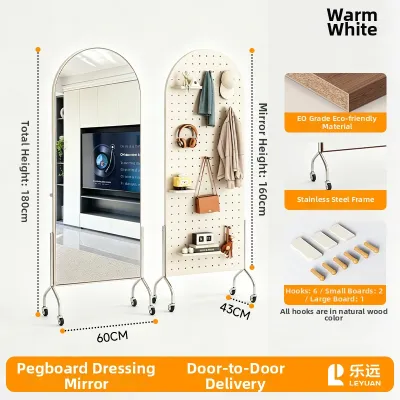
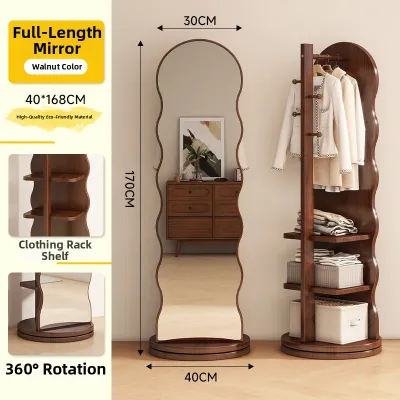
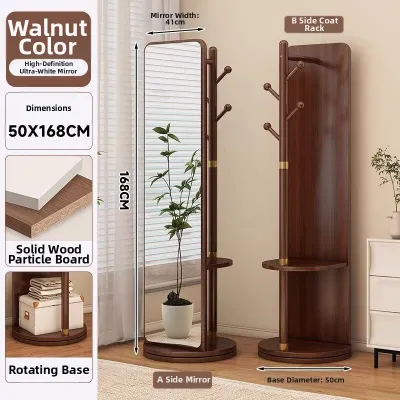
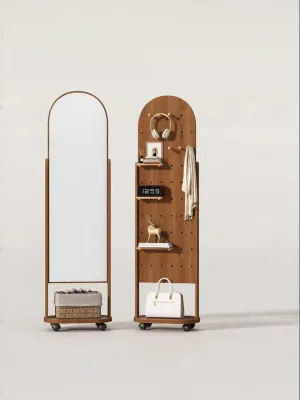
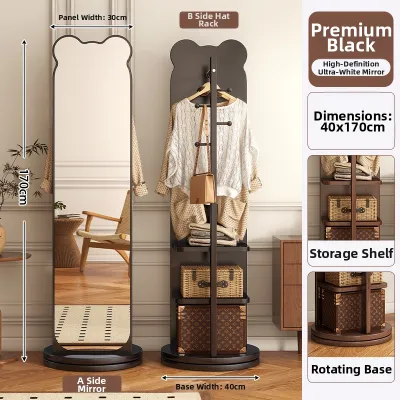
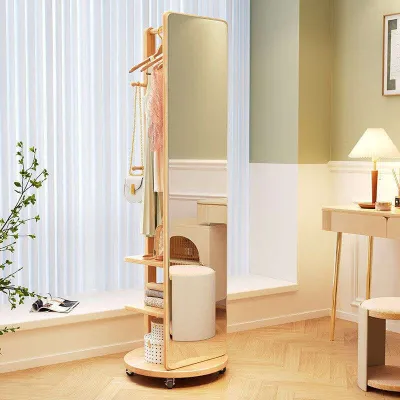
Prices are valid at publication and may change. Please refer to the product page for the latest price.
While permanent, floor-to-ceiling mirror cladding is a popular choice in Singapore, it comes with significant drawbacks, including high installation costs, permanent alteration of the wall, and the hassle of removal when moving out. This is where a high-quality mirror with hanger offers a superior alternative. It provides the same space-expanding benefits while maintaining complete flexibility. For renters who cannot make permanent modifications, or for homeowners who enjoy updating their decor periodically, a hanging mirror can be easily relocated, swapped, or taken along to a new home without committing to permanent carpentry.
What to Look for in a Space-Enhancing Mirror with Hanger
Selecting the ideal mirror to expand a compact room requires more than simply choosing an attractive design. To achieve the desired spatial illusion without overwhelming your living area, you must evaluate several key physical characteristics, ranging from scale and framing to weight limits and structural compatibility.
Size and Proportion A common mistake in small apartments is choosing a mirror that is too small, which can look like an afterthought and fail to reflect enough light to make an impact. Conversely, an excessively massive mirror can overwhelm the scale of a compact room. A reliable guideline is to select a mirror that covers approximately two-thirds to three-quarters of the width of the furniture below it, such as a console table or entryway bench. If you are hanging a standalone mirror on a blank wall, aim for a piece that occupies a significant portion of the vertical wall space, leaving comfortable breathing room of about 15 to 20 centimeters from the ceiling and adjacent walls to maintain a balanced look.
Frame Thickness and Material The frame of a mirror plays a major role in how heavy it feels visually. Thick, ornate, or dark wooden frames tend to draw attention to the boundaries of the mirror, which can make a small room feel more enclosed. To maximize the illusion of space, look for frameless designs or mirrors with slim, minimalist profiles. Thin metal frames in brass, black, or chrome, as well as light-colored woods like oak or birch, provide structural support without creating a heavy visual border. In Singapore’s humid tropical climate, frame material selection also impacts longevity; rust-resistant metals like anodized aluminum or powder-coated stainless steel are ideal for resisting moisture-induced degradation.
Hanger and Weight Capacity Before purchasing any mirror, you must verify its total weight and ensure the integrated hanging mechanism can support it. Many decorative mirrors feature pre-installed D-rings, wire hangers, or bracket systems on the back. You must compare the manufacturer’s weight specifications against the rated capacity of your wall anchors and hangers. In Singapore, wall construction varies significantly: structural walls are typically solid concrete, while internal partition walls are often hollow drywall. Hanging a heavy mirror on drywall without the appropriate heavy-duty anchors can lead to structural failure and damage to your home.
Shape and Edges The architectural lines of typical HDB flats and condominiums are characterized by rigid, straight lines and sharp right angles. Introducing a mirror with curved or organic edges can soften these harsh lines, creating a more relaxed and inviting atmosphere. While rectangular mirrors are highly efficient at maximizing the total surface area of reflection, round, arched, or asymmetrical shapes add visual interest and break up the boxy feel of a compact room. Consider the existing furniture and architectural elements in your space to decide whether a geometric or organic shape will best complement your design scheme.
Ventilation and Humidity Resistance In addition to structural and aesthetic choices, Singapore’s high humidity levels require special attention to how a mirror is mounted. A mirror with hanger naturally sits slightly away from the wall surface, creating a small air gap of a few millimeters. This gap is highly beneficial as it allows air to circulate behind the glass, preventing moisture from becoming trapped against the silver backing. Trapped moisture can lead to silvering rot—the unsightly black spots or cloudy patches that often develop around the edges of poorly ventilated mirrors. Choosing a hanging mirror over direct wall-glued cladding ensures your decorative investment remains clear and pristine for years to come.
Best Decorative Mirror Styles for Small Living Spaces
To help you choose the right aesthetic and functional fit for your home, we have broken down the most effective decorative mirror styles that maximize visual space, along with their ideal placement, benefits, and limitations.

Arched and Pill-Shaped Mirrors
Arched and pill-shaped mirrors have become staple elements in modern Singaporean interior design, blending classic architectural elegance with contemporary minimalism. These styles feature a flat bottom edge with a gracefully curved top, offering a unique silhouette that draws the eye upward.
- Best For: Narrow entryways, small foyers, or walls directly adjacent to main windows.
- Why It Works: The curved top of an arched mirror breaks up the rigid, horizontal ceiling lines common in HDB flats. By guiding the viewer's gaze vertically, it creates an illusion of higher ceilings, making a standard 2.6-meter ceiling feel significantly loftier. When placed in an entryway, it provides a convenient spot for last-minute appearance checks while immediately opening up the transition zone of your home. To enhance this effect, pair the mirror with a slim console table and a small potted plant like a snake plant; the reflection of the greenery adds natural texture and depth to the foyer.
- Limitations: The distinct curved silhouette may not align well with ultra-modern, industrial, or strictly geometric design themes that rely heavily on sharp, straight lines and raw textures.
Oversized Frameless or Slim-Profile Rectangles
If your primary goal is to maximize the amount of reflected light and create the most dramatic illusion of depth, an oversized rectangular mirror with a frameless or ultra-slim profile is the most effective option.
- Best For: Living room feature walls, dining areas behind the dining table, or at the end of a short hallway.
- Why It Works: By eliminating a thick frame, these mirrors allow the reflection to extend to the very edge of the glass, creating an uninterrupted view. When placed opposite a window or a well-lit balcony, a large rectangular mirror acts almost like an additional window, doubling the perceived depth of the room and bouncing natural light deep into the living space. In a dining area, placing a long rectangular mirror horizontally above a sideboard reflects the dining table and your guests, creating a convivial, spacious atmosphere.
- Limitations: Because of the large, continuous glass surface, dust, smudges, and fingerprints are highly visible, requiring regular cleaning with a microfiber cloth. Additionally, frameless mirrors must have high-quality beveled or polished edges to prevent accidental cuts during handling and installation.
Large Round and Asymmetrical Organic Shapes
Round and asymmetrical pebble mirrors offer a softer, more artistic approach to space expansion. These fluid shapes act as functional wall art, bringing a sense of movement and natural flow to rigid interiors.
- Best For: Positioning above a small sofa, hanging in compact dining nooks, or centering over a console table in the living room.
- Why It Works: Circular and organic shapes interrupt the repetitive right angles of doors, windows, and cabinetry in compact apartments. This softening effect makes a tight layout feel less boxy and more organic. A large round mirror with a slim brass or black hanger serves as an elegant focal point that draws attention away from the room's limited square footage. For a cozy dining nook, try hanging a round mirror and placing a warm LED pendant light nearby; the reflection of the warm glow will make the dining space feel incredibly inviting and visually twice its size.
- Limitations: Due to their curved profiles, round and organic mirrors offer less total reflective surface area compared to a rectangular mirror of the exact same width, meaning they reflect slightly less light and visual space.
Grid or Panelled Wall Mirrors
Grid or panelled mirrors, often referred to as window-pane mirrors, consist of multiple smaller mirror panels arranged within a grid frame. This style mimics the look of classic multi-pane exterior windows.
- Best For: Large, blank walls in the living or dining room that require texture and depth without the heavy visual weight of solid furniture or busy wallpaper.
- Why It Works: The grid structure creates a powerful architectural illusion, suggesting that the mirror is actually an open window looking out onto another room or an outdoor courtyard. This adds layers of depth and interest to a plain wall, making the apartment feel more expansive and architecturally sophisticated. It is an excellent choice for homes styled in modern farmhouse, classic European, or transitional design aesthetics, where the grid lines add a touch of timeless character.
- Limitations: The intersecting grid lines fragment the reflection, making this style less suitable for areas where you need a clear, continuous reflection, such as a grooming station or a vanity area.
Choosing the Right Hanger and Installation Method for Your Walls
Hanging a mirror securely in a Singaporean home requires a clear understanding of your wall construction and the appropriate hardware. Because mirrors are heavy and fragile, improper installation poses a significant safety risk.
Identifying Your Wall Type The first step in any installation is determining what material lies behind your paint or wallpaper. You can consult your HDB floor plan to identify structural walls, which are indicated by thick, solid black lines.
- Solid Concrete Walls: Most structural walls, columns, and precast panels in HDB flats and condominiums are made of reinforced concrete. These walls are extremely hard and require a rotary hammer drill with masonry drill bits to penetrate. Standard impact drills will struggle and may burn out their motors when attempting to drill into these high-density concrete walls.
- Drywall or Partition Walls: Typically used for internal partition walls, bedroom dividers, or false ceilings in newer condos and renovated HDB flats. These walls sound hollow when tapped and cannot support heavy loads without specialized anchors.
Selecting the Right Hardware Once you have identified your wall type, you must select the appropriate mounting hardware that matches both the wall material and the mirror’s weight.
- For Concrete Walls: Use high-quality plastic wall plugs (often referred to as rawlplugs) paired with matching steel screws. When drilling into concrete, ensure you drill slightly deeper than the length of the plug, vacuum out the concrete dust from the hole, and tap the plug in flush with the wall surface before driving the screw. For exceptionally heavy mirrors, heavy-duty sleeve anchors or concrete screws are recommended to ensure a permanent, secure hold.
- For Drywall: Never use standard plastic plugs, as they will pull straight out of the plasterboard under tension. Instead, use hollow wall anchors, spring toggle bolts, or heavy-duty self-drilling drywall anchors that expand behind the board to distribute the weight across a larger surface area.
Hanger Mechanisms The style of hanger on the back of your mirror determines how it should be mounted to the wall:
- D-Rings: Two separate metal rings mounted on the left and right sides of the mirror frame. This method is highly stable and prevents the mirror from tilting, but it requires extremely precise measuring and leveling of the wall screws. Even a millimeter of deviation can result in a visibly crooked mirror.
- French Cleats: A two-part interlocking bracket system where one bar is secured to the wall and the other is attached to the back of the mirror. This is the most secure method for heavy or oversized mirrors, as it distributes weight evenly across a horizontal line and makes leveling simple.
- Wire Hangers: A wire strung between two D-rings. While easy to hang on a single wall hook, wire hangers can cause the mirror to tilt forward at the top and put uneven stress on a single point, making them less suitable for heavy mirrors.
Safety Boundaries Before starting any drilling project, check the manufacturer’s installation instructions for both the mirror and the mounting hardware. If you encounter conflicting guidelines, or if you are unsure of the wall material, stop and consult a qualified professional. Always use a digital stud finder with a live wire and pipe detection feature before drilling into any wall to avoid puncturing concealed electrical conduits or water pipes, particularly near DB boxes (distribution boards), light switches, or bathrooms. If your mirror is exceptionally heavy (typically over 15 kilograms), oversized, or needs to be mounted at height, it is highly recommended to hire a professional local handyman who has the correct tools and experience to complete the installation safely. Attempting to lift and hang a heavy mirror alone can result in personal injury or damage to your home’s walls and flooring.
Frequently Asked Questions (FAQ)
Where is the best wall to place a mirror to make a small room look bigger?
The most effective position for a space-expanding mirror is on a wall perpendicular or adjacent to your main windows or balcony doors. This placement allows the mirror to capture incoming natural light and bounce it deep into the darker corners of the room. Avoid hanging a mirror directly opposite a cluttered shelf, a utility shelter door, or a blank, dark wall, as this will simply double the visual clutter or emphasize the lack of light, defeating the purpose of the mirror.
Are frameless mirrors safer to hang than heavy framed ones in older HDB flats?
Hanging safety depends primarily on the structural integrity of the wall and using the correct mounting anchors, rather than the presence of a frame. While frameless mirrors are often lighter because they lack heavy timber or metal borders—which reduces the continuous load on your wall plugs—they have vulnerable edges. Frameless glass requires highly careful handling during installation to prevent edge chipping, which can lead to stress fractures and eventual shattering. For older HDB flats with aged concrete or plaster, always inspect the wall surface for flaking or hollow spots before drilling, and use high-quality masonry anchors.
Community discussion
Share your experience or ask a question. Comments are reviewed before publication.