
Selecting the right decorative statue style for your Singapore home depends on aligning the sculpture’s material, form, and visual weight with your interior theme. Whether you are decorating a compact HDB flat or a spacious condominium, statues serve as three-dimensional anchors that bridge furniture and architecture. By matching minimalist ceramics with Japandi spaces, heritage bronze with modern Asian designs, or bold abstract resins with contemporary layouts, you can elevate your home’s aesthetic while respecting spatial limits.
In Singapore’s diverse design landscape, decorative accessories are no longer treated as mere afterthoughts. Instead, they are curated elements that define the character of a room. Understanding how different sculptural styles interact with your existing furniture, wall colors, and lighting is the first step toward creating a cohesive, visually engaging home environment.
Understanding Decorative Statue Styles and Interior Themes
To successfully integrate decorative accessories and statues into your home, it is essential to understand the core characteristics of the primary sculptural styles. Modern minimalist statues are defined by their clean lines, organic curves, and lack of intricate detailing. They often feature monochromatic or earthy color palettes and are crafted from materials like matte ceramic, plaster, or light-colored stone. These pieces are designed to blend seamlessly into quiet, understated environments, offering a sense of calm and order.
Products mentioned in this guide
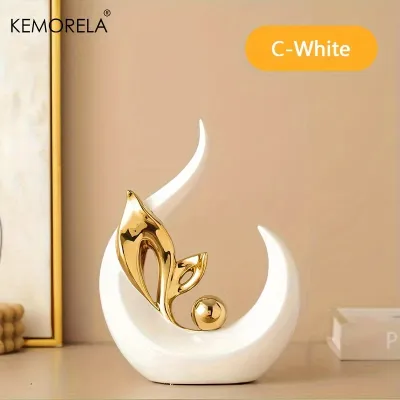
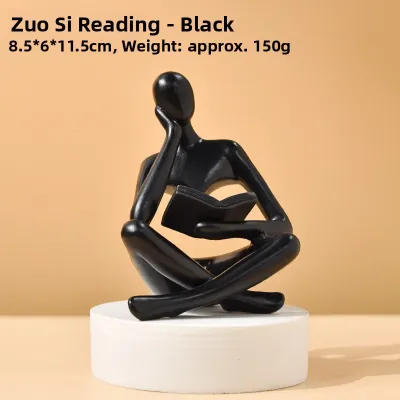
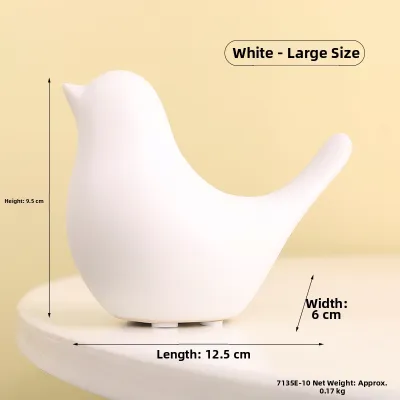
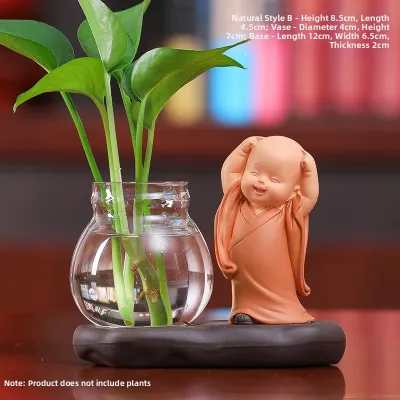
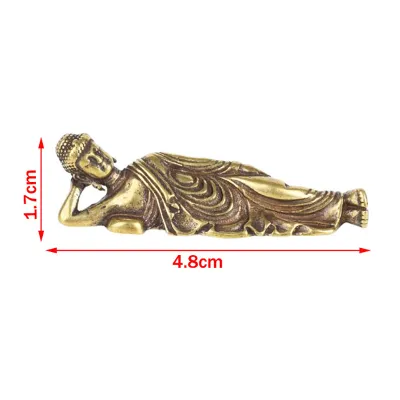
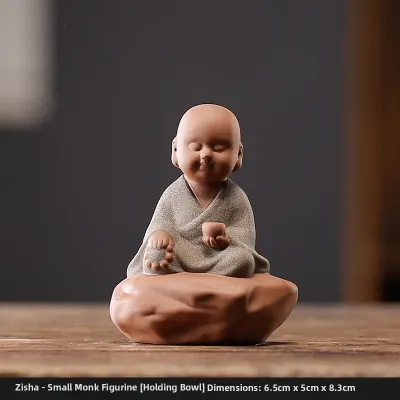
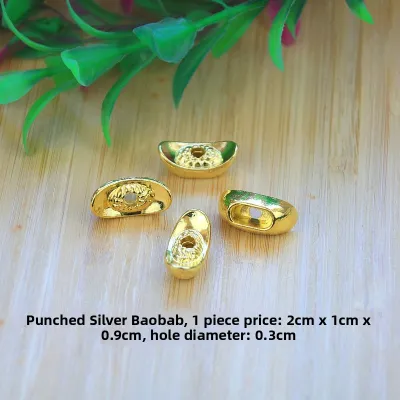
Prices are valid at publication and may change. Please refer to the product page for the latest price.
Traditional Asian sculptures, on the other hand, carry deep historical, cultural, and symbolic significance. Characterized by intricate carvings, detailed textures, and rich materials such as aged teak wood, cast bronze, jade, or glazed stoneware, these statues possess a commanding presence. They often depict historical figures, deities, or symbolic animals, bringing a sense of heritage, warmth, and narrative depth to a room.
Contemporary abstract statues challenge conventional forms by focusing on non-representational shapes, dynamic lines, and unexpected material combinations. Utilizing polished metals, colorful resins, concrete, or mixed media, these sculptures are designed to provoke thought and capture attention. They do not attempt to replicate real-world objects; instead, they play with balance, tension, and geometry to create visual interest.
Integrating these styles into your home requires a careful assessment of spatial proportion, material texture, and color harmony. Every three-dimensional object possesses “visual weight”—the degree to which it draws the eye and occupies space. A dark, solid bronze statue feels visually heavier than a wireframe metal sculpture of the exact same dimensions. In typical Singaporean apartments, where floor space is highly valued, balancing this visual weight is crucial to prevent rooms from feeling cramped or cluttered. Leaving sufficient empty space, or negative space, around each statue allows the artwork to breathe and ensures the room maintains an open, airy feel.
Matching Modern Minimalist Statues to Scandinavian and Japandi Spaces
Scandinavian and Japandi design themes have become incredibly popular in Singapore, favored for their emphasis on simplicity, natural light, and functional beauty. Scandinavian design focuses on cozy, light-filled spaces with clean lines and warm wood tones, while Japandi blends this approach with the Japanese philosophy of wabi-sabi, which finds beauty in imperfection and natural simplicity. To complement these aesthetics, decorative statues should mirror these principles through organic forms and tactile, unpretentious materials.

When selecting statues for a Scandinavian or Japandi interior, prioritize natural materials such as matte ceramics, unglazed clay, terracotta, and light-colored woods like oak or ash. Sculptures featuring soft, sweeping curves, abstract human silhouettes, or simple geometric groupings work exceptionally well. The texture of the statue is just as important as its shape; a rough, textured stone or a chalky, matte plaster finish adds depth to a neutral color scheme without relying on bold colors that might disrupt the serene atmosphere.
To avoid visual clutter in these minimalist settings, embrace the concept of negative space. Rather than crowding a shelf or console table with multiple small figurines, select a single, well-proportioned statue to serve as a quiet focal point. For instance, a single matte ceramic sculpture placed on a low-profile wooden TV console creates a sophisticated, uncluttered look. The empty space surrounding the statue is not wasted; rather, it acts as a frame that highlights the beauty of the piece.
Placement is key to maximizing the impact of minimalist statues. Position these pieces where they can interact with natural light, such as on a windowsill, an entryway console, or a shelf near a balcony door. The shifting daylight throughout the day will cast soft, changing shadows across the statue’s curved surfaces, emphasizing its organic form and bringing a subtle, dynamic energy to the room. Avoid high-gloss or highly reflective finishes, as these can create harsh glare under Singapore’s bright afternoon sun, detracting from the soft, calming vibe of the space.
Integrating Traditional Asian Sculptures into Modern Asian and Eclectic Homes
Modern Asian and eclectic interior designs offer a wonderful opportunity to showcase cultural heritage and personal history. Modern Asian design combines sleek, contemporary furniture with traditional Asian elements, creating a space that feels both current and deeply rooted in tradition. Eclectic homes, meanwhile, thrive on the deliberate mixing of different eras, styles, and cultures. In both settings, traditional Asian statues can serve as powerful, character-rich statements.
Suitable materials for traditional pieces include hand-carved teak or rosewood, cast bronze, weathered stone, and classic glazed ceramics like celadon or blue-and-white porcelain. These materials carry a sense of history and craftsmanship that instantly elevates a room. However, the challenge lies in styling these pieces so the space does not end up looking like an antique shop or a museum showroom. To prevent a dated or visually conflicting look, curation and contrast are your most effective tools.
Instead of displaying an entire collection of traditional figurines together, select one or two standout heritage pieces and pair them with modern elements. For example, placing a traditional bronze statue on a sleek, minimalist metal-and-glass console table creates a striking juxtaposition. The clean, sharp lines of the modern table highlight the intricate, organic details of the antique sculpture, making both pieces look more intentional and dynamic. This technique of pairing opposites ensures that your heritage pieces feel fresh and relevant within a modern home.
Achieving visual balance when mixing traditional statues with modern furniture also requires careful color and texture coordination. If you have a heavy, dark wood statue, balance its visual weight by surrounding it with lighter textures, such as linen upholstery, neutral wall paint, or minimalist lighting fixtures. You can also tie the traditional piece into the rest of the room by subtly repeating its colors in other decorative accessories, such as throw pillows, rugs, or wall art. This creates a cohesive visual thread that connects the old with the new, ensuring your eclectic space feels harmonious rather than chaotic.
Using Contemporary Abstract Statues as Focal Points in Modern Interiors
For homeowners who favor sleek, modern, or industrial interiors, contemporary abstract statues offer an excellent way to introduce personality, color, and artistic flair. Abstract sculptures are designed to stand out, making them ideal candidates for creating strong focal points in key areas of your home, such as the living room, dining area, or entryway.
These statues often utilize modern materials like polished stainless steel, colorful cast resins, tinted acrylics, concrete, or mixed-media combinations. A high-gloss, brightly colored resin statue can inject a playful, energetic vibe into an otherwise neutral room, while a brushed metal or concrete sculpture adds a sophisticated, industrial edge. Because abstract art is highly subjective, these pieces often serve as excellent conversation starters when hosting guests.
To maximize the visual impact of a contemporary abstract statue, pay close attention to lighting and background contrast. Place a dark or highly textured sculpture against a light-colored, minimalist wall to make its silhouette pop. Conversely, a polished metal or light-colored stone statue will stand out beautifully against a dark accent wall. Utilizing dedicated lighting, such as adjustable ceiling spotlights, track lighting, or a strategically placed floor lamp, allows you to cast dramatic shadows that emphasize the statue’s unique contours and three-dimensional form.
When selecting a large, statement-making abstract sculpture, it is vital to consider size selection limits and spatial clearance. A statue that is too large can restrict movement and make a room feel cramped, while one that is too small will fail to make the desired impact. Measure your available space carefully, ensuring there is at least 30 to 50 centimeters of clearance around the statue, especially if it is placed in high-traffic areas like hallways, entryways, or next to living room walkways. This clearance not only protects the artwork from accidental bumps but also gives it the physical space required to be fully appreciated from different angles.
Practical Checklist for Selecting and Placing Decorative Statues
Before purchasing a decorative statue, it is important to run through a practical checklist to ensure the piece is safe, stable, and suited to your home’s specific environment. Taking these steps beforehand will prevent damage to your furniture, your walls, and the artwork itself.
- Verify Base Stability and Weight-Bearing Capacity: Heavy statues made of stone, concrete, or solid metal require sturdy support. Ensure that shelves, floating consoles, or pedestals are rated to handle the weight of the piece. In Singapore, many modern homes feature drywall partitions; if you plan to mount a heavy shelf for a statue, ensure it is anchored directly into concrete structural walls or studs rather than just the plasterboard.
- Assess Material Care and Environmental Limits: Singapore's tropical climate is characterized by high humidity, which can affect certain materials over time. Unsealed wood statues can warp, crack, or develop mold if placed in damp areas or near open windows. Untreated metals may tarnish or rust when exposed to humid air or salt air in coastal areas. If placing a statue on a balcony or near a sunny window, ensure the material is UV-resistant to prevent fading or cracking from intense sunlight.
- Confirm Dimensions and Safe Clearance: Measure the height, width, and depth of both the statue and the surface where it will sit. The statue's base should fit entirely within the boundaries of the shelf or table, with no parts protruding over the edge, which increases the risk of it being knocked over. In homes with children or pets, consider securing valuable or fragile statues to the display surface using non-damaging museum putty.
- Check Electrical Safety for Illuminated Statues: If you select a contemporary statue with integrated LED lighting, verify that the electrical components match Singapore's voltage standards (230V, 50Hz) and carry appropriate safety certifications. Ensure that power cords are neatly routed and concealed to prevent tripping hazards and maintain a clean, uncluttered look.
Frequently Asked Questions (FAQ)
Can I mix different statue styles in the same room?
Yes, you can successfully mix different statue styles in the same room, provided you do so with intention. To prevent the space from feeling chaotic, look for a unifying element that ties the diverse pieces together. This common thread could be a shared color palette, similar material textures, or a consistent scale. For example, you can pair a modern abstract marble sculpture with a traditional stone carving; even though the styles are vastly different, the shared natural stone material creates a cohesive visual connection. Alternatively, keeping all your statues within a monochromatic color scheme allows you to experiment with wildly different shapes and eras while maintaining a harmonious look.
How do I clean and maintain delicate decorative sculptures?
Proper maintenance depends entirely on the material of your statue. For porous materials such as unglazed ceramic, plaster, terracotta, or raw wood, avoid using water or liquid cleaning agents, as these can seep into the pores and cause permanent staining or structural damage. Instead, use a dry, soft-bristled brush or a clean microfiber cloth to gently sweep away dust. For non-porous materials like glazed ceramics, glass, sealed resin, or polished metals, a slightly damp microfiber cloth is usually safe for removing smudges. Never use harsh chemical solvents, bleach, or abrasive scrubbing pads, as these can strip away protective coatings, dull polished finishes, or scratch the surface. If a valuable, delicate, or antique statue becomes heavily soiled or damaged, it is best to stop DIY cleaning and consult a professional art conservator.
Community discussion
Share your experience or ask a question. Comments are reviewed before publication.