
Finding the ideal decorative wall light in Singapore involves balancing aesthetic design with the technical realities of local electrical systems. Wall lights, or sconces, do more than illuminate a room; they serve as architectural accents, frame key furniture pieces, and establish the ambient mood of a home. Whether you are outfitting a newly built Build-To-Order (BTO) flat or renovating a private condominium, selecting the right brand requires looking beyond the outer fixture to evaluate material durability, light quality, and compliance with local safety regulations.
Singapore’s lighting market offers a diverse range of brands, from high-end European design houses to minimalist Scandinavian manufacturers and tech-forward smart lighting ecosystems. To make an informed decision, homeowners must evaluate how these brands construct their fixtures, how their integrated LEDs perform, and how easily their products integrate into Singaporean homes.
How to Choose the Right Decorative Wall Light Brand
Before browsing specific brand catalogs, establishing a clear set of evaluation criteria helps filter out low-quality options and ensures your chosen fixtures stand the test of time.
Products mentioned in this guide
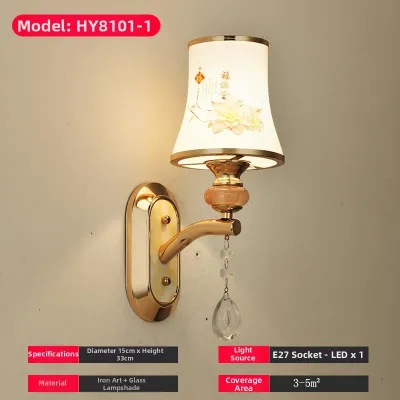
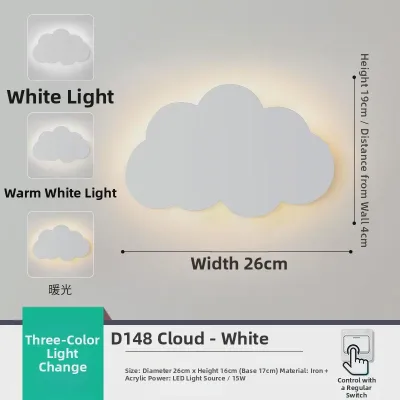
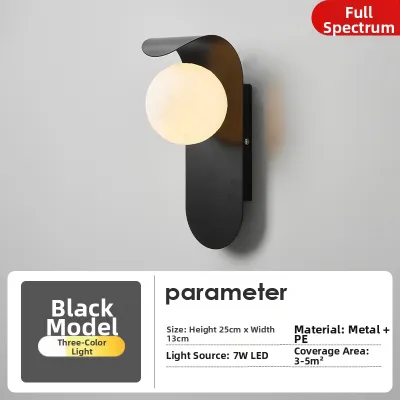
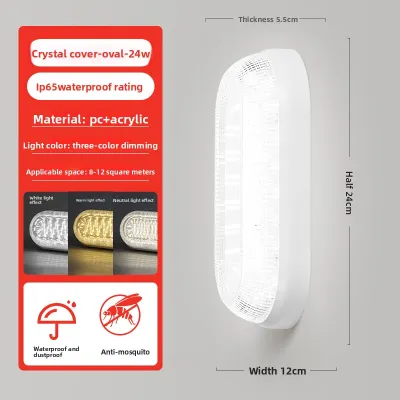
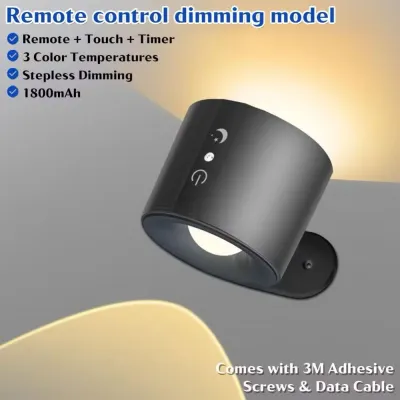

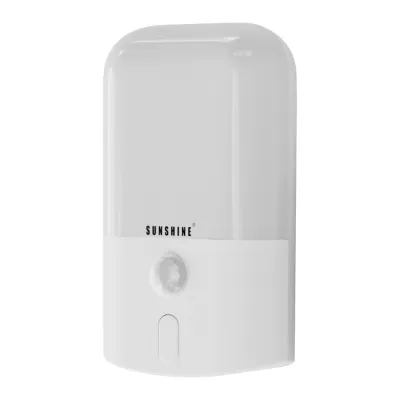
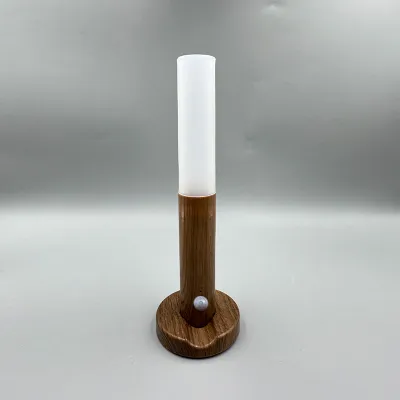
Prices are valid at publication and may change. Please refer to the product page for the latest price.
Design & Build Quality
Material choice dictates both the longevity and visual appeal of a decorative fixture. High-end brands typically utilize solid brass, anodized aluminum, copper, or hand-blown glass. These materials resist the high humidity of Singapore’s tropical climate, preventing premature tarnishing, pitting, or rust.
Mass-market alternatives often rely on electroplated mild steel or thin plastics. These cheaper options can degrade, discolor, or rust within a few years under humid conditions. Inspecting the weight of the fixture, the precision of the joints, and the consistency of the finish can help you gauge a brand’s manufacturing standards.
Lighting Performance
A well-designed decorative wall light prioritizes visual comfort alongside style. Brands that invest in optical engineering design their fixtures with integrated baffles, deep-set light sources, or frosted diffusers to minimize direct glare.
Beam angles are also crucial. Narrow beam angles (15 to 30 degrees) create dramatic, focused shafts of light ideal for highlighting architectural features. Wide beam angles (60 degrees or more) provide gentle, diffused ambient washes. Furthermore, premium brands offer high Color Rendering Index (CRI) values, typically CRI 90 or higher. A high CRI ensures that paint colors, wooden textures, and skin tones appear natural and vibrant under artificial light.
Local Compatibility & Compliance
Singapore operates on a nominal mains voltage of 230V AC at a frequency of 50Hz. Any decorative wall light you purchase must be compatible with this standard. Many premium international brands manufacture specific regional variants or utilize universal-voltage LED drivers (100V–240V).
It is vital to check for the Safety Mark, which is registered under the Consumer Protection (Safety Requirements) Registration Scheme in Singapore. This mark ensures that electrical accessories, such as the LED drivers or power adapters packaged with the fixtures, have been tested and certified safe for local use. Additionally, buying from authorized local distributors ensures you have access to local warranty support and compatible replacement parts, particularly the LED drivers, which are the components most susceptible to electrical wear over time.
Top Decorative Wall Light Brands to Explore in Singapore
Selecting the right brand is a matter of matching your home’s interior architecture with a manufacturer’s design philosophy and technical capabilities. The local market can be broadly categorized into three distinct segments: premium designer brands that treat lighting as functional art, Scandinavian and contemporary brands that focus on minimalist warmth, and smart lighting ecosystems designed for modern convenience. Understanding these categories allows you to target showrooms and retailers that align with your project’s budget and aesthetic goals.

Premium & Iconic Designer Brands
For homeowners seeking statement pieces that double as sculptural art, premium European design houses like Flos, Artemide, and Moooi represent the pinnacle of decorative lighting. Available through high-end lighting galleries and authorized showrooms in Singapore, these brands collaborate with world-renowned industrial designers to push the boundaries of form and material.
Flos is celebrated for its architectural precision and iconic minimalist silhouettes, while Artemide is globally recognized for its focus on optical performance and timeless Italian design. Moooi offers more eccentric, avant-garde fixtures that serve as dramatic focal points in living rooms, foyers, or formal dining areas.
When investing in these premium brands, several practical factors must be considered. Due to their bespoke nature and international manufacturing bases, these fixtures often carry significant lead times, sometimes ranging from 8 to 12 weeks for custom orders.
Homeowners must also ensure they purchase through authorized local distributors. This guarantees that the fixtures are supplied with genuine, Singapore-compliant LED drivers and carry valid local warranties, protecting your substantial financial investment against premature component failures.
Contemporary & Scandinavian Design Brands
If your home features a Japandi, modern minimalist, or cozy contemporary aesthetic, Scandinavian brands like Louis Poulsen, Muuto, and Nordlux offer an ideal balance of form, function, and restraint. These brands are widely stocked by reputable design retailers and lifestyle boutiques across Singapore.
Louis Poulsen is legendary for its glare-free lighting design, applying rigorous mathematical principles to shade curves to ensure that the light source is never directly visible to the eye, creating a soft, inviting glow. Muuto and Nordlux focus on clean lines, tactile materials, and highly functional designs that integrate seamlessly into modern HDB flats and condominiums.
The primary characteristic of these brands is their focus on creating a warm, relaxed atmosphere. They typically utilize warm color temperatures, ranging from 2700K to 3000K, which complement natural wood finishes, neutral textiles, and matte painted walls.
Because these brands prioritize understated elegance over dramatic ornamentation, their wall lights are highly versatile, serving equally well in bedrooms, corridors, or reading nooks. They also represent a more accessible price point than ultra-premium designer labels while maintaining exceptional build quality and local electrical compliance.
Smart & Accessible Lighting Brands
For tech-savvy homeowners or those seeking flexible, everyday lighting solutions, smart and accessible brands offer unparalleled versatility. Philips Hue stands as a prominent leader in this category, offering highly reliable smart lighting ecosystems that integrate seamlessly with major smart home platforms, including Apple Home, Google Home, and Samsung SmartThings.
These brands specialize in color-changing (RGBW) and color-tuning (tunable white) technology, allowing users to transition from a crisp, cool white (4000K to 5000K) for daytime productivity to a warm, amber glow (2000K to 2200K) for winding down in the evening.
While smart lighting brands offer incredible functionality—such as app-controlled dimming, automated scheduling, and motion-sensor integration—they do involve specific trade-offs. The physical fixtures often feature more synthetic materials, such as polycarbonate or lightweight aluminum, rather than the heavy, hand-finished metals found in premium designer lines.
Additionally, smart wall lights rely on a continuous power supply to maintain their smart connectivity. This means traditional wall switches must remain in the “on” position, often requiring homeowners to install smart button covers or wireless dimmers over their existing switches to prevent accidental power cuts to the fixtures.
Matching Wall Light Styles to Your Space
To ensure your decorative wall lights serve both aesthetic and functional roles, they must be tailored to the specific spatial dynamics of the different rooms in your home.
Corridors and Hallways
Corridors in Singaporean apartments are often narrow and transitional, requiring careful consideration of a fixture’s physical profile and light distribution. To prevent the space from feeling cramped or creating accidental physical obstructions, opt for low-profile or flush-mount wall sconces. A good rule of thumb is to select fixtures with a depth of 100mm or less from the wall.
Upward-firing sconces are particularly effective in these spaces. By bouncing light off the ceiling, they create a sense of height and openness, making narrow hallways feel more spacious. Ensure the light source is shielded or diffused to prevent harsh glare as family members walk past the fixtures at eye level.
Bedrooms
In the bedroom, wall lights serve as excellent space-saving alternatives to traditional bedside table lamps, freeing up valuable surface area on nightstands. For bedside applications, adjustable swing-arm sconces or fixtures with dual light sources are highly functional.
A dual-source fixture might feature a soft, diffused back-light for ambient bedroom illumination alongside a highly focused, directional reading light on a flexible arm. Dimmability is essential in this space to support the body’s natural circadian rhythms. Look for brands that offer smooth, flicker-free dimming down to 1% or 5% of maximum brightness, allowing you to transition easily from evening relaxation to sleep.
Living and Dining Areas
The living and dining rooms are ideal zones for layering light to create depth and visual interest. Instead of relying solely on overhead downlights, which can cast flat, harsh shadows, use decorative wall lights to wash walls with soft illumination.
Placing sconces on either side of a large mirror, a piece of artwork, or a television console helps frame these focal points and draws the eye across the room. If you have textured walls, such as fluted wood panels, exposed brick, or textured plaster, installing directional down-firing or up-and-down wall lights can highlight these physical textures through a technique known as wall grazing. This adds a rich, tactile quality to your interior design that overhead lighting cannot replicate.
Installation and Safety Checklist for Singapore Homes
Installing hardwired wall lights requires careful planning, adherence to local building codes, and professional execution to ensure safety and compliance.
Electrical Safety
Before purchasing any decorative wall light, verify that its electrical specifications match Singapore’s grid requirements. Ensure the light fixture or its accompanying LED driver is rated for 230V/50Hz input.
Homeowners should exercise extreme caution when purchasing uncertified fixtures from direct-import online marketplaces or unauthorized overseas ecommerce platforms. These products often lack the necessary Safety Mark, meaning their internal wiring, insulation, and drivers have not been verified to withstand local electrical conditions, posing significant risks of short circuits, driver failure, or electrical fires.
HDB and Condo Regulations
Installing new hardwired wall lights often requires running new electrical wiring behind the walls. In Singapore, public and private residential buildings feature strict structural preservation guidelines. Hacking or chasing structural walls, shear walls, and reinforced concrete (RC) columns to conceal electrical conduits is strictly prohibited by HDB and building management authorities.
If you wish to install a wall light on a structural wall, you must either run the wiring through surface-mounted plastic trunking (which can be painted to match the wall color) or construct a false plasterboard wall in front of the structural wall to house the cabling safely. Always consult your HDB-registered renovation contractor or interior designer to review your estate’s specific renovation guidelines before beginning any drilling or hacking.
Professional Installation Boundary
All hardwired electrical work in Singapore must be executed by a Licensed Electrical Worker (LEW) or an approved, qualified professional. Attempting to DIY hardwire a wall light is not only highly dangerous but also a violation of local electrical regulations.
Before any installation begins, ensure that the main power supply is isolated at the distribution board (DB box) by switching off the relevant circuit breaker. If you are installing wall lights in damp environments, such as bathrooms or covered outdoor balconies, the fixtures must possess an appropriate Ingress Protection (IP) rating. For bathroom installations near water sources, a minimum rating of IP44 is required to protect the fixture against water splashes from any direction. Always defer to the manufacturer’s installation instructions and local safety codes to ensure a secure, long-lasting installation.
Frequently Asked Questions (FAQ)
To help you navigate the technical and regulatory aspects of updating your home’s lighting, here are answers to some of the most common questions regarding wall light installation and compatibility in Singapore.
Do I need a licensed electrician to install hardwired wall lights in an HDB flat?
Yes. Under Singapore’s Energy Market Authority (EMA) regulations and HDB renovation guidelines, all new electrical wiring, relocation of electrical points, and installation of hardwired lighting fixtures must be performed by a Licensed Electrical Worker (LEW) or an approved, qualified electrical contractor. This requirement ensures that the installation complies with Singapore Standard SS 638 (the code of practice for electrical installations), protecting your home from electrical hazards, maintaining the integrity of the building’s electrical distribution system, and ensuring your home insurance remains valid in the event of an electrical incident.
How do I check if a decorative wall light is compatible with my existing wall switch?
To determine compatibility, you must verify the specifications of the wall light’s LED driver against your existing switch type. Standard on/off toggle switches are compatible with almost all non-dimmable and dimmable wall lights. However, if you have a physical dimmer switch, you must ensure the wall light’s driver explicitly supports phase-cut dimming (either leading-edge or trailing-edge, with trailing-edge being the modern standard for LEDs). If there is a mismatch, the light may flicker, buzz, or fail to dim properly. Alternatively, you can install smart wall lights or smart bulbs that utilize wireless protocols (like Zigbee or Bluetooth) to dim, bypassing the need for a physical dimming switch entirely.
Community discussion
Share your experience or ask a question. Comments are reviewed before publication.