
Expanding the visual boundaries of a compact Singapore home—whether a cozy three-room HDB flat in Toa Payoh or a sleek condominium in River Valley—often comes down to strategic interior styling rather than costly structural renovations. Installing a high-quality mirror wall is one of the most effective, non-invasive design strategies to instantly double the perceived depth of a room and maximize natural light. By reflecting the surrounding environment, a well-chosen mirror tricks the brain into seeing an open vista where a solid wall once stood.
To achieve this spatial illusion, selecting the right brand is essential. In Singapore, several key furniture and decor brands stand out for their space-enhancing designs. IKEA offers highly accessible, modular, and frameless options ideal for flexible, budget-friendly layouts. Castlery delivers sophisticated, slim-framed contemporary designs that elevate small spaces without adding visual clutter. Commune provides minimalist, clean-lined pieces with warm wood and subtle metallic accents that fit seamlessly into modern interiors. HipVan brings a diverse range of local, trend-forward, and organic shapes perfect for creating focal points in tight layouts. Finally, Scanteak offers timeless Scandinavian designs crafted from solid teak, emphasizing warm, cozy minimalism with built-in functionality.
By understanding how these brands cater to different design sensibilities and spatial needs, you can transform even the most restricted floor plans into bright, airy sanctuaries.
Products mentioned in this guide
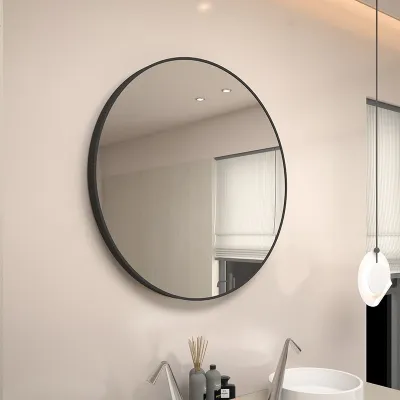
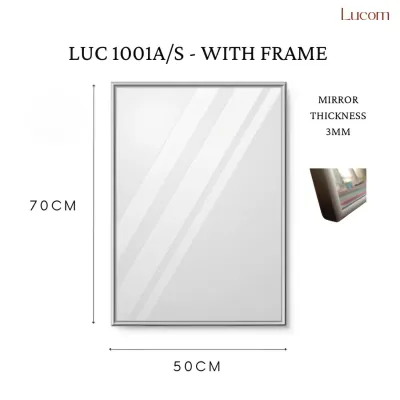
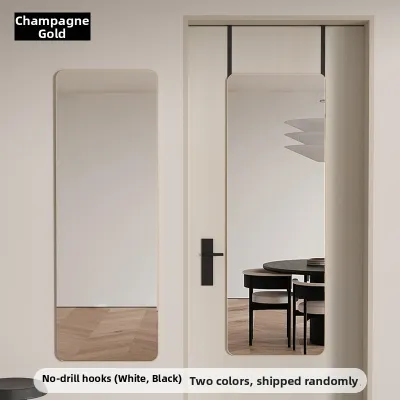
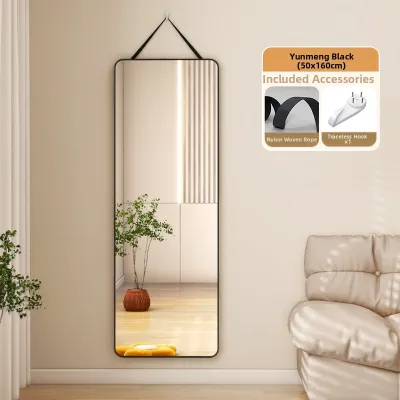
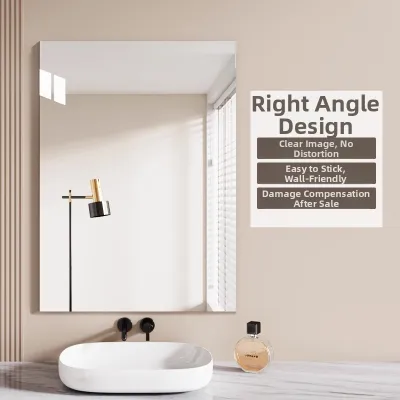
Prices are valid at publication and may change. Please refer to the product page for the latest price.
How a Mirror Wall and Decorative Mirrors Expand Compact Rooms
Incorporating a mirror wall into a compact room works on simple yet powerful optical principles. Mirrors do not merely reflect images; they bounce both natural and artificial light across a room, effectively eliminating dark corners that make a space feel closed-in. By reflecting the opposite side of a room, a well-placed mirror tricks the brain into perceiving double the actual floor area, pushing the walls outward and creating an illusion of continuous depth.
The design of the frame plays a critical role in how heavy or light a mirror feels in a confined space. Heavy, deeply carved, or dark wooden frames tend to draw attention to the physical boundary of the mirror itself, which can make a small wall feel even more restricted. In contrast, frameless mirrors, pieces with delicate beveled edges, or those with ultra-thin metal profiles blend seamlessly into the background. They allow the reflected view to flow uninterrupted, minimizing visual weight and maintaining a clean, uncluttered aesthetic.
Shape and size are equally influential when manipulating spatial perception. An oversized floor mirror leaning gracefully against a wall draws the eye upward toward the ceiling, creating an impression of loftiness and vertical height. This is particularly effective in newer HDB flats where ceiling heights are standard. Conversely, a wide horizontal wall mirror acts as a visual window, broadening the narrow dimensions of a dining area or living room and making the entire layout feel wider and more balanced.
Finally, the quality of the glass and the precision of the silvering backing are paramount. Low-grade glass can suffer from subtle warping or green tints, resulting in a distorted reflection. In a small room, a distorted reflection creates visual chaos and physical disorientation rather than a sense of expanded space. Investing in high-clarity, distortion-free mirrors ensures that the reflected environment looks sharp, natural, and genuinely expansive.
Top Wall Mirror Brands in Singapore for Compact Spaces
Finding the perfect balance between aesthetic appeal and spatial functionality requires exploring the right local sources. Singapore’s retail landscape offers several excellent brands, each bringing a unique approach to mirror design, material selection, and price points.

IKEA
For homeowners and renters seeking highly practical, versatile, and budget-friendly solutions, IKEA remains a premier destination. Their product lineup features an extensive range of lightweight, minimalist, and frameless mirrors that are exceptionally well-suited for tight HDB bedrooms, compact entryways, and narrow utility walls. By omitting heavy frames, these designs keep the focus entirely on the reflection, allowing the mirror to merge effortlessly with any wall color.
A key advantage of IKEA’s offerings is their modularity and flexibility. Products like their hexagonal mirror tiles allow users to create customized wall patterns that can grow or change as design needs evolve. Their tall, full-length leaning mirrors are also highly favored for their ability to fit into narrow corners, providing a functional dressing mirror while bouncing light into darker spots without requiring permanent wall mounting.
Additionally, the accessibility of IKEA’s range makes it incredibly easy to experiment with different layouts. Because their pieces are lightweight and designed with straightforward assembly in mind, they are highly popular among renters who need to maximize their space without committing to permanent, heavy structural alterations.
Castlery
If you want to introduce a touch of modern luxury without overwhelming a compact condo or HDB flat, Castlery offers curated, design-forward options. Known for their contemporary aesthetic, Castlery specializes in mirrors with ultra-slim metal frames, often finished in sophisticated brushed brass, matte black, or subtle metallic tones. These thin profiles provide just enough structure to frame the reflection beautifully while keeping the visual footprint incredibly light and elegant.
The brand is particularly celebrated for its arched and geometric mirror designs. An arched mirror introduces soft, organic curves into a room, which helps break up the harsh, boxy lines common in modern Singaporean apartments. Placing an arched mirror above a console table or sofa adds architectural interest, making the wall feel like a gateway to another room rather than a solid barrier.
Castlery focuses heavily on premium materials and craftsmanship, ensuring their mirrors function as both spatial enhancers and statement art pieces. The high-clarity glass used in their collections guarantees a crisp, true reflection, which is essential for maintaining the clean, open feel of a carefully styled living or dining area.
Commune
For those who appreciate contemporary minimalism and a warm, organic feel, local brand Commune offers beautifully crafted mirrors that align with clean, uncluttered interior styles. Commune’s designs prioritize understated elegance, utilizing sleek lines, subtle textures, and premium wood finishes to create pieces that feel deeply grounded yet visually light.
Their mirrors often feature light wood tones, such as oak or walnut, combined with delicate metallic accents. This palette naturally complements neutral, earthy, or Scandinavian-inspired color schemes, helping a small room feel cohesive, airy, and bright. By avoiding bulky borders, Commune ensures their mirrors enhance the room’s flow rather than interrupting it.
Many of Commune’s mirror collections are designed to pair seamlessly with their space-saving furniture, such as slim entryway console tables or compact sideboards. This integration allows homeowners to establish a cohesive design language right from the front door, turning a tight foyer into an inviting, visually expanded transition zone.
HipVan
For homeowners looking to inject personality and trend-forward style into their compact spaces, HipVan offers an eclectic and highly diverse range of decorative mirrors. Their collection features a variety of unique shapes, including asymmetrical curves, organic fluid forms, and eye-catching sunburst designs. These distinctive shapes serve as captivating focal points, drawing the eye toward the mirror and away from the limited square footage of the room.
HipVan’s local roots mean their designs are scaled specifically with typical Singaporean apartment layouts in mind. They understand the tight dimensions of modern BTO flats and build their products to fit comfortably within these parameters without dominating the space. Their mirrors are designed to be lightweight yet sturdy, making them easy to mount on standard apartment walls.
With frequent updates to their online collections, HipVan provides fresh, stylish options for those who want to avoid generic decor. Whether you are looking for a small, playful accent mirror for a vanity wall or a large, irregular statement piece to brighten up a living room corner, their range offers accessible style tailored to modern urban living.
Scanteak
Embracing the principles of Scandinavian design and cozy minimalism, Scanteak offers timeless mirrors crafted from high-quality, sustainably sourced solid teak. Teak is renowned for its durability and rich, warm grain, and Scanteak utilizes it to create clean, simple frames that bring a touch of nature indoors without making a small room feel dark or enclosed.
A standout feature of Scanteak’s mirror collection is their focus on multi-functional design. In compact homes, every piece of furniture must earn its keep, and Scanteak addresses this by integrating practical features like built-in shelving, storage ledges, or hanging hooks directly into their mirror frames. A Scanteak entryway mirror with a small shelf, for example, provides a perfect spot for keys and daily essentials while visually expanding a narrow foyer.
The light, natural wood tones of their teak frames harmonize beautifully with bright, minimalist interiors. This aesthetic naturally promotes a clutter-free, serene environment, which is one of the most effective ways to make a small home feel spacious and peaceful.
Quick Comparison: Mirror Brands for Small Homes
To help you decide which brand best suits your aesthetic preferences, spatial requirements, and budget, here is a quick comparison of the top wall mirror brands available in Singapore.
| Brand | Primary Design Style | Estimated Price Tier | Best Use Case in Small Rooms |
|---|---|---|---|
| IKEA | Minimalist, Modular & Functional | $ (S$15 – S$120) | Renters, tight entryways, and custom modular DIY mirror walls |
| Castlery | Contemporary, Luxe & Sleek | $$ to $$$ (S$150 – S$450) | Living and dining areas needing a slim-framed statement piece |
| Commune | Modern Minimalist & Organic | $$ to $$$ (S$180 – S$500) | Neutral-toned homes and entryways paired with slim consoles |
| HipVan | Eclectic, Organic & Trend-Forward | $ to $$ (S$50 – S$250) | Creating unique focal points in compact HDB living rooms |
| Scanteak | Scandinavian, Teak & Multi-functional | $$ to $$$ (S$120 – S$400) | Cozy, natural interiors and entryways requiring built-in storage |
Note: Price ranges are broad estimates based on general market positioning in Singapore as of 2026. We highly recommend visiting the official showrooms or websites of these brands to check their latest collections, exact pricing, and product dimensions before making a purchase.
Strategic Mirror Placement for HDBs and Condos
Choosing the right mirror is only half the battle; where and how you place it determines its actual spatial impact. In typical Singaporean housing layouts, strategic positioning can turn tight, dark corners into bright, open spaces.
Opposite Windows One of the most effective ways to maximize a mirror’s impact is to hang it directly opposite a large window, such as your living room balcony doors. This positioning allows the mirror to capture natural daylight and bounce it deep into the apartment, instantly doubling the perceived brightness. It also reflects the outdoor view—whether it is a lush neighborhood park or a sleek city skyline—effectively creating the illusion of an extra window and blending the outdoors with your interior.
Narrow Corridors and Foyers HDB entryways and corridors are notoriously narrow and can easily feel claustrophobic. Placing a tall, vertical mirror in these tight zones draws the eye upward, making the ceiling feel higher and the space more open. However, avoid hanging a large mirror directly at the very end of a long, narrow hallway. This can create a disorienting tunnel effect that feels cold and clinical. Instead, mount the mirror along the side wall of the corridor to visually widen the passage.
Dining Areas A classic interior design technique for compact dining zones is to hang a wide, horizontal mirror along the wall adjacent to the dining table. This placement visually doubles the width of the dining area, making family meals feel less cramped and more celebratory. It also reflects the warm lighting from your dining pendant lamp, creating a cozy, inviting ambiance during evening dinners.
What to Avoid While mirrors are fantastic tools, they can also work against you if placed incorrectly. Avoid positioning a mirror where it will directly reflect visual clutter, such as an open kitchen shelving unit, a busy utility area, or the household shelter door. Reflecting visual noise will only double the perceived clutter, making your home feel chaotic and even smaller. Additionally, avoid placing large mirrors directly opposite bathroom doors or in positions where they might cause sudden, disorienting reflections for family members walking in the dark.
Safety and Installation Checks for Large Wall Mirrors
Because large decorative mirrors and extensive mirror walls can be incredibly heavy, safety must be your top priority during the planning and installation phases. Ensuring your mirror is securely mounted prevents costly damage to your walls and protects your household from potential accidents.
Wall Type Identification Before purchasing mounting hardware, you must identify the type of wall you are working with. Most structural walls in Singaporean HDB flats and condominiums are made of solid concrete or precast panels, which require a hammer drill, masonry wall plugs, and heavy-duty screws to secure heavy items. Conversely, internal partition walls or false walls are typically made of gypsum plasterboard or drywall. Mounting a heavy mirror on drywall requires specialized toggle bolts or hollow-wall anchors that grip the back of the board, or ideally, screwing directly into the underlying timber or metal wall studs.
Weight and Hardware Always check the manufacturer’s specifications for the exact weight of the mirror. Never rely on simple adhesive strips or lightweight picture hooks for substantial wall mirrors. Ensure that the mounting hardware on the back of the mirror—such as pre-installed D-rings, hanging wires, or French cleat systems—is fully rated to support the mirror’s weight. If the mirror does not come with heavy-duty mounting hardware, purchase high-quality, load-tested anchors from a reliable local hardware store.
Professional Installation Boundary While hanging a small, lightweight accent mirror can be a straightforward DIY project, mounting oversized floor mirrors, heavy solid-wood frames, or multi-panel architectural mirror walls requires professional expertise. We strongly recommend hiring a qualified local handyman or a professional mirror installer. They have the specialized tools, structural knowledge, and experience to ensure the mirror is perfectly level and securely anchored, mitigating the risk of structural failure.
Pre-Installation Check Before any drilling begins, thoroughly measure your intended wall space and use a stud finder or wall scanner to check for hidden electrical conduits, water pipes, or structural beams. Additionally, do not forget to measure your home’s entry points. Ensure that the dimensions of a large mirror will allow it to be safely maneuvered through your building’s lift, up the stairwells, and through your front door frame without risking damage to the glass or the common property.
Frequently Asked Questions (FAQ)
Can a mirror be too big for a small wall?
Yes, a mirror can overwhelm a small space if it is not scaled correctly. While large mirrors are excellent for creating an illusion of depth, a mirror that completely covers a small wall from edge to edge without any breathing room can feel visually oppressive and clinical. To maintain a balanced, intentional aesthetic, always leave a comfortable margin of empty wall space—ideally at least 10 to 15 centimeters—around the edges of the mirror. This boundary ensures the mirror looks like a curated piece of decor rather than an accidental structural element, and prevents it from visually overpowering adjacent furniture like a compact entryway console table.
How do I clean large decorative mirrors without leaving streaks?
Keeping a large mirror spotless is essential for maintaining its space-enhancing properties, as dust and smudges break the illusion of depth. To clean your mirror without leaving unsightly streaks, use a clean, high-quality microfiber cloth and a dedicated glass cleaner, or a simple DIY solution of equal parts warm water and white vinegar. Instead of spraying the cleaning solution directly onto the glass, spray a moderate amount onto the microfiber cloth first. This technique prevents liquid from running down the glass and seeping behind the frame or backing, which can cause moisture damage, silver rot, or frame warping over time. Wipe the mirror in a consistent S pattern from top to bottom, then use a second, dry microfiber cloth to buff the glass to a crystal-clear, streak-free shine.
Community discussion
Share your experience or ask a question. Comments are reviewed before publication.