
A designer floor lamp is more than a light source; it is a structural statement piece that defines the spatial flow and emotional tone of your living room. In Singapore, where residential layouts range from cozy HDB flats to expansive condominiums, selecting the right high-end floor lamp requires balancing aesthetic scale, light distribution, and local electrical standards. By choosing a piece that complements your existing furniture, you can transition your living room from a bright, functional daytime space to a warm, intimate evening sanctuary.
Defining Your Living Room Ambiance and Lighting Needs
To create a layered, visually dynamic living room, you must understand how different light sources interact. Professional lighting design relies on three distinct layers: ambient (general illumination), task (focused light for specific activities), and accent (highlighting architectural features or art). A designer floor lamp typically straddles the line between accent and task lighting, while indirectly contributing to the overall ambient mood. When placed strategically, it fills the mid-level visual plane of a room, bridging the gap between recessed ceiling downlights and low-level table lamps.
Before selecting a lamp, assess your living room’s structural characteristics. Singapore’s HDB flats typically feature standard ceiling heights of approximately 2.6 meters, whereas newer condominiums or landed properties may offer double-volume ceilings or structural beams. High ceilings allow for towering, dramatic fixtures, while standard HDB heights demand careful consideration of vertical proportions to avoid making the space feel cramped. Additionally, analyze the natural light your living room receives during the day and the placement of your primary furniture. A floor lamp should be positioned to complement, rather than compete with, your primary seating arrangement and natural traffic paths.
Products mentioned in this guide
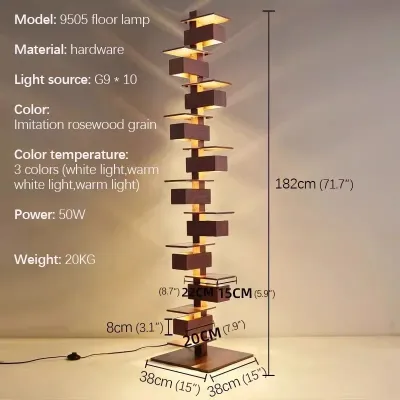
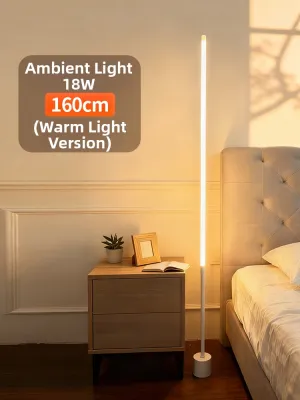
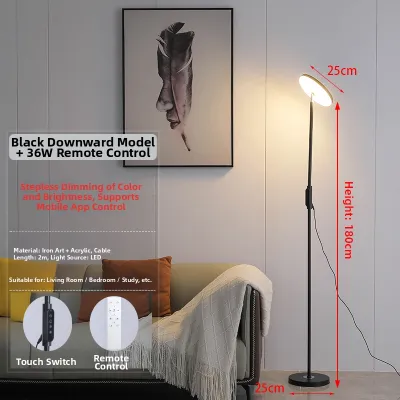
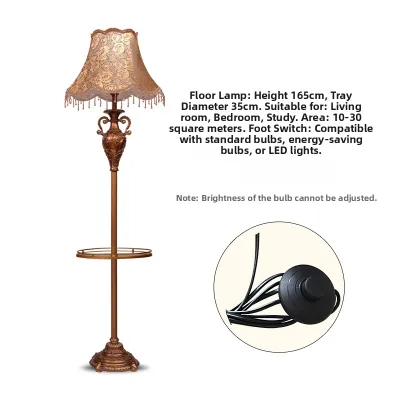
Prices are valid at publication and may change. Please refer to the product page for the latest price.
The direction of light distribution radically alters how you perceive a room’s size and atmosphere. Uplighting fixtures direct light toward the ceiling, bouncing it downward to create a soft, glare-free glow that visually elevates low ceilings and makes compact rooms feel more spacious. Downlighting fixtures cast a focused cone of light downward, which is ideal for reading corners or highlighting a specific design object, creating a cozy and intimate zone within a larger room. Diffused glowing lamps emit light evenly in all directions through shades made of glass, fabric, or paper, softening harsh shadows and bathing the entire living room in a gentle, relaxing ambiance.
Recommended Designer Floor Lamp Styles for Singapore Homes
Arc and Overarching Lamps for Compact HDB Layouts
Arc floor lamps are an exceptional spatial solution for compact HDB layouts where floor space is at a premium. Featuring a heavy base that sits tucked away in a corner or behind a sofa, these lamps utilize a long, sweeping neck to suspend a light source directly over a coffee table or seating area. This design eliminates the need for a central ceiling junction box or dangling pendant cords, offering the visual benefit of an overhead light without requiring permanent electrical modifications. The sweeping curve of an arc lamp also serves an aesthetic purpose, softening the rigid, linear architecture common in modern apartment layouts.

When integrating an arc lamp into a high-traffic living room, verifying physical stability is paramount. Because the arm extends far from the vertical axis, these fixtures rely on heavy bases, often crafted from solid marble, concrete, or dense steel, to counterbalance the weight of the cantilevered shade. You must measure the exact footprint of the base and ensure it does not obstruct walkways or cabinet doors. Furthermore, check the height clearance of the lowest point of the arc; the shade should hang high enough to prevent tall family members or guests from bumping into it, yet low enough to focus light effectively over your seating zone.
Sculptural and Tripod Lamps for Spacious Condo Corners
For homeowners with more spacious condominium layouts or open-plan landed properties, empty corners and transition zones can often feel cold and unfinished. Sculptural and tripod floor lamps serve as functional art pieces that anchor these underutilized spaces, providing visual interest even when turned off. A tripod lamp, with its three-legged architectural base, introduces geometric complexity and structural stability, making it an excellent framing element next to large media consoles or flanking a modular sofa. Sculptural lamps, utilizing organic shapes, hand-blown glass globes, or folded paper shades, act as immediate conversation starters that define the room’s design pedigree.
Achieving visual balance with a bold, sculptural lamp requires careful consideration of the surrounding furniture’s scale. A massive, heavy-looking lamp placed next to a delicate, low-profile mid-century modern armchair will overwhelm the space, making the arrangement look top-heavy and disjointed. Conversely, a thin, spindly lamp will get lost next to a deep, plush sectional sofa. To create a harmonious composition, balance the visual weight of the lamp’s materials with your furniture. For example, if your living room features heavy wooden cabinetry and dark leather seating, a sculptural lamp with a travertine base and a delicate linen shade can introduce a welcome contrast of textures.
Material selection also plays a crucial role in how a designer lamp complements your interior theme and withstands Singapore’s tropical climate. High-quality metals such as brushed brass, anodized aluminum, and copper add a touch of luxury to contemporary and industrial spaces, but they must be treated with protective coatings to prevent oxidation in humid environments. Natural materials like solid wood, marble, and woven textiles bring warmth and organic texture to Japandi, Scandinavian, and minimalist interiors. When choosing fabric or paper shades, ensure they are kept away from direct sunlight to prevent UV discoloration over time, and clean them regularly with a dry microfibre cloth to prevent dust buildup.
Minimalist and Linear Designs for Modern Interiors
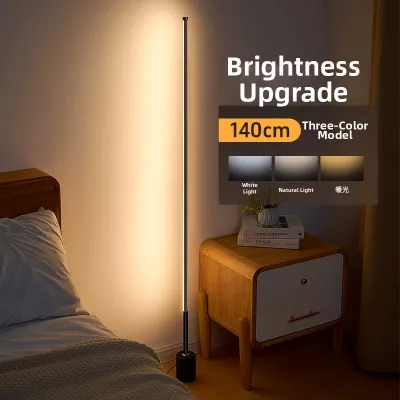
Minimalist and linear floor lamps represent the pinnacle of modern, unobtrusive lighting design, making them ideal for sleek, contemporary Singapore homes. These fixtures often consist of nothing more than a slender metal rod or a thin, vertical light bar that projects light backward against a wall or into a corner. This technique, known as wall-washing, creates a soft, indirect glow that accentuates wall textures, paintings, or architectural features without exposing the eyes to a direct, glaring light source. Because of their ultra-slim profiles, linear lamps can be slipped into incredibly tight spaces, such as the narrow gap between a bookshelf and a wall, or directly behind a television console to act as a bias light.
The primary technological driver behind minimalist floor lamps is the integration of high-performance LEDs. Unlike traditional incandescent or halogen bulbs, integrated LEDs allow designers to create incredibly thin, fluid shapes that would otherwise be impossible. Many of these modern fixtures feature built-in touch-sensitive dimmers directly on the lamp body, allowing you to adjust the light output with a simple tap. Some advanced models also offer adjustable color temperature controls, enabling you to switch from a bright, neutral white light for daytime tasks to a deep, golden warm light for late-night relaxation.
Essential Specifications and Electrical Safety Checks
Purchasing a high-end designer floor lamp is a significant investment, making it crucial to verify that the fixture is fully compatible with Singapore’s domestic infrastructure. Singapore operates on a standard voltage of 230V at a frequency of 50Hz. Many designer lamps sourced directly from North America are built for 110V/60Hz systems and will require a step-down transformer to operate safely in Singapore; simply changing the plug or using a cheap travel adapter can permanently damage the lamp’s internal wiring or integrated LED drivers. Always verify that the lamp is rated for 220V–240V, and ensure it is fitted with a standard UK-style Type G plug that complies with local safety standards.
Electrical safety is a non-negotiable consideration, particularly for heavy metal fixtures or lamps with integrated electronic components. When purchasing lighting in Singapore, look for the Enterprise Singapore Safety Mark on the power adapter, plug, or integrated LED driver. This mark indicates that the electrical components have been tested and certified safe for domestic use, protecting your home from short circuits, electrical fires, and power surges. For imported designer fixtures that do not carry a local Safety Mark, ensure they possess reputable international certifications such as the European CE mark or the North American UL listing, and consult a licensed electrical worker to verify their safety before installation.
To achieve the perfect ambiance, you must pay close attention to light quality metrics, specifically color temperature and the Color Rendering Index (CRI). For a living room, which is primarily a space for relaxation and socializing, a warm white color temperature between 2700K and 3000K is highly recommended. This range mimics the warm, comforting glow of traditional incandescent bulbs and candlelight, helping to lower stress levels in the evening. Furthermore, prioritize lamps with a CRI of 90 or higher. A high CRI ensures that the colors of your living room furniture, rugs, and artwork are rendered accurately and vibrantly, preventing them from looking washed out or muddy under artificial light.
Control and dimming capabilities are essential for tailoring your living room’s mood throughout the day. If you select a floor lamp with a built-in dimmer, verify whether it uses a leading-edge or trailing-edge dimming system, especially if the lamp uses replaceable LED bulbs. Using an incompatible bulb with a dimmable fixture can cause annoying flickering, buzzing noises, and premature bulb failure. Additionally, be aware that lamps with integrated smart modules or proprietary LED drivers are often incompatible with external wall dimmers or smart plugs; attempting to dim them via an external switch can starve the internal electronics of power, leading to permanent damage. For heavy overarching lamps or any custom wall-anchored fixtures, always isolate the main power before assembly, follow the manufacturer’s precise installation instructions, and consult a qualified professional if working at height or handling complex structural mountings.
How to Verify Authenticity and Warranty
The market for designer lighting is unfortunately filled with high-fidelity replicas and counterfeit products that mimic the visual appearance of iconic pieces at a fraction of the cost. However, these cheap imitations rarely match the material quality, structural stability, or electrical safety of the originals. To protect your investment, always purchase designer floor lamps from authorized local distributors, official brand showrooms, or verified flagship stores on reputable online platforms. Authorized dealers can provide official provenance documents, certificates of authenticity, and direct access to manufacturer support.
When inspecting a physical lamp, look for specific red flags that indicate a replica or counterfeit product. Authentic designer lamps feature flawless manufacturing tolerances, with seamless metal joints, high-quality finishes, and substantial physical weight—particularly in the base. Replicas often use lightweight plastics disguised as metal, display visible weld marks, and utilize cheap, thin electrical cords. Furthermore, most luxury lighting brands engrave their logo, the designer’s signature, or a unique serial number directly onto the metal frame or base of the lamp. The absence of these markings, or packaging that lacks official branding and protective molded foam, is a strong indicator of a counterfeit.
A robust warranty is essential when purchasing high-value lighting, particularly for modern fixtures that utilize integrated LED modules. Unlike traditional lamps where you can simply screw in a new bulb, integrated LED lamps rely on soldered light diodes and custom electronic drivers. If these components fail, they cannot be easily repaired by the homeowner. Ensure your purchase includes a comprehensive local warranty that covers integrated LED failures, structural defects, and electronic driver malfunctions. Verify whether the local distributor stocks replacement parts, such as specific hand-blown glass shades or proprietary power adapters, to ensure your designer lamp can be serviced and preserved for decades to come.
Frequently Asked Questions (FAQ)
How tall should a designer floor lamp be in a living room?
The ideal height of a designer floor lamp depends primarily on its intended function and the height of your living room furniture. For ambient uplighters and decorative sculptural lamps, a height range of 160cm to 180cm is standard, ensuring the light source is positioned high enough to distribute light effectively across the upper walls and ceiling. For task-oriented reading lamps placed next to an armchair or sofa, the lamp should typically stand between 140cm and 150cm tall. When seated, the bottom of the lampshade should align roughly with your eye level; this prevents the bulb from casting a direct, uncomfortable glare into your eyes while providing focused illumination for reading or working.
Can I use smart bulbs in designer floor lamps?
Yes, you can use smart bulbs in designer floor lamps, provided the fixture features a standard replaceable bulb socket such as an E27, E14, or B22 base. Before purchasing a smart bulb, check the physical dimensions of the lamp’s shade to ensure the smart bulb—which is often larger than standard bulbs due to internal wireless radios—fits comfortably inside without touching the shade. However, if your designer lamp has a built-in physical dimmer switch on the cord or body, using a smart bulb can cause electrical conflicts. To use a smart bulb safely in a dimmable fixture, you must keep the physical dimmer set to 100% power and use the smart bulb’s dedicated mobile app, remote, or voice assistant to adjust the brightness.
Community discussion
Share your experience or ask a question. Comments are reviewed before publication.