
A reliable desk clock is more than just a functional timekeeper; it is an essential anchor for productivity and a key design element for your workspace. In Singapore, finding the perfect balance of durability, accuracy, and aesthetic appeal requires looking past superficial designs to evaluate the engineering underneath. Whether you need a silent companion for a quiet home office or a multi-functional digital hub for a busy corporate environment, the right timepiece keeps your day structured without becoming a distraction.
When selecting a clock, desk placement and local environmental factors play a major role in long-term performance. Singapore’s high relative humidity and temperature fluctuations between air-conditioned and non-air-conditioned spaces can quickly degrade low-quality mechanisms. To secure true value, buyers must focus on trusted brands that offer robust internal movements, high-quality casing materials, and reliable local warranty support. This comprehensive guide evaluates the leading desk clock brands available in Singapore, helping you make an informed investment for your workspace.
How to Judge Desk Clock Reliability and True Value
To find a desk clock that stands the test of time, you must first define what “value” means beyond the initial price tag. True value represents the cost-per-year of reliable service. A cheap, unbranded clock that costs S$10 but fails after six months due to humidity-induced gear warping is far more expensive over a five-year period than a S$50 timepiece from a reputable manufacturer that runs flawlessly for a decade. Reliable clocks maintain consistent timekeeping accuracy, resist environmental wear, and consume battery power efficiently, minimizing the hassle of frequent adjustments and battery replacements.
Products mentioned in this guide
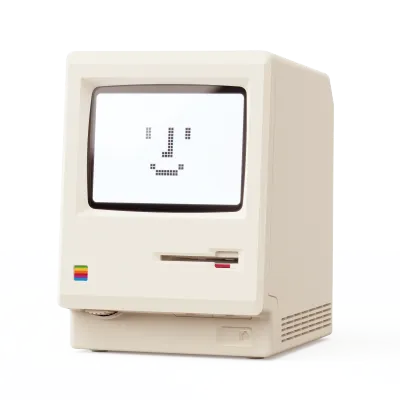
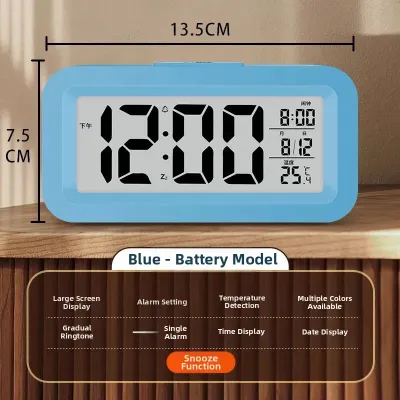
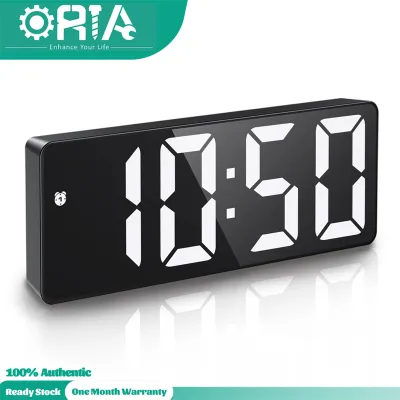
![[SG Seller]LED Digital USB Minimalist Alarm Table Wall Clock USB Powered / Temperature Date](https://img.lazcdn.com/g/p/3dfc5fdb4df54d627bade18cc1e6d4fd.png_400x400q80.png_.webp)
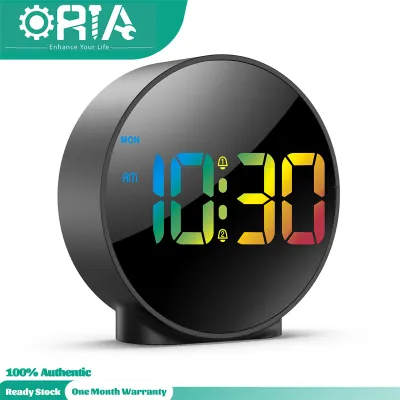
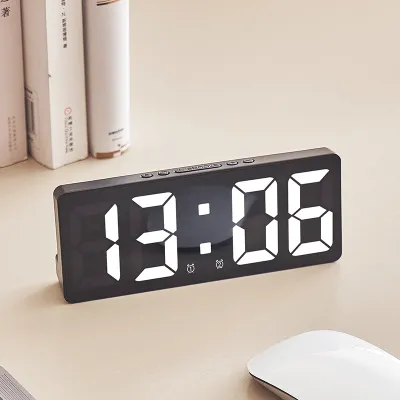
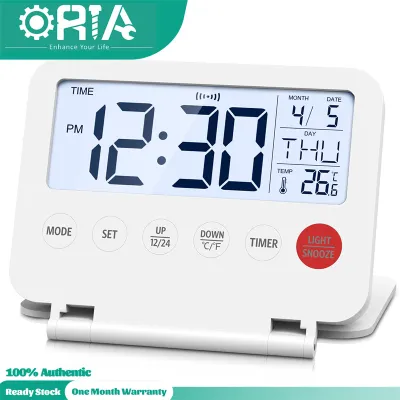
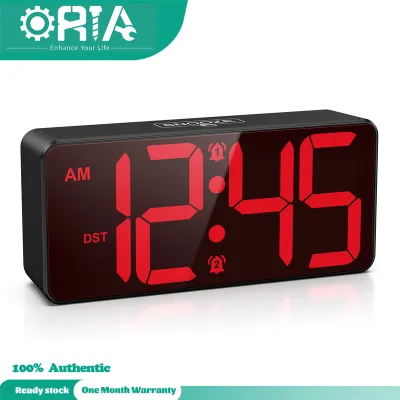
Prices are valid at publication and may change. Please refer to the product page for the latest price.
The internal movement is the heart of any clock, directly dictating both its reliability and how it affects your working environment. Standard quartz movements use a step-motor mechanism that moves the second hand in distinct, one-second jumps, producing the classic ticking sound. While highly accurate—typically losing or gaining less than 15 seconds a month—the repetitive ticking can be a major psychological distraction in quiet study rooms. In contrast, silent sweep movements move the hands continuously, eliminating acoustic noise but drawing slightly more power. Smart digital movements offer auto-syncing capabilities and multi-function displays, but they require a continuous power connection or frequent recharging, making them less self-sufficient than traditional quartz.
Build materials are another critical factor in determining how well a clock survives Singapore’s tropical climate. High-density ABS plastics and polycarbonate casings resist warping, impact, and UV-induced yellowing over time. Metals like anodized aluminum or stainless steel offer excellent structural integrity and a premium feel, though they must be treated to prevent surface oxidation in humid environments. Solid, sealed wood adds natural warmth to a desk but can swell or crack if exposed to extreme moisture fluctuations, making high-quality synthetic composites or properly lacquered hardwoods the preferred choice for long-term durability.
Finally, local warranty support and accessible after-sales service are indispensable components of true value. Purchasing a clock from a brand with an established distributor in Singapore ensures that if a manufacturing defect arises, you can easily obtain a replacement or repair. Brands that offer a clear one-year local warranty provide peace of mind that generic, parallel-imported alternatives simply cannot match. Knowing that genuine replacement parts and professional repair services are locally accessible prevents your clock from becoming electronic waste if a minor component fails.
Trusted Desk Clock Brands for Everyday Workspaces
Heritage Watchmakers
For those who prioritize absolute precision, classic aesthetics, and decades of engineering expertise, heritage watchmakers like Seiko and Citizen represent the gold standard. These brands have spent over a century refining their horological technology, and this expertise translates directly into their desk-bound timepieces. Seiko desk clocks are highly regarded for their proprietary quiet sweep movements, which deliver silent, fluid motion without sacrificing the legendary accuracy of their quartz crystals. Citizen focuses on robust, high-contrast analog dials and exceptionally durable casings that feel substantial and professional on any executive desk.

The primary benefit of choosing a heritage watchmaker is the sheer longevity of the product. These clocks are engineered with tight tolerances and high-grade internal gears that resist dust accumulation and physical wear, often operating perfectly for 10 to 15 years with nothing more than routine battery changes. Their designs lean toward the traditional and professional, featuring clean typography, polished metallic accents, and elegant wooden frames.
However, these premium characteristics come with clear trade-offs. Heritage desk clocks generally command higher price points, often ranging from S$40 to well over S$150 depending on the materials and complexity. Additionally, these brands focus heavily on traditional timekeeping, meaning you will rarely find modern smart-home integrations, USB charging passthroughs, or complex digital displays in their lineups. They are built to do one thing exceptionally well: tell the time reliably and elegantly.
Practical Electronics and Utility Brands
If your workspace demands high functionality, modern legibility, and rugged everyday utility, electronics giants like Casio and design-forward utility brands like Braun offer the ideal balance. Casio is synonymous with indestructible digital engineering, offering desk clocks featuring high-contrast LCD screens, loud and reliable alarm systems, and integrated environmental sensors. Braun, carrying forward the legacy of Bauhaus design and iconic industrial designer Dieter Rams, focuses on minimalist analog and digital clocks that prioritize absolute legibility, tactile button layouts, and clean, geometric forms.
Casio desk clocks are highly favored by students and busy professionals who need multi-functional tools. Many of their digital models include integrated thermometers and hygrometers, allowing you to monitor your room’s climate at a glance. Their digital backlights are evenly distributed, and their physical buttons are designed to withstand tens of thousands of presses. Braun clocks appeal to those who appreciate understated design; their silent analog sweep movements, iconic yellow second hands, and intuitive slide-up alarm switches make them a joy to use daily.
These utility-focused brands represent the absolute “sweet spot” for everyday value in Singapore, with most models priced between S$25 and S$80. They combine highly reliable internal electronics with durable, lightweight plastic or composite casings. While they may lack the luxurious weight of a solid wood or heavy metal Seiko clock, their practical features, ease of use, and robust construction make them incredibly cost-effective investments for any standard office desk or bedside table.
Minimalist Lifestyle and Home Brands
For modern, uncluttered workspaces where visual harmony and budget-friendliness are the primary goals, lifestyle brands like Muji and global home furnishing retailers like IKEA offer highly attractive options. Muji is celebrated for its hyper-minimalist, functional aesthetic, utilizing neutral colors, matte plastics, and natural wood grains to create clocks that blend seamlessly into the background. IKEA provides highly affordable, Scandinavian-inspired designs that focus on simple shapes, bold numbers, and compact footprints.
These lifestyle brands heavily favor silent sweep quartz movements, ensuring that their budget-friendly clocks do not disturb your focus with loud ticking. They are highly popular among students, renters, and decor enthusiasts who enjoy updating their workspace layout frequently without committing to a major financial investment. A clean, white Muji desk clock or a compact IKEA digital unit fits effortlessly into contemporary interiors, providing essential timekeeping without dominating the visual landscape of your desk.
Despite their aesthetic appeal and low upfront cost—typically ranging from S$10 to S$40—these clocks have distinct limitations regarding long-term durability. To maintain low retail prices, these brands often source lighter, mass-produced plastic movements with wider manufacturing tolerances. Over time, these movements are more susceptible to losing seconds, consuming batteries faster, or failing entirely after two to three years of continuous use. They are excellent choices for casual styling and short-to-medium-term utility, but they do not offer the generational reliability of dedicated watchmakers.
Essential Features to Match Your Desk Environment
Acoustic Needs
Before selecting a clock, evaluate the ambient noise level of your workspace and your personal sensitivity to sound. In a quiet home study, a traditional ticking clock can quickly become an irritating distraction, disrupting your focus during deep work sessions. For these environments, a silent sweep analog movement or a completely silent digital display is highly recommended. Conversely, if you work in a bustling, open-plan corporate office with constant background chatter, a standard ticking quartz clock is perfectly acceptable, as the ambient noise will easily mask the sound of the step motor.
Lighting Conditions
Your desk’s placement and your working hours should dictate the clock’s illumination features. If your desk is tucked into a dimly lit corner or if you frequently work late into the night, a clock with poor legibility can strain your eyes. Look for analog clocks with luminous hands treated with high-quality phosphorescent paint, or digital clocks with an on-demand backlight button that lights up the screen for a few seconds when pressed. For bedside desks, consider models with smart light sensors that emit a very soft, non-disruptive glow only when the room goes dark, avoiding the harsh blue light of un-dimmable digital screens.
Environmental Monitoring
In Singapore, indoor climates can vary dramatically between heavily air-conditioned offices and warm, humid home environments. A desk clock equipped with a built-in thermometer and hygrometer is highly practical for monitoring these conditions. Maintaining an optimal indoor humidity level (ideally between 40% and 60%) is crucial for both personal comfort and protecting sensitive electronic equipment from moisture damage. Having these readings integrated into your desk clock allows you to adjust your air conditioner, humidifier, or dehumidifier promptly to maintain a healthy workspace.
Power Sources
Choosing between battery-operated and plug-in desk clocks involves balancing placement flexibility against maintenance convenience. Battery-powered clocks (typically utilizing AA or AAA batteries) offer complete freedom of movement, letting you place the clock anywhere on your desk without adding to cable clutter. However, they require periodic battery replacements. Digital clocks with bright, full-color displays, continuous backlighting, or smart connectivity require more power and must be connected to a USB port or a mains outlet. If you choose a plug-in model, ensure your desk has adequate cable management channels to keep the power cord neatly hidden.
Where to Buy Authentic Desk Clocks in Singapore
To ensure you are purchasing a genuine product backed by a valid manufacturer’s warranty, always buy from authorized retail channels. For heritage brands like Seiko and Citizen, visiting official brand boutiques or established watch retailers is the safest path. Major department stores in Singapore—such as Takashimaya, BHG, Tangs, and Isetan—maintain dedicated timepiece sections that carry curated selections of reliable desk clocks from reputable brands, ensuring authenticity and proper consumer protection.
When purchasing online, exercise caution and stick to official brand storefronts or authorized distributors on major e-commerce platforms. Always verify that the product listing explicitly mentions a local Singapore warranty. Authentic products distributed through official channels will include a physical warranty card stamped by the local distributor (such as Thong Sia for Seiko products) along with an instruction manual in English. Avoid unverified third-party sellers offering prices that seem too good to be true, as these are often parallel imports (grey market) or counterfeit goods that local service centers will refuse to repair.
Whenever possible, visiting a physical retail display is highly beneficial before making a final decision. Seeing the clock in person allows you to assess its true dimensions, weight, and build quality, which can be difficult to gauge from online images alone. You can test the viewing angles of a digital screen under bright overhead store lights to ensure it won’t suffer from excessive glare on your desk. Additionally, you can hold an analog clock close to your ear to personally verify if the “silent sweep” movement is truly quiet enough for your sensory preferences.
Simple Maintenance to Extend Your Clock's Lifespan
Battery Best Practices
To keep your desk clock running accurately and to prevent catastrophic internal damage, always consult the manufacturer’s care instructions regarding battery usage. Many traditional, low-drain quartz analog clocks explicitly recommend using standard carbon-zinc batteries rather than high-drain alkaline batteries. High-drain alkaline batteries can sometimes deliver a current that is too strong for the delicate, low-resistance coils of simple quartz movements, leading to premature wear or timing inaccuracies over time. Furthermore, never mix old and new batteries in digital clocks, and make it a habit to replace batteries annually to prevent chemical leakage, which can corrode the metal contact plates and ruin the clock’s circuitry.
Cleaning
Keeping your clock clean preserves its legibility and prevents dust from migrating into the internal movement. Dust the casing and the protective front cover regularly using a dry, clean microfiber cloth to avoid scratching plastic or glass surfaces. If the clock accumulates stubborn smudges, wipe it gently with a slightly damp microfiber cloth. Never spray liquid cleaners, glass sprays, or harsh chemical solvents directly onto the clock casing, as these chemicals can degrade protective coatings, cloud clear plastic lenses, and dissolve printed markings or brand logos on the dial.
Placement
Proper physical placement is vital for protecting your clock from environmental degradation. Avoid placing your desk clock in direct sunlight, as prolonged UV exposure can fade analog dials, yellow plastic casings, and overheat digital LCD screens, causing temporary or permanent display blackouts. Keep the clock away from open windows where sudden rain showers or high outdoor humidity can penetrate the casing. Additionally, do not place the clock directly adjacent to indoor humidifiers, water features, or magnetic fields—such as those generated by large unshielded audio speakers—which can temporarily disrupt the accuracy of quartz oscillators.
Frequently Asked Questions (FAQ)
Are smart desk clocks better than traditional quartz clocks?
Whether a smart desk clock is better depends entirely on your specific workspace needs. Smart desk clocks offer advanced features such as automatic time synchronization via Wi-Fi, weather forecasting, and integration with smart-home systems, making them highly versatile tools. However, they require a constant connection to a power outlet, rely on stable internet connections, and can introduce digital distractions to your desk. Traditional quartz clocks offer unmatched, distraction-free reliability, requiring zero network setup and operating continuously for a year or more on a single, inexpensive battery.
How do I fix a desk clock that is running slow or losing time?
If your desk clock begins to lose time, the most common culprit is a depleting battery. Even if the hands are still moving or the digital screen is lit, a drop in voltage can cause the quartz crystal oscillator or the step motor to lag; replacing the battery with a fresh, high-quality cell should be your first troubleshooting step. Next, inspect the battery compartment and clean any minor oxidation or dust from the metal contacts using a dry cotton swab or a clean pencil eraser. If the clock continues to lose time after these steps, the internal gear train or electronic circuit may have suffered physical wear or moisture damage, which typically requires professional repair or replacement.
Do I need a special clock for an air-conditioned room?
No, you do not need a specialized clock for a standard air-conditioned office or study room, as high-quality desk clocks from reputable brands are engineered to operate reliably within normal indoor temperature ranges. However, you should avoid placing your clock directly in the path of cold air vents. The direct blast of cold air can cause rapid temperature drops, leading to localized condensation inside the casing when the air conditioning is turned off. This moisture can fog up the front glass of analog dials and slowly corrode sensitive internal electronic components over time.
Community discussion
Share your experience or ask a question. Comments are reviewed before publication.