
Integrating diamond art—a craft involving the meticulous application of thousands of faceted resin drills to an adhesive canvas—into a home’s interior design requires a thoughtful balance between creative expression and spatial harmony. While the sparkling, dimensional quality of these pieces makes them visually captivating, an mismatched style can easily disrupt the aesthetic flow of a room. By aligning the subject matter, color palette, and framing of your diamond painting with your existing decor theme, you can transform a personal crafting project into a sophisticated, gallery-worthy focal point.
Choosing the right style involves analyzing how the reflective facets of the resin drills interact with your room’s light, coordinating the artwork’s colors with your textiles, and selecting a frame that bridges the gap between the canvas and your walls. Whether your home leans toward the clean lines of modern minimalism, the layered textures of bohemian design, or the timeless elegance of traditional decor, there is a diamond art style that can elevate your space.
Key Factors for Matching Diamond Art to Your Interior Design
Before selecting a diamond painting kit, it is essential to understand how the physical characteristics of the medium will interact with your living space. Unlike flat prints or traditional oil paintings, diamond art features a highly textured, reflective surface. This unique quality means the artwork will look different depending on the angle of view and the lighting conditions in the room.
Products mentioned in this guide
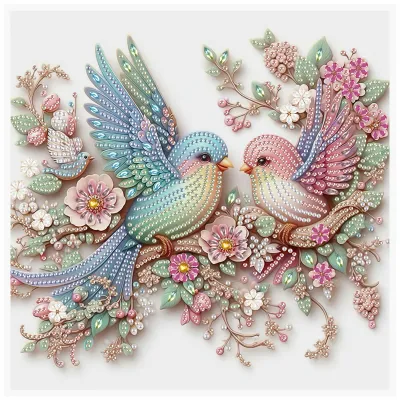

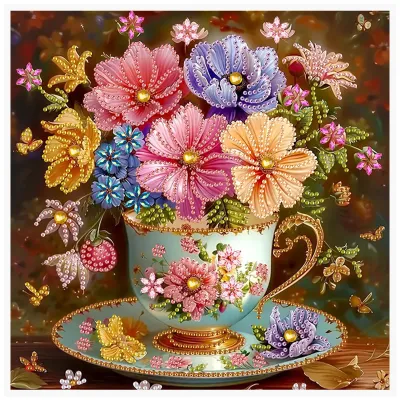

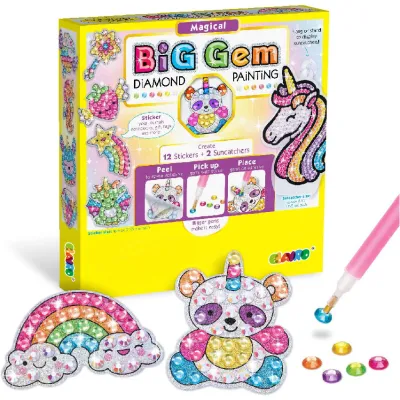
![[SG Stock] Kids DIY Diamond Painting Kit With Frame Cute Cartoon Handmade Mosaic Craft Gift for Children](https://img.lazcdn.com/g/p/0d76ebaaa116993e8b2a681c6afa9476.jpg_400x400q80.jpg_.webp)
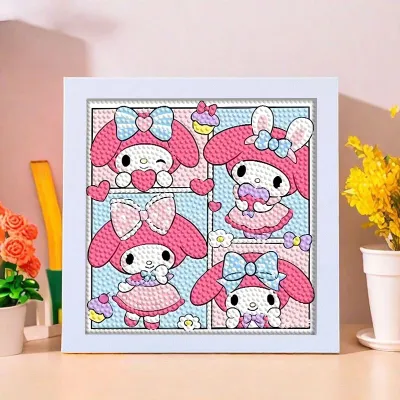
Prices are valid at publication and may change. Please refer to the product page for the latest price.
The sparkle factor of resin drills can either enhance or overwhelm a space. In rooms with abundant natural light, the facets of the drills will catch the sun, creating a dynamic, shimmering effect throughout the day. In spaces reliant on artificial light, the placement of lamps and overhead fixtures will dictate how the piece shines. If you want a subtle, sophisticated look, you must consider how to manage this reflectivity so it does not compete with other design elements.
Color palette coordination is another critical pillar of successful integration. Rather than choosing a design solely because you like the image, analyze the dominant and accent colors of the room where it will hang. You can either match the artwork to your existing color scheme to create a cohesive, calming environment, or use it as an intentional pop of contrasting color to draw the eye. Utilizing interior design principles like the 60-30-10 rule—where 60% of the room is a dominant neutral, 30% is a secondary color, and 10% is an accent—can help you place your diamond art within the accent category.
The size and scale of the canvas must also match the proportions of your wall and furniture. A small canvas hung alone on a large, expansive wall will look lost and unfinished, while an oversized piece in a compact room can feel suffocating. For larger walls, consider a grand statement piece or a curated gallery wall that combines your diamond art with other media. For smaller spaces, such as cozy reading nooks or entryways, a series of smaller, coordinated canvases can add charm without overwhelming the area.
To help you quickly identify the best starting point for your home, the table below maps common interior design themes to recommended diamond art styles, color palettes, and structural preferences.
| Decor Theme | Recommended Diamond Art Style | Dominant Color Palette | Ideal Drill Shape |
|---|---|---|---|
| Modern & Minimalist | Geometric, Abstract, Line Art | Monochromatic, Grayscale, Muted Neutrals | Square Drills (for a seamless, clean grid) |
| Bohemian & Eclectic | Floral, Botanical, Mandala, Wildlife | Jewel Tones, Terracotta, Rich Greens | Round Drills (for a softer, organic texture) |
| Traditional & Rustic | Landscapes, Seascapes, Fine Art Reproductions | Warm Earth Tones, Deep Blues, Forest Greens | Square Drills (for maximum detail and density) |
Best Diamond Art Styles for Modern and Minimalist Interiors
Modern and minimalist interiors prioritize clean lines, functional spaces, and a lack of unnecessary clutter. In these environments, every piece of decor must justify its presence. Diamond art can work beautifully in a minimalist setting, provided you choose designs that emphasize structure, form, and restraint rather than chaotic detail.

Geometric and Abstract Styles
Geometric and abstract diamond art styles are ideal for contemporary spaces because they introduce visual interest and physical texture without disrupting the room’s sense of order. Look for designs featuring clean color blocking, sharp intersecting lines, or simple asymmetrical shapes. These patterns provide a modern focal point that draws the eye, while the structured layout of the resin drills reinforces the clean geometry of modern furniture.
Monochromatic and Line Art Styles
If your home follows a Scandinavian or ultra-modern aesthetic, monochromatic or line art designs are exceptionally fitting. A black-and-white abstract piece or a simple single-line portrait rendered in diamond drills offers an elegant, understated beauty. The simplicity of the color palette allows the texture of the drills to take center stage, creating a sophisticated play of light and shadow that looks highly intentional and refined.
Styling and Framing Tips
To maintain a sleek, contemporary look, your framing choices should be as unobtrusive as possible.
- Thin Metallic Frames: A slender frame in matte black, brushed chrome, or brass adds a clean border without distracting from the art.
- Floating Frames: These create the illusion that the canvas is hovering inside the frame, adding a modern, gallery-like depth.
- Frameless Mounts: Wrapping the canvas tightly around a hidden wooden stretcher bar (gallery wrapping) keeps the focus entirely on the textured surface.
Pitfalls to Avoid
When decorating a minimalist space, avoid highly detailed, busy, or overly bright patterns. Landscapes with dozens of competing colors or whimsical, cartoonish designs will clash with the serene, orderly nature of modern decor. Stick to limited color stories and clear, defined shapes to ensure the artwork complements rather than disrupts your home’s aesthetic.
Ideal Diamond Art Styles for Bohemian and Eclectic Spaces
Bohemian and eclectic spaces thrive on self-expression, layered textures, global influences, and a relaxed, free-spirited atmosphere. In these homes, diamond art can be embraced for its rich texture and vibrant colors. The sparkling quality of the drills fits naturally alongside lush textiles, natural materials, and collected treasures.
Floral, Botanical, and Mandala Styles
Nature-inspired designs are a cornerstone of bohemian decor. Diamond art featuring lush green monstera leaves, tropical palm fronds, or intricate floral arrangements brings an organic energy indoors. Symmetrical mandala designs are also highly effective, offering a spiritual, meditative quality. The detailed patterns of mandalas, highlighted by the shimmer of the drills, create a captivating centerpiece that harmonizes with boho textiles like macrame and woven rugs.
Animal and Wildlife Styles
For an eclectic space that embraces bold, unconventional design, wildlife diamond art can serve as a stunning focal point. Think of vibrant peacock designs, detailed elephants, or colorful tropical birds. These subjects allow you to introduce rich, saturated colors into your space, acting as a conversation starter and anchoring the room’s eclectic color palette.
Styling Tips for Maximum Impact
To integrate your diamond art seamlessly into a bohemian room, surround it with complementary textures and warm lighting.
- Pair with Greenery: Hang your botanical diamond art near real houseplants to create a layered, indoor-jungle effect.
- Incorporate Natural Textures: Display the artwork above a rattan sideboard, a bamboo console table, or alongside a hand-woven macrame wall hanging.
- Use Warm Ambient Light: Soft, warm lighting from salt lamps, fairy lights, or brass sconces will catch the facets of the drills, casting a cozy, inviting glow across the room.
Frame Choices for a Collected Look
Boho and eclectic styles reject rigid uniformity, allowing you to experiment with more characterful frames. Consider using natural, light-colored wood frames to emphasize the organic feel, or search for vintage, carved wooden frames at local shops to add a sense of history. Bamboo frames or distressed, painted finishes also work beautifully to enhance the relaxed, collected-over-time aesthetic of your space.
Diamond Art Styles for Traditional, Rustic, and Classic Decor
Traditional, rustic, and classic design themes evoke feelings of warmth, comfort, and timeless elegance. Whether your home features the rich woods and formal symmetry of traditional style, or the weathered textures and cozy atmosphere of a rustic farmhouse, your diamond art choices should reflect a sense of heritage and natural beauty.
Landscape and Seascape Styles
Realistic nature scenes are exceptionally well-suited for traditional and rustic spaces. Diamond art depicting sweeping mountain ranges, serene forest pathways, autumn woodlands, or calm ocean waves adds depth and a tranquil presence to a room. These classic subjects harmonize with natural materials like stone, brick, and dark wood furniture, reinforcing the connection to the outdoors that is central to rustic design.
Classic Art Reproductions
For formal living rooms or classic studies, diamond painting kits based on famous historical masterpieces offer an elegant solution. Reproductions of Impressionist works by artists like Claude Monet or Vincent van Gogh translate beautifully into diamond art. The mosaic-like nature of the resin drills naturally mimics the thick, textured brushstrokes of oil paintings, giving the finished piece a sophisticated, gallery-style appearance that fits classic decor.
Framing and Styling Tips
To elevate your diamond art and give it a formal, finished look that matches classic interiors, invest in high-quality framing.
- Ornate Wooden Frames: Deep mahogany, walnut, or cherry wood frames with classic molding add weight and importance to the artwork.
- Gold-Leaf and Gilded Frames: A traditional gold or bronze frame complements fine art reproductions, adding a touch of museum-quality luxury.
- Matting: Adding a wide, neutral-colored mat board between the artwork and the frame provides breathing room, making the piece look professionally curated.
Pitfalls to Avoid
To maintain the harmony of a traditional or rustic room, steer clear of neon color palettes, pop-art designs, or highly abstract, chaotic patterns. These styles will look jarring against classic furniture and warm, earthy color schemes. Choose designs with softer transitions, realistic shading, and deep, rich tones that feel grounded and timeless.
How to Frame, Light, and Display Your Diamond Art
Once you have completed your diamond painting, the final steps of framing, lighting, and positioning will determine how successfully it integrates into your home. Proper display not only maximizes the visual impact of the piece but also protects it from environmental damage, ensuring it remains beautiful for years to come.
Framing Options and Drill Protection
Framing diamond art requires a slightly different approach than framing flat paper prints. Because the resin drills have physical depth, placing them directly against standard picture frame glass can compress the canvas, potentially causing the drills to pop off over time.
- Use Spacers or Shadow Boxes: If you prefer a glass or acrylic cover to protect the piece from dust, use a frame with built-in spacers or a shadow box. This keeps the glass from directly touching the surface of the drills.
- Go Glassless: Many collectors prefer to display diamond art without glass. This allows the facets to catch the light directly, maximizing the sparkle. If you choose this method, ensure you seal the canvas first to lock the drills in place.
- Canvas Stretching: You can wrap the completed canvas around wooden stretcher bars for a clean, modern, and lightweight display.
Whether you opt for budget-friendly ready-made frames under S$20 or professional custom framing that can exceed S$150, protecting your investment is key.
Lighting Strategies for Perfect Sparkle
The way you light your diamond art will dramatically affect its appearance. To bring out the best in the faceted drills, aim for directional, ambient light rather than harsh, direct glare.
- Track Lighting and Spotlights: Installing adjustable track lights or picture lights above the artwork allows you to direct light at an angle, highlighting the facets and creating a sophisticated shimmer.
- Avoid Direct Sunlight: While natural light looks beautiful, hanging your diamond art in direct, intense sunlight can cause the colors of the resin drills to fade and can dry out the canvas adhesive over time.
- Color Temperature: Opt for warm-white lighting (around 3000K) to create a cozy, inviting atmosphere that enhances warm tones, or cool-white lighting (around 4000K) to make blues, whites, and modern abstract designs pop.
- Electrical Safety Warning: If you are installing new track lighting, hardwired spotlights, or picture lights to illuminate your artwork, remember to isolate the power at the main distribution board before beginning. For complex ceiling installations, working at heights, or running new electrical lines, always follow the manufacturer's installation instructions or hire a licensed, qualified professional.
Placement, Height, and Environmental Considerations
When hanging your artwork, follow standard interior design guidelines by centering the middle of the piece at eye level—typically about 145 centimeters from the floor. If you are hanging it above a piece of furniture, like a sofa or a sideboard, the frame should sit approximately 15 to 20 centimeters above the top of the furniture, and the artwork’s width should ideally be about two-thirds to three-quarters of the furniture’s width.
In tropical climates like Singapore, where relative humidity levels often exceed 80%, environmental factors play a major role in the longevity of your art. High humidity and warmth can degrade the water-based adhesives used on standard diamond painting canvases over time. To prevent this, avoid hanging your pieces in high-humidity zones like small kitchens, bathrooms, or directly opposite open windows where rain and moisture can enter.
Maintenance and Care
Keeping your diamond art clean is simple if done gently. Over time, dust can settle between the small gaps of the resin drills, dulling their sparkle.
- Soft Brushes: Use a clean, soft-bristled makeup brush, a small paint brush, or a static duster to gently sweep away dust from the surface.
- Microfiber Cloths: A dry, lint-free microfiber cloth can be used to lightly wipe the surface. Avoid using paper towels, which can leave fibers caught between the drills.
- Avoid Liquids: Never use water, glass cleaners, or harsh chemical solvents on an unsealed diamond painting, as moisture can compromise the adhesive backing.
Frequently Asked Questions (FAQ)
Does diamond art look good in small rooms or apartments?
Yes, diamond art can look exceptional in compact spaces, such as cozy HDB apartments. To make a small room feel more open, choose diamond art with a lighter color palette, such as soft pastels, sky blues, or warm creams, which help reflect light and create an airy atmosphere. Opt for smaller, strategically placed canvases rather than massive statement pieces, and hang them in areas that receive soft, indirect light to maximize their gentle, space-enhancing shimmer.
Can I mix different diamond art styles in the same room?
You can certainly mix different styles, provided you establish a unifying element to tie them together. To create a cohesive gallery wall, try mixing a botanical design with a geometric piece by keeping the color palette consistent across both artworks. Alternatively, you can use identical frame styles and colors, or stick to a single drill shape (such as all square drills) to provide a sense of visual continuity despite the differing subject matters.
How do I prevent the resin drills from falling off over time?
To ensure your diamond art remains intact for years, protect it from extreme environmental factors like direct heat, high humidity, and intense UV exposure, all of which can weaken the canvas glue. The most effective way to lock the drills in place is to apply a specialized, clear craft sealant over the finished, rolled-flat canvas. Look for non-yellowing, flexible acrylic sealants or dedicated diamond painting sealers, applying a thin, even coat with a foam brush to secure the drills without dulling their natural sparkle.
Community discussion
Share your experience or ask a question. Comments are reviewed before publication.