
Quick Answer: Evaluating Emergency Light Brands for HDB Living
There is no single “best” emergency light brand for every HDB flat in Singapore. Instead, the ideal choice depends on how well a brand’s product specifications match your flat’s physical layout, mounting restrictions, and electrical setup.
When evaluating different brands, your primary focus should be on verifying local safety certifications, ensuring compatibility with Singapore’s 230V electrical grid, and selecting a physical form factor that fits within tight HDB spaces. A reliable emergency light must feature a standard Type G plug for plug-in models, offer a battery backup duration of at least two to three hours, and come from a manufacturer with an established local distributor to ensure easy access to warranty support and replacement parts.
Understanding HDB Spatial and Electrical Constraints
Singapore HDB flats feature specific architectural and electrical characteristics that directly influence which emergency light designs are viable. Standard HDB layouts often prioritize space efficiency, resulting in narrow corridors, compact kitchen entryways, and dedicated household shelters. Installing a bulky, industrial-grade emergency fixture in a corridor that is only 1.2 meters wide can create a physical obstruction, increasing the risk of accidental bumps during daily movement.
Products mentioned in this guide
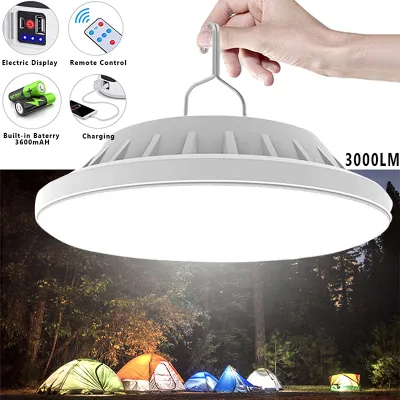
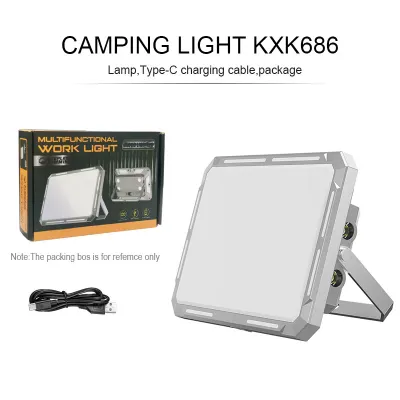
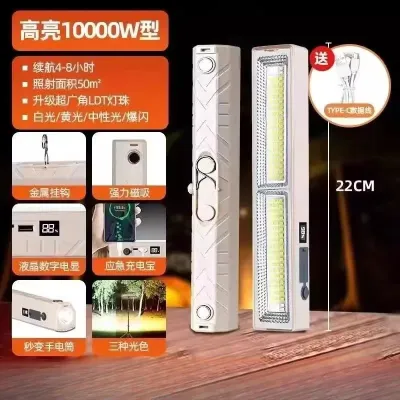
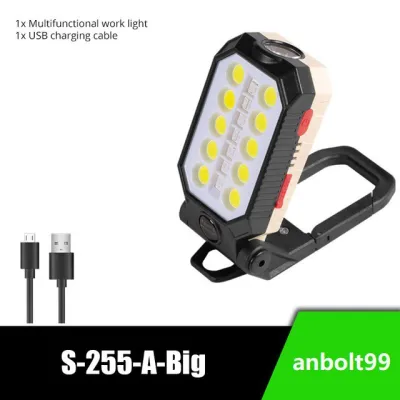
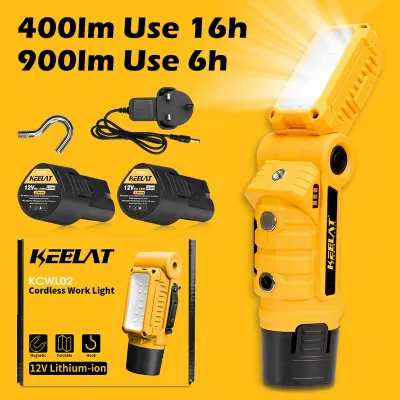
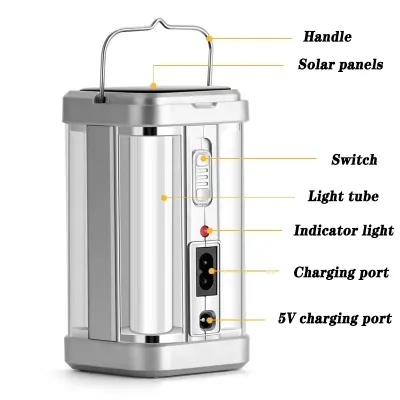
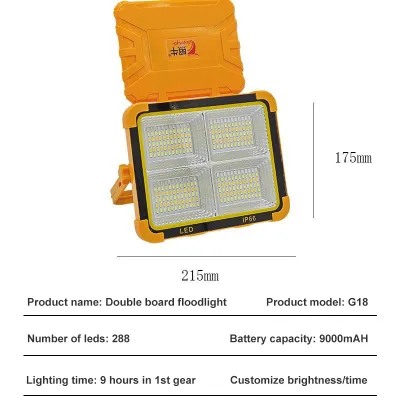
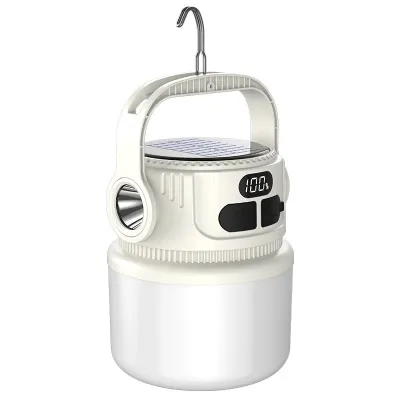
Prices are valid at publication and may change. Please refer to the product page for the latest price.

From an electrical perspective, Singapore operates on a nominal 230V AC, 50Hz system. Any plug-in emergency light you purchase must be rated for this voltage and come equipped with a fused 13A Type G plug. Using imported fixtures designed for lower voltages or different plug standards with flimsy travel adapters introduces significant electrical risks, including short circuits and localized fire hazards.
Structural restrictions also dictate your installation options. HDB walls and ceilings are typically constructed from precast concrete or reinforced concrete panels. Drilling into these surfaces requires a high-powered rotary hammer drill and specialized masonry wall plugs. Furthermore, drilling into the structural walls or ceiling of an HDB household shelter (bomb shelter) is strictly regulated to preserve its protective integrity. For these areas, non-invasive mounting solutions or portable plug-in units are highly recommended over permanent, hardwired fixtures.
Core Specifications to Compare Across Brands
When browsing product catalogs, look past marketing buzzwords and focus on the technical specifications sheet. Comparing these core metrics will help you identify which brand offers the performance your household requires.
Battery Chemistry and Lifespan
Emergency lights generally utilize either Lithium-ion (Li-ion) or Nickel-Cadmium (Ni-Cd) batteries. Li-ion batteries are highly compact, lightweight, and have a very low self-discharge rate, making them ideal for sleek, modern residential fixtures. Ni-Cd batteries are highly durable and perform exceptionally well in warm environments, but they are physically larger and require specialized recycling processes when they eventually degrade.
Lumen Output and Beam Angle
For a standard HDB living room or hallway, an emergency light with an output of 150 to 300 lumens is generally sufficient to illuminate evacuation paths safely. Excessively bright fixtures (above 500 lumens) can cause intense glare in confined spaces, temporarily impairing your vision. A wide beam angle of 120 degrees or more is excellent for broad area illumination in living rooms, while a narrower, adjustable beam angle is better suited for projecting light down long, straight corridors.
Charging and Self-Testing Functions
Select brands that feature intelligent charging circuits designed to prevent overcharging, which extends the overall lifespan of the battery. Automatic self-testing is another highly valuable feature; these units periodically run internal diagnostics to verify battery health and bulb functionality, displaying the system status via clear, color-coded LED indicator lights on the chassis.
| Specification | Standard Range | Practical Impact on HDB Living |
|---|---|---|
| Battery Type | Li-ion or Ni-Cd | Determines the physical size of the fixture and battery replacement intervals. |
| Lumen Output | 150 to 300 lm | Provides adequate path illumination without causing blinding glare in small rooms. |
| Beam Angle | 60° to 120°+ | Wide angles suit open living areas; narrow angles project light down long hallways. |
| Backup Duration | 2 to 3 hours | Ensures continuous illumination during localized power grid failures. |
| Recharge Time | 16 to 24 hours | Dictates how quickly the unit recovers full emergency capacity after a discharge. |
| Voltage Rating | 220V – 240V AC | Matches Singapore's standard electrical grid to prevent equipment damage. |
Comparing Form Factors and Mounting Options
Emergency lights are available in several distinct form factors, each suited to different aesthetic preferences and functional requirements within an HDB flat.
Twin-Head Spotlights versus Single-Panel Designs
Twin-head spotlights feature two independent, adjustable lamp heads mounted on a central battery enclosure. This design allows you to direct light in two different directions simultaneously—for example, pointing one head toward the main exit door and the other down a dark hallway. However, their industrial appearance may clash with minimalist or Scandinavian interior design themes. Single-panel or “mantis-style” emergency lights offer a much sleeker, low-profile aesthetic, emitting a soft, diffused light that blends seamlessly into modern living spaces.
Plug-In Portable Units versus Hardwired Fixtures
Plug-in units offer maximum flexibility and are incredibly easy to install. They plug directly into an existing 13A wall socket and remain on standby. In the event of a power failure, they automatically switch on. Many plug-in models can also be unplugged and used as handheld torches. This makes them highly suitable for tenants or homeowners who want to avoid drilling into concrete walls.
Hardwired fixtures are permanently connected to your home’s electrical wiring. They provide a clean, cable-free look but require professional installation. If you choose a hardwired model, you must isolate the mains power at your distribution board (DB box) before installation, and the work should be carried out by a licensed electrical worker to ensure compliance with local electrical safety codes.
Safety Certifications and Brand Reliability Checks
Because emergency lights are safety-critical devices that remain plugged into your electrical mains indefinitely, verifying product safety is paramount.
The SAFETY Mark
In Singapore, emergency lighting equipment that connects directly to the mains power supply is classified as a controlled good. Before purchasing any plug-in emergency light, verify that the product carries a valid SAFETY Mark issued by the local safety authority. This certification guarantees that the product has undergone rigorous testing for electrical safety, insulation resistance, and thermal stability under local operating conditions.
Local Distributor Presence and Warranty
Avoid purchasing unbranded emergency lights from overseas sellers on online marketplaces or ecommerce platforms. These products often lack local safety certifications, may feature sub-standard internal wiring, and rarely offer reliable warranties. Instead, choose brands represented by established local distributors. A local presence ensures that you can easily claim warranty support (which should ideally span one to three years) and source compatible replacement batteries when the original cells eventually degrade.
Decision Framework: Matching Your HDB Needs to the Right Specs
To simplify your purchasing decision, use this structured framework to match your specific household scenario to the correct emergency light specifications.
- Choose a plug-in portable model if:
- You are renting your flat and cannot drill holes into the walls or modify the electrical wiring.
- You want a versatile safety device that can double as a portable flashlight during an evacuation.
- You prefer a simple, tool-free setup that utilizes existing wall sockets in your living area.
- Choose a hardwired twin-head unit if:
- You are undergoing a major home renovation and can plan dedicated, concealed wiring routes with a qualified electrician.
- You need to illuminate a large, open-plan living room or a long, dark corridor with multiple directional lighting requirements.
- You want a permanent, hands-off safety system that does not occupy valuable wall socket space.
- Verify first if:
- You plan to install the light inside a household shelter; check HDB guidelines regarding drilling restrictions on reinforced concrete walls and opt for adhesive or non-invasive mounting where possible.
- You are mounting the fixture in a damp area, such as a service yard or near a kitchen sink; ensure the unit has an appropriate Ingress Protection (IP) rating to resist moisture ingress.
- You are working at heights to mount a ceiling fixture; always isolate the mains power at the distribution board and follow safe ladder practices.
Frequently Asked Questions (FAQ)
Do I need an emergency light in my HDB household shelter?
While there is no strict legal mandate requiring HDB flat owners to install emergency lights inside their private household shelters, doing so is highly practical. Household shelters are constructed with thick, reinforced concrete walls and heavy steel doors designed to block out external hazards. Consequently, they also block out all natural and ambient light. In the event of a sudden power outage, a closed shelter will be pitch black. Installing a compact, plug-in emergency light or a wall-mounted unit that does not require drilling into the structural concrete is an excellent way to ensure safety and visibility.
How long should the battery last during a typical power outage?
A reliable emergency light should provide illumination for a minimum of two to three hours on a single full charge. This duration is typically more than sufficient for localized power outages in Singapore, where grid restoration times are generally swift. However, it is important to understand that battery capacity degrades over time. Both Li-ion and Ni-Cd batteries lose their ability to hold a full charge after several years of continuous trickle charging. To ensure your emergency light remains dependable, test the battery backup duration annually by unplugging the unit and timing how long the light stays illuminated. If the runtime drops below one hour, it is time to replace the internal battery or the entire unit.
Community discussion
Share your experience or ask a question. Comments are reviewed before publication.