
Selecting the right emergency light torch for an HDB flat in Singapore is a practical step toward household safety. Unlike landed properties or low-rise homes, high-rise HDB flats present unique structural layouts and environmental factors that dictate what kind of emergency lighting is most effective. The ideal choice balances compact storage, reliable battery life, and a versatile beam pattern suitable for both small indoor rooms and long, unlit corridors. For most residents, a hybrid rechargeable LED torch with a wide flood beam and a magnetic base offers the ideal solution.
Having a dedicated light torch is an essential part of household emergency preparedness, especially in high-density environments where sudden blackouts can complicate navigation. While Singapore enjoys an exceptionally reliable electrical grid managed by SP Group, localized power trips, electrical maintenance, or isolated circuit faults can still plunge a flat into complete darkness. Relying solely on ambient light or temporary solutions is rarely sufficient when you need to locate your distribution board or guide your family safely.
To choose the right option, residents should evaluate specific HDB environmental factors, understand key technical features such as lumens and battery types, and compare different brand categories. This guide covers everything you need to consider to ensure your household remains illuminated and safe during an unexpected power outage.
Products mentioned in this guide
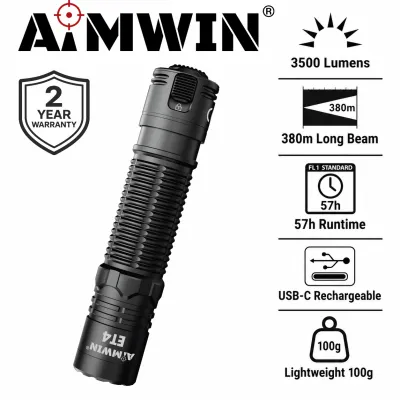
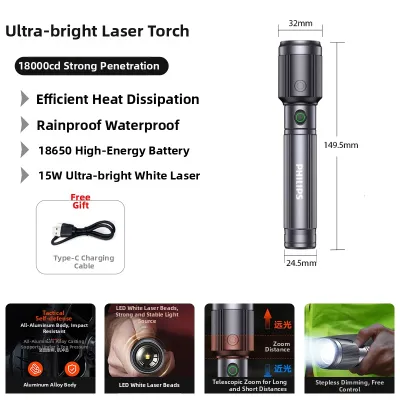
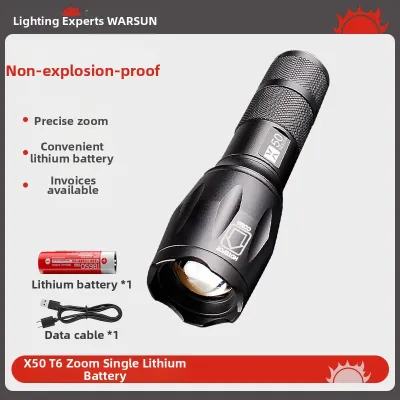
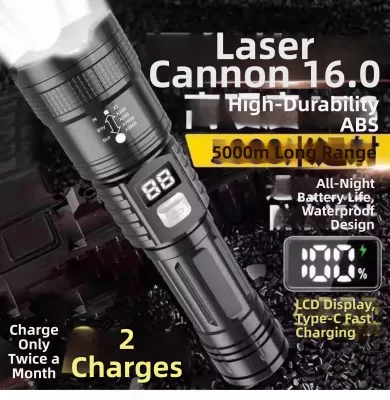
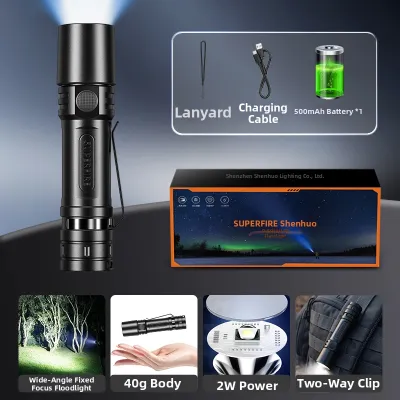
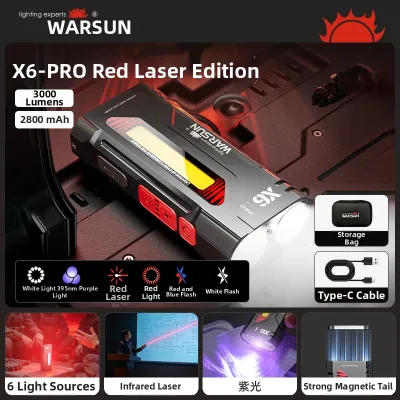
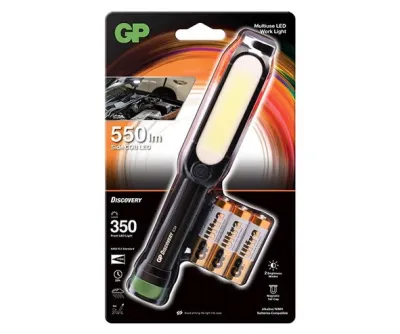
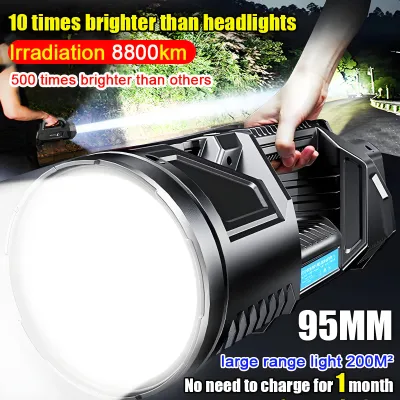
Prices are valid at publication and may change. Please refer to the product page for the latest price.
Why HDB Flats Have Unique Emergency Lighting Needs
Power outages in HDB flats are rarely estate-wide events; instead, they are typically localized incidents caused by tripped circuit breakers within the unit. The miniature circuit breakers (MCBs) or residual current circuit breakers (RCCBs) in your distribution board (DB) box can trip due to overloaded sockets, aging appliances, or water ingress in balcony sockets. When this happens, the entire flat can instantly lose power, requiring you to navigate through pitch-black rooms to locate the DB box and reset the switches.
Space constraints in modern HDB flats, particularly Build-To-Order (BTO) units, mean that emergency gear must be stored efficiently. Most residents utilize the household shelter (commonly known as the bomb shelter) or a utility cabinet near the entryway for storage. These spaces are highly compact, meaning bulky emergency lanterns can quickly clutter shelves. A compact light torch that can be mounted on a wall or magnetically attached to a metal surface is far more practical for these tight storage configurations.
In rare scenarios requiring evacuation, such as a localized building fire or a block-wide electrical failure, high-rise residents must navigate long, windowless common corridors and concrete emergency stairwells. While HDB blocks are equipped with emergency backup lights in common areas, these systems can occasionally fail, dim over time, or provide insufficient illumination during a complete estate-wide blackout. A high-quality light torch ensures you can safely guide your family down multiple flights of stairs.
Furthermore, the compact and compartmentalized layout of HDB flats influences the type of beam pattern you need. Enclosed kitchens, narrow hallways, and small bedrooms mean that a highly focused, ultra-bright tactical beam will bounce off light-colored plaster walls, creating blinding glare that strains the eyes. Conversely, a wide, diffused floodlight is much more effective for illuminating an entire room, allowing you to cook, read, or wait out the outage comfortably.
Essential Features to Look For in an HDB Emergency Light Torch
When shopping for a light torch, understanding key specifications will help you avoid low-quality options that might fail when you need them most. The following features are critical for HDB environments.

Brightness and Beam Distance
Lumens measure total light output, but higher is not always better for indoor use. For an HDB flat, a light torch with an adjustable output ranging from 50 lumens (perfect for soft, glare-free indoor ambient light) to 500 lumens (ideal for navigating dark stairwells) is highly practical. Look for models with adjustable focus or dual-emitter designs that let you switch between a wide floodlight and a concentrated spotlight.
Battery Life and Power Source
The choice between rechargeable lithium-ion batteries (often using USB-C ports) and disposable alkaline batteries (like AA or AAA) is central to emergency preparedness. USB-C rechargeable models are highly convenient and cost-effective for regular use, but they require periodic charging every 3 to 6 months to prevent the battery from degrading or losing its charge. Disposable battery models can sit in a drawer for years without losing power, provided you store the batteries separately to prevent corrosive chemical leakage.
Compact Storage and Mounting
HDB flats benefit immensely from smart storage features. A light torch equipped with a strong magnetic base can easily attach to the side of your metal distribution board (DB) box or breaker panel, ensuring you know exactly where it is when the power trips. Built-in folding hooks or wall-mountable charging cradles allow you to hang the torch inside your household shelter or utility closet, keeping floor and shelf space completely clear.
Durability and Climate Resistance
Singapore’s tropical climate features high relative humidity, often exceeding 80% indoors without air conditioning. This moisture-rich environment can accelerate the corrosion of internal contacts and ruin cheap electronics. When selecting a torch, ignore generic “waterproof” marketing claims and look for verified Ingress Protection (IP) ratings, such as IPX4 (splash-resistant) or IP65 (dust-tight and water-jet resistant), which guarantee the casing can withstand both high humidity and accidental spills.
Recommended Torch Categories and Brand Characteristics for HDB Use
Rather than looking for a single “best” brand, it is more practical to evaluate torches based on three distinct categories that align with different household priorities and budgets.
Dedicated Home Emergency and Safety Brands
These brands design products specifically for domestic safety and emergency situations rather than outdoor survival. A key characteristic of these brands is the inclusion of “always-on” or “fail-safe” features, such as wall-plugged charging cradles that automatically turn the torch on the moment the electrical current stops. This is incredibly useful for households with young children or elderly family members who might panic in sudden darkness.
Many of these domestic-focused torches feature integrated diffusers that soften the light, transforming a harsh beam into a gentle lantern-style glow that can illuminate an entire living room without causing eye strain. When purchasing plug-in rechargeable models in Singapore, always verify that the charger or power adapter carries the Enterprise Singapore Safety Mark, which ensures the device has been tested and certified safe for local 230V, 50Hz electrical grids.
- Ideal User Profile: Families, multi-generational households, or anyone who wants a low-maintenance, fail-safe lighting solution that is permanently ready and easy for any family member to operate.
Outdoor and Tactical Lighting Brands
Tactical and high-performance outdoor brands focus on extreme durability, high lumen output, and long-range beam projection. These torches are typically constructed from anodized aerospace-grade aluminum, making them highly resistant to drops on hard HDB ceramic tiles. They also feature sophisticated thermal management systems to prevent the body from overheating during prolonged high-output use.
However, tactical torches have distinct trade-offs for indoor HDB use. They are often significantly more expensive and feature complex user interfaces with multiple modes, strobe functions, and lockouts that can be confusing to navigate in a high-stress emergency. Furthermore, their highly concentrated, ultra-bright beams can reflect harshly off light-colored walls, temporarily blinding the user in a confined space.
- Ideal User Profile: Outdoor enthusiasts, hobbyists, or residents who want a rugged, dual-purpose light torch that can serve as a dependable home emergency light while also being suitable for night cycling, camping, or hiking.
Everyday Hardware and Supermarket Brands
For many HDB residents, the most practical solution is a budget-friendly, no-frills torch available at neighborhood hardware shops, local supermarkets, or major online marketplaces. These brands focus on simplicity and affordability, typically utilizing standard plastic or basic aluminum casings powered by replaceable AA or AAA batteries.
While these torches lack advanced features like variable dimming or USB-C fast charging, they are highly effective for basic, short-term emergency use. The lower price point makes it easy to purchase multiple units, allowing you to place one in every key area of your flat—such as the kitchen, master bedroom, and household shelter—ensuring immediate access to light no matter where you are when a blackout occurs. When buying these budget models, inspect the battery compartment seal for basic rubber O-rings and ensure the switch mechanism feels clicky and robust.
- Ideal User Profile: Budget-conscious homeowners, tenants, or those looking to establish multiple backup light points across their flat without a significant upfront investment.
Quick Comparison of Torch Types for HDB Scenarios
To help you quickly match the right lighting tool to your specific household needs, the table below summarizes the key differences between the primary torch types available on the market.
| Torch Type | Best HDB Scenario | Key Advantage | Storage & Maintenance Note |
|---|---|---|---|
| Rechargeable LED Lantern/Torch Hybrid | Extended blackouts or whole-room lighting in the living room or kitchen. | Provides 360-degree ambient light; often includes USB ports to charge mobile devices. | Requires a top-up charge every 3 to 6 months to maintain lithium-ion battery health. |
| Compact Tactical Flashlight | Navigating dark HDB stairwells, common corridors, or outdoor areas during an evacuation. | Extremely durable aluminum body, high brightness, and long beam distance. | Check for a low-lumen or diffused mode to avoid harsh wall glare indoors. |
| Standard Battery-Operated Torch | Quick, grab-and-go access placed in multiple rooms (kitchen, bedroom, shelter). | Low cost, simple operation, and always ready if stored without batteries. | Remove disposable batteries during long-term storage to prevent corrosive chemical leakage. |
Before making a final purchase, always verify the specific technical specifications, certifications, and compliance marks on the product packaging or manufacturer’s official documentation to ensure the model meets your safety standards.
Safe Storage and Maintenance in an HDB Environment
Storing emergency lights correctly in Singapore’s hot and humid climate is crucial for long-term reliability. Avoid placing torches on window ledges, balconies, or near appliances that generate heat, as high temperatures accelerate battery degradation and increase the risk of thermal runaway in lithium-ion batteries. Instead, store them in cool, dry, and easily accessible locations, such as a dedicated shelf in your HDB household shelter, a dry utility cabinet, or a bedside drawer.
Establish a routine maintenance schedule every 3 to 6 months. For rechargeable models, check the battery level and top it up to about 50% to 80% capacity for storage, as storing lithium-ion batteries completely empty can permanently ruin their capacity. For disposable battery models, inspect the battery compartment for any signs of white powdery residue or corrosion on the metal contacts. If you plan to store a battery-operated torch for more than a few months without use, always remove the batteries and store them in a separate, dry container.
Always follow the manufacturer’s instructions regarding charging cycles, compatible battery types, and maintenance. Avoid mixing old and new batteries, or mixing different brands of batteries in the same torch, as this can cause uneven discharge, overheating, or chemical leakage. If your torch has a high-output mode, ensure you do not leave it face down on a flammable surface while turned on, as intense heat build-up can pose a fire hazard.
Finally, do not store emergency lights in damp areas like bathrooms or directly under kitchen sinks unless the model explicitly features a high water-resistance rating (such as IPX7 or higher). High humidity and direct exposure to water vapor can easily bypass weak seals, causing short circuits and rendering the torch useless during a critical moment.
Frequently Asked Questions (FAQ)
Can I just use my smartphone flashlight instead of buying a dedicated emergency torch?
While a smartphone flashlight is incredibly convenient for a brief power trip, it is not a reliable primary emergency light source for prolonged outages. Smartphone flashes are designed for short bursts of light and can generate significant heat, rapidly draining your phone’s battery. During an extended blackout, preserving your phone’s battery for vital communication, emergency calls, and local news updates is critical. A dedicated light torch provides superior illumination, a more comfortable grip, and leaves your phone fully charged and ready for communication.
Are solar-powered torches effective for high-rise HDB flats?
Solar-powered torches are generally impractical as a primary emergency light source for high-rise HDB residents. Many HDB flats, particularly those on lower floors or with deep, sheltered service yards and balconies, receive limited direct sunlight throughout the day. Relying on solar charging means placing the torch on a window ledge where it is exposed to intense tropical heat, which can damage the internal battery. USB-rechargeable or standard battery-operated torches are far more reliable and convenient for high-rise urban living.
Do I need an emergency light with a built-in power bank function?
An emergency light with a built-in power bank function can be a highly useful secondary feature, allowing you to top up your mobile phone during an extended power outage. However, these hybrid models are often bulkier, heavier, and more expensive than standard torches. When choosing an emergency light, you should prioritize core lighting performance, battery reliability, and ease of storage over secondary features. If you decide to buy a model with a power bank function, ensure it has a high-capacity lithium-ion battery and check that its electrical specifications are compatible with your devices.
Community discussion
Share your experience or ask a question. Comments are reviewed before publication.