
When a sudden power trip plunges your Singapore HDB flat into darkness, having a reliable emergency light source within arm’s reach is essential. For apartment living, the best emergency torch light brands are those that prioritize compact form factors, long-term battery stability, and controlled illumination patterns. Brands such as Nitecore, Fenix, and Olight are highly recommended for their high-performance rechargeable and everyday carry (EDC) models, while Decathlon and Energizer offer dependable, budget-friendly hand-crank options. Selecting the right torch involves understanding the specific physical environment of your flat, ensuring you have a tool that is easy to locate, safe to operate, and perfectly suited to indoor navigation.
Why HDB Flats Require Specific Emergency Lighting
HDB flats are designed with dense, highly structured layouts that present unique challenges during a power outage. Unlike spacious landed properties or rural homes, HDB apartments—ranging from compact 2-room Flexi units to larger 5-room and Executive flats—feature concrete walls, narrow hallways, and centralized utility areas. Many modern flats also include a household bomb shelter, a reinforced concrete room with a heavy steel door that is frequently utilized as a pantry or storage space. Because these spaces are compact and often painted in light, reflective colors, they require a highly targeted approach to emergency lighting.
The typical power outage in a Singaporean apartment is rarely a prolonged, city-wide blackout. Instead, it is far more common to experience localized power trips caused by a faulty household appliance, a short-circuited water heater, or an overloaded circuit breaker. These incidents instantly trip the Miniature Circuit Breakers (MCBs) or the Earth Leakage Circuit Breaker (ELCB) inside your distribution board (DB) box, which is typically located near the entryway or inside the household shelter. Navigating to this box in complete darkness requires immediate, hands-free or easily manageable illumination to safely reset the switches without tripping over household items.
Products mentioned in this guide
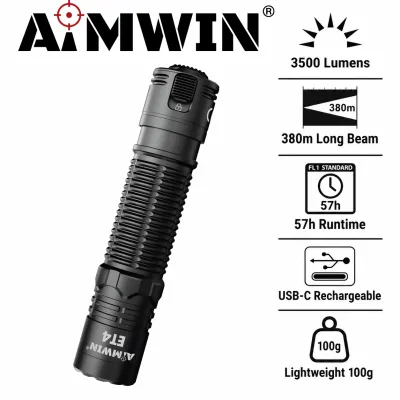
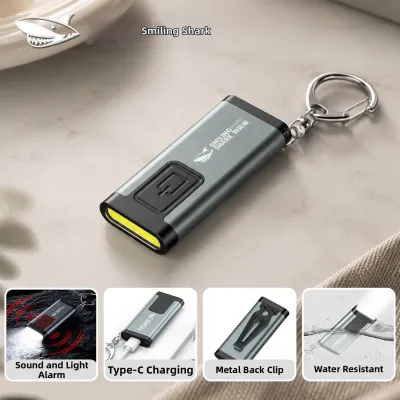
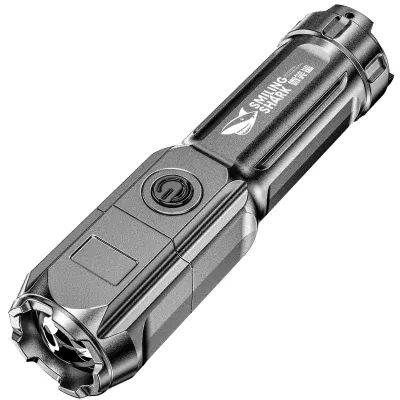
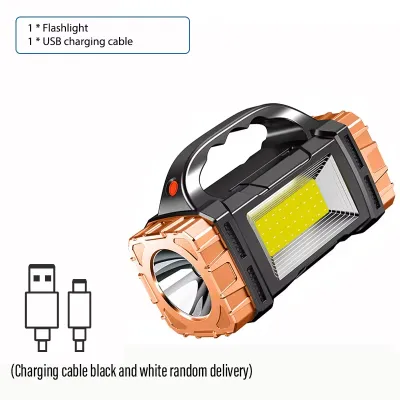
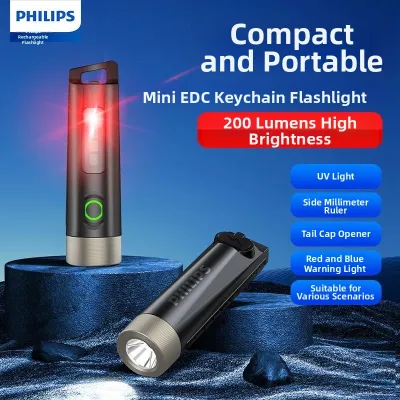
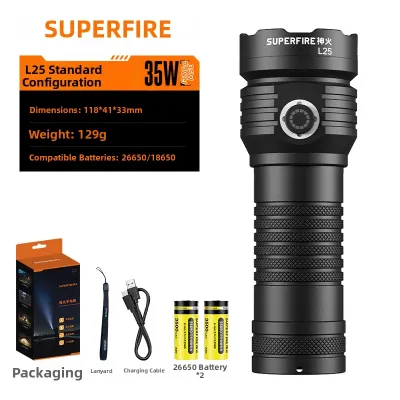
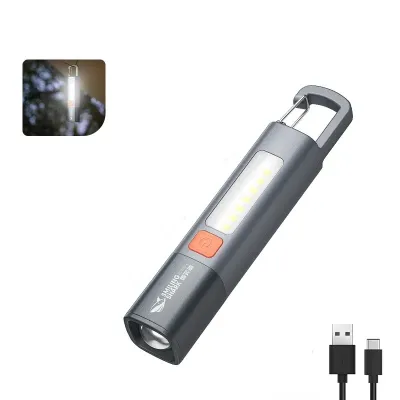
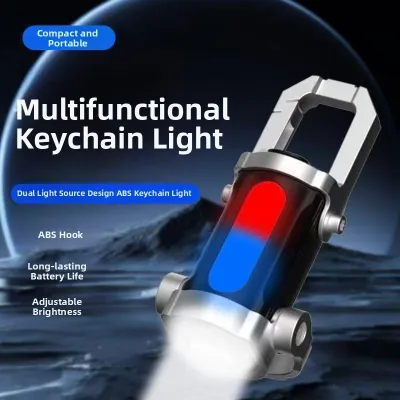
Prices are valid at publication and may change. Please refer to the product page for the latest price.
Using heavy-duty outdoor searchlights or tactical torches in these confined spaces is counterproductive. High-powered beams designed for long-distance outdoor visibility will bounce off white HDB walls and polished floor tiles, creating intense glare that can cause temporary night blindness and eye strain. Consequently, HDB emergency lighting must focus on quick access, compact dimensions, and wide, diffused beams. Having a small, reliable light source stationed in key areas of the home ensures that you can safely navigate your way to the DB box, protect your family, and resolve the power issue without causing unnecessary panic or physical hazards.
Core Features to Evaluate in Apartment Torch Lights
Selecting a torch light for apartment use requires looking past generic marketing claims and evaluating specific technical parameters. The first critical specification to consider is the brightness, measured in lumens, along with the beam profile. For indoor navigation and close-up tasks like inspecting an electrical panel, a brightness level of 100 to 300 lumens is highly effective. More important than raw brightness is how that light is distributed. You should look for a torch with a “flood” beam profile, which uses a wide-angle lens or reflector to spread light evenly across a broad area. This is far superior to a “throw” beam, which concentrates light into a tight, intense hotspot designed to illuminate objects hundreds of meters away but leaves the surrounding area in deep shadow.

Size, weight, and ergonomics play a vital role in how practical a torch is during an emergency. An emergency light should be compact enough to store in an easily accessible location, such as a bedside drawer, a kitchen cabinet, or a hook near the DB box. Heavy, bulky torches made of thick, heavy metals are often relegated to deep storage boxes, making them impossible to find when the power suddenly cuts out. Look for lightweight aluminum or high-grade polycarbonate bodies that feature textured knurling or rubberized grips. These ergonomic details ensure that the torch remains secure in your hand, even in high-stress situations or when dealing with Singapore’s warm, humid climate.
The power source and runtime characteristics of the torch will dictate its long-term reliability. Built-in Lithium-ion (Li-ion) rechargeable batteries are excellent for high-drain devices, offering consistent voltage output so the light does not dim as the battery drains. They also eliminate the recurring cost of disposable cells. However, they require a disciplined maintenance routine to prevent deep discharge. On the other hand, torches powered by replaceable AA or AAA alkaline batteries are highly convenient but carry a severe risk of chemical leakage if left unused for long periods. Whichever power source you choose, prioritize models that feature a clear low-battery indicator, such as a color-coded LED on the power button, so you are never caught off guard by a dead battery.
Singapore’s tropical climate, characterized by high relative humidity that routinely exceeds 80%, presents a challenging environment for electronic devices. Over time, moisture can seep into poorly sealed torches, causing corrosion on battery contacts and internal circuitry. To safeguard against this, verify the Ingress Protection (IP) rating on the product packaging or the manufacturer’s official website. An IP rating of IPX4 provides basic splash resistance, but an IPX6 or IPX8 rating offers superior protection against moisture and accidental drops into water. Furthermore, ensure the torch has a certified drop resistance rating of at least 1 to 2 meters. HDB floors are typically finished with hard ceramic, homogeneous, or vinyl tiles, and a simple drop from counter height can easily shatter a low-quality plastic casing.
Recommended Torch Light Categories for HDB Emergencies
To build a comprehensive emergency lighting setup for your HDB flat, it is best to utilize different categories of torch lights tailored to specific roles within the household. By placing specialized lights in strategic locations, you ensure that your family is prepared for both immediate power trips and longer-term utility disruptions.
Rechargeable LED Torches with Power Bank Output
For the primary household emergency kit—typically stored in the living room cabinet or the household shelter—a high-capacity rechargeable LED torch with power bank functionality is an invaluable asset. During extended power outages or emergency situations, keeping your communication lines open is a top priority. A torch that doubles as a power bank allows you to charge your mobile phone, tablet, or other small USB devices directly from the flashlight’s high-capacity internal battery. This dual-purpose capability reduces the number of separate devices you need to maintain in your emergency kit.
When shopping in this category, look for reputable brands like Nitecore and Fenix. Nitecore’s MH (Multi-Task Hybrid) series and Fenix’s C and PD series are exceptional examples of robust engineering. These brands utilize high-capacity 21700 or 18650 lithium-ion batteries, equipped with sophisticated battery management systems that protect against overcharging, over-discharging, and short circuits. They feature USB-C input and output ports, allowing for fast recharging and efficient power delivery to external devices. The build quality typically consists of aircraft-grade anodized aluminum, ensuring excellent heat dissipation and structural durability.
While these high-capacity torches offer outstanding performance and versatility, they do come with certain trade-offs. They are noticeably heavier and bulkier than standard everyday carry lights, making them less suitable for keeping in a pocket or bedside drawer. Additionally, because they rely on large lithium-ion batteries, they require a higher initial financial investment and must be charged periodically to maintain battery health. When purchasing these brands in Singapore, ensure you buy from authorized local distributors to secure valid warranty support, which typically ranges from two to five years depending on the brand and model.
Compact EDC Flashlights for Bedside and Quick Access
Everyday carry (EDC) flashlights are designed to be small, lightweight, and incredibly easy to operate, making them the perfect choice for immediate bedside access or kitchen drawer storage. When a power trip occurs in the middle of the night, you need a light that you can locate instantly without fumbling. These compact lights are engineered to sit comfortably in a pocket, clip onto a nightstand, or hang from a lanyard, providing instant illumination the moment a breaker trips.
Olight and Lumintop are leading brands that excel in the compact EDC category. Olight’s Baton series, for example, is highly regarded for its pocket-friendly dimensions, robust dual-direction pocket clips, and intuitive interface. A standout feature of many Olight models is the magnetic tail cap. In an HDB flat, this magnetic base allows you to stick the flashlight directly to any ferrous metal surface—such as the steel frame of your bomb shelter door, the side of your refrigerator, or the metal casing of your DB box. This provides instant, hands-free illumination, leaving both of your hands free to inspect electrical breakers or search through storage shelves.
Another critical feature to look for in an EDC light is a dedicated low-output or “moonlight” mode, which typically emits between 0.5 and 1 lumen of light. This ultra-low setting is highly beneficial in a dark bedroom, as it allows you to navigate without waking up family members or subjecting your dark-adjusted eyes to harsh, blinding glare. The primary limitation of these compact lights is their smaller battery capacity, which means they cannot sustain high-brightness outputs for long periods. However, for quick-access tasks and short-term navigation, their convenience and ergonomic design are unmatched.
Hand-Crank and Self-Powered Lights for Long-Term Storage
For emergency go-bags or long-term storage inside an HDB bomb shelter, hand-crank and self-powered lights offer unparalleled peace of mind. Unlike rechargeable or battery-operated torches, which can suffer from self-discharge or chemical leakage over years of neglect, self-powered lights are always ready to perform. They rely on mechanical energy generated by a physical winding handle, which is converted into electrical energy and stored in an internal capacitor or a highly stable rechargeable cell.
Decathlon (under their Quechua brand) and Energizer produce reliable, highly durable hand-crank lights that are ideal for this specific storage scenario. These lights are designed with simplicity and mechanical durability in mind. A few minutes of steady cranking typically yields up to thirty minutes of continuous, low-intensity light. Some advanced models also incorporate small integrated solar panels on the casing, allowing for passive charging when placed near a window or under indoor ambient lighting.
The main trade-off with hand-crank lights is their performance limits. They generally produce a much lower maximum brightness—often between 10 and 50 lumens—and the beam distance is relatively short. The light output is basic, designed strictly for close-range navigation and task work rather than illuminating large areas. Additionally, because they rely on moving mechanical parts like gears and winding levers, they are susceptible to physical wear over time if subjected to rough handling. Nevertheless, as a fail-safe backup stored deep inside your bomb shelter, a high-quality hand-crank torch ensures you will never be left entirely in the dark, regardless of how long the power is out.
Battery Care and Safe Storage in Apartment Environments
Proper maintenance and safe storage are critical to ensuring that your emergency torch lights function perfectly when you need them most. Singapore’s unique tropical environment, marked by high ambient temperatures and persistent humidity, can accelerate battery degradation and cause physical damage to electronic components if proper precautions are not taken.
To protect the battery health and overall lifespan of your torch lights, store them in cool, dry, and easily accessible locations. Avoid storing flashlights in areas exposed to direct sunlight, such as window sills, balconies, or near HDB kitchen stoves where temperatures can rise significantly. Prolonged exposure to high heat can cause lithium-ion batteries to degrade prematurely, reduce their overall capacity, and in extreme cases, pose a risk of swelling or thermal runaway. Instead, opt for dedicated storage spots like a cool hallway closet, a bedside drawer, or a designated emergency shelf in your bomb shelter.
Battery chemistry dictates the specific maintenance steps required for long-term reliability. For rechargeable lithium-ion torches, it is highly recommended to perform a top-up charge every three to six months. Storing a lithium-ion battery at a completely flat (0%) charge state for extended periods can trigger a deep discharge state, which damages the battery’s internal chemistry and may render it incapable of holding a charge in the future. Conversely, for torches that utilize replaceable AA or AAA alkaline batteries, the golden rule is to always store the batteries outside the torch compartment. Alkaline batteries contain potassium hydroxide, an alkaline electrolyte that can react with moisture in Singapore’s humid air to form corrosive zinc carbonate. This corrosive liquid will leak out of the battery casing, permanently destroying the torch’s metal contacts and internal wiring.
Safe charging practices are equally important when dealing with high-drain rechargeable torches. Always utilize the charging cable provided by the manufacturer or a certified, high-quality equivalent. Avoid leaving rechargeable flashlights plugged into wall chargers unattended for days at a time or while you are away from the flat. Before plugging in your torch, verify that the charger’s output voltage and current match the manufacturer’s specifications—typically a standard 5V USB output. Using incompatible, high-voltage fast chargers designed for laptops or specialized appliances can overheat the flashlight’s internal charging circuit, creating a potential safety hazard.
Finally, establish a simple quarterly routine to perform quick pre-use checks on all emergency lights in your household. Take a few minutes to test the power switches to ensure they operate smoothly without sticking. Inspect the rubber O-rings located near the battery cap and charging port for any signs of dry rot, cracking, or debris; applying a very thin layer of silicone grease can help maintain their water-resistant seals. Clean any accumulated dust or lint from the charging ports using a dry cotton swab. By incorporating these straightforward maintenance habits, you can guarantee that your emergency lighting setup remains fully operational and ready to guide you through any unexpected power disruptions.
Frequently Asked Questions (FAQ)
How many lumens are ideal for navigating an HDB flat in the dark?
For safe indoor navigation and close-up tasks during a power outage, a brightness level of 100 to 300 lumens is highly ideal. This range provides more than enough light to illuminate hallways, bedrooms, and electrical panels clearly without causing excessive glare. You should avoid using high-lumen tactical flashlights (exceeding 1000 lumens) indoors, as the intense light will reflect off light-colored HDB walls and polished tiles, causing temporary night blindness and straining your eyes.
Is it safe to store rechargeable torch lights in an HDB bomb shelter?
Yes, it is entirely safe to store rechargeable torch lights in an HDB bomb shelter, provided the environment remains dry and reasonably ventilated. To ensure maximum safety, store the torch in a dedicated protective carrying case to prevent the power button from being accidentally pressed by other stored items. Additionally, because lithium-ion batteries slowly self-discharge over time, remember to retrieve the torch every few months to check the battery level and perform a top-up charge if necessary.
Should I choose warm white or cool white light for indoor emergencies?
The choice between warm white and cool white light is a matter of conditional preference based on the specific task. Warm white or neutral white light (around 3000K to 4500K) is highly recommended for bedside tables and living areas, as it is gentler on the eyes, reduces strain, and helps preserve your natural night vision in dark rooms. On the other hand, cool white light (around 6000K) offers higher contrast and is excellent for task-oriented areas, such as inspecting the miniature circuit breakers inside your DB box or working safely in the kitchen.
Community discussion
Share your experience or ask a question. Comments are reviewed before publication.