
Selecting a reliable solar spot light outdoor fixture in Singapore requires a close look at energy efficiency. Our tropical climate—characterized by intense sunshine, sudden heavy downpours, and high humidity—demands outdoor lighting that can maximize solar energy capture and manage power consumption intelligently. To find the most energy-efficient solar spotlights, you must look beyond raw wattage and focus on brands that prioritize high-conversion monocrystalline solar panels, thermally stable Lithium Iron Phosphate (LiFePO4) batteries, high luminous efficacy, and smart power-saving features.
By choosing brands that excel in these technical areas, you ensure that your outdoor spotlights deliver consistent, bright illumination throughout the night, even after heavily overcast monsoon days. This guide breaks down how Singapore’s unique environmental factors influence solar light performance, the key technical specifications you must evaluate, and the practical installation strategies needed to keep your outdoor spaces beautifully and reliably illuminated.
How Singapore's Climate Demands High Energy Efficiency
Singapore’s tropical rainforest climate presents a demanding environment for any outdoor electrical fixture. High relative humidity, which frequently averages above 80% year-round, creates a constant risk of moisture ingress. When humidity levels are high, poorly sealed fixtures can develop internal condensation, leading to short circuits, corrosion of electrical contacts, and rapid degradation of internal wiring. Furthermore, the intense ultraviolet (UV) radiation from the equatorial sun can quickly degrade low-quality plastics, causing solar panel covers and LED lenses to yellow, crack, and cloud over time. This physical degradation directly reduces light transmission and solar charging efficiency.
Products mentioned in this guide
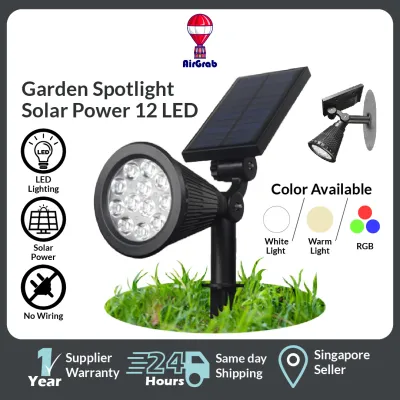
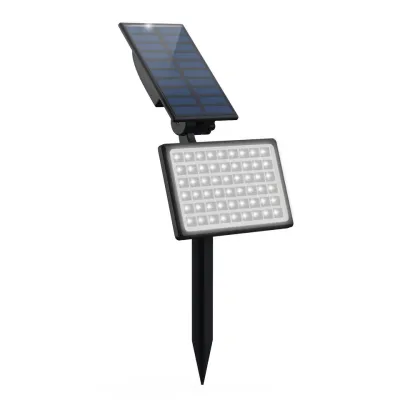
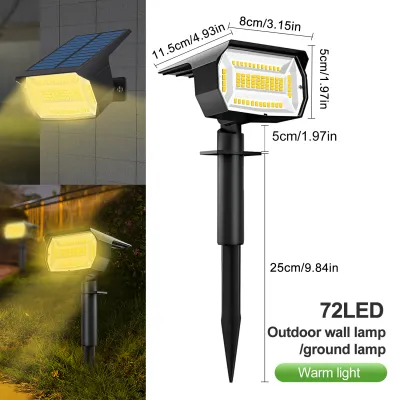
![[Next-Day Delivery] 54 LED Solar Lights Outdoor Garden Spotlights Lawn Lamp Balcony Lighting](https://img.lazcdn.com/g/p/c0c09b84b504efb81a8a1437c291d75e.jpg_400x400q80.jpg_.webp)
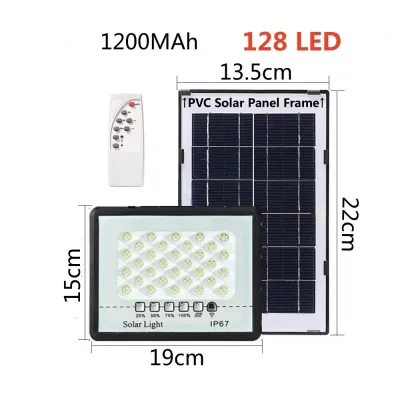
Prices are valid at publication and may change. Please refer to the product page for the latest price.
In this challenging environment, energy efficiency in a solar spot light outdoor system is defined by three main pillars: high solar panel conversion rates, superior battery storage efficiency, and intelligent power management. High-efficiency solar panels ensure that even brief periods of sunlight are converted into usable electrical energy. Thermally stable batteries store this energy with minimal loss, while advanced power management systems regulate how that stored energy is distributed to the LEDs. Together, these systems prevent the light from draining its battery prematurely.
Investing in highly energy-efficient solar spotlights directly translates to reliable brightness and an extended battery lifespan. During the Northeast and Southwest Monsoon seasons, Singapore experiences prolonged periods of overcast skies and heavy rain. A standard, low-efficiency solar light will often fail to charge sufficiently during these cloudy days, resulting in dim output or complete failure after just a few hours of darkness. High-efficiency systems, however, can capture enough ambient light on cloudy days to keep the fixture operational, ensuring your pathways, gardens, and building facades remain illuminated when you need them most.
Key Specifications to Evaluate Brand Energy Efficiency
To identify which solar spotlight brands offer genuine energy efficiency, you must evaluate specific technical components rather than relying on generic marketing claims. The first component to inspect is the solar panel type. Monocrystalline silicon panels are made from a single, high-purity silicon crystal structure, allowing them to achieve energy conversion efficiencies of 15% to 22%. In contrast, polycrystalline panels, which are made from fragmented silicon crystals, typically only achieve 13% to 16% efficiency. For residential properties in Singapore where space is often limited, monocrystalline panels are the superior choice because they generate more power per square centimeter, allowing for smaller, less obtrusive installations.

Battery chemistry is another critical factor that dictates how well a solar spotlight performs in high ambient temperatures. Standard Lithium-ion (Li-ion) batteries are highly sensitive to heat; when exposed to daily ambient temperatures of 30°C to 34°C—which can translate to internal fixture temperatures exceeding 50°C under direct sunlight—they degrade rapidly, losing their storage capacity within a year. Lithium Iron Phosphate (LiFePO4) batteries are far more thermally stable and can withstand high temperatures without significant degradation. Additionally, LiFePO4 batteries typically offer a cycle life of over 2,000 charge-discharge cycles, compared to just 300 to 500 cycles for standard Li-ion batteries, making them a much more durable and efficient long-term investment.
LED efficacy and optical design also play a major role in overall energy efficiency. LED efficacy is measured in lumens per watt (lm/W), which indicates how much light the fixture produces for every watt of electrical power consumed. Highly efficient brands utilize LEDs that deliver 100 to 130+ lm/W. Furthermore, a true spotlight requires focused optical lenses (typically with beam angles between 15 and 45 degrees) to direct light precisely onto a target, such as a tree, architectural column, or pathway. This focused beam ensures that no light is wasted as ambient spill, allowing the fixture to achieve high perceived brightness using a fraction of the power required by unfocused floodlights.
The Ingress Protection (IP) rating is the final specification you must verify to protect your investment from water damage. For outdoor solar spotlights in Singapore, an IP65 rating is the absolute minimum requirement. This rating indicates that the fixture is completely dust-tight and protected against low-pressure water jets from any direction, such as heavy rain. For ground-level spotlights that may be subjected to temporary water pooling during intense downpours, an IP67 rating—which protects against temporary immersion in water—is highly recommended. Always verify the manufacturer’s IP rating and electrical certifications before purchasing to ensure the fixture is safe for its intended installation environment.
Reliable Brand Categories for High-Efficiency Solar Spotlights
Established Professional Lighting Brands
Traditional lighting manufacturers that have expanded into solar technology bring decades of expertise in optical engineering and thermal management. These brands focus heavily on the quality of the light output and the physical durability of the fixture. Their solar spotlights typically feature robust aluminum housings that act as effective heat sinks, drawing heat away from the LEDs and internal circuitry to preserve their efficiency and lifespan. They also utilize high-quality tempered glass or UV-stabilized polycarbonate lenses that resist clouding and yellowing under intense sun exposure.
The primary strength of these professional brands is their consistent, high-quality lumen output and reliable color temperature rendering. They design their systems to provide steady, flicker-free illumination that enhances the aesthetic appeal of your property. Because they stand behind their engineering, these brands often provide comprehensive warranties and clear technical specifications regarding voltage, wattage limits, and operating temperatures. These fixtures are best suited for permanent architectural highlighting, facade washing, and high-end landscape lighting where visual quality and long-term reliability are paramount.
Smart Home and Security Lighting Brands
Smart home and security-focused brands approach solar lighting through the lens of connectivity and intelligent power optimization. Rather than running the light at a constant high brightness throughout the night, these brands integrate advanced sensors and software to manage energy consumption. Many models feature highly sensitive passive infrared (PIR) motion sensors that keep the light in a low-power standby mode (typically 10% to 20% brightness) until motion is detected, at which point they ramp up to 100% brightness for a set duration. This simple mechanism dramatically extends battery life, allowing the light to operate reliably even after multiple days of heavy rain.
In addition to motion sensing, many of these smart fixtures offer mobile application integration. Through a smartphone app, you can customize lighting schedules, adjust the motion sensor’s sensitivity, set specific dimming profiles, and monitor the battery’s real-time charge level. This level of control allows you to tailor the light’s power consumption to your specific daily needs, ensuring that energy is never wasted. These smart solar spotlights are highly recommended for driveway security, entryway illumination, and perimeter pathways where motion-activated lighting is most useful.
Specialized Solar and Outdoor Brands
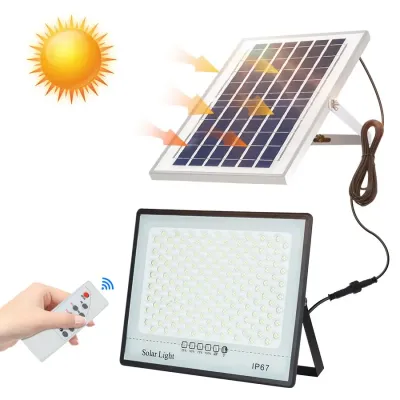
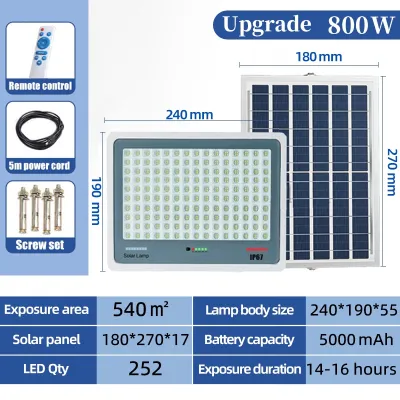
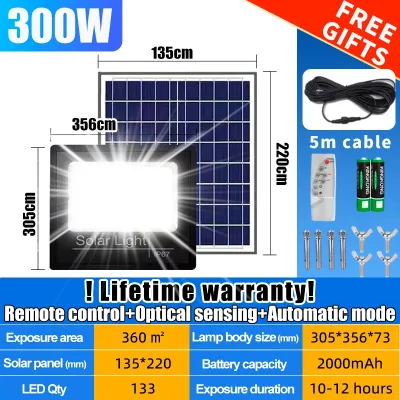
Specialized outdoor brands focus entirely on off-grid, heavy-duty solar lighting solutions designed to operate independently of the electrical grid. One of the most significant innovations offered by these brands is the split-design solar spotlight. In a split-design system, the solar panel and the spotlight fixture are separate units connected by a weather-resistant cable, often ranging from 3 to 5 meters in length. This design is incredibly advantageous in Singapore’s dense urban environments, where high-rise buildings, HDB blocks, and neighboring properties cast deep shadows over gardens and pathways.
By using a split-design system, you can mount the solar panel high up on a sunny roofline, fence, or balcony railing where it receives unobstructed sunlight, while placing the actual spotlight in a shaded garden bed or under a porch overhang. These specialized brands also tend to equip their systems with larger battery capacities and highly robust, weather-resistant housings made from impact-resistant materials. These features make them the ideal choice for large gardens, perimeter fencing, and any outdoor areas that suffer from partial structural shading during the day.
Installation Tips to Maximize Solar Charging in Local Homes
Placement Strategies
To achieve maximum energy efficiency, you must carefully plan the placement of your solar spotlights based on your specific housing type. In HDB estates, corridors and balconies are often heavily shaded by upper-floor overhangs and neighboring blocks. If you place a solar panel directly under a corridor ceiling or deep within a balcony, it will receive virtually no direct sunlight, leading to poor charging and rapid dimming. To counter this, position the solar panel as close to the outer edge of the balcony as possible, or utilize a split-design model so the panel can be mounted on the exterior railing while the light points inward.
For landed properties and condominiums with private gardens, the primary obstacles are mature trees, dense shrubbery, and high boundary walls. A solar panel that is shaded for even a couple of hours in the middle of the day will experience a significant drop in cumulative energy generation. Map the path of shadows across your garden throughout the day before permanently mounting your fixtures. Avoid placing panels directly beneath tree canopies; instead, position them in open lawn areas or mount them on top of garden walls where they can receive unobstructed sunlight.
Panel Orientation
Singapore’s geographical location near the equator (approximately 1.3 degrees north) means that the sun passes almost directly overhead year-round. However, the sun’s path does shift slightly north from March to September and slightly south from September to March. To capture the maximum amount of solar irradiance throughout the year, solar panels should be mounted with a slight tilt of approximately 10 to 15 degrees. Mounting the panel completely flat is not recommended, as rainwater will pool on the surface, leaving behind mineral deposits and dirt when it evaporates.
A tilt of 10 to 15 degrees allows heavy rain to naturally slide off the panel, washing away accumulated dust, pollen, and bird droppings. If your mounting location allows for a fixed orientation, angling the panel slightly toward the south can help optimize energy capture during the winter monsoon months when the sun tracks lower in the southern sky. Ensure that the panel’s adjustable mounting bracket is tightened securely to prevent it from shifting during high winds.
Routine Maintenance
Regular maintenance is essential to sustaining the energy efficiency of your solar spotlights over time. Over weeks and months, a fine layer of atmospheric dust, soot from nearby traffic, and organic debris can accumulate on the surface of the solar panel. This debris acts as a physical barrier, blocking sunlight and reducing the panel’s charging efficiency. To prevent this, wipe the solar panel clean with a damp, soft microfiber cloth at least once a month. Avoid using abrasive scrubbing pads, harsh chemical detergents, or solvent-based cleaners, as these can scratch or degrade the panel’s protective tempered glass or polymer coating.
After heavy storms or prolonged monsoon periods, perform a quick physical inspection of your fixtures. Check for any signs of physical damage, loose mounting brackets, or water droplets trapped inside the lens. If you notice persistent condensation inside the light housing, it indicates a breach in the weather seal; in such cases, turn off the device if possible, consult the manufacturer’s care instructions, or contact the brand for support. Finally, if your installation requires working at height—such as mounting panels on second-story gutters, high fences, or rooflines—always prioritize safety by isolating any nearby electrical wiring, utilizing secure ladders, or hiring a qualified professional installer to handle the mounting safely.
Frequently Asked Questions (FAQ)
How long do solar spotlight batteries last in Singapore's heat?
In Singapore’s hot and humid climate, the lifespan of a solar spotlight battery depends heavily on its chemical composition. Standard Lithium-ion (Li-ion) batteries typically last between 1 to 2 years (approximately 300 to 500 charge cycles) before their capacity degrades significantly, causing the light to run out of power quickly at night. Lithium Iron Phosphate (LiFePO4) batteries are much better suited for local conditions, as they are highly resistant to thermal degradation and can easily operate for 5 to 7 years (often exceeding 2,000 charge cycles) while maintaining most of their original storage capacity. To ensure longevity, always check the manufacturer’s specifications to confirm the battery chemistry and verified operating temperature ranges.
Will solar spotlights stay bright during the monsoon season?
High-quality solar spotlights are designed to remain functional during Singapore’s monsoon seasons, but their performance depends on their components. Systems equipped with high-efficiency monocrystalline solar panels can still generate a modest charge from ambient daylight even on heavily overcast days. Furthermore, brands that feature intelligent power management systems—such as motion-activated dimming or adaptive brightness algorithms—will automatically lower the baseline light output to conserve power, ensuring the battery reserves last through consecutive rainy days. To maintain reliable brightness during the monsoons, look for fixtures that combine monocrystalline panels, larger battery capacities, and smart energy-saving modes.

Community discussion
Share your experience or ask a question. Comments are reviewed before publication.