
Selecting the right outdoor lighting for your home can be a challenging task, especially when trying to balance energy efficiency, installation convenience, and long-term durability. For many homeowners in Singapore, a solar clip light represents the ideal solution. These compact, cable-free fixtures clamp easily onto balcony railings, garden fences, patio umbrellas, and tree branches, harnessing the sun’s energy to provide reliable nighttime illumination. However, Singapore’s unique equatorial climate—characterized by intense ultraviolet (UV) radiation, high ambient heat, persistent humidity, and sudden monsoonal downpours—presents a highly demanding environment for outdoor electronics. To find a solar clip light that will perform reliably year after year, you must look beyond basic aesthetic designs and evaluate the precise engineering specifications of the brands available on the market.
To make an informed purchase, you need to understand how tropical weather affects solar components, which technical specifications dictate true energy efficiency, and how to identify reputable brands that offer genuine warranties. By focusing on high-quality materials like monocrystalline solar panels, thermally stable Lithium Iron Phosphate (LiFePO4) batteries, and robust Ingress Protection (IP) ratings, you can secure an outdoor lighting setup that is both highly efficient and exceptionally durable. This comprehensive guide details everything you must consider when evaluating solar clip light brands for your Singapore home.
Why Singapore’s Tropical Climate Dictates Your Solar Light Choice
Singapore’s geographic location near the equator brings specific environmental challenges that directly impact the lifespan and performance of outdoor solar lighting. The first major stressor is intense UV exposure and high ambient temperatures. Daily solar radiation in Singapore is exceptionally strong, and when outdoor fixtures are subjected to continuous sunlight, cheap plastic housings quickly degrade. Standard plastics tend to undergo photo-oxidation, causing them to become brittle, fade, and eventually crack under minimal mechanical stress. Furthermore, the clear protective cover over the solar panel can suffer from “solarization” or yellowing. This yellowing acts as a physical barrier, blocking light wavelengths from reaching the underlying photovoltaic cells and permanently reducing the unit’s power generation capacity. To prevent this, reliable brands construct their housings and panel covers from UV-stabilized polycarbonate or high-grade acrylonitrile butadiene styrene (ABS) polymers.
Products mentioned in this guide
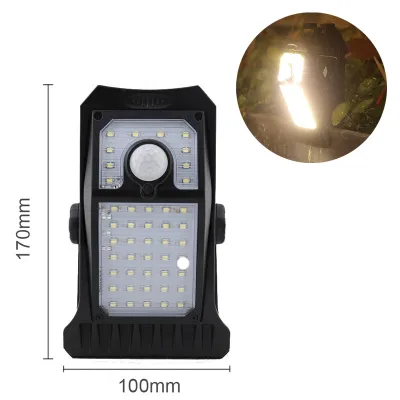
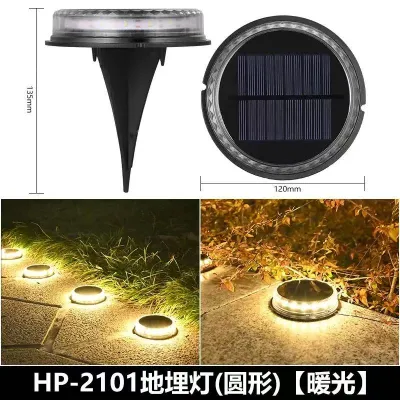
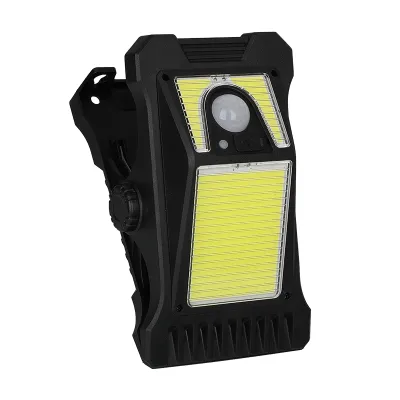
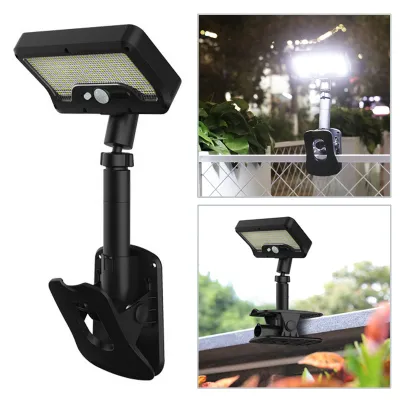
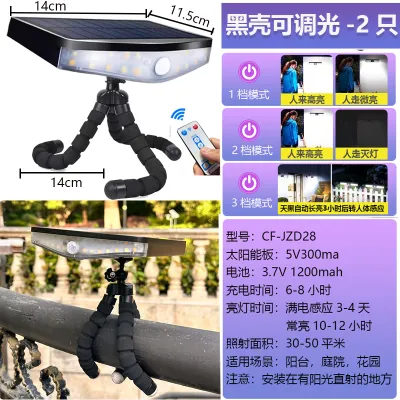
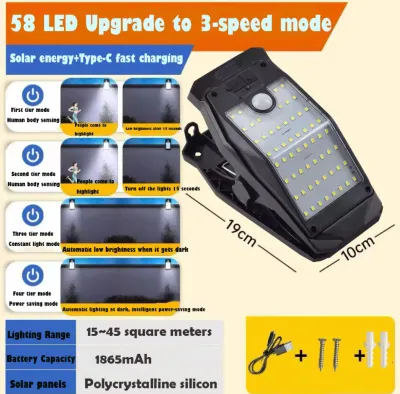
![Teabelle [ready to stock] Waterproof Solar Led Lamp Garden Landscape Decorative Clip Lamp Wall Hanging Solar Light Home Outdoor Garden Solar Lighting Three modes of automatic sensing and constant light up](https://img.lazcdn.com/g/p/aee6a9998a07f85589a87790a0394b06.jpg_400x400q80.jpg_.webp)
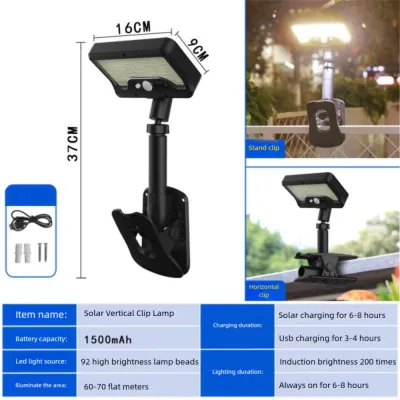
Prices are valid at publication and may change. Please refer to the product page for the latest price.
In addition to UV radiation, Singapore’s high relative humidity—which frequently exceeds 80% during the day and approaches 100% at night—creates an aggressive environment for internal electronics. When warm, humid air penetrates a poorly sealed light fixture, it condenses on cooler internal components as temperatures drop overnight. This moisture accumulation leads to rapid electrochemical corrosion of copper circuit board traces, battery contacts, and LED driver components. Standard water-resistant marketing claims are insufficient for this environment. Without a certified, hermetically sealed enclosure, a solar clip light will likely fail within a single monsoon season due to internal short-circuiting or battery terminal decay.
Another critical factor is urban shading and dense tropical foliage. Many residential properties in Singapore, from high-rise HDB apartments to private condominiums and landed estates, feature lush vertical gardens, mature tree canopies, or adjacent building structures that cast deep shadows. A solar clip light mounted on a balcony railing or garden fence may only receive direct, unobstructed sunlight for a few hours each day. Consequently, the fixture must feature highly sensitive, high-efficiency solar cells capable of converting filtered or indirect sunlight into usable electrical energy. Standard, low-cost solar panels will struggle to generate a full charge under these shaded conditions, leading to dim light output and short operational runtimes at night.
Core Specifications for Energy-Efficient Solar Clip Lights
When evaluating different solar clip light brands, understanding the technical specifications of the internal components is essential. This knowledge allows you to distinguish high-performance, durable fixtures from cheap, short-lived alternatives.

Solar Panel Efficiency and Battery Heat Tolerance
The solar panel and the rechargeable battery form the power engine of any solar clip light. The type of solar panel used directly determines how much electricity is generated during daylight hours. Monocrystalline solar panels are constructed from a single, high-purity silicon crystal structure, allowing electrons to move more freely. This design achieves energy conversion efficiencies of 18% to 22%, making them highly effective at generating power even during overcast days or in partially shaded urban spots. In contrast, polycrystalline panels, which are made by melting multiple silicon fragments together, are less efficient (typically 13% to 16%) and require a significantly larger surface area to produce the same amount of power. For space-constrained applications like clip-on lights, monocrystalline panels are the superior choice.
Battery chemistry is equally critical, particularly regarding thermal stability and cycle life. In Singapore, a solar light exposed to direct afternoon sun can experience internal temperatures exceeding 50°C. Standard Lithium-ion (Li-ion) and Nickel-Metal Hydride (NiMH) batteries degrade rapidly when subjected to prolonged heat, losing their storage capacity within a few hundred charge cycles and, in extreme cases, posing a risk of thermal runaway. Lithium Iron Phosphate (LiFePO4) batteries represent the gold standard for tropical outdoor use. They possess excellent thermal stability, operating safely at elevated temperatures without significant degradation. Additionally, LiFePO4 batteries offer a lifespan of over 2,000 charge-discharge cycles—compared to just 300 to 500 cycles for standard Li-ion batteries—ensuring your solar clip light remains functional for several years.
Before purchasing, always check the manufacturer’s technical specifications for the rated operating temperature range. A high-quality outdoor fixture should explicitly state an operating range of up to 60°C. If a brand does not disclose its battery chemistry or operating temperature limits, it is highly likely that the product utilizes cheaper, less stable battery cells that will degrade prematurely in Singapore’s climate.
LED Efficacy and Smart Energy-Saving Sensors
The efficiency of a solar light is not just about how much energy it generates and stores, but also how conservatively it consumes that energy. This conservation is driven by LED efficacy and intelligent power management. Luminous efficacy, measured in lumens per watt (lm/W), indicates how effectively a light-emitting diode converts electrical power into visible light. High-quality, modern LEDs can achieve efficacies of 120 to 150 lm/W, whereas older or lower-grade LEDs may only produce 60 to 80 lm/W. By choosing a fixture with high LED efficacy, you ensure that the light draws minimal current from the battery, allowing the fixture to remain illuminated for longer periods without requiring a larger, heavier battery pack.
Operational modes play a vital role in managing power consumption throughout the night. Continuous, high-brightness dusk-to-dawn illumination is highly demanding and often unnecessary, quickly draining the battery before dawn. To maximize efficiency, look for brands that integrate smart sensors, such as Passive Infrared (PIR) motion sensors. In a typical configuration, the solar clip light operates in a low-power “dim” mode (producing 10% to 20% of maximum brightness) to provide continuous ambient pathway marking. When the PIR sensor detects a change in infrared radiation—such as a person walking past—it instantly switches the light to 100% brightness for a set duration (usually 15 to 30 seconds) before returning to the dim standby state. This motion-activated dimming dramatically reduces total power consumption, ensuring the light has sufficient energy reserves to last through long, rainy nights.
Furthermore, pay attention to the optical design of the fixture. Solar clip lights with adjustable beam angles or focused, downward-directed optics allow you to direct the light exactly where it is needed, such as onto a specific step, keyhole, or pathway. This targeted illumination prevents light from scattering uselessly into the sky or into neighboring apartments, reducing both energy waste and light pollution in dense residential areas.
How to Spot Reliable Brands and Avoid Misleading Marketing
The market for solar outdoor lighting is flooded with generic products making bold performance claims. To ensure you invest in a reliable product, you must know how to verify these claims and identify trustworthy brands.
The first step is to verify the Ingress Protection (IP) rating. Vague marketing terms like “waterproof,” “weatherproof,” or “rain-resistant” have no standardized engineering meaning. Instead, look for a certified IP rating consisting of two digits. The first digit (ranging from 0 to 6) indicates protection against solid objects and dust, while the second digit (ranging from 0 to 9) indicates protection against liquids. For Singapore’s intense tropical downpours, a solar clip light must have a minimum rating of IP65, which guarantees that the enclosure is completely dust-tight and protected against low-pressure water jets from any direction. For highly exposed locations, such as unshaded garden posts or perimeter fences, an IP67 rating is preferred, indicating that the fixture can withstand temporary immersion in water without failing.
Next, consider electrical safety and compliance standards. While low-voltage solar lights that operate entirely on integrated battery power do not typically fall under the mandatory scope of the Singapore Safety Mark (which is required for controlled high-voltage mains-connected appliances), any accompanying external charging adapters or mains-powered battery chargers must carry the Safety Mark issued by Enterprise Singapore. For the solar light itself, look for reputable international compliance certifications such as CE, RoHS, and FCC. These marks indicate that the manufacturer has adhered to strict standards regarding electromagnetic compatibility and has restricted the use of hazardous materials in the electronic components.
Warranty terms and local after-sales support are also major indicators of a brand’s reliability. Reputable manufacturers will offer a clear, written warranty of at least 12 to 24 months that explicitly covers weather-related degradation and water ingress. When purchasing, prioritize brands that have an established local distributor, an official brand store, or a dedicated customer service presence in Singapore. This local infrastructure ensures that if a component fails prematurely due to a manufacturing defect, you can easily obtain a replacement or technical support without the expense and delay of shipping the unit to an overseas facility.
Finally, learn to recognize common marketing red flags. A frequent tactic among low-quality brands is to advertise impossibly high lumen outputs—such as 5,000 or 10,000 lumens—for a compact solar clip light. To put this in perspective, a true 10,000-lumen output requires substantial electrical wattage that a small, integrated solar panel and a compact battery simply cannot sustain for more than a few minutes. If a product listing boasts extreme brightness but fails to disclose the battery capacity in milliampere-hours (mAh), the battery voltage, or the specific solar panel wattage, it is highly likely that the performance specifications have been exaggerated. Trustworthy brands provide complete, transparent technical data sheets detailing the exact battery capacity, panel wattage, and expected runtime under different operational modes.
Strategic Placement and Maintenance for Long-Term Performance
Even the highest-quality solar clip light will underperform if it is poorly positioned or neglected. Proper installation and simple, low-risk maintenance are key to maximizing the efficiency and operational lifespan of your fixtures.
When choosing a clipping location, carefully observe the sun’s path across your property. Because Singapore is located just north of the equator, the sun’s path shifts slightly throughout the year, passing to the north from May to August and to the south from November to February. To ensure consistent year-round charging, mount your solar clip lights in highly exposed locations where the solar panel faces upward toward the open sky. Avoid placing the fixtures directly beneath deep building overhangs, air conditioning ledges, or dense tropical foliage that casts permanent shadows during peak daylight hours. If a desired mounting spot is partially shaded, try to position the clip so that the solar panel is angled toward the direction that receives the most consistent indirect sky exposure.
Additionally, you must evaluate the mechanical limits of the clip mechanism itself. Balcony railings, metal fences, and tree branches vary widely in thickness and material texture. Before mounting, verify that the clip’s maximum jaw opening is wide enough to accommodate the mounting surface without being forced. The clip should feature a high-tension steel spring (ideally made of corrosion-resistant stainless steel, such as SUS304) and non-slip rubber or silicone pads inside the jaw. These pads provide the necessary friction to prevent the light from slipping or rotating during high winds, heavy monsoonal rainstorms, or sudden wind gusts. If you are clipping the light to a delicate surface, such as a painted metal railing or polished wooden balustrade, ensure the clip pads are soft enough to prevent scratching or damaging the finish.
To keep the solar panel operating at peak efficiency, establish a routine, low-risk maintenance schedule. Over time, a fine film of atmospheric dust, pollen, bird droppings, and industrial haze can accumulate on the surface of the solar panel. This debris acts as a physical barrier, blocking sunlight and reducing the rate of energy conversion. Every few weeks, gently wipe the solar panel surface with a soft, damp microfiber cloth. Do not use abrasive scrubbing pads, wire brushes, or harsh chemical solvents, as these can scratch or chemically degrade the protective polycarbonate cover, permanently reducing its optical clarity.
For your safety and to protect your product’s warranty, always observe the boundaries of DIY maintenance. Do not attempt to open hermetically sealed battery compartments or disassemble the internal circuitry of a solar light. If you notice internal condensation, flickering LEDs, or a complete failure to charge, the protective seals may have been compromised. Attempting to repair water-damaged lithium-based batteries or corroded circuit boards at home can be hazardous. If moisture ingress is suspected, isolate the power using the external switch if available, consult the manufacturer’s troubleshooting guide, or replace the unit if the warranty has expired.
Your Pre-Purchase Verification Checklist
Before finalizing your purchase of a solar clip light, use this structured checklist to verify that the product meets all the necessary technical and physical requirements for your specific installation environment:
- Physical Dimensions and Clip Capacity: Measure the thickness of your intended mounting surface (e.g., balcony railing, fence post, or umbrella rib) and confirm that the clip’s maximum jaw width and grip design are fully compatible.
- Battery Chemistry and Specifications: Verify that the product listing explicitly states the battery type is Lithium Iron Phosphate (LiFePO4) or a highly heat-tolerant equivalent, and check that the capacity (measured in mAh) is sufficient to support the advertised runtime.
- Certified IP Rating: Confirm that the fixture carries a certified rating of at least IP65 (for general outdoor use) or IP67 (for highly exposed, unsheltered areas prone to heavy monsoonal downpours).
- LED Efficacy and Lumens: Match the light's lumen output to its intended function. For soft, decorative ambient lighting, 50 to 100 lumens is generally sufficient; for functional pathway lighting or security, look for fixtures offering 200 to 400 lumens paired with a motion sensor.
- Sensor Functionality: Ensure the fixture offers energy-saving modes, such as a PIR motion-sensor mode or an automatic dusk-to-dawn dimming feature, to conserve battery power during long nights.
- Warranty and Local Support: Check that the manufacturer or retailer provides a clear warranty of at least 12 months covering weather-related degradation, and verify that they have an accessible customer service channel or local distributor in Singapore.
Frequently Asked Questions (FAQ)
Do solar clip lights perform reliably during heavy monsoon rains?
Yes, high-quality solar clip lights can perform reliably during monsoon seasons, provided they carry a certified Ingress Protection rating of IP65 or higher. This rating ensures the internal electronics and battery compartment are sealed against heavy, driving rain. However, because solar panels rely on daylight to charge, prolonged overcast skies during the monsoon will reduce daily energy generation. To maintain reliable performance during these periods, it is highly recommended to use fixtures equipped with PIR motion sensors, which conserve battery power by only illuminating at full brightness when motion is detected. Additionally, ensure the light is mounted at an angle that prevents water from pooling on the solar panel surface.
Can I safely replace the battery in an outdoor solar clip light?
In most modern, high-quality solar clip lights, the battery is sealed within a hermetic compartment to maintain its waterproof integrity. You should always consult the manufacturer’s instruction manual before attempting to open the fixture. If the manufacturer design features a user-replaceable battery with a dedicated, gasket-sealed door, you can safely replace the battery using an identical chemistry and voltage cell (such as a matching LiFePO4 cell). However, if the unit is completely sealed, forcibly opening the housing will permanently destroy the waterproof seals, compromise the weather resistance, and void the manufacturer’s warranty. If a sealed unit’s battery fails, the entire fixture must be replaced.
Are clip-on solar lights bright enough for perimeter security?
While high-lumen solar clip lights equipped with PIR motion sensors are excellent for illuminating dark corners, side alleys, and entry gates, they are generally not intended to replace hardwired, high-output security floodlights. Because they rely on compact, integrated batteries, solar clip lights typically deliver localized illumination (ranging from 200 to 400 lumens) designed to deter casual intruders and provide safe passage. For comprehensive, high-intensity perimeter security that requires continuous, ultra-bright illumination throughout the night, hardwired mains-powered fixtures remain the standard choice. Solar clip lights are best utilized as highly convenient, supplementary security lighting in areas where electrical wiring is difficult or expensive to install.
Community discussion
Share your experience or ask a question. Comments are reviewed before publication.