
Selecting an energy-efficient solar led garden light in Singapore requires looking beyond basic aesthetic appeal. With the tropical climate offering abundant but highly variable sunlight, the true efficiency of an outdoor lighting system depends on how effectively it captures, stores, and manages solar energy. While many generic options struggle to survive the rainy monsoon seasons, premium brands like Philips, Steinel, and smart ecosystem brands like Xiaomi offer distinct technological solutions to maximize nighttime illumination.
To secure consistent performance without wasting stored power, homeowners must evaluate the complete energy cycle of their fixtures. This guide analyzes how these leading brands optimize solar efficiency, helps you navigate Singapore’s unique environmental challenges, and outlines the key technical specifications to check before making a purchase.
How to Evaluate True Energy Efficiency in Solar Garden Lights
To understand the efficiency of a solar led garden light, you must look at it as a self-contained power grid. The system’s performance relies on a delicate balance between three core components: the solar panel that generates electricity, the battery that stores it, and the LED engine that consumes it. If any of these components underperforms, the entire fixture will fail to deliver consistent illumination throughout the night.
Products mentioned in this guide
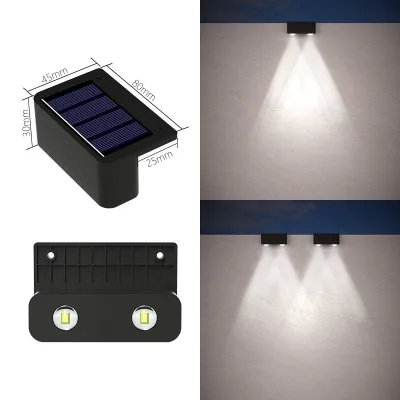
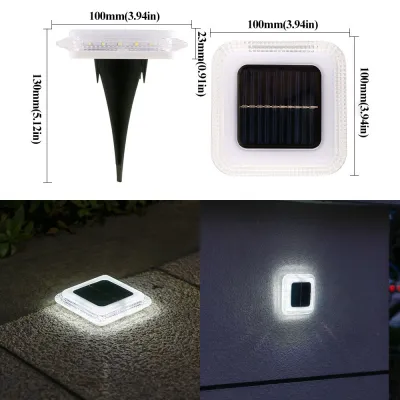
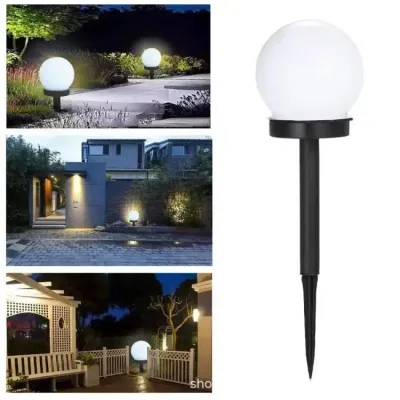
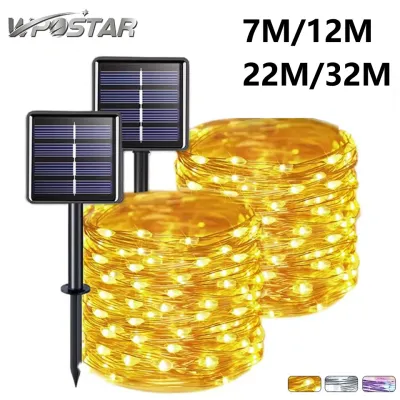
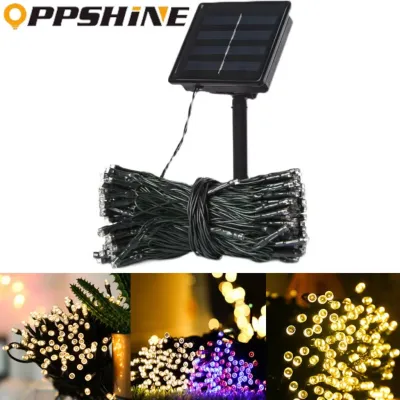
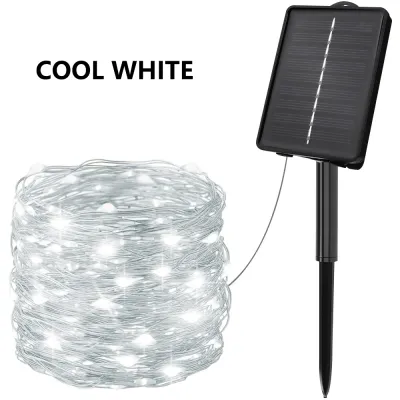
Prices are valid at publication and may change. Please refer to the product page for the latest price.
The solar panel serves as the primary generator, and its material composition directly dictates its conversion rate. Monocrystalline silicon panels are the preferred standard for residential gardens, offering conversion efficiencies of up to 22%. In contrast, polycrystalline panels are less expensive but typically achieve only 15% to 17% efficiency. In Singapore, where urban shading from neighboring buildings and mature trees is common, monocrystalline panels are highly recommended because they generate more power from a smaller surface area, even under overcast skies.
Once energy is captured, it must be stored in a reliable battery. Traditional solar lights often used Nickel-Metal Hydride (NiMH) or standard Lithium-ion (Li-ion) cells, but modern high-efficiency fixtures are increasingly adopting Lithium Iron Phosphate (LiFePO4) chemistry. LiFePO4 batteries are exceptionally well-suited for Singapore’s tropical climate because they offer superior thermal stability, resisting degradation even when exposed to high ambient temperatures on hot afternoons. They also support deep discharge cycles and feature a significantly longer lifespan, often lasting up to ten times longer than traditional rechargeable batteries.
The efficiency of the light source itself is measured by luminous efficacy, which is expressed in lumens per watt (lm/W). This metric reveals how much visible light an LED produces for every watt of electrical power it consumes. High-quality LED chips can deliver over 120 lm/W, whereas cheaper, unbranded alternatives might only produce 60 lm/W. Choosing fixtures with high efficacy ensures that you get bright, clear illumination without rapidly draining the battery reservoir.
Finally, intelligent power management plays a critical role in conserving stored energy. Continuous dusk-to-dawn lighting at maximum brightness is rarely necessary and often drains the battery before midnight. Energy-efficient fixtures utilize smart power management systems, such as dual-brightness modes or motion-sensor activation. By dimming the light to a low standby level and only boosting to full brightness when motion is detected, these systems dramatically extend the runtime, ensuring the light remains functional until dawn.
Top Brands for Energy-Efficient Solar Lighting in Singapore
When shopping for a solar led garden light in Singapore, choosing a brand with a proven track record of engineering quality is essential. Reputable brands invest heavily in research and development to optimize the interaction between solar panels, batteries, and LEDs. Below, we examine three leading brands available in the local market, highlighting their specific technological approaches, ideal use cases, and practical limitations.

Philips: Optimized Optics and Integrated Panels
Philips has long been a household name in lighting, and their outdoor solar ranges, such as the MyGarden line, carry forward this legacy of optical engineering. Rather than simply using high-wattage LEDs to achieve brightness, Philips focuses on precision optical design. Their fixtures utilize custom-engineered lenses and reflectors that direct light exactly where it is needed—such as downward onto pathways or outward across garden beds—without spilling light into the night sky or neighboring properties.
This targeted light distribution means that a lower-lumen, lower-wattage LED can provide the same perceived brightness as a poorly designed, high-wattage fixture. By reducing the required power draw, Philips matches their LEDs with compact, highly integrated monocrystalline solar panels that blend seamlessly into the fixture’s aesthetic. This integration ensures that the light remains visually unobtrusive while maintaining a highly efficient energy cycle.
However, these premium fixtures do come with specific limitations. Because the solar panels are integrated directly into the body of the light, the entire fixture must be positioned in an area that receives direct sunlight. If your desired lighting location is permanently shaded by a wall or a dense tree canopy, an integrated Philips model may not charge effectively. Before purchasing, check the product packaging to verify the IP (Ingress Protection) rating—typically IP44 or IP65—to ensure it matches your garden’s exposure to rain and wind, and confirm that the mounting angle allows the integrated panel to face the sky clearly.
Steinel: Sensor-Driven Power Management
For homeowners looking to maximize energy efficiency through smart automation, the German brand Steinel represents a strong choice for sensor-driven technology. Steinel specializes in advanced Passive Infrared (PIR) and high-frequency motion sensors, integrating them into robust outdoor solar lighting systems. Their philosophy is simple: the most energy-efficient light is the one that is only turned on when someone actually needs it.
Steinel’s solar lights operate on a highly sophisticated standby system. During the evening, the fixture can remain completely off or run at a minimal, low-energy standby glow of around 10% brightness. The moment the PIR sensor detects human movement within its coverage zone, the light instantly transitions to 100% brightness, providing clear, safe illumination. Once the motion stops, the light safely dims back down after a pre-set interval. This mechanism ensures that the stored battery power is conserved for critical moments, allowing the fixture to operate reliably even after several consecutive rainy days.
These sensor-driven models are ideal for pathways, driveways, side alleys, and security-sensitive areas around landed properties in Singapore. However, proper installation is critical to their efficiency. If the sensor is poorly positioned, it can be falsely triggered by passing street traffic, roaming neighborhood cats, or wind-blown tropical foliage. These continuous false triggers will rapidly drain the battery, defeating the purpose of the sensor. When installing a Steinel light, carefully adjust the sensor’s detection angle and sensitivity settings according to the manufacturer’s manual to prevent unnecessary power draw.
Xiaomi and Smart Ecosystem Brands: App-Controlled Efficiency
In the era of the smart home, brands operating within the Xiaomi and Mijia ecosystems have introduced highly customizable solar lighting solutions. These smart solar lights feature integrated Bluetooth, Wi-Fi, or Zigbee modules that allow users to connect the fixtures directly to their smartphones or home automation hubs. This connectivity unlocks a level of energy customization that traditional solar lights cannot match.
Through the companion app, users can program precise lighting schedules that align with Singapore’s consistent equatorial sunset times. For example, you can configure the lights to turn on at 100% brightness at 7:00 PM, dim to 30% at 11:00 PM when household activity decreases, and shut off entirely at 2:00 AM to conserve the remaining battery. Some smart models also provide real-time battery health monitoring and solar charging statistics, giving you clear visibility into how much energy the panel is absorbing each day.
These smart solar lights are exceptionally well-suited for tech-savvy homeowners, modern courtyards, and condominium balconies where a stable home wireless network is available. The primary limitation of these systems is that the smart wireless modules themselves consume a small amount of standby power, even when the LED is turned off. To compensate for this constant draw, the solar panel must receive high-quality, direct sunlight during the day. If the panel is placed in a semi-shaded balcony, the battery may gradually deplete over time, requiring you to manually adjust the settings to a more conservative schedule.
Adapting to Singapore’s Climate for Maximum Solar Yield
Singapore’s geographical location near the equator presents unique opportunities and challenges for solar energy harvesting. While the country receives abundant sunlight year-round, local environmental factors like high humidity, frequent cloud cover, and dense urban architecture can significantly impact the performance of your solar led garden light. Understanding how to adapt your lighting setup to these conditions is key to sustaining peak efficiency.
The first major consideration is the equatorial sun angle and the surrounding shading. Because Singapore is situated close to the equator, the sun passes almost directly overhead for much of the year, shifting slightly north or south depending on the season. While this overhead path is ideal for flat-mounted solar panels, urban residential layouts often create severe shading. HDB ground-floor patio gardens are frequently shaded by deep corridor overhangs, while landed properties must contend with shadows cast by high boundary walls, roof eaves, and mature tropical trees like palms or rain trees. To maximize solar absorption, panels should be positioned away from these permanent obstructions, ideally in areas that receive at least four to six hours of unshaded sunlight daily.
Singapore’s weather patterns also demand careful equipment selection. The region experiences frequent, sudden downpours and extended periods of overcast skies, particularly during the Northeast Monsoon (typically from November to January). During these months, direct sunlight is limited, and solar panels must rely on diffused daylight to charge. This is why high-efficiency monocrystalline panels are preferable for local gardens. They are far more capable of generating electricity under low-light and cloudy conditions than cheaper polycrystalline panels, helping to keep your batteries charged even during the wettest weeks of the year.
Furthermore, Singapore’s intense heat and high relative humidity (often exceeding 80%) create a harsh operating environment for outdoor electronics. High ambient temperatures can accelerate the chemical degradation of lithium batteries and reduce the overall efficiency of solar cells. To mitigate these thermal risks, select fixtures constructed from high-quality, heat-dissipating materials like die-cast aluminum rather than cheap plastics that can warp and crack under the sun. Ensure that the battery compartment has adequate rubber seals to prevent moisture ingress, which can lead to internal corrosion, short circuits, and rapid energy loss.
For different housing types, placement strategies must be customized:
- HDB Ground-Floor Patios: Avoid placing solar panels directly under overhead balconies. If possible, use split-type solar lights where the panel is mounted on an extension cable and positioned at the outer edge of the patio to catch the direct overhead sun, while the light fixture remains under the sheltered patio.
- Landed Property Carporches and Gardens: Mount solar panels on high fence posts or roof gutters where they are clear of the shadow lines cast by the main house. Ensure the panels are angled slightly (around 5 to 15 degrees) rather than perfectly flat, which allows torrential rain to naturally wash away accumulated dust and debris.
- Condominium Balconies: Since balconies are inherently shaded from above, mount the solar panels as close to the outer railing as safely possible, angling them outward toward the open sky to capture the maximum amount of angled morning or afternoon sunlight.
Quick Comparison: Key Efficiency Specifications to Check Before Buying
Before purchasing a solar led garden light, it is highly beneficial to review the technical specifications printed on the product label or manufacturer’s datasheet. Comparing these specifications allows you to identify which models are engineered for long-term efficiency and which ones may fail prematurely under local conditions.
The table below outlines the primary technical features that influence solar light efficiency, explaining their direct impact on energy performance and identifying their ideal residential applications.
| Technical Feature | Efficiency Impact | Best Use Case in Singapore |
|---|---|---|
| Monocrystalline Solar Panel | Converts up to 22% of sunlight into electricity; performs significantly better under diffused light and cloudy monsoon skies. | Compact gardens, shaded HDB patios, and areas with limited direct sunlight exposure. |
| LiFePO4 (Lithium Iron Phosphate) Battery | Offers exceptional thermal stability in tropical heat, supports deep discharge cycles, and lasts up to 10 times longer than standard batteries. | High-traffic pathways, security lighting, and permanent outdoor installations exposed to intense daily sun. |
| PIR Motion Sensor (e.g., Steinel) | Conserves stored battery energy by keeping the light off or dimmed, boosting to full brightness only when human presence is detected. | Driveways, side alleys, and perimeter fences where continuous overnight lighting is unnecessary. |
| Smart App Scheduling (e.g., Xiaomi) | Allows users to customize brightness levels and operating hours, preventing unnecessary power consumption during late-night hours. | Modern courtyards, condominium balconies, and smart home setups with reliable Wi-Fi or Bluetooth coverage. |
When evaluating these features, remember that high-quality components are often sold at a higher initial price point. However, this investment typically pays off through a longer product lifespan, reduced replacement costs, and highly reliable nighttime performance.
Maintenance Tips to Sustain Peak Energy Performance
Even the most energy-efficient solar led garden light will experience a decline in performance if it is not properly maintained. In Singapore’s tropical environment, rapid vegetation growth, airborne urban dust, and frequent rain can quickly degrade a fixture’s ability to harvest and store energy. Fortunately, a few simple, low-risk maintenance steps can keep your lights operating at peak efficiency.
First, establish a regular schedule to clean the solar panels. Over time, a thin film of dust, pollen, bird droppings, and dried rain spots will accumulate on the glass surface of the panel. This debris blocks sunlight from reaching the photovoltaic cells, directly reducing charging efficiency. Every few weeks, gently wipe the panel surface using a soft, damp microfiber cloth and clean water. Avoid using abrasive scrubbing pads, harsh chemical detergents, or high-pressure water sprays, as these can scratch the glass or damage the delicate waterproof seals.
Second, actively manage the surrounding garden vegetation. Singapore’s warm, wet climate encourages rapid plant growth. A solar panel that was perfectly positioned in full sunlight three months ago may now be partially shaded by growing tree branches, climbing vines, or tall garden shrubs. Periodically inspect your garden and trim back any overhanging foliage that casts a shadow over the solar panels, especially during the midday hours when solar intensity is at its peak.
Third, perform a regular visual inspection of the entire fixture. Check the outer casing, lens covers, and battery compartments for any signs of moisture ingress, fine cracks, or corrosion. If you notice condensation building up inside the lens, it indicates that a seal has failed. In such cases, turn off the fixture or isolate the power source immediately, and consult the manufacturer’s care manual to see if the seal can be cleaned and reseated, or if professional service is required.
Safety Boundary Note: Before performing any cleaning, adjustment, or inspection of internal components, always turn off the fixture’s power switch or safely disconnect the battery. If your solar setup involves integrated fixed wiring, high-altitude mounting, or connection to a mains-powered backup system, always isolate the main power source, follow the manufacturer’s safety instructions, and consult a qualified licensed electrician to handle the work safely.
Frequently Asked Questions (FAQ)
Do solar garden lights work effectively during Singapore's monsoon season?
Yes, high-quality solar garden lights can continue to operate effectively during the monsoon season, provided they are engineered with the right components. While prolonged overcast skies and heavy rain reduce the amount of direct sunlight available for charging, fixtures equipped with high-efficiency monocrystalline solar panels can still harvest energy from diffused daylight. To ensure consistent performance during these wetter months, opt for models that feature smart power management, such as PIR motion sensors or dimming schedules, which drastically reduce battery drain. Additionally, selecting a fixture with a larger battery capacity—specifically one utilizing LiFePO4 chemistry—provides a larger energy reservoir to carry the light through consecutive days of low sunlight.
Can I replace the built-in battery to improve nighttime runtime?
Replacing the built-in battery of a solar garden light is possible on certain models, but it must be approached with caution. You should never attempt to change the battery chemistry (such as replacing a NiMH battery with a Lithium-ion cell) or alter the voltage specifications without explicit manufacturer approval. Doing so can damage the internal charging circuitry, void the product warranty, and pose serious safety hazards, including thermal runaway or fire. Before attempting any replacement, check the product’s user manual to confirm if the battery is designed to be user-replaceable. If it is, only purchase identical replacement cells that match the exact voltage, capacity, and chemistry recommended by the brand. If the battery is sealed or the manufacturer advises against self-replacement, consult their customer support or a qualified professional.
Community discussion
Share your experience or ask a question. Comments are reviewed before publication.