
Illuminating outdoor staircases in Singapore requires balancing safety, aesthetics, and energy consumption. A high-quality solar step light offers an eco-friendly solution that eliminates the need for complex trenching, high electricity bills, or extensive wiring. However, Singapore’s unique tropical environment presents distinct challenges for solar-powered fixtures. High humidity, sudden heavy downpours, and frequent cloud cover mean that standard solar fixtures often struggle to maintain a consistent charge. Selecting a highly energy-efficient model ensures your pathways remain safely lit throughout the night, regardless of the weather.
To make an informed purchase, you must look beyond aesthetic appeal and focus on the technical specifications that govern solar power conversion and storage. Investing in the right technology prevents premature product failure and minimizes electronic waste, contributing to a more sustainable home. This guide breaks down the essential factors to consider when choosing solar step lights for your HDB corridor, landed property, or garden pathway.
Why Energy Efficiency Matters for Singapore's Outdoor Stairs
Singapore’s tropical rainforest climate is characterized by high temperatures, high humidity, and abundant rainfall. While the island receives plenty of sunshine, it also experiences frequent overcast skies, particularly during the Northeast Monsoon from November to January. These prolonged periods of cloud cover significantly reduce the amount of direct sunlight available to charge solar panels. An inefficient solar step light will quickly drain its battery under these conditions, leaving your stairs dark when you need illumination most.
Products mentioned in this guide
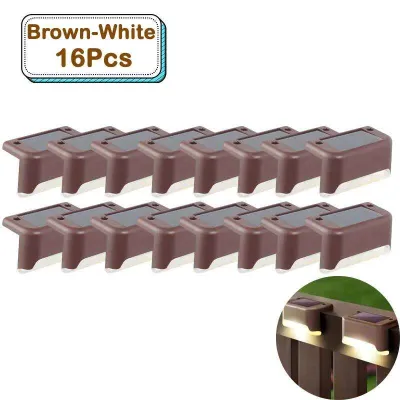
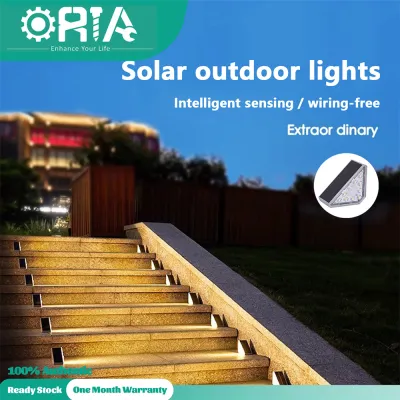
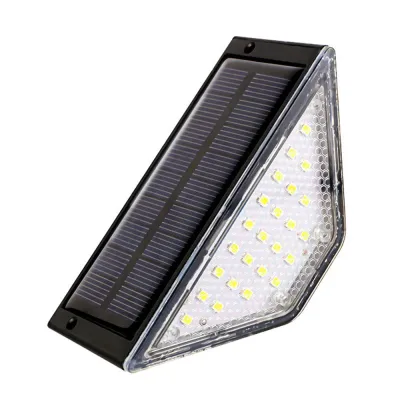
Prices are valid at publication and may change. Please refer to the product page for the latest price.
For outdoor stairs in HDB corridors or landed properties, finding the right balance between brightness and battery longevity is crucial. High-brightness lights require substantial power, which can deplete a standard battery in just a few hours. Highly efficient step lights optimize this balance by using low-power LEDs and smart power management systems. This ensures that the fixture can provide adequate safety lighting throughout a 12-hour tropical night, even after a heavily overcast day.
Furthermore, prioritizing energy efficiency directly impacts the lifespan of the fixture. Inefficient systems force the battery to undergo deep discharge cycles daily, which rapidly degrades its capacity. In Singapore’s warm climate, heat accelerates this degradation. By choosing a highly efficient system, you reduce the frequency of battery replacements. This not only saves you money over time but also helps minimize electronic waste in line with local sustainability goals.
Core Specs That Define an Energy-Efficient Solar Step Light
When evaluating a solar step light, you must look at the specific components that dictate how well it harvests, stores, and uses energy. Relying solely on marketing descriptions on online marketplaces can lead to disappointing results, as these listings often exaggerate performance. Always verify the technical specifications on the official manufacturer website or the product packaging.

Solar Panel Type: Monocrystalline vs. Polycrystalline
The solar panel is the engine of the fixture. Monocrystalline silicon panels are the gold standard for energy efficiency, offering conversion rates of 20% or higher. They perform significantly better in low-light, shaded, or partially blocked conditions, which are common in Singapore’s urban landscape. Polycrystalline panels, while cheaper, have lower conversion efficiencies (typically 15% to 17%) and require much more direct sunlight to achieve a full charge, making them less reliable for local use.
Battery Chemistry: LiFePO4 vs. Standard Li-ion
The battery determines how much harvested energy can be stored and how safely it operates in high ambient temperatures. Lithium Iron Phosphate (LiFePO4) batteries are highly superior to standard Lithium-ion (Li-ion) or older Nickel-Metal Hydride (NiMH) batteries. LiFePO4 batteries offer exceptional thermal stability, reducing the risk of overheating in Singapore’s heat. They also boast a much longer cycle life, often lasting over 2,000 charge-discharge cycles compared to the 300 to 500 cycles of standard Li-ion options.
LED Efficacy and Electrical Considerations
Energy efficiency in lighting is measured in lumens per watt (lm/W). High-efficacy LEDs produce more light while drawing less power from the battery. When choosing a step light, check the overall lumen output relative to the battery capacity. Additionally, verify the following electrical and physical specifications before purchasing:
- Voltage and Wattage Limits: Ensure the internal voltage matches the battery specifications (typically 3.2V for LiFePO4 systems) and that the wattage draw is optimized for long runtimes.
- Dimensions and Mounting: Verify that the physical dimensions fit your steps perfectly without creating a tripping hazard.
- Dimming Method: Look for fixtures with smart dimming, stepped dimming, or motion-activated dimming to conserve energy.
- Electrical Certifications: Check for recognized safety and quality certifications (such as CE, RoHS, or local safety marks where applicable) to ensure the internal circuitry is built to safe standards.
Top Solar Step Light Categories for Singapore Homes
The ideal solar step light depends heavily on how your staircase is used. Different areas of your home require different lighting behaviors to maximize safety while conserving stored energy. Reputable brands such as Philips, Lutec, and Ansell offer specialized fixtures designed to meet these varying needs.
PIR Motion Sensor Lights: Maximizing Battery Life for Low-Traffic Steps
For side stairs, back alleys, fire escapes, or rarely used garden pathways, Passive Infrared (PIR) motion sensor lights are the most energy-efficient choice. These fixtures remain in a low-power standby mode (either completely off or emitting a very dim ambient glow) until they detect motion. Once triggered, they illuminate to full brightness to guide your steps safely, then return to standby mode after a set delay time (typically 15 to 30 seconds).
This behavior drastically reduces battery consumption, allowing the fixture to function reliably even after several consecutive rainy days. When selecting a PIR motion sensor step light, look for models with a detection angle of at least 120 degrees and a detection range of 3 to 5 meters. Brands like Philips offer robust solar wall and step lights featuring integrated PIR sensors that are highly sensitive and optimized for outdoor safety.
Dusk-to-Dawn Lights: Reliable Ambient Glow for Main Pathways
Main entrances, front porch stairs, and frequently used landed property pathways require continuous illumination throughout the night. Dusk-to-dawn solar step lights utilize built-in photocells to automatically turn on at sunset and turn off at sunrise. Because these lights run continuously for up to 12 hours, they require a highly efficient system to avoid running out of power mid-way through the night.
To ensure reliability, choose dusk-to-dawn models that feature larger monocrystalline solar panels and high-capacity LiFePO4 batteries. Some premium models from brands like Lutec incorporate smart power management, which automatically dims the light output slightly after midnight or when the battery level drops below a certain threshold. This intelligent dimming preserves battery life while maintaining continuous, low-level safety lighting.
Low-Lumen Ambient Lights: Subtle Lighting for Continuous Use
If your primary goal is decorative step edging or soft pathway guidance, low-lumen ambient lights are an excellent option. These fixtures typically emit a subtle glow of 5 to 10 lumens. Because the power draw is incredibly low, these lights can easily run all night on a compact battery and a smaller solar panel, making them highly cost-effective and unobtrusive.
When choosing ambient lights, the perceived color temperature is a matter of personal style and conditional preference. Warm white light (around 2700K to 3000K) creates a cozy, inviting atmosphere that complements natural stone or timber decking, while cool white light (around 4000K to 5000K) offers a modern, high-visibility aesthetic. Ensure the selected color temperature matches the existing outdoor lighting design of your home.
Strategic Placement for Optimal Solar Charging in HDBs and Landed Homes
Even the most efficient solar step light will fail if its solar panel is permanently shaded. Singapore’s urban architecture and lush tropical landscaping present several challenges for solar charging. Overcoming these obstacles requires strategic placement and careful installation.
Common shadow obstacles include deep HDB corridor ceilings, landed property awnings, roof overhangs, and dense tropical foliage. If your steps are located in a permanently shaded area, standard all-in-one solar fixtures will not receive enough sunlight. In these scenarios, select models with separable solar panels. These systems connect the step light to the solar panel via a thin, weatherproof cable, allowing you to mount the light on the shaded step while positioning the solar panel on a sunny wall, pillar, or roofline.
Because Singapore is located near the equator, the sun passes directly overhead for most of the year. To maximize solar energy harvest, solar panels should be mounted nearly horizontally. However, a completely flat panel will collect rainwater and dust, which blocks sunlight. A slight tilt angle of 5 to 15 degrees is recommended. This tilt allows rainwater to run off naturally, keeping the panel clean while maximizing year-round solar exposure.
Before beginning installation, always switch off the lighting unit. If your mounting process requires drilling into structural concrete, load-bearing pillars, or waterproofed exterior surfaces, consult a qualified professional. Improper drilling can compromise the structural integrity of your home or damage waterproofing membranes, leading to costly leaks during heavy downpours.
Weatherproofing and Maintenance in a Tropical Climate
Singapore’s intense humidity and heavy tropical storms can quickly ruin poorly sealed outdoor electronics. To ensure your solar step lights last for years, you must pay close attention to weatherproofing standards and perform routine, low-risk maintenance.
Always verify the Ingress Protection (IP) rating on the product label before buying. For exposed outdoor stairs, IP65 is the absolute baseline. An IP65 rating guarantees that the fixture is dust-tight and protected against water jets from any direction, making it capable of withstanding severe monsoon downpours. If your steps are located in low-lying garden areas prone to temporary water pooling or flooding, look for IP67-rated fixtures, which can withstand temporary submersion.
To maintain peak charging efficiency, perform regular, low-risk cleaning steps:
- Wipe the Panel: Gently wipe the solar panel surface with a damp microfiber cloth every few weeks. This removes accumulated dust, pollen, and bird droppings that block sunlight and reduce charging efficiency.
- Avoid Harsh Chemicals: Never use abrasive brushes, steel wool, or harsh chemical cleaners, as these can scratch the plastic lens or strip away the anti-reflective coating on the solar panel.
- Inspect the Seals: Regularly check the fixture for signs of physical damage or wear.
If you notice persistent condensation or water droplets inside the light lens, it indicates that the weatherproofing seals have failed. In such cases, replace the unit rather than attempting a DIY silicone repair. Operating a fixture with water ingress poses an electrical hazard and can cause a short circuit that permanently destroys the internal battery and circuitry.
Frequently Asked Questions (FAQ)
Do solar step lights work on cloudy or rainy days in Singapore?
Yes, high-quality solar step lights will still charge on cloudy or rainy days, but at a reduced rate. Monocrystalline solar panels are designed to harvest energy from diffuse sunlight, allowing them to generate power even when the sky is overcast. However, because the energy input is lower, the battery may not reach a full charge, resulting in shorter runtimes or dimmer light output at night. To mitigate this during monsoon seasons, choose fixtures with larger battery capacities and energy-saving features like PIR motion sensors.
What IP rating is required for outdoor step lights in Singapore?
For outdoor step lights in Singapore, an IP65 rating is the recommended minimum standard. This ensures the fixture is completely sealed against dust and can withstand heavy, direct tropical rainfall without water penetrating the enclosure. For steps located in garden pathways, low-lying areas, or spots prone to temporary water pooling during intense storms, upgrading to an IP67-rated fixture is highly advisable to prevent damage from temporary water submersion.
Community discussion
Share your experience or ask a question. Comments are reviewed before publication.