
To choose the best fairy lights for home decoration in Singapore, you must balance your desired aesthetic style with local electrical safety standards and environmental factors like high humidity. The ideal brand for your space will depend on whether you prioritize advanced smart-home integration, minimalist design, or budget-friendly versatility.
Quick Guide: Top Fairy Light Categories for Local Homes
To narrow down your options, it helps to understand the primary categories of fairy lights available in the local market. These generally fall into three tiers: premium smart lighting systems that offer advanced app controls, minimalist lifestyle brands focusing on subtle and warm-toned aesthetics, and highly versatile, budget-friendly options suitable for casual or large-scale displays.
Regardless of the brand you choose, Singapore’s domestic electrical environment demands specific baseline specifications. All mains-powered lighting must be compatible with the local 230V/50Hz electrical grid and utilize a safe power adapter—ideally featuring a Type G three-pin plug or a certified USB power source.
Products mentioned in this guide
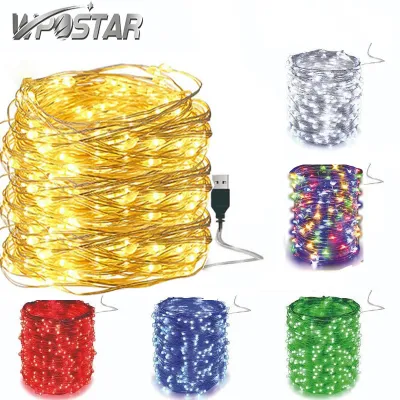
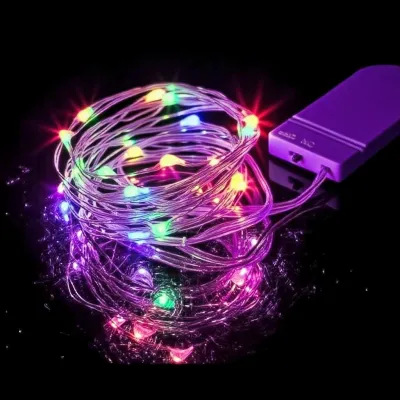
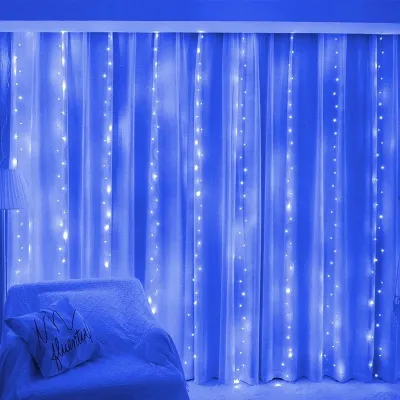
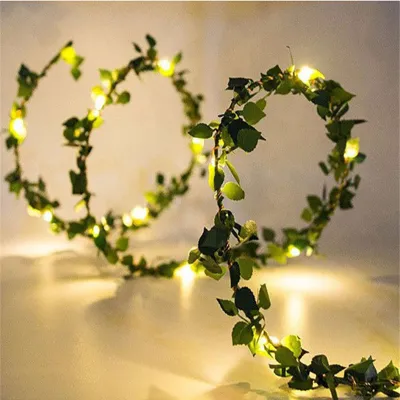
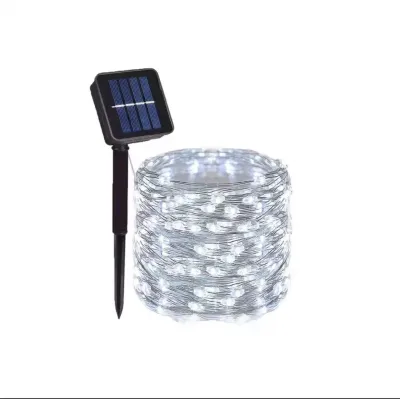
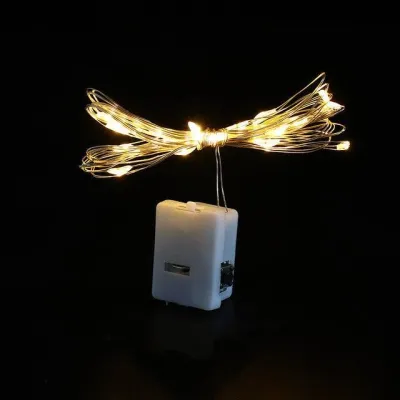
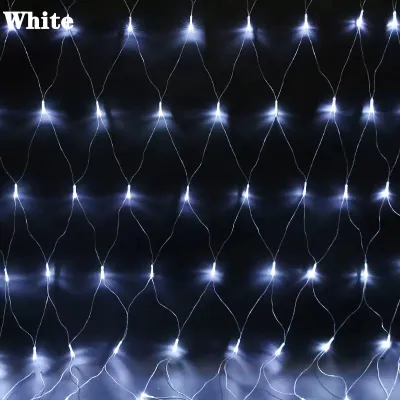
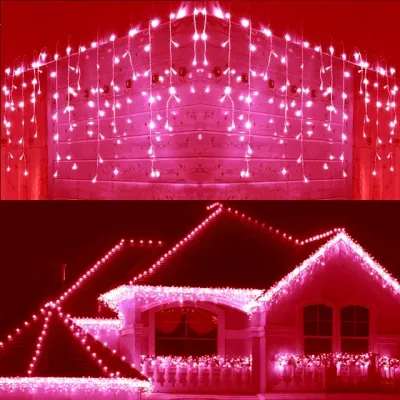
Prices are valid at publication and may change. Please refer to the product page for the latest price.
Furthermore, because Singapore experiences high relative humidity year-round, verifying the Ingress Protection (IP) rating is non-negotiable. While basic IP20-rated lights are perfectly fine for dry indoor spaces like bedrooms and living areas, semi-outdoor zones like HDB balconies, patios, or areas close to indoor plants require at least an IP44 rating to prevent moisture damage and electrical short circuits. Ultimately, the best brand for your home depends heavily on your specific decor style, your existing smart home ecosystem, and the physical constraints of your installation location.
What to Check Before Buying Fairy Lights in Singapore
Before committing to a specific brand or style, understanding the technical, safety, and physical characteristics of fairy lights will ensure a safe and long-lasting installation.

Electrical Safety & Certification
Singapore operates on a 230V supply voltage at 50Hz. When shopping on international e-commerce platforms or online marketplaces, you may encounter cheap imports designed for 110V systems. Connecting these directly to a local outlet without a proper step-down transformer is an extreme fire hazard.
For mains-powered fairy lights, always check that the power adapter is certified for local use. In Singapore, look for the SAFETY Mark issued by the Consumer Product Safety Office (CPSO) on power adapters. This mark indicates that the adapter has undergone rigorous testing to ensure it meets safety standards, protecting your household from electrical overloads, short circuits, and overheating.
Climate & Durability Considerations
Singapore’s tropical climate, characterized by high humidity and consistent warmth, presents a challenging environment for electrical components. Over time, moisture in the air can penetrate poorly sealed light strings, leading to copper wire oxidation (visible as green corrosion) and premature LED failure.
For indoor spaces with air conditioning or consistent ventilation, standard IP20-rated lights are sufficient. However, if you plan to hang lights on a balcony, near an open window, or wrapped around indoor potted plants that require regular misting, you must opt for IP44-rated (splash-proof) or IP65-rated (water-resistant) models. These feature sealed LED jackets and thicker protective insulation to withstand environmental moisture.
Power Source Options
The layout of your HDB flat or condominium will often dictate the best power source for your decorative lights:
- Mains-Powered (Plug-in): These lights offer the most consistent brightness and are ideal for permanent installations, such as framing a living room window or headboard. However, they require proximity to a wall socket, which may lead to unsightly dangling cords if not managed properly.
- USB-Powered: Highly versatile and increasingly popular, USB fairy lights can be plugged into standard wall adapters, computer ports, or portable power banks. This makes them highly mobile and easy to place in creative spots like dining table centerpieces or high shelves where wall outlets are out of reach.
- Battery-Operated: Powered by AA, AAA, or button cell batteries, these lights offer complete wireless freedom. They are excellent for temporary setups, small glass jars, or rental homes where drilling or extensive cable routing is restricted. The primary trade-off is recurring battery costs and a gradual decline in brightness as the batteries drain.
Smart vs. Manual Controls
Modern fairy lights range from simple plug-and-play models to sophisticated smart home devices. Manual models rely on a physical inline switch or a basic infrared remote control to toggle power and change simple flashing patterns.
Smart fairy lights, on the other hand, connect to your home’s Wi-Fi or Bluetooth network. They allow you to adjust brightness levels, program complex schedules, synchronize the lights to music, and integrate them into broader smart home ecosystems like Google Home, Apple Home, or Amazon Alexa. While smart options carry a premium price tag, they offer unparalleled convenience and customization for tech-focused households.
Best Fairy Light Brands for Different Decor Needs
Finding the right brand involves matching your lifestyle, budget, and design theme with the appropriate product tier.
Premium & Smart Lighting Brands
For homeowners who want to treat their lighting as an interactive art installation, premium smart brands offer unmatched capabilities. Brand ecosystems like Twinkly and Philips Hue lead this category. Twinkly, in particular, is highly regarded for its advanced addressable LEDs. Using their proprietary mobile application, you can map the exact three-dimensional position of every single bulb on your string using your smartphone camera. This allows you to design custom color gradients, animations, and effects that flow seamlessly across the wire.
These premium systems integrate smoothly with popular smart home platforms, allowing you to control your decor with voice commands or automate them to turn on at sunset. However, they require a stable 2.4GHz Wi-Fi network to utilize their full suite of smart features.
Because these lights represent a significant financial investment, it is highly recommended to purchase them only from authorized local distributors or official brand stores in Singapore. This ensures you receive a genuine product equipped with a safe, Singapore-compliant Type G power adapter and a valid local manufacturer warranty.
Minimalist & Aesthetic Brands
If your home features a Scandinavian, Japandi, or Muji-inspired interior, you may prefer subtle, warm lighting over vibrant, color-changing smart displays. For these design themes, brands like IKEA and Muji, alongside specialized local boutique decor stores, offer elegant solutions. IKEA’s decorative lighting range, such as their delicate copper wire LED strings, focuses on clean lines and soft, warm-white color temperatures (typically between 2700K and 3000K).
These minimalist lights often feature ultra-thin silver or copper wire that practically disappears when wrapped around wooden bed frames, woven baskets, or placed inside glass cloches. Because they prioritize visual warmth and subtlety, they are often powered by USB or batteries, making them easy to integrate into quiet reading nooks, shelving displays, or bedroom headboards. While they lack advanced smart features, their simplicity, reliable build quality, and affordable price points make them incredibly popular for creating cozy, relaxing spaces.
Budget-Friendly & Versatile Brands
For seasonal celebrations, large-scale installations, or casual decorating projects, budget-friendly brands offer excellent value without compromising basic electrical safety. Brands within the Xiaomi ecosystem, such as Yeelight, provide a fantastic middle ground by offering entry-level smart features and reliable build quality at highly accessible price points.
When shopping for budget options on major online marketplaces, it is vital to avoid unbranded, suspiciously cheap listings. Instead, search for official online flagship stores of established home goods and consumer electronics brands.
Before purchasing, carefully review the product specifications. Pay close attention to the wire thickness, the quality of the PVC or copper insulation, and the spacing between individual LEDs. High-quality budget lights should feel sturdy to the touch and have clearly defined safety certifications on their packaging, ensuring they can operate safely for hours at a time.
Safe Installation and Storage Tips for HDBs and Condos
Installing and maintaining your fairy lights correctly will preserve the aesthetic of your home, protect your walls, and prevent potential electrical hazards.
Wall-Safe Hanging Techniques
In Singaporean HDB flats and condominiums, walls are typically made of concrete or drywall finished with paint or wallpaper. To avoid damaging these surfaces, never use nails, tacks, or heavy-duty permanent mounting tapes to hang your lights.
Instead, opt for high-quality, damage-free removable adhesive hooks or clear plastic cable clips. These adhesives are designed to hold the lightweight wire securely and can be pulled away cleanly without stripping the paint or leaving sticky residue. For hanging lights along curtains or blinds, small transparent utility clips or curtain rod rings provide a secure, non-invasive mounting option.
Cable Management
A clean installation relies on hiding unsightly power cords. Run the lead-in wires of your fairy lights along skirting boards, door frames, or the edges of furniture. You can secure these wires using paint-safe masking tape or slim, paintable plastic cable tracks. If you are using battery-operated lights, hide the battery box behind a potted plant, a photo frame, or inside a decorative basket to maintain a clean, floating light effect.
Maintenance & Storage
To keep your lights looking bright and clean, periodic dusting is necessary. Always turn off and unplug the lights before cleaning. Use a dry microfiber cloth or a static duster to gently wipe down the wires and bulbs. Never use wet wipes, damp cloths, or liquid cleaning agents on non-waterproof LED strings, as moisture can seep into the micro-connections and cause short circuits.
Singapore’s high humidity can cause exposed copper wires to oxidize and degrade over time. When storing your lights, place them in a dry, airtight plastic container along with a few silica gel desiccant packets to absorb any trapped moisture.
Safety Boundaries
Regularly inspect your fairy lights for signs of wear and tear. If you notice flickering bulbs, exposed copper strands, cracked wire insulation, or a power adapter that feels excessively hot to the touch, disconnect the power immediately and discard the set.
Never attempt to repair cut or frayed wires with standard electrical tape, as this does not provide a safe, permanent moisture barrier. For any fixed-wiring installations, high-altitude exterior mounting, or complex electrical setups, always isolate the power source first and consult a licensed electrical worker (LEW) to ensure compliance with local safety regulations.
Frequently Asked Questions (FAQ)
Can I use outdoor fairy lights indoors?
Yes, outdoor-rated fairy lights (typically IP44 or IP65) are completely safe to use indoors. However, because they are engineered to withstand outdoor elements, they often feature much thicker, heavier-duty black or green rubber cables and bulkier, weather-sealed power adapters. These design elements can be difficult to conceal in delicate indoor settings. Conversely, indoor-rated lights (IP20) lack protection against moisture and must never be used outdoors or in exposed, damp areas.
Do battery-operated fairy lights consume a lot of power?
Battery consumption depends on the number of LEDs on the string and how long they remain illuminated. A standard set of battery-powered micro-LEDs can drain a set of alkaline batteries within a few weeks of continuous nightly use. To minimize environmental waste and recurring costs, look for brands that include a built-in timer function (which automatically turns the lights off after 6 hours) or invest in high-quality rechargeable NiMH batteries and a reliable charger.
How do I prevent fairy lights from tangling when storing them?
To avoid a frustrating tangle next time you decorate, never bundle your lights into a tight ball. Instead, wrap the string loosely around a clean piece of stiff cardboard, a plastic spool, or an old clothes hanger. Secure the loose ends with reusable hook-and-loop (Velcro) cable ties. Avoid wrapping the wire too tightly or creating sharp bends, as this can cause the delicate internal copper conductors to fracture, rendering the entire string unusable.
Community discussion
Share your experience or ask a question. Comments are reviewed before publication.