
Choosing the right decoration light for your home in Singapore involves balancing aesthetic appeal with strict electrical safety standards. Whether you are illuminating a cozy bedroom in an HDB flat, setting up ambient lighting on a condominium balcony, or preparing for festive celebrations, fairy lights offer a versatile and cost-effective design solution. However, the market is flooded with various brands and unbranded alternatives, making it critical to know how to identify high-quality, durable products. Selecting a reliable brand ensures that your decorative setup remains safe, energy-efficient, and capable of withstanding the local climate. This guide details the essential criteria for evaluating fairy lights, matches different styles to specific interior and exterior design goals, and highlights where to find certified, safe lighting options in Singapore.
How to Evaluate Decoration Light Brands for Quality and Safety
In Singapore, plug-in electrical appliances must meet strict safety guidelines before they can be safely used in households. For any decoration light that plugs directly into a wall outlet, look for the Singapore Safety Mark. This certification indicates that the product has been tested and approved by Enterprise Singapore, ensuring it complies with local safety standards and is safe for household use. Uncertified plug-in lights pose significant risks of short circuits, electrical shocks, and localized electrical fires, making this mark the most critical safety feature to verify.
The physical construction of the wire is a primary indicator of overall durability and long-term performance. Flexible copper wire lights are popular for their pliability, allowing you to wrap them around delicate objects, but they require careful handling to avoid internal breaks. Rigid PVC-coated cables provide excellent structural integrity and are highly resistant to physical wear, making them ideal for straight runs or heavy-use areas. Silicone-coated cables offer a premium middle ground, combining the flexibility of copper with a thick, protective, heat-resistant barrier that prevents the wires from tangling or wearing down over time.
Products mentioned in this guide
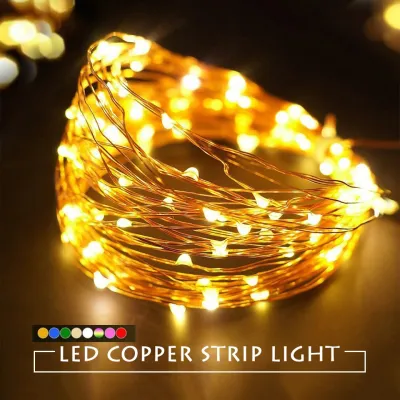
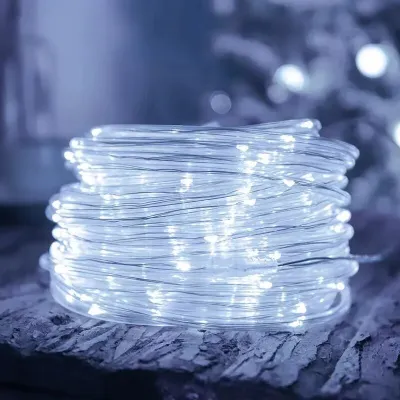
Prices are valid at publication and may change. Please refer to the product page for the latest price.
Reliable brands use high-grade LED chips that maintain consistent brightness and color rendering over thousands of hours. Substandard LEDs often dim prematurely, flicker, or show noticeable color shifts within a few weeks of use. Look for brands that provide clear lifespan estimates (typically 20,000 to 50,000 hours) and offer a manufacturer warranty. A warranty of six months to a year is a strong signal that the brand stands behind its product quality and provides accessible customer support for troubleshooting.
Singapore’s electrical grid operates at a standard voltage of 230V and a frequency of 50Hz. When purchasing imported decoration lights online, you must verify that the power adapter is rated for this voltage. Using a light designed solely for 110V systems without a proper step-down transformer will cause immediate overheating, component failure, or a hazardous electrical short. Always check the input specifications printed on the power adapter or the product packaging before plugging any device into your home outlets.
Matching Fairy Light Styles to Your Home Decoration Goals
Achieving the perfect look requires matching the physical properties of the light strand—such as light density, bulb size, and wire material—to the specific area you want to decorate. A mismatched setup can look cluttered or fail to provide the desired level of illumination. By understanding the distinct characteristics of each style, you can select the ideal product for your specific design project.

Curtain and Canopy Lights for Bedrooms and Living Rooms
Curtain lights feature a main horizontal wire with multiple vertical strands cascading downward, creating a dramatic wall of light. They are exceptionally effective when hung behind sheer window curtains, positioned as a glowing backdrop for a bed headboard, or used as soft room dividers in open-plan living spaces. When selecting curtain lights, measure the drop length of your walls or windows carefully to ensure the strands do not pool excessively on the floor or hang too short.
For larger installations, prioritize brands that offer connectable or end-to-end expandable strands. This feature allows you to link multiple curtain sets together using a single power adapter, eliminating the need for multiple wall plugs and messy extension cords. Ensure that the total wattage of the connected strands does not exceed the maximum capacity specified by the manufacturer’s power supply, and verify that the connections are tightly sealed to prevent loose wiring.
String and Wire Lights for Shelving, Plants, and Craft Projects
Micro-LED wire lights, often called copper wire or starry lights, feature tiny LED chips embedded directly into ultra-thin, bendable metal wires. This design makes them virtually invisible when turned off, allowing the focus to remain entirely on the glow when illuminated. They are perfect for wrapping around indoor plants, lining bookshelves, or filling glass mason jars to create custom table centerpieces.
Because these lights are often placed in direct contact with delicate materials like dry foliage, paper crafts, or synthetic fabrics, choosing low-heat emission models is critical. High-quality LED wire lights run on low voltage (typically 5V via USB or 3V via batteries) and remain cool to the touch even after hours of continuous operation, drastically reducing any potential fire hazard. Always review the product label to ensure the model is rated for low-voltage operation before placing it near flammable materials.
Festoon and Globe Lights for Patios and Outdoor Dining Areas
If you want to illuminate an outdoor balcony, patio, or open-air dining area, standard indoor fairy lights are unsuitable. Instead, opt for festoon or globe lights, which feature larger bulbs suspended from heavy-duty, weather-resistant cables. These lights are designed to withstand physical tension when strung across open spaces and provide a more substantial, ambient glow that is perfect for hosting outdoor gatherings.
Singapore’s tropical climate is characterized by high humidity and sudden, heavy rainstorms. Therefore, any decoration light used outdoors must have an appropriate Ingress Protection (IP) rating. Look for an IP44 rating at a minimum, which protects against splashing water from all directions, though IP65 or higher is recommended for fully exposed outdoor areas to prevent moisture ingress, corrosion, and electrical failures. Ensure that all outdoor connections are housed in weatherproof junction boxes and kept away from standing water.
Essential Features to Look for in Reliable Decoration Lights
The ideal power source depends on where and how you plan to display your lights. Direct plug-in models (230V) provide consistent, high-intensity brightness and are best for permanent fixtures near wall outlets. USB-powered lights offer excellent versatility, allowing you to run them off wall adapters, power banks, or computer ports, making them highly portable. Battery-operated models are perfect for short-term events or remote corners without power access, though they require frequent battery replacements. Solar-powered lights are highly energy-efficient for outdoor gardens and balconies that receive direct sunlight during the day, but their performance will vary depending on daily weather conditions and cloud cover.
Color temperature is measured in Kelvin (K) and dictates the visual warmth of the light. For a cozy, inviting atmosphere, look for warm white lights rated between 2700K and 3000K. Cool white lights (5000K-6500K) offer a modern, crisp look but can feel sterile if overused in living spaces. Reputable brands ensure strict color consistency across different production batches; cheap alternatives often exhibit noticeable color variations, where one strand looks warm yellow and the adjacent one has a greenish or cool blue tint.
Smart fairy lights allow you to control brightness, colors, and schedules via a smartphone app or voice assistants like Google Assistant and Amazon Alexa. When choosing a smart brand, verify that the companion app is regularly updated, has positive user ratings, and supports standard local Wi-Fi frequencies (typically 2.4 GHz). Avoid brands with poorly maintained, third-party apps that suffer from frequent connection drops or raise data privacy concerns.
Practical built-in features greatly enhance daily convenience and energy efficiency. A memory function is highly valuable, as it ensures the lights return to your preferred brightness and pattern setting every time they are turned on, rather than resetting to a flashing mode. Built-in timers allow you to program the lights to automatically turn on for a set period (e.g., 6 hours) and turn off for the rest of the day, conserving power without manual intervention. Stepless dimming allows you to fine-tune the light output to match the exact mood of your room.
Where to Buy Certified Fairy Lights in Singapore
When shopping online, always prioritize official brand stores or authorized distributors on major e-commerce platforms. This ensures you receive genuine products rather than counterfeit goods. Take the time to read verified customer reviews, paying close attention to photos uploaded by buyers to assess the actual wire thickness and brightness. Check the seller’s return policy and response rate to ensure you have recourse if the product arrives damaged or defective.
For those who prefer to inspect products physically, visit specialized lighting showrooms in retail hubs like Jalan Besar or Balestier, or browse established home improvement chains across Singapore. Physical stores allow you to evaluate the build quality firsthand, feel the weight of the cables, and observe the true color temperature of the lights. Store staff can also provide valuable advice on compatibility and installation accessories.
It is highly recommended to avoid purchasing unbranded, exceptionally cheap plug-in lights from unverified online sellers. These budget-tier products often bypass safety regulations, utilizing ultra-thin copper wires that break easily, low-quality plastic housings that melt under heat, and plugs that lack proper internal fuses. Furthermore, they frequently ship with flat two-pin plugs that do not fit securely into Singapore’s standard Type G three-pin sockets, creating a loose connection that can spark or overheat.
Always retain your physical or digital purchase receipts, along with any warranty cards included in the packaging. Having proof of purchase is essential for processing warranty claims if your lights experience premature component failure. Reliable brands operating in Singapore typically offer a straightforward replacement process for verified manufacturing defects within the warranty period.
Safe Installation and Maintenance Practices
Proper installation is key to preserving the lifespan of your lights and maintaining home safety. Use dedicated mounting accessories such as adhesive backing clips, transparent command hooks, or specialized cable ties designed for delicate wiring. Never use metal nails, staples, or overly tight zip ties to secure your light strands, as these can easily pierce or crush the protective outer insulation, exposing live wires and creating immediate shock or fire hazards.
Before hanging your lights—especially after they have been packed away in storage for several months—conduct a thorough visual inspection. Unravel the strands completely and check for any signs of frayed wire insulation, loose bulb connections, cracked plastic housings, or discolored power plugs. If you detect any physical damage or if the power adapter feels unusually hot during a brief test run, discard the lights immediately rather than attempting a temporary DIY repair.
Over time, dust will accumulate on your light strands, reducing their brightness and aesthetic appeal. To clean them safely, always unplug the power adapter from the wall outlet first. Wipe the wires and bulbs gently using a dry or slightly damp microfiber cloth; never use harsh chemical solvents, abrasive scrubbing pads, or excessive water. Allow the lights to dry completely in a well-ventilated indoor area before plugging them back in.
While installing low-voltage indoor string lights is a simple DIY task, certain scenarios require professional expertise. If you plan to hardwire outdoor decorative lighting into your home’s main electrical panel, run power cables through concrete walls, or hang heavy festoon light fixtures across high-reach outdoor areas, always stop and consult a licensed electrical worker (LEW) in Singapore. Attempting complex electrical work without proper training violates local building codes and risks severe injury or property damage.
Frequently Asked Questions (FAQ)
Can I leave fairy lights on all night?
You can safely leave fairy lights on overnight only if they meet specific safety criteria. Ensure the lights are modern LEDs, operate on a low-voltage system (such as USB or battery power), and are positioned in a well-ventilated area away from flammable materials like heavy curtains, bedding, or dry decorations. Avoid leaving high-voltage plug-in lights or uncertified, unbranded models running unattended for extended periods, as any unexpected component failure could lead to overheating.
Are battery-operated fairy lights safe for outdoor use?
Battery-operated fairy lights are safe for outdoor use only if the battery box itself is specifically rated for outdoor environments. While the LED bulbs and copper wires are often water-resistant, standard battery packs are highly susceptible to moisture ingress. If water enters the battery box, it will cause rapid corrosion, battery leakage, and short circuits. For outdoor setups, ensure the battery compartment has a rubber sealing gasket and an IP44 rating or higher, or place the battery box inside a weatherproof protective container.
How do I untangle fairy lights without breaking the wires?
Untangling delicate wire lights requires patience and a gentle touch to prevent internal copper wire fractures. Start by laying the tangled bundle on a flat, clean surface with plenty of space. Locate one of the ends—either the plug or the end of the strand—and slowly thread it back through the loops, working from the outside inward. Avoid pulling, stretching, or forcing any knots tight, as tension can snap the thin metal conductors inside the insulation. To prevent future tangles, wrap your lights around a piece of cardboard or a dedicated plastic spool before storing them away.
Community discussion
Share your experience or ask a question. Comments are reviewed before publication.