
To choose the best fairy lights for outdoor balconies in Singapore, you must prioritize brands that offer certified IP65 or higher ingress protection, UV-stabilized rubber cabling, and robust corrosion-resistant connectors. While generic decorative lights often fail within weeks under Singapore’s intense humidity, heavy monsoonal downpours, and relentless tropical sun, selecting specialized outdoor lighting brands or certified smart home ecosystems ensures long-term safety and performance. Finding the right balcony lights requires balancing aesthetic preferences with local residential regulations, electrical safety standards, and the physical constraints of high-rise living.
Singapore’s unique tropical environment poses severe challenges to electrical fixtures. High relative humidity accelerates galvanic corrosion, extreme UV exposure degrades standard plastics, and sudden torrential rains can easily bypass weak seals. By understanding the technical specifications of outdoor-rated fixtures and identifying trustworthy brand categories, you can create a beautiful, safe, and durable balcony setup that withstands the elements year-round.
What Makes a Fairy Light Suitable for Singapore Balconies?
Selecting durable balcony lights for an outdoor space in Singapore requires a close look at technical specifications rather than relying on vague marketing terms. The most critical factor is the Ingress Protection (IP) rating, which defines a fixture’s ability to resist moisture and solid particles. While many products are advertised as waterproof, only a certified IP rating provides a reliable measure of environmental resistance.
Products mentioned in this guide
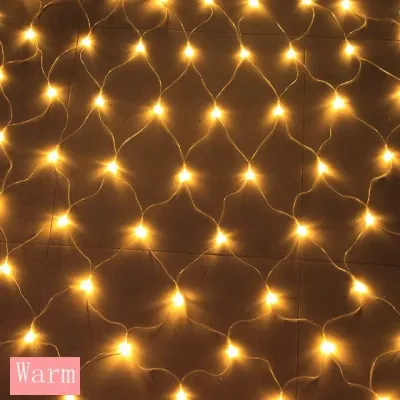
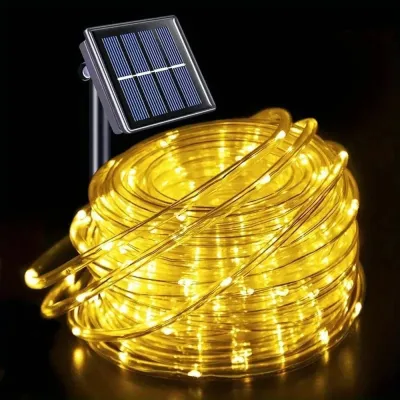
Prices are valid at publication and may change. Please refer to the product page for the latest price.
For fully exposed balconies that experience direct rainfall, look for fixtures rated at IP65 or higher. An IP65 rating indicates that the lights are completely dust-tight and can withstand water jets projected from any angle. If your balcony is partially sheltered and only experiences light mist or blowing rain during storms, an IP44 rating may suffice, but IP65 remains the safest baseline for long-term outdoor durability in Singapore’s intense monsoon seasons.
Material composition is equally vital for surviving the local climate. Singapore’s high UV index will rapidly degrade standard PVC cable jackets, causing them to become brittle, crack, and expose live wires. Look for brands that use heavy-duty, UV-stabilized rubber cabling, such as neoprene or H05RN-F rated wires, which remain flexible and intact under constant solar exposure.
Furthermore, coastal humidity and salt air—particularly in estates near the East Coast, Pasir Ris, or Sentosa—can corrode electrical contacts within months. High-quality outdoor lights feature connectors made of high-purity copper or treated alloys, protected by threaded locking collars and internal rubber O-rings. These seals prevent moisture from seeping into the electrical junctions and causing short circuits.
Thermal tolerance is another overlooked requirement. Balcony surfaces, concrete walls, and metal railings absorb solar radiation throughout the day, with surface temperatures frequently exceeding 50°C. The internal LED drivers, resistors, and adhesive seals of your fairy lights must be rated for continuous operation in high ambient temperatures to prevent premature thermal decay, color shifting, or total driver failure.
Choosing the Right Power Source for Your Balcony Lights
The layout of your balcony and the availability of electrical outlets will dictate the most practical power source for your lighting setup. Each option presents distinct trade-offs regarding reliability, maintenance, and installation complexity in Singapore’s residential environments.

Solar-Powered Lights
Solar-powered fairy lights are highly popular due to their ease of installation and zero operating costs. However, their performance on Singapore balconies is highly conditional. High-rise buildings, deep balcony overhangs, concrete ledges, and neighboring blocks frequently block direct sunlight. Solar panels require at least six to eight hours of unshaded, direct solar exposure to charge fully. If your balcony faces north or is heavily shaded, solar-powered lights will often produce dim, short-lived illumination, especially during the overcast year-end monsoon months.
Battery-Operated Lights
Battery-operated setups offer ultimate placement flexibility because they do not require proximity to a power outlet or direct sunlight. Despite this convenience, they demand high maintenance in tropical climates. The extreme humidity in Singapore can cause rapid corrosion of the metal contact plates inside plastic battery boxes. If moisture breaches the compartment, it can react with the batteries, leading to chemical leakage that permanently ruins the fixture. If you choose this option, you must use high-quality rechargeable batteries and ensure the battery box is housed in a fully weatherproof enclosure.
Plug-In (Mains) Lights
Plug-in or mains-powered lights provide the most consistent brightness and are highly reliable for daily use. To use them safely, your balcony should ideally have an outdoor-rated electrical outlet equipped with a spring-loaded, weatherproof cover rated at IP56 or higher. If you must run a power cable from an indoor outlet, avoid pinching the wire in sliding glass doors, as this will damage the protective insulation over time. Always ensure that the step-down transformer or power adapter is kept in a dry, sheltered location, or protect it within a dedicated outdoor-rated electrical drip box.
Types of Reliable Brands to Look For (and What to Avoid)
Navigating the market for outdoor fairy lights can be challenging due to the abundance of unverified products on online marketplaces. To ensure safety and longevity, it is helpful to categorize brands by their manufacturing standards and intended application.
Specialty Outdoor Lighting Brands
These manufacturers focus exclusively on commercial-grade architectural and landscape lighting. Their products typically feature heavy-duty rubber cables, modular designs that allow you to connect multiple strings together, and replaceable LED bulbs (often G45 or S14 shapes with standard E27 screw bases). While these lights carry a higher initial price tag, they offer commercial-grade durability, certified waterproof ratings, and easily replaceable components, making them the most sustainable choice for fully exposed balconies.
Smart Home Ecosystem Brands
If you want to integrate your balcony lighting with automated schedules, voice assistants, or custom color scenes, look to established smart home brands. These systems offer excellent software integration and reliable hardware. However, you must carefully verify the specifications of each component. While the light string itself may carry an IP65 rating, the controller box and power adapter are often only rated for indoor use or IP44. You must ensure these vulnerable control components are kept strictly dry and protected from the elements.
Budget and Decor-Focused Brands
Inexpensive, generic decorative lights are widely available on e-commerce platforms. These lights typically feature ultra-thin, lacquer-coated copper wires with micro-LEDs. While they are highly flexible and visually delicate, they possess very little mechanical strength. Strong winds on high-floor balconies can easily snap the thin wires, and the lack of robust waterproofing makes them highly susceptible to water damage. These budget options should be reserved exclusively for fully enclosed, dry balcony spaces or temporary, single-evening events.
Red Flags and Verification Checklist
When evaluating any brand or product, use the following verification checklist to protect your home from electrical hazards:
- No Certified IP Rating: Avoid products that use vague terms like "rainproof" or "water-resistant" without stating a specific, certified IP code (e.g., IP65).
- Missing Local Safety Certification: For mains-powered lights, verify that the step-down transformer or power adapter carries the Enterprise Singapore Safety Mark. Uncertified power adapters pose serious risks of overheating, short circuits, and electrical fires.
- Vague Warranty Terms: Trustworthy brands offer clear, written warranties of at least one to two years that explicitly cover outdoor use. Avoid sellers that only offer a standard 7-day return policy or exclude water damage from their coverage.
- Incompatible Voltage Specs: Ensure the product is rated for Singapore's standard voltage of 230V at 50Hz. Importing fixtures designed for different electrical standards without appropriate, certified conversion hardware can lead to immediate product failure or safety hazards.
Installation and Safety Rules for HDB and Condo Balconies
Installing outdoor lighting in Singapore residential estates requires careful attention to local housing guidelines, structural safety, and electrical regulations. Proper planning prevents property damage and avoids disputes with estate management.
Estate Bylaws and Aesthetics
Before purchasing or installing any exterior fixtures, check your housing estate’s guidelines. For condominium residents, the Management Corporation Strata Title (MCST) often enforces strict rules regarding alterations to the building’s external facade, including the hanging of items over balcony parapet walls. For HDB flat residents, ensure that your lighting setup does not create a “killer litter” hazard by hanging loosely over the edge where wind could dislodge it. Additionally, be mindful of light pollution; position your lights so they do not shine directly into your neighbors’ windows.
Non-Destructive Mounting Solutions
Drilling into balcony walls or ceilings can puncture the structural waterproofing membrane applied by the developer, leading to water seepage issues in your unit or the apartment below. To avoid costly repairs and liability, utilize non-destructive mounting methods. Heavy-duty, outdoor-rated adhesive clips designed to withstand UV rays and high humidity work well on smooth tiled surfaces. Alternatively, you can use tension rods wedged securely between the balcony floor and ceiling, or secure your lights to the railing using heavy-duty, UV-resistant nylon zip ties.
Electrical Safety Boundaries
When setting up your lights, safety must be your primary concern. Always isolate the power supply by switching off the circuit breaker or unplugging the system before handling, adjusting, or cleaning the fixtures. Keep all electrical connections, extension sockets, and power adapters elevated at least 30 centimeters off the balcony floor to prevent contact with pooling water during heavy downpours.
If your balcony lacks an existing power outlet and you require permanent outdoor wiring, do not attempt a DIY installation. Any fixed electrical wiring or installation of new outdoor sockets must be performed by a Licensed Electrical Worker (LEW) registered with the Energy Market Authority (EMA) of Singapore. This ensures that the installation complies with local safety standards, including the mandatory integration of a Residual Current Device (RCD) to protect against electrical shocks.
How to Maintain Outdoor Fairy Lights in a Tropical Climate
Regular maintenance is essential to maximize the lifespan of your outdoor lighting and prevent premature failure caused by Singapore’s harsh tropical environment. Implementing a simple care routine will keep your balcony safe and beautifully illuminated.
Routine Cleaning
Singapore’s urban environment leads to a gradual accumulation of fine dust, traffic soot, and airborne grime on outdoor fixtures. Periodically switch off and isolate the power supply, then gently wipe down the cables and LED bulbs with a clean, slightly damp microfiber cloth. Never use abrasive scrubbing pads or harsh chemical solvents, such as alcohol or bleach, which can strip away the UV-protective coatings on the cables and polycarbonate bulb covers.
Post-Rain Inspection
Following heavy monsoon downpours or prolonged periods of wet weather, conduct a quick visual inspection of your lighting setup. Check for any signs of water ingress inside the bulb covers or control boxes. Inspect the metal connectors and battery compartments for early signs of rust or white powdery corrosion. If you detect any moisture or corrosion, disconnect the power immediately, dry the components thoroughly with a clean cloth, and address the source of the leak before turning the system back on.
Proper Storage
If you only use your fairy lights seasonally—such as during National Day, Mid-Autumn Festival, Christmas, or Chinese New Year—do not leave them exposed to the elements year-round. When taking them down, carefully coil the light strings without making sharp bends that could damage the internal copper conductors. Store the coiled lights in a sealed, airtight plastic container along with a few silica gel packets to absorb residual moisture. Keep the container in a cool, dry, climate-controlled indoor closet to prevent mold growth and material degradation.
Frequently Asked Questions (FAQ)
Can I use indoor fairy lights on a fully covered balcony?
No, you should never use indoor-rated fairy lights on a covered balcony in Singapore. Even if your balcony has a full ceiling and appears protected from direct rain, it remains exposed to ambient outdoor conditions. Singapore’s relative humidity frequently exceeds 80% to 90%, especially during the rainy seasons, and strong winds can blow fine rainwater mist across the entire balcony space.
Indoor lights lack the necessary rubberized insulation, UV stabilizers, and watertight seals required to handle these conditions. Over time, humidity will penetrate the thin plastic casings, leading to rapid corrosion of the internal circuitry, short circuits, and a significantly increased risk of electrical shock or fire. Always choose certified outdoor-rated lights with an appropriate IP rating for any semi-outdoor or balcony space.
Do solar-powered fairy lights work well on high-floor balconies?
Solar-powered fairy lights can work on high-floor balconies, but their performance depends entirely on the orientation of your balcony and the presence of structural obstructions. High-floor units often receive more unobstructed sunlight than lower floors, which is beneficial for solar charging. However, if your balcony faces north or is shaded by a deep concrete roof overhang, the solar panel may not receive the direct, unshaded sunlight it needs to charge efficiently.
To get the best results from a solar setup, you must be able to mount the solar panel directly on the outer edge of the balcony railing where it faces the open sky. If your balcony layout prevents you from positioning the panel in direct sunlight for several hours a day, plug-in or low-voltage battery-operated lights will provide a much more reliable and consistent source of illumination.
Community discussion
Share your experience or ask a question. Comments are reviewed before publication.