
Fairy lights have transitioned from seasonal holiday accents to permanent fixtures in modern interior design. Whether draped across a cozy bedroom headboard in a Queenstown HDB flat or illuminating a spacious balcony overlooking the Marina, these delicate strings of light instantly elevate the ambiance of any room. However, finding the right lighting setup requires more than just picking the cheapest option from an online marketplace. The unique tropical climate of Singapore presents specific challenges—such as persistent high humidity and salt-laden air—that can quickly degrade low-quality electrical components.
To identify the best fairy lights for your home, you must balance initial cost against durability, safety certifications, and intended placement. Investing in reputable brand categories ensures that your decorative setup remains both beautiful and safe over years of use. Understanding the technical specifications of these lights—from wire composition to ingress protection ratings—empowers you to make an informed purchase that fits your layout, budget, and design vision.
How to Evaluate Fairy Light Quality and Value
When shopping for fairy lights, it is easy to assume that all options are identical. In reality, the engineering behind the wire, the LED diodes, and the power supply determines whether a set of lights will last for years or fail within a few weeks. Evaluating these components carefully helps you distinguish between cheap, disposable products and high-value, durable investments.
Products mentioned in this guide
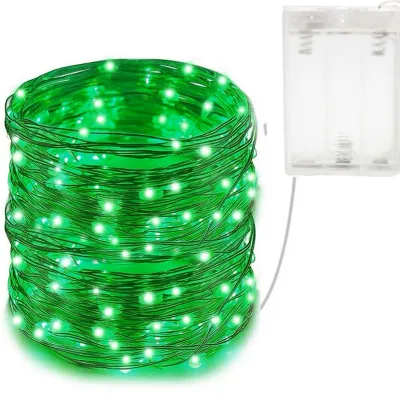
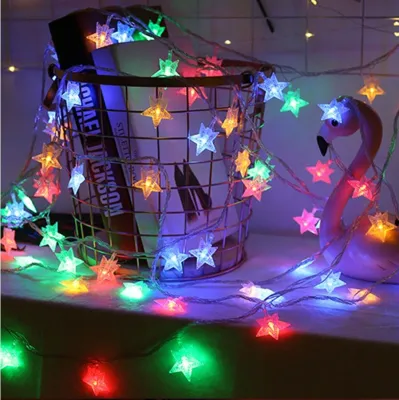
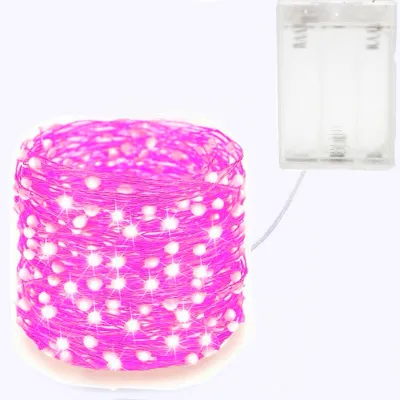
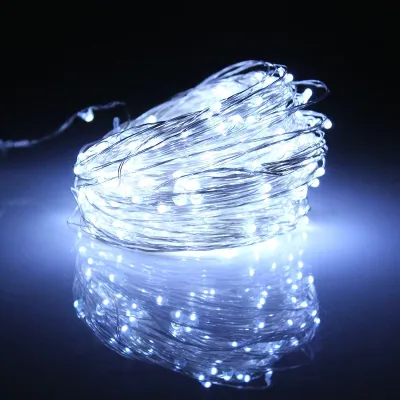
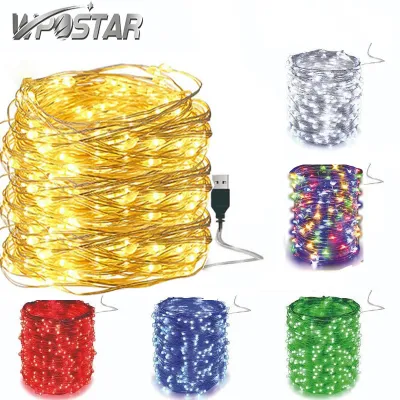
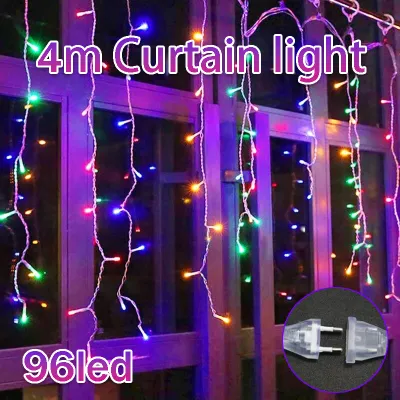
Prices are valid at publication and may change. Please refer to the product page for the latest price.
LED Chip Consistency and Performance
A primary indicator of quality is the performance of the LED chips themselves. Premium lights utilize high-grade semiconductor materials that ensure color temperature accuracy across the entire length of the string. In cheaper alternatives, you may notice that some bulbs emit a harsh, cold blue-white light while others on the same strand lean toward a sickly yellow. Furthermore, high-quality LEDs operate with stable drivers that eliminate high-frequency flicker. While flicker may not always be visible to the naked eye, it can cause subtle eye strain, headaches, and a generally unpleasant atmosphere in cozy living spaces.
Wire Durability and Solder Joints
The physical backbone of any fairy light string is its wiring. Most decorative lights use one of three wire types: bare copper, silver-coated alloy, or PVC-insulated copper. Bare copper and silver alloy wires are highly flexible and virtually invisible when wrapped around plants or furniture, making them excellent for delicate indoor decor. However, they are fragile; repeated bending can easily snap the thin metal cores. PVC-coated wires, on the other hand, offer robust physical protection and are much more resilient to tension, though they are bulkier and more visible. Regardless of the wire type, pay close attention to the solder joints where the LED diodes connect to the wire. Weak solder joints are the most common point of failure, often breaking under minor tension and causing the entire string (or sections of it) to go dark.
Defining True Value
Value in lighting is not merely about finding the lowest retail price. A cheap, unbranded set of lights that fails after a single festive season represents poor value compared to a slightly more expensive set that lasts for five years. True value encompasses energy efficiency, lifespan, and versatility. Because modern LEDs consume very little power—typically between 2 and 6 watts per hundred bulbs—the operational cost is negligible. However, a well-engineered transformer and robust wiring ensure that the lights reach their rated lifespan of 20,000 to 50,000 hours without a drop in brightness or sudden electrical failure.
The Impact of Singapore’s Climate
Singapore’s tropical climate, characterized by relative humidity levels that frequently exceed 80% and high ambient temperatures, is exceptionally harsh on electronics. Moisture in the air accelerates the oxidation of exposed copper wires, turning them green and brittle over time. This oxidation increases electrical resistance and can eventually lead to short circuits. For semi-outdoor or outdoor spaces like balconies and patios, standard indoor wires will degrade rapidly. To combat this, look for lights with moisture-resistant protective coatings, UV-stable wire jackets that do not degrade under intense equatorial sunlight, and sealed LED casings.
Power Source Trade-Offs
Choosing the right power source is critical for long-term convenience and safety:
- Plug-in Systems: These offer the most consistent brightness and are ideal for permanent installations. However, they require proximity to an electrical outlet and must be paired with a high-quality step-down transformer that converts Singapore's 230V mains voltage to a safe low voltage (typically 5V to 31V).
- USB-Powered Lights: Highly versatile and safe, these can be plugged into standard mobile phone chargers, power banks, or smart TVs. They are perfect for flexible indoor styling, though they are generally limited in maximum length and overall brightness due to the 5V power ceiling.
- Battery-Operated Lights: Offering total portability, these are excellent for temporary table centerpieces or areas without nearby power sources. The trade-off is the recurring cost of replacement batteries and the risk of battery leakage if the lights are stored away in a humid storeroom with the batteries still inside.
- Solar-Powered Lights: Ideal for outdoor gardens and unshaded balconies, solar setups eliminate electricity costs entirely. However, their performance is highly dependent on daily sunlight exposure, meaning they may shine dimly or turn off early during the monsoon season.
Recommended Fairy Light Brand Categories
Rather than focusing on fleeting brand names that may change or go out of stock, it is more practical to categorize fairy lights into three distinct tiers based on your specific decorative goals, budget, and technical requirements.

Premium Smart and App-Controlled Brands
For homeowners looking to integrate their ambient lighting into a modern smart home ecosystem, premium smart fairy lights represent the peak of technology and design. These systems feature advanced addressable LEDs, meaning each individual diode can be controlled independently by a companion smartphone app. This technology enables stunning visual effects, such as smooth color gradients, dynamic color-chasing patterns, and custom-designed light shows.
Most premium smart brands offer dual Wi-Fi and Bluetooth connectivity, allowing you to control your lights from anywhere or sync them with smart home platforms like Google Home, Apple Home, or Amazon Alexa. Many of these systems also feature built-in microphones or software integration to synchronize the light patterns with your music, television audio, or PC gaming setup. This level of customization makes them highly appealing to tech-savvy individuals, gamers, and design-focused homeowners who want their lighting to adapt to different seasons, moods, or social gatherings.
While these high-end options offer unparalleled customization, they do come with specific trade-offs. The initial investment is significantly higher, often starting around S$50 and reaching well over S$150 for longer strands. They also rely heavily on a stable home network; if your balcony or bedroom has a weak Wi-Fi signal, you may experience lag or connectivity issues when adjusting the lights via the app. Additionally, because they require constant power to maintain their smart standby mode, they must be plugged into a dedicated wall outlet. When purchasing premium smart lights in Singapore, always verify that the manufacturer provides local warranty support and that the included power adapter is fully compatible with Singapore’s 230V electrical system.
Reliable Everyday and Budget-Friendly Brands
If your goal is to add a warm, cozy glow to a bedroom, decorate a temporary study nook, or set up seasonal decorations for Christmas, Hari Raya, or Deepavali, reliable everyday brands are the most practical choice. These lights focus on simplicity and cost-effectiveness, typically offering fixed single-color options (such as warm white, cool white, or pastel pink) or basic multi-mode controllers that cycle through standard flashing and fading patterns.
The target audience for this category includes renters, students, and families looking for hassle-free, budget-friendly decor. These lights are incredibly easy to set up and do not require any complex app pairing or network configuration. You can find these products reliably at established local home improvement stores, reputable supermarkets, and verified local retailers on major online marketplaces. Buying from established local physical stores or highly rated local online sellers provides a layer of quality assurance that is often missing when buying from unverified overseas merchants.
Before purchasing budget-friendly fairy lights, there are several critical checks you must perform. First, ensure that any plug-in adapter carries the Singapore SAFETY Mark. This certification guarantees that the adapter has been rigorously tested and approved for use with Singapore’s electrical grid, minimizing the risk of electrical fires or short circuits. Second, physically inspect the wire insulation; it should feel robust and flexible rather than stiff, brittle, or paper-thin. Avoid buying the cheapest unbranded options available, as they often save costs by using dangerously thin wires and uncertified plugs.
Specialty and Heavy-Duty Outdoor Brands
Decorating outdoor spaces like landed property gardens, open-air patios, or exposed condominium balconies requires a completely different class of lighting. Standard indoor fairy lights will fail almost immediately when exposed to Singapore’s intense tropical environment, where heavy downpours are frequently followed by scorching sunlight.
Specialty outdoor lighting brands design their products with heavy-duty materials engineered to withstand these extreme weather cycles. These lights feature high Ingress Protection (IP) ratings—typically IP65 or higher—which means they are completely dust-tight and resistant to water jets from any direction. The wires are encased in thick, commercial-grade, UV-resistant rubber or heavy PVC jackets that prevent the insulation from cracking and degrading under constant exposure to sunlight. Furthermore, the LED bulbs themselves are often made of shatterproof polycarbonate rather than fragile glass, protecting them from being broken by strong winds or accidental drops during installation.
When setting up outdoor lighting, the power supply is just as critical as the light string itself. Standard indoor transformers are not waterproof and will short-circuit instantly if exposed to moisture. You must verify that the outdoor light set comes with a fully waterproof transformer (rated IP44 for splash protection, or ideally IP67 for complete weatherproofing). Alternatively, you can house the power supply inside a certified weatherproof, gasket-sealed outdoor electrical enclosure. For permanent outdoor installations, it is highly recommended to consult a qualified electrician to ensure that your outdoor power outlets are properly grounded and protected by a Residual Current Device (RCD).
Key Specifications to Compare Before Buying
To help you select the ideal fairy lights for your specific layout, it is helpful to compare key technical specifications side by side. Different environments demand different levels of protection, wire durability, and power delivery.
The table below outlines the recommended specifications for three common installation scenarios in Singapore homes:
| Specification | Indoor Decor (Bedroom/Living Room) | Semi-Outdoor (Covered Balcony) | Full Outdoor (Garden/Patio) |
|---|---|---|---|
| IP Rating | IP20 (No water protection required) | IP44 (Splash-resistant, protected from blowing rain) | IP65 or higher (Water-jet resistant, fully weatherproof) |
| Wire Material | Thin copper, silver alloy, or light PVC | Insulated copper or medium-duty PVC | Thick, UV-resistant rubber or heavy-gauge PVC |
| Power Source | USB, Battery, or Plug-in (with SAFETY Mark) | Plug-in (protected outlet) or USB | Heavy-duty Plug-in (weatherproof outlet) or Solar |
| LED Density | Standard (approx. 10cm spacing) | Standard or High-density cluster | High-density cluster or heavy-duty drop bulbs |
When browsing product listings or examining packaging in a retail store, always look for these exact specifications. Do not rely solely on vague marketing terms like “waterproof” or “heavy-duty,” as these claims are often unverified. A reputable manufacturer will clearly state the IP rating and wire material on the product label.
Installation and Safety Guidelines for Singapore Homes
Installing fairy lights is a straightforward DIY project, but maintaining strict safety standards is essential to protect your home and family. Because these lights connect to your electrical system, ignoring basic safety rules can lead to electrical failures, property damage, or safety hazards.
Electrical Safety and Certification
Before starting any installation, always isolate the power supply by switching off the wall outlet and unplugging the light set. When purchasing plug-in fairy lights in Singapore, check that the power adapter bears the blue-and-white SAFETY Mark. This mark indicates that the product has been registered with the local safety authority and complies with safety standards. Never attempt to daisy-chain multiple light strings together unless the manufacturer’s instructions explicitly state that they are connectable, and never exceed the maximum recommended number of connected strings. Overloading extension cords or using cheap, uncertified multi-way adapters can cause the wires to overheat, posing a serious fire hazard.
HDB and Condo Balcony Regulations
If you live in an HDB flat or a condominium, you must comply with local housing guidelines and estate rules. Before mounting lights on your balcony or external walls, check your condominium’s Management Corporation Strata Title (MCST) by-laws or HDB guidelines regarding exterior fixtures. Avoid drilling into external walls or balcony ceilings, as this can puncture the structural waterproofing membrane, leading to severe water leakage issues that are costly to repair. Instead, use non-invasive mounting solutions such as heavy-duty, weather-resistant adhesive hooks or cable ties wrapped around the balcony railing. Additionally, adjust the angle and brightness of your lights so they do not shine directly into your neighbors’ windows, helping to maintain a harmonious living environment.
Heat and Fire Hazard Prevention
Modern LED fairy lights are highly efficient and produce very little heat compared to older incandescent bulbs, making them safe to place near fabrics and wood. However, the step-down transformer or power adapter can still become warm during continuous operation. To prevent overheating, ensure that the transformer is placed in a well-ventilated area and kept far away from flammable materials such as curtains, paper decorations, dry indoor plants, or bedding. If you notice that a power adapter feels excessively hot to the touch, emits a burning smell, or makes a faint buzzing sound, unplug it immediately and replace the unit.
Inspecting and Maintaining Stored Lights
Many households store their festive fairy lights in bomb shelters or utility rooms for months at a time. Before reusing these lights, perform a thorough visual inspection. Unroll the string completely and check the entire length of the wire for signs of cracking, fraying, or exposed copper. In Singapore’s humid environment, check the battery compartments of portable lights for white powdery residue or corrosion, which indicates battery leakage. If you find any damaged wires, exposed copper, or corroded contacts, discard the light set immediately. It is always safer to replace a compromised set of lights than to risk an electrical short circuit or shock.
Frequently Asked Questions (FAQ)
Can I leave plug-in fairy lights on all night?
High-quality LED fairy lights consume minimal power and generate very little heat, making them generally safe to leave on overnight as ambient nightlights. However, to maximize the lifespan of the transformer and reduce standby energy consumption, it is highly recommended to connect your lights to a smart plug or use a set with a built-in timer function. This allows you to schedule the lights to turn off automatically after you fall asleep. Never leave battery-operated lights on unattended for extended periods, as battery depletion can lead to acid leakage, which permanently ruins the battery box and can damage surrounding furniture.
How do I untangle and store copper wire fairy lights?
To prevent the delicate wires from tangling or snapping, never ball them up when packing them away. Instead, wrap the light string neatly around a piece of stiff cardboard, a clean plastic bottle, or a dedicated cable spool. Once wrapped, place the lights inside a sealable, airtight plastic bag along with one or two silica gel packets. This simple step is highly effective in Singapore’s humid climate, as the silica gel absorbs trapped moisture, preventing the copper wire from oxidizing, turning green, and becoming brittle while in storage.
What IP rating do I need for condo balcony lights?
For covered condominium balconies where rain might still blow in during heavy tropical thunderstorms, a minimum rating of IP44 (splash-resistant) is required for safety. If you plan to hang the lights along the outer edge of the balcony or on an open terrace where they will face direct rain, you should select lights rated IP65 or higher (water-jet resistant). Crucially, remember that this IP rating must apply to both the light string and the power adapter. If the power adapter is only rated for indoor use, it must be plugged into an indoor socket or housed inside a certified weatherproof outdoor enclosure.
Community discussion
Share your experience or ask a question. Comments are reviewed before publication.