
When a power trip suddenly plunges your Singapore home into darkness, having a reliable light source within arm’s reach is essential. For residents living in Housing & Development Board (HDB) flats, the best Fenix emergency lights are those that offer a balance of compact storage, USB-C rechargeability, and versatile mounting options. Because Singapore’s electrical grid is highly stable, prolonged blackouts are rare; instead, outages are almost always localized trips caused by household appliances. Therefore, rather than investing in massive, high-power searchlights, HDB owners benefit most from a distributed setup of compact, highly diffused lanterns and portable Fenix e-series flashlights.
Understanding HDB Layouts and Power Outage Scenarios
Modern HDB flats, ranging from cozy 2-room Flexi units to spacious 5-room and Executive apartments, feature unique architectural layouts that directly influence how light travels. Thick, structural reinforced concrete walls—particularly those enclosing the household shelter (commonly referred to as the bomb shelter)—are highly effective at blocking light. A single, powerful light source placed in the living room will struggle to illuminate narrow corridors, recessed kitchens, or bedrooms situated down the hallway. This spatial compartmentalization means that relying on one central light source during an outage will leave most of your home in deep shadow.
Furthermore, the nature of power disruptions in Singapore is highly localized. Widespread, multi-day blackouts are virtually non-existent due to the robust underground transmission network. Instead, the vast majority of power outages in HDB estates are caused by a tripped Residual Current Circuit Breaker (RCCB) or Miniature Circuit Breaker (MCB) within the flat’s own distribution board (DB) box. These trips are typically triggered by faulty home appliances, overloaded multi-way adaptors, or minor water ingress in kitchen or balcony sockets. Because these issues are usually resolved within minutes or a few hours once the faulty appliance is isolated, your emergency lighting strategy should prioritize immediate accessibility, ease of deployment, and hands-free operation over extreme, multi-day battery runtimes.
Products mentioned in this guide
![Fenix LR35R Pro [10000 Lumens] High Power Flashlight With Red & UV Secondary Lights](https://img.lazcdn.com/g/p/e38fd2cef29c424581c13d9bc8ad25cb.jpg_400x400q80.jpg_.webp)
![Fenix PD35 V3 Tactical Flashlight [1700 Lumens 357 Meters Throw]](https://img.lazcdn.com/g/p/a512925e0bf2a88bdfa6ba28d2fc620e.jpg_400x400q80.jpg_.webp)
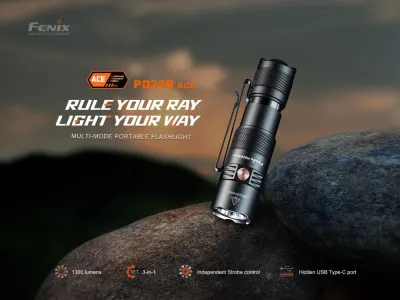
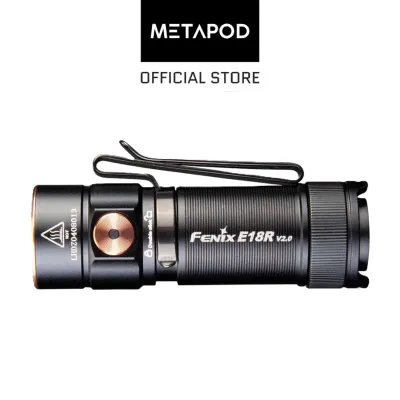
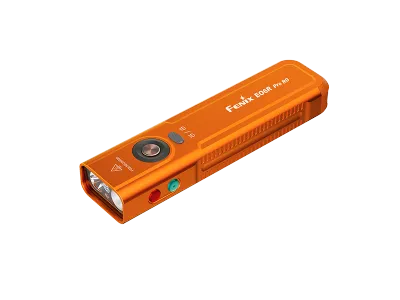
![Fenix E03R V2 Dual Light Sources Keychain Flashlight [500 Lumens USB-C Rechargeable]](https://img.lazcdn.com/g/ff/kf/Sb6b0ed4b6acd4f7599fac3c19e0d8855Z.jpg_400x400q80.jpg_.webp)
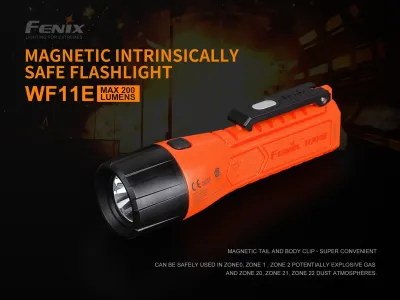
Prices are valid at publication and may change. Please refer to the product page for the latest price.
Using a single, high-intensity spotlight in a compact HDB flat is often counterproductive. Focused beams bounce off light-colored, painted plaster walls, creating intense glare that can cause temporary night blindness and eye strain. A much more effective approach is to distribute smaller, task-specific lights across key zones of the flat, ensuring that you can safely navigate to the DB box, monitor your family, and maintain basic household activities without harsh, directional shadows.
How to Choose the Right Fenix Emergency Light for Your Flat
Selecting the perfect setup from the Fenix emergency light lineup requires a clear understanding of how different lighting specifications translate to the realities of HDB living. You do not need tactical-grade searchlights designed for wilderness rescue; instead, focus on features that enhance usability within a confined, multi-room apartment.

Brightness and Light Diffusion
When evaluating brightness, look beyond the maximum lumen count. While a high-lumen output is useful for open outdoor spaces, it can be overwhelming inside a compact HDB bedroom or living room. The key is light diffusion. A focused beam concentrates light into a narrow, intense spot, which is excellent for long-distance visibility but poor for illuminating a room. For indoor emergencies, look for lights that offer 360-degree diffusion, such as dedicated lanterns, or flashlights that can accept diffuser tip accessories.
Different spaces require different lumen levels. A small bedroom or study typically only needs 10 to 50 lumens of soft, ambient light to remain perfectly functional and safe for navigation. In contrast, a larger, open-concept living and dining area may require 150 to 300 lumens of diffused light to allow the entire family to gather comfortably. Ensure any light you choose features multiple adjustable brightness levels, allowing you to dial down the intensity to prevent glare and conserve battery life.
Battery Capacity and Charging Standards
Modern emergency lights have largely transitioned away from disposable alkaline batteries, which are prone to leaking and losing charge over long periods of storage. Instead, prioritize Fenix e-series models and utility lights that utilize rechargeable lithium-ion batteries. USB-C has become the universal charging standard in Singapore, meaning you can easily recharge your emergency lights using the same cables and wall adapters you use for your smartphone or tablet.
When choosing a light with a built-in or removable lithium-ion battery, pay close attention to the capacity, typically measured in milliamp-hours (mAh). Larger capacity batteries not only provide longer runtimes on medium settings but also allow some Fenix models to double as emergency power banks. If you select a model with power bank capabilities, always verify the manufacturer’s label for the exact output wattage, interface compatibility, and electrical safety certifications before attempting to charge external devices.
Form Factor and Mounting Options
The physical design of your emergency light determines how easily you can use it hands-free when the power goes out. HDB flats are filled with metal surfaces that can serve as excellent mounting points. The heavy steel door and frame of your household shelter, the sides of your refrigerator, metal storage racks, and even certain window grilles are magnetic. Selecting a Fenix light with a strong magnetic base allows you to snap the light onto these surfaces instantly, directing illumination exactly where you need it without holding the device.
For areas without magnetic surfaces, built-in folding hooks, carabiners, or lanyard loops are invaluable. These allow you to hang a lantern from a ceiling fan bracket, a curtain rod, a towel rail in the bathroom, or a door handle. Finally, consider the storage footprint. Space is a premium in modern HDB flats, so your emergency lights should be compact enough to store neatly in a bedside drawer, a kitchen cabinet, or right inside the DB box compartment without taking up valuable storage space.
Best Fenix Light Categories for Different HDB Rooms
To build a highly functional emergency lighting system, it is best to match specific Fenix product categories to the unique demands of each room in your HDB flat.
Living and Dining Areas: High-Output Rechargeable Lanterns
The living and dining rooms are the central hubs of any HDB flat, where family members naturally gather during an unexpected power trip. To maintain a sense of normalcy and comfort, especially if you have young children or elderly family members, these communal spaces require broad, uniform illumination. This is where Fenix’s rechargeable camping and utility lanterns excel.
Unlike standard flashlights, these lanterns project light in a full 360-degree pattern, evenly lighting up a dining table or living room coffee table. When selecting a lantern, consider the color temperature of the LEDs. Cool white light (5000K and above) can feel harsh, clinical, and anxiety-inducing in a dark home. Opting for lanterns that offer warm white (around 2700K) or neutral white (around 4000K) options is a conditional preference that mimics standard home lighting, creating a much more relaxing, reassuring atmosphere during an outage.
Bedrooms and Study Rooms: Compact, Low-Glare Task Lights
Bedrooms and study rooms are intimate spaces where a sudden burst of bright light can be highly disruptive. If the power trips in the middle of the night, you need a light that allows you to navigate safely without waking a sleeping partner or blinding yourself. For these areas, compact Fenix e-series pocket flashlights paired with slip-on diffuser caps, or ultra-compact keychain lanterns, are the ideal choice.
These smaller lights can be kept permanently in a bedside drawer or on a study desk. The primary feature to look for here is a reliable “low” or “eco” mode that outputs less than 50 lumens. This low-intensity light is more than sufficient for checking on children, finding your slippers, or reading a book while waiting for the power to be restored. Because they are pocket-sized, they are also incredibly easy to carry with you as you move from room to room.
Household Shelters and Storerooms: Durable, Magnetic Flashlights
The household shelter, or bomb shelter, is a mandatory feature in modern HDB flats. Because these rooms are constructed with thick reinforced concrete and fitted with heavy steel doors, they are completely windowless and pitch black during a nighttime power trip. Crucially, the shelter is also where the main electrical DB box is located. Trying to diagnose a tripped circuit breaker while holding a flashlight in one hand and fumbling with switches with the other is difficult and potentially unsafe.
For this specific environment, a durable, cylindrical Fenix flashlight equipped with a strong magnetic tail cap is an absolute necessity. You can stick the flashlight directly to the steel door of the shelter or the metal shelving units inside, angling the beam to illuminate the DB box hands-free. Ensure the flashlight has a high impact-resistance rating, as tools stored in utility rooms are prone to being dropped on hard concrete or tiled floors. A robust aluminum body ensures the light will survive accidental drops and remain fully functional when you need it most.
If a power trip is persistent or if you suspect a deeper electrical fault, never attempt to dismantle or modify the fixed wiring inside your DB box. Always isolate the main power switch first and consult a licensed electrical worker (LEW) or qualified professional to handle the repairs safely.
Battery Maintenance and Safe Storage in HDB Flats
Singapore’s tropical climate is characterized by high humidity and ambient temperatures that regularly hover around 30 degrees Celsius. These environmental conditions can accelerate the degradation of lithium-ion batteries if they are not stored and maintained correctly. To ensure your Fenix emergency lights remain reliable for years, follow strict storage and maintenance protocols.
First, avoid storing your lights in hot, humid zones of your HDB flat. This includes utility closets near water heaters, kitchen cabinets directly above or adjacent to the stove, or balconies exposed to direct afternoon sunlight. Instead, keep them in cool, dry, and well-ventilated areas, such as a living room cabinet, a hallway storage unit, or a bedside drawer.
When it comes to charging, always practice safe electrical habits. Use certified USB cables and wall chargers that match the voltage limits specified on your Fenix light’s user manual (typically 5V USB input). Verify that your charging blocks carry local safety certifications to prevent overheating. Never leave your emergency lights charging unattended overnight or on flammable surfaces like mattresses or sofas.
Finally, lithium-ion batteries naturally lose charge over time, even when not in use. If a battery is left completely discharged for an extended period, it can suffer permanent capacity loss or fail to charge entirely. To prevent this deep discharge degradation, set a recurring calendar reminder every 3 to 6 months to retrieve your emergency lights. Test their operation, check the battery level indicators, and perform a top-up charge to bring them back to full capacity. This simple routine guarantees that when a circuit breaker trips, your lights will turn on instantly.
Frequently Asked Questions (FAQ)
How long do typical power outages last in Singapore HDB estates?
In Singapore, widespread power grid failures are exceptionally rare. The vast majority of electricity disruptions in HDB blocks are localized trips confined to a single flat, usually triggered by a faulty home appliance or a tripped residual current circuit breaker. These incidents are typically resolved within minutes to a couple of hours once the offending appliance is unplugged and the breaker is reset. Even in rare cases of localized estate-level maintenance or cable damage, power is generally restored by utility teams within 2 to 4 hours. Therefore, an emergency light with a reliable runtime of 4 to 8 hours on a medium brightness setting is more than sufficient for peace of mind.
Can I use my Fenix emergency light as a daily power bank?
While several Fenix rechargeable lanterns and high-capacity lights feature a USB discharge port that allows them to function as a power bank, it is highly recommended to reserve this feature for true emergencies. Regularly using your emergency light to charge your smartphone during daily commutes will subject the internal lithium-ion battery to frequent deep charge and discharge cycles. Over time, this daily wear and tear will degrade the battery’s overall lifespan and reduce its capacity. To ensure maximum reliability when a real power outage occurs, use dedicated, everyday power banks for your mobile devices, and keep your emergency light’s battery fully charged and reserved for backup illumination.
Community discussion
Share your experience or ask a question. Comments are reviewed before publication.