
Quick Answer: Which Filling is Best for a 50cm Cushion?
Choosing the best filling for a 50cm cushion depends on your primary goals for support, comfort, and budget. There is no single universal winner, as each material serves a distinct functional purpose.
For firm, long-lasting ergonomic support and excellent shape retention, memory foam is the superior choice. If you prefer a plush, luxurious, sink-in feel that mimics real feathers without the allergens, down alternative is the ideal option. For those seeking a lightweight, highly affordable, and easy-to-wash solution for occasional use, standard polyester fiber is the most practical selection.
A 50cm (approximately 20-inch) cushion represents a substantial size that requires careful consideration. Because of its larger surface area, this size is highly susceptible to sagging and uneven weight distribution, making the quality and structure of your chosen filling critical to the cushion’s long-term performance.
Products mentioned in this guide
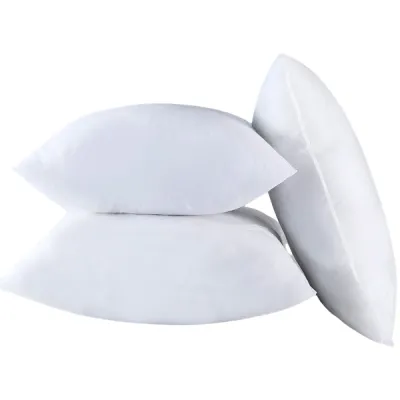
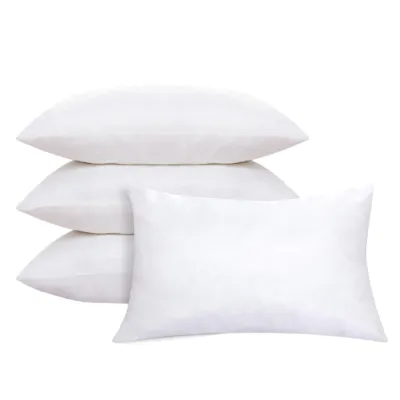
![One Piece Anime Cartoon Pillow Cushion for Sofa 50cm x 50cm [Pillowcase + Stuffing][Local Stock]](https://img.lazcdn.com/g/p/9723f156d50c2e895ddb67e684a2c76e.jpg_400x400q80.jpg_.webp)
Prices are valid at publication and may change. Please refer to the product page for the latest price.
Why the 50cm Size Changes Your Filling Requirements
A 50cm cushion occupies a unique middle ground in interior design, transitioning from a purely decorative accent to a highly functional support piece. This increase in size is not merely linear; the surface area expands exponentially to 2,500 square centimeters. Consequently, the physical forces acting on the cushion’s interior are fundamentally different from those acting on smaller accent pillows.

When you lean against or sit on a 50cm cushion, your body weight is distributed over a much wider area. However, the center of the cushion experiences the highest concentration of force, making it highly susceptible to center sagging. Without a filling material that offers sufficient structural integrity, gravity and pressure will displace the filling, pushing it outward toward the corners and leaving a flat, unsupportive middle.
To counteract this physical displacement, larger cushion inserts require specific manufacturing techniques. High-density fillings, internal baffle-box constructions, or gusseted edges are often necessary to maintain a crisp, square profile. These structural features help the cushion maintain its shape and ensure that the filling remains evenly distributed across the entire 50cm frame, even under consistent daily use.
Furthermore, the physical bulk of a 50cm cushion introduces practical maintenance challenges, particularly in Singapore’s tropical, humid climate. A 50cm insert holds a substantial volume of material, which can trap moisture deep within its core. If your home laundry setup features a compact washing machine or lacks a high-capacity tumble dryer, washing a large insert can lead to prolonged drying times, risking mold, mildew, and musty odors.
Memory Foam: Maximum Support and Shape Retention
Memory foam is a highly dense, polyurethane-based material that reacts to both body heat and pressure. When used as a filling for a 50cm cushion, it offers a highly structured, supportive experience that is fundamentally different from traditional fiber fills. Memory foam inserts are available in two primary configurations: solid slab foam and shredded foam clusters, each offering distinct performance characteristics.
The primary advantage of memory foam is its exceptional ergonomic support and shape retention. Because of its viscoelastic properties, the material contours precisely to the curves of your body, distributing weight evenly and relieving pressure points. For a large 50cm cushion, this structural stability is a massive benefit; it completely resists the flattening effect that causes fiber cushions to collapse under sustained pressure. Once the weight is removed, high-quality memory foam slowly rebounds to its original shape, ensuring the cushion retains its clean, geometric lines over years of use.
However, these structural benefits come with notable trade-offs. Memory foam is significantly heavier than polyester or down alternative fills, making a 50cm insert feel substantial and solid. This weight makes the cushion less suitable for casual decorative arrangements where pillows are frequently tossed or rearranged. Additionally, memory foam lacks the plush, fluffy feel of fiber fills, offering a firm, dense sensation instead.
In Singapore’s warm climate, heat retention is another critical consideration. Solid memory foam tends to trap body heat, which can lead to discomfort during extended use. Shredded memory foam mitigates this heat retention by allowing air to circulate through the gaps between the foam clusters, though it still feels warmer than highly breathable fiber options.
In terms of maintenance, memory foam requires careful handling. The core of a memory foam insert cannot be machine-washed, as moisture breaks down the cellular structure of the polyurethane. Instead, maintenance is limited to spot cleaning and regular airing, making a high-quality, removable, and washable protective cover an absolute necessity.
Best Use Cases:
- Floor cushions for low-table dining or casual lounging.
- Reading pillows and deep sofa lumbar support.
- Structured outdoor seating where firm, stable support is required.
Down Alternative: Plush Comfort and Luxurious Feel
Down alternative represents the pinnacle of synthetic luxury, designed specifically to replicate the loft, warmth, and plushness of natural goose or duck down. Typically made from ultra-fine polyester microfibers, down alternative is an increasingly popular choice for high-end home textiles. When stuffed into a 50cm cushion, it provides a soft, cloud-like aesthetic that is highly sought after in premium interior design.
The most compelling benefit of down alternative is its luxurious, sink-in comfort. Unlike memory foam, which resists pressure, down alternative yields gently, creating a plush, enveloping sensation when you lean against it. It is entirely hypoallergenic, making it an excellent alternative for individuals who love the feel of natural down but suffer from feather allergies or respiratory sensitivities. Furthermore, down alternative fibers drape beautifully, allowing a 50cm cushion to achieve the classic, high-end “chopped” look favored by interior stylists.
Despite its luxurious feel, down alternative has specific limitations when used in a large 50cm format. Because the microfibers are incredibly fine and lightweight, they lack inherent structural rigidity. Under the weight of a person’s back, the fibers will compress completely, requiring regular manual fluffing to restore the air pockets that give the cushion its loft. Over time, sustained pressure can cause the microfibers to shift and pack together, leading to a gradual loss of volume.
Additionally, while these inserts are generally machine-washable, their dense microfiber structure absorbs a significant amount of water. In humid environments, drying a 50cm down alternative insert completely can take a substantial amount of time, requiring multiple low-heat cycles in a tumble dryer to ensure no dampness remains in the core.
Best Use Cases:
- Primary sofa back cushions on deep sectionals.
- Decorative pillows on a master bed.
- Plush accent pieces in cozy reading nooks where comfort is the priority.
Polyester Fiber: Lightweight, Budget-Friendly, and Versatile
Standard polyester fiber, commonly known as poly-fill, hollowfiber, or conjugate fiber, is the most widely used filling material for household cushions. It consists of extruded polyester strands that are carded and blown into the cushion insert. Because of its ease of manufacturing and widespread availability, it serves as the default option for the vast majority of ready-made cushions on the market.
The primary appeal of polyester fiber lies in its affordability and lightweight nature. It is highly budget-friendly, allowing homeowners to style large spaces or change seasonal decor without a significant financial investment. Polyester fiber is exceptionally lightweight, making 50cm cushions filled with this material easy to move, stack, and rearrange. It is also naturally hypoallergenic and highly resilient to initial compression, offering a bouncy, springy feel.
From a maintenance perspective, polyester fiber is incredibly user-friendly. It is highly machine-washable, spins dry efficiently, and dries quickly even in humid conditions, making it a highly practical choice for busy households with young children or pets.
However, standard polyester fiber suffers from poor long-term durability and shape retention, especially when spread across a large 50cm surface area. The individual polyester fibers are prone to mechanical fatigue under consistent pressure. Over time, the fibers interlock, clump together, and shift away from the center of the cushion, resulting in flat spots and a lumpy, uneven texture. A 50cm polyester cushion will require frequent, heavy manual fluffing to redistribute the fibers, and even with diligent care, it will typically flatten and lose its structural integrity within a year of daily use.
Best Use Cases:
- Budget-friendly seasonal holiday decor updates.
- Guest bedrooms and low-traffic decorative areas.
- Lightweight accent pillows that are frequently rearranged or stacked.
Material Comparison: Support, Comfort, and Maintenance
When evaluating these materials for a 50cm cushion, it becomes clear that size magnifies both the strengths and weaknesses of each filling. For instance, while polyester fiber is highly practical for smaller pillows, its tendency to flatten becomes a major drawback in a 50cm format where weight distribution is a constant challenge. Conversely, the weight and heat retention of memory foam are less noticeable in smaller accent pillows but become primary considerations when dealing with a large 50cm cushion.
To help you quickly evaluate these options, the following comparison table outlines how each material performs across key decision dimensions specifically in a 50cm cushion format:
| Material | Support & Shape Retention | Softness & Feel | Durability & Lifespan | Washability & Care | Relative Cost |
|---|---|---|---|---|---|
| Memory Foam | Excellent; resists flattening and contours to body shape | Firm and supportive; low sink-in feel | High; retains shape for several years | Non-washable core; requires spot cleaning or removable cover | Premium |
| Down Alternative | Moderate; requires regular fluffing to maintain loft | Extremely soft; luxurious sink-in feel | Moderate-High; fibers can compress over time | Machine-washable; requires long drying time | Mid-Range to Premium |
| Polyester Fiber | Low; prone to clumping and flattening under weight | Soft but bouncy; lacks luxurious drape | Low-Moderate; fibers fatigue quickly | Highly washable; dries quickly in home setups | Budget |
Choosing the right material requires balancing these performance characteristics against your lifestyle. If you prioritize easy maintenance and low costs, polyester fiber remains a viable option despite its shorter lifespan. If you seek a luxurious, high-end appearance and don’t mind occasional maintenance, down alternative is the clear winner. For those requiring firm, therapeutic support that will last for years without losing its shape, memory foam is well worth the investment. Always check with individual retailers for current pricing and material specifications to ensure you are getting the best value for your budget.
Final Decision Framework: Which Filling Should You Buy?
To finalize your choice, use this structured framework to match your specific household needs with the ideal cushion filling.
Choose Memory Foam if:
- You need firm, long-lasting structural support for sitting, lounging, or floor seating.
- You want a cushion that maintains its clean, geometric shape without requiring regular fluffing.
- You do not mind a heavier insert and are comfortable using a removable, washable cover instead of washing the core.
Choose Down Alternative if:
- You prioritize a soft, luxurious, "sink-in" feel for decorative or back-resting use.
- You want to achieve the classic, high-end "chopped" look for your sofa or bed styling.
- You have the budget for mid-to-premium fills and are willing to fluff the cushion regularly to maintain its loft.
Choose Polyester Fiber if:
- You need a lightweight, budget-friendly option for occasional use or seasonal decor updates.
- You require an insert that is exceptionally easy to machine-wash and dry quickly in humid climates.
- You are willing to regularly fluff the cushion and accept a shorter overall lifespan for the insert.
Verify First Checklist
Before purchasing your 50cm cushion insert, complete these essential verification checks to ensure compatibility and performance:
- Cushion Cover Closure: Verify whether your cushion cover features a zipper or an envelope closure. Heavy memory foam or highly filled down alternative inserts require a sturdy, high-quality zipper to keep the filling secure and prevent the seams from splitting under pressure.
- Washing Machine Capacity: Measure your washing machine's drum capacity before attempting to wash a 50cm insert. A 50cm cushion requires ample space to agitate and spin; crowding a compact machine (under 7kg) can damage both the appliance and the insert, leaving the filling waterlogged.
- Insert Construction: Look for inserts that feature gusseted edges or internal baffle-box stitching, especially when choosing down alternative or polyester fiber. These construction details keep the filling evenly distributed, preventing it from shifting to the corners and leaving the center flat.
Frequently Asked Questions (FAQ)
Can I mix memory foam and down alternative in a 50cm cushion?
Yes, hybrid cushion inserts that combine memory foam and down alternative are highly effective and widely available. These typically feature a solid or shredded memory foam core wrapped in a plush outer layer of down alternative. This design offers the best of both worlds: the deep, structural support of memory foam combined with the soft, luxurious, sink-in surface feel of down alternative. Note that these are highly specialized, pre-constructed inserts; attempting to mix these materials yourself as a DIY project can result in an uneven, lumpy cushion that is difficult to balance.
How do I stop a 50cm polyester cushion from going flat?
To prevent a 50cm polyester cushion from flattening, implement a regular maintenance routine. First, perform daily manual fluffing by vigorously clapping the sides of the cushion to redistribute the fibers. Second, use a cushion cover that is slightly smaller than the insert—for example, pairing a 50cm insert with a 45cm cover. This compresses the fibers slightly, keeping them plump and preventing them from shifting easily. Finally, tumble dry the insert on low heat with two or three clean tennis balls or wool dryer balls once a month to break up clumps and restore loft.
Is a 50cm cushion too big for a standard sofa?
A 50cm cushion (approximately 20 inches) is a standard-to-large size that works beautifully on most modern, deep-seated sofas and sectionals. It provides excellent back support and creates a layered, cozy aesthetic when paired with smaller accent pillows. However, a 50cm cushion can easily overwhelm smaller, narrow armchairs or compact loveseats, leaving very little room to sit. Before purchasing, measure your sofa’s backrest height; the cushion should not extend past the top of the sofa frame, as this can disrupt the visual balance of your living space.
Community discussion
Share your experience or ask a question. Comments are reviewed before publication.