
Creating a cozy, inviting living room relies heavily on how you layer your lighting. While overhead fixtures provide general illumination, a well-chosen floor lamp introduces localized warmth, softens harsh shadows, and establishes a relaxing evening mood. Finding the right brand involves looking beyond aesthetics; you must evaluate how a manufacturer manages light diffusion, color accuracy, and structural stability. By focusing on these technical and design elements, you can select a fixture that elevates your living space while meeting local safety and electrical standards.
What Defines a Warm Ambiance in Floor Lamps?
To achieve a truly cozy atmosphere, you must look at the technical specifications of the light source. The most critical factor is color temperature, measured in Kelvin (K). For a warm, relaxing ambiance, look for light sources that fall between 2200K and 2700K. This range mimics the soft, golden glow of candlelight or late-afternoon sun, which helps signal to your brain that it is time to wind down. Avoid temperatures above 3000K for ambient living room areas, as these cooler white tones can feel clinical and keep your mind alert.
Another vital metric is the Color Rendering Index (CRI). CRI measures how accurately a light source reveals the true colors of objects compared to natural sunlight, rated on a scale up to 100. When selecting a lamp, prioritize brands that offer light sources with a CRI of 90 or higher. A high CRI ensures that the rich textures of your fabric sofas, the natural grain of wooden coffee tables, and the warm tones of your home decor look vibrant and true to life rather than washed out or grey.
Products mentioned in this guide
![[SG] 160CM / 180CM Modern Nordic LED Floor Lamp: Minimalist Standing Light for Living Room Bedroom & Study. Sleek Night Lighting](https://img.lazcdn.com/g/p/7f362c72ba3802afff3fdb973346d9d6.jpg_400x400q80.jpg_.webp)
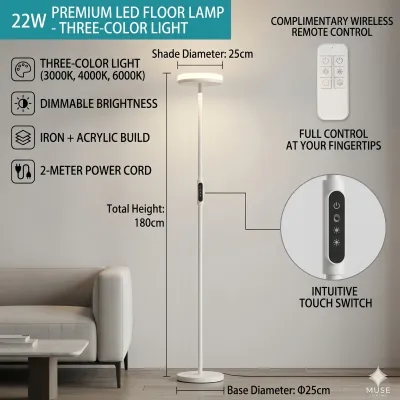
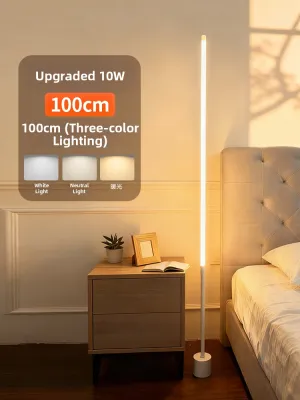
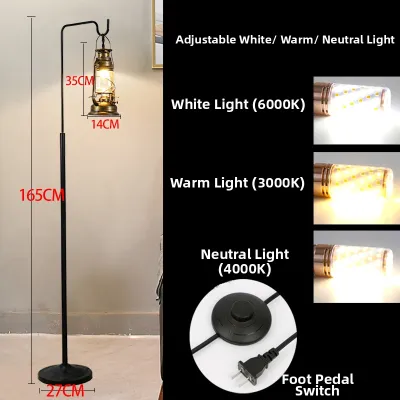
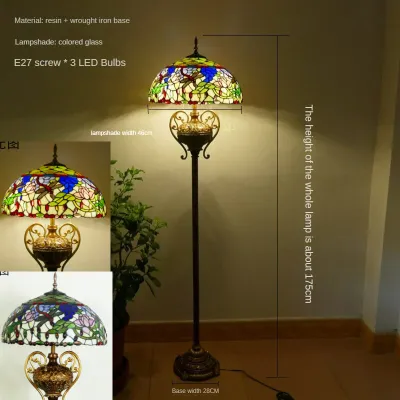
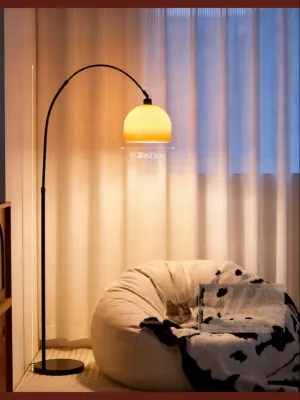
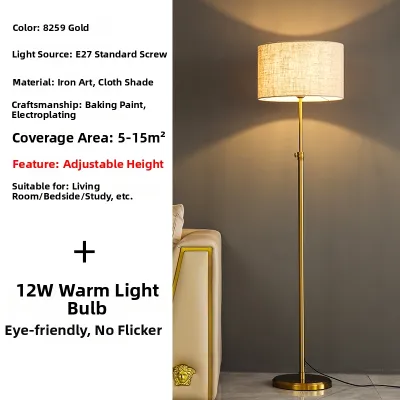
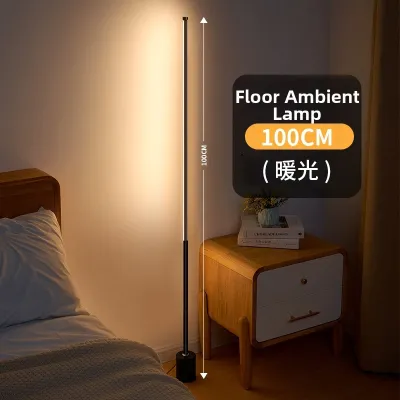
Prices are valid at publication and may change. Please refer to the product page for the latest price.
The physical shade of the floor lamp plays an equally important role in shaping the light. Direct, unshielded light bulbs create harsh glare and deep, stark shadows that disrupt a relaxing environment. High-quality ambient brands use carefully selected diffusion materials to scatter light gently throughout the room. Linen shades soften the light while adding a subtle organic texture, rice paper creates an incredibly soft, even glow, and frosted or opal glass diffuses light in all directions without exposing the bright filament of the bulb.
How to Evaluate Floor Lamp Brands for Ambient Lighting
When comparing different lighting manufacturers, look closely at their dimming capabilities. A fixed-brightness lamp limits your ability to transition a room from a functional family space to a quiet, low-light sanctuary. Premium brands often integrate continuous dimming (rotary or touch-sensitive) or multi-step dimming into their designs. If you plan to integrate the lamp into a smart home setup, verify whether the brand’s fixtures are compatible with smart plugs or smart bulbs, as some built-in electronic dimmers can cause smart bulbs to flicker or fail prematurely.

Build quality is another key differentiator among brands. A quality floor lamp must have a heavy, well-engineered base to prevent tipping, especially in homes with active children, pets, or high foot traffic. Check the specifications for the base weight and material; solid steel, cast iron, or heavy marble bases offer the best stability. Additionally, examine the construction of joints, swivels, and adjustment screws. Brands that use metal threads and robust locking mechanisms will maintain their position over years of use, whereas cheaper plastic components tend to degrade and sag.
Finally, consider the long-term support and warranty terms offered by the manufacturer. Reliable brands stand behind their products with clear warranties, typically ranging from one to five years. Because floor lamps are long-term investments, check if the brand provides replacement parts. If a custom glass shade breaks or an integrated LED driver eventually fails, a reputable brand will offer replacement components, saving you from having to discard the entire fixture.
Matching Brand Aesthetics to Your Living Room Style
Every home has a unique design language, and the floor lamp you choose should complement your existing furniture while enhancing the overall mood. Different design philosophies approach ambient lighting through distinct material choices, shapes, and light-distribution methods. Understanding these styles helps you narrow down which brands align with your personal aesthetic.
Minimalist and Japandi Designs
Brands that specialize in minimalist and Japandi (Japanese-Scandinavian fusion) aesthetics focus on simplicity, organic warmth, and clean lines. These fixtures often incorporate natural materials such as light-toned woods, woven linen, and delicate paper shades. Instead of drawing attention to the fixture itself, these brands design lamps that blend seamlessly into the background, often utilizing hidden or recessed light sources. The resulting light is typically indirect, designed to wash gently against walls or reflect softly off the ceiling to create a calm, uncluttered atmosphere.
Mid-Century Modern and Classic Styles
If your living room features retro elements or traditional decor, look for brands that draw inspiration from mid-century modern and classic designs. These manufacturers frequently use rich metallic finishes like brushed brass, antique bronze, or matte black metal, paired with classic fabric drum shades. Many mid-century designs feature adjustable multi-arm configurations or tree-style layouts. These allow you to direct individual light sources upward to bounce off the ceiling for general ambient warmth, or point them toward a reading chair for focused, cozy task lighting.
Industrial and Sculptural Statements
For a more contemporary or dramatic look, some brands offer industrial and sculptural floor lamps that serve as artistic focal points. These fixtures often feature dark metals, concrete bases, and tinted or amber-colored glass globes. Because these designs frequently showcase exposed bulbs, it is crucial to pair them with very warm, low-wattage filament bulbs (often around 2000K to 2200K). This prevents the exposed light source from causing eye strain and ensures the industrial aesthetic delivers a moody, amber warmth rather than a cold, harsh glare.
Practical Checks Before Buying a Floor Lamp in Singapore
Before finalizing your purchase, you must verify several practical and technical factors to ensure the lamp operates safely and fits comfortably in your Singapore home. First, confirm that the lamp is compatible with Singapore’s standard electrical grid, which operates at 230V and 50Hz. If you are importing a lamp or buying from an international brand, ensure it comes with a standard Type G three-pin plug or a compatible, safe adapter. Avoid using temporary travel adapters for long-term household appliances.
In Singapore, household electrical appliances, including certain lighting power adapters and fixtures, are regulated to ensure consumer safety. Look for products that carry the Safety Mark, which indicates the item has been tested and certified to meet local safety standards. Purchasing from brands that comply with these regulations minimizes the risk of short circuits, electrical fires, or damage to your home’s wiring.
Next, consider the physical dimensions of the lamp relative to your living room layout. In typical HDB flats or condominium apartments where space is optimized, a lamp with an excessively wide tripod base or a dramatic overhanging arc might obstruct walkways or crowd your furniture. Measure both the floor footprint and the height of the lamp. Ensure the power cord is long enough to reach your wall outlet safely without stretching across high-traffic areas, which creates a tripping hazard. If the cord must run along the floor, look for brands that offer integrated cord management clips or low-profile cables.
Finally, take Singapore’s tropical climate into account. High relative humidity can affect certain materials over time. Untreated metals may corrode, and delicate paper shades can absorb moisture, leading to sagging or discoloration. If your living room is naturally ventilated or frequently open to the elements, prioritize brands that use powder-coated metals, treated wood, or synthetic fabric blends that resist moisture and are easy to wipe clean.
Frequently Asked Questions (FAQ)
Can I use a smart bulb in any floor lamp to change the ambiance?
You can use a smart bulb in most floor lamps, provided the bulb’s base type (such as E27 or GU10) matches the lamp’s socket and the physical dimensions fit comfortably within the shade. However, you must avoid installing smart bulbs in lamps that feature built-in rotary or touch-sensitive hardware dimmers. These hardware dimmers alter the voltage sent to the bulb, which can damage the smart bulb’s internal electronics, causing flickering or connectivity issues. Additionally, ensure the lamp shade allows for adequate heat dissipation, as excessive heat buildup inside tight, enclosed shades can significantly shorten the lifespan of a smart bulb.
Where is the best place to position a floor lamp for maximum coziness?
To maximize coziness, place your floor lamp in an unused corner of the living room. This positioning allows the light to wash against the adjacent walls, reflecting a soft, indirect glow back into the room and making the space feel larger and warmer. Avoid placing the lamp directly next to or opposite your television screen to prevent distracting reflections and glare. For the most balanced atmosphere, layer your floor lamp with other low-level light sources, such as table lamps or under-cabinet LED strips, to eliminate dark pockets and create a rich, multi-dimensional lighting scheme.
Community discussion
Share your experience or ask a question. Comments are reviewed before publication.